Pineapple Fried Rice
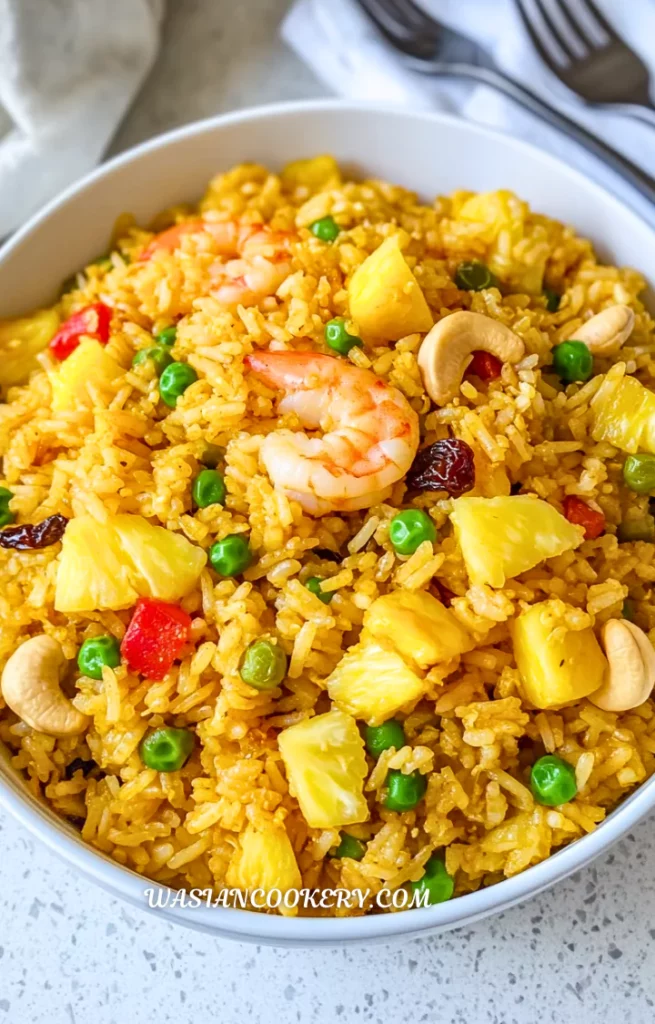
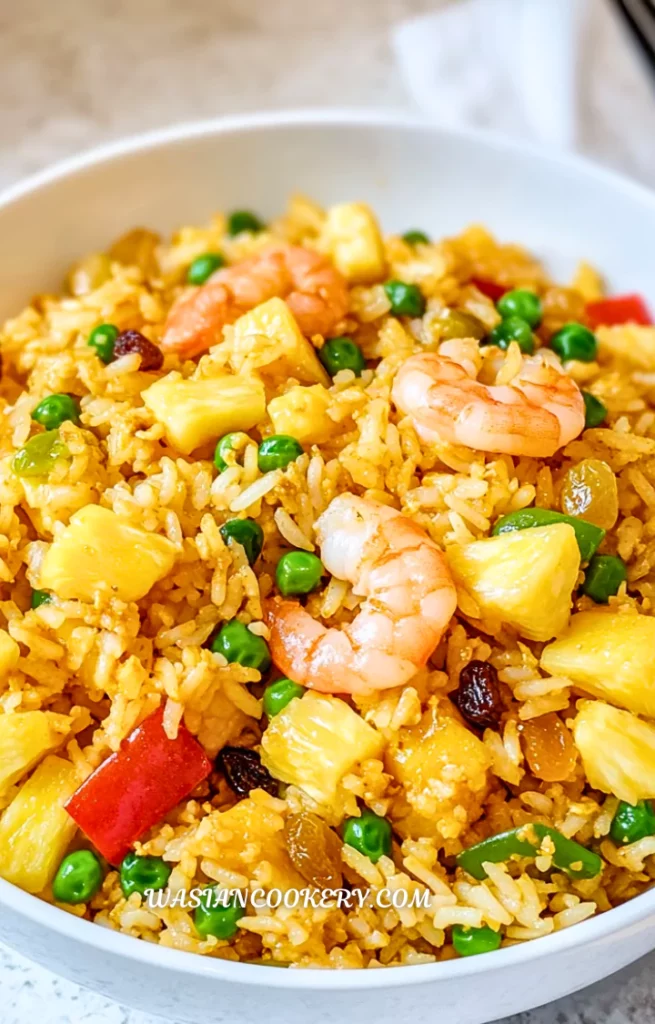
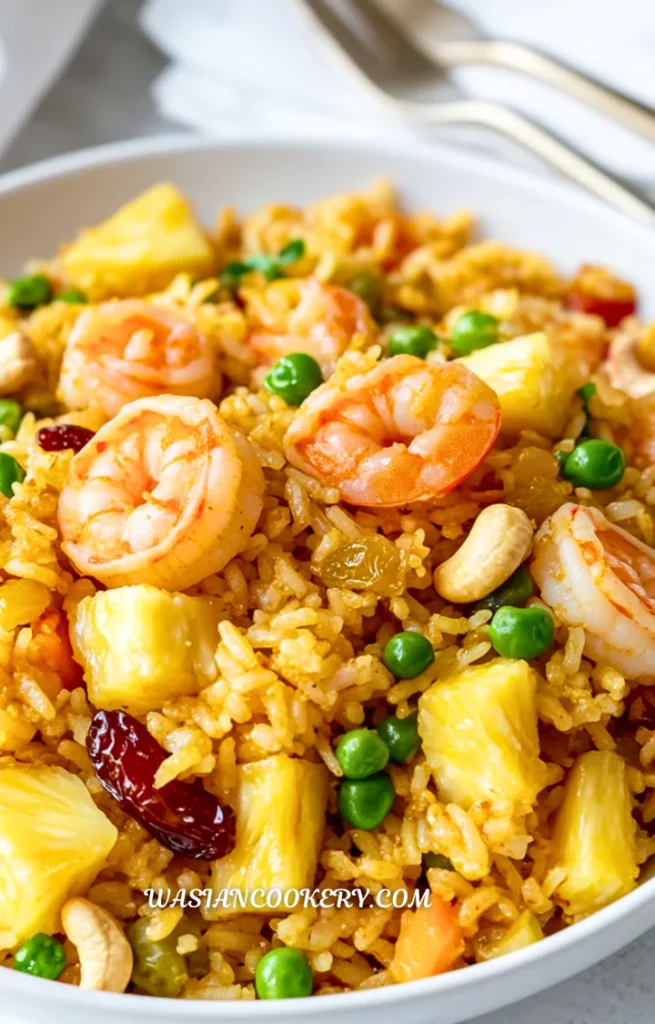
My favorite part of Pineapple Fried Rice is the mix of sweet fruit, savory rice, and crunchy cashews. Shrimp and scrambled eggs make it satisfying, while mild curry powder gives the grains a warm flavor. A small amount of lime juice keeps the finish fresh.
I prefer fresh pineapple in this dish, with cucumber slices alongside and green onion scattered over the top. The raisins add little pockets of sweetness, and the peas and bell pepper bring color. Have everything chopped before heating the pan so the cooking feels relaxed.
This recipe makes three generous portions using three cups of already-cooked rice. Plan on about forty minutes with the rice chilled and shrimp thawed; cooking and cooling rice from dry takes additional time. A roomy wok or skillet matters, and a smaller pan will need extra time for batches.
Why This Dish Is Great
- Sweet and savory: Pineapple and raisins balance the salty soy and oyster sauces without needing added sugar.
- A complete bowl: Rice, shrimp, eggs, vegetables, and cashews bring several textures to one dish.
- A fresh finish: Lime juice and green onion brighten the warm curry seasoning.
- Practical preparation: Safely chilled rice and frozen peas make the ingredient preparation manageable.
- Adjustable heat: Mild curry powder provides warmth, with spicy condiments offered separately if desired.
- Good contrast: Adding the cashews at the end keeps their crunch against the soft rice and fruit.
What Is the Best Pineapple to Use?
Choose ripe pineapple with a pleasant sweet aroma and firm flesh. Cut away the peel and tough core, then make small, similar-size cubes so the fruit mixes easily through the rice. Pre-cut fresh pineapple is convenient too; drain pooled juice and pat the pieces lightly if they are very wet.
Use cold jasmine rice that was cooled quickly and refrigerated promptly. The listed 3 cups (420g) refers to the cooked and cooled rice, not dry grains. Follow the rice package when preparing it in advance; no extra dry-rice ratio is needed for this stir-fry. Keep it refrigerated at 40°F or below until cooking.
Ingredients
- 2 tablespoons frying oil
- 8 ounces (230g) shrimp (peeled and deveined)
- 2 eggs (beaten)
- 1 medium shallot (chopped)
- ½ red bell pepper (diced)
- 3 cloves garlic (minced)
- 1½ cups (250g) fresh pineapple (cubed)
- ¼ cup raisins
- 1 green onion (chopped, for garnish)
- 1 cup (150g) frozen peas
- 3 cups (420g) cooked and cooled jasmine rice (preferably overnight)
- 1½ teaspoons mild curry powder
- ½ teaspoon white pepper
- ½ cup (65g) cashews
- 2 tablespoons oyster sauce
- 1 tablespoon soy sauce
- 2 teaspoons lime juice
The two tablespoons of frying oil are divided between the shrimp, eggs, and vegetables. Choose a neutral frying oil suitable for your pan. Oyster sauce and soy sauce supply salt, so the base recipe does not need an added, unmeasured pinch. Mild curry powders vary; use one whose flavor you enjoy.
Kitchen Equipment You Will Need
As an Amazon Associate I earn from qualifying purchases.
- Large wok or deep skillet
- Spatula
- Knife
- Cutting board
- Measuring cups
- Measuring spoons
- Kitchen scale
- Small mixing bowl
- Fork
- Food thermometer
- Clean plate
- Paper towels
- Serving bowls
- Serving spoon
- Shallow airtight containers
- Saucepan with lid
- Can opener
- Fine-mesh strainer
How To Make Pineapple Fried Rice
Step 1
Have 3 cups (420g) cooked, cooled jasmine rice ready and gently separate any clumps. Thaw frozen shrimp in the refrigerator and pat dry. Chop the shallot, pepper, garlic, pineapple, and green onion; beat the eggs in a small bowl. Keep the raw shrimp and its utensils away from prepared vegetables and cooked food.
Step 2
Heat 1 tablespoon of the measured frying oil in a large wok or deep, wide skillet over medium-high heat. Add the shrimp in one layer. Cook about 2–3 minutes per side, checking small shrimp sooner, until opaque and 145°F in the thickest part. Transfer to a clean plate; the sauces will provide the seasoning later.
Step 3
Add 1 teaspoon of the remaining measured oil. Scramble the beaten eggs for about 1–2 minutes until fully set with no liquid egg remaining. Transfer to the clean plate with the cooked shrimp. Lower the heat slightly if the eggs begin browning too quickly.
Step 4
Add the remaining 2 teaspoons frying oil, keeping the total at 2 tablespoons. Stir-fry the shallot and bell pepper for about 2 minutes, then add the garlic for the last 30 seconds. The vegetables should begin softening and the garlic should smell fragrant without burning.
Step 5
Add the pineapple, raisins, and frozen peas. Cook for about 3–4 minutes, stirring, until the peas are hot and tender and excess pineapple liquid has evaporated. Follow any longer cooking instruction on the pea package. Light golden edges on some pineapple pieces are welcome, but do not wait for every piece to brown.
Step 6
Add the chilled rice, spreading and folding it through the vegetables for about 3–4 minutes. Separate clumps gently with a spatula. If the pan is too full to toss comfortably, finish in batches, dividing the rice, vegetables, remaining seasonings, shrimp, and egg evenly between batches.
Step 7
Add the curry powder, white pepper, oyster sauce, and soy sauce. Toss for about 1 minute so the seasonings coat the grains evenly. Scrape and fold from the bottom to distribute the sauce rather than leaving a concentrated patch in one part of the pan.
Step 8
Return the cooked shrimp and scrambled eggs and fold gently for about 1–2 minutes, or until the rice mixture reaches 165°F throughout. Check several places with a clean food thermometer, cooking longer if needed. The peas should also be hot through, with no cold centers.
Step 9
Remove from the heat, fold in the cashews and measured lime juice, and garnish with the chopped green onion. Serve immediately. Allow about 15 minutes preparation and 25 minutes cooking, or 40 minutes total, with cooked chilled rice and thawed shrimp ready. Extra batches take longer.
Notes
- Break up the cold rice before cooking. Large, solid clumps take longer to heat and tempt you to mash the grains.
- Pat the shrimp dry so they sear instead of releasing a puddle into the pan. Cook them separately and remove them promptly.
- Keep the scrambled eggs in distinct pieces. They mix more evenly when cooked separately from the rice.
- Give the fruit mixture time to lose excess liquid. Wet pineapple can make the rice soft even when the rice started cold.
- Use medium-high heat suited to your cookware. A hot pan helps, but smoking oil or scorched garlic means the heat is too high.
- Add the cashews after the final heating. Their crunch is part of the dish, and a long simmer would soften them.
- Check the final temperature rather than relying only on steam. Three cups of cold rice and frozen peas need thorough, even heating.
Ingredients You Can Add
- Mushrooms: Cook sliced mushrooms until their liquid evaporates before folding them in; too much moisture softens the rice.
- Chili flakes: A small pinch adds heat without changing the sauce. Offer them separately for different preferences.
- Extra bell pepper: Small yellow or orange pieces add color; soften them alongside the red pepper.
- Fresh ginger: Finely minced ginger can join the garlic for a brighter aromatic flavor.
- Cilantro: Chopped leaves are an optional fresh garnish. Add them after cooking so they stay lively.
- Toasted coconut: A little unsweetened coconut gives a nutty finish without adding liquid to the skillet.
What To Serve With Pineapple Fried Rice
I like a cool cucumber side with this rice. Plain slices are lovely, or try spicy Korean cucumber salad when you want a sharper contrast. Keep the salad separate so its dressing does not soak into the rice.
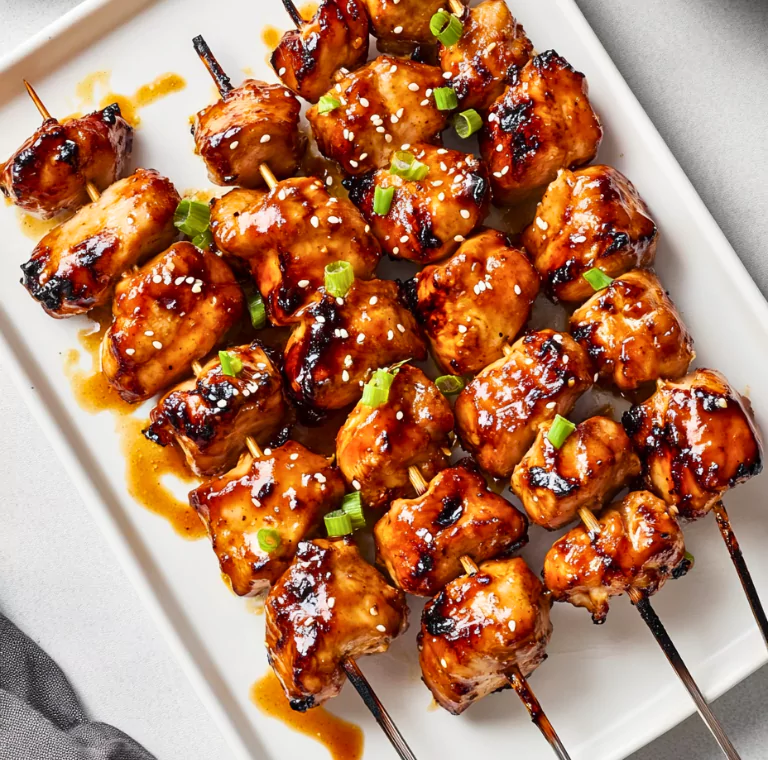
For a larger shared meal, offer smaller rice portions with teriyaki chicken and plain vegetables. The rice already has a sweet, savory character, so a little of the sauced chicken goes a long way. Cook each dish to its own doneness requirement.
Serve the rice in ordinary bowls while it is hot, with a lime wedge if you want extra brightness. For a simpler meal another night, shrimp fried rice uses garlic, ginger, and sesame oil without the fruit and curry seasoning.
Variations and Swaps
- Canned pineapple: Use well-drained pineapple packed in juice. Drain again after cutting and expect a softer texture than fresh fruit.
- Spicy version: Add chopped fresh chili or chili sauce to a finished portion, tasting before adding more.
- Nut-free version: Omit the cashews when necessary and check all ingredient labels and preparation surfaces for the relevant allergy.
- Different crunch: Ready-to-eat roasted peanuts can replace cashews if suitable for everyone eating. They are still a nut-allergy concern.
- Vegetarian version: Replace shrimp with cooked tofu and choose a clearly labeled vegetarian mushroom stir-fry sauce instead of oyster sauce.
- Chicken version: Cook small chicken pieces separately to 165°F before combining. Their timing differs from shrimp, so do not follow the shrimp clock.
- Brown rice: Use already-cooked, chilled brown rice in the same cup amount. Its firmer texture changes the bowl slightly.
- Gluten-free version: Choose labeled gluten-free soy and oyster sauces, then check curry powder and any other packaged additions.
Storage
Refrigerate leftover rice promptly in shallow airtight containers, within two hours or within one hour if the temperature is above 90°F. Store at 40°F or below and use within three days of the rice’s initial cooking date, sooner if it was already stored before frying. Do not leave rice out overnight or restart its storage time after making the stir-fry.
Freeze promptly in small portions for up to two months for best quality; the fruit will soften and cashews may lose crunch. Thaw in the refrigerator and reheat only the portion needed, stirring in a skillet until every part reaches 165°F. A small splash of water can moisten the rice mixture if necessary. Avoid repeated heating and cooling of the whole batch.
FAQ
Can I use rice cooked the same day?
Yes, after cooling it promptly in a shallow container and chilling it. Do not leave it sitting out for hours to dry. Allow additional cooking and cooling time beyond the recipe’s forty-minute estimate.
Why is the rice wet?
Pineapple juice, overcrowding, or very moist rice can create steam. Drain fruit well, let liquid evaporate before adding rice, and use batches when needed. Adding more sauce will not fix a wet pan.
Is curry powder necessary?
It is part of this recipe’s flavor. You can omit it for a different version, but the rice will taste less warm and aromatic. Turmeric alone is not an equivalent seasoning blend and should not be treated as a direct replacement.
Can I use cooked shrimp?
Yes. Skip the raw-shrimp searing stage and add cooked shrimp with the eggs near the end. Heat the entire mixture to 165°F. Watch carefully, since already-cooked shrimp can become firm if heated for too long.
Does this recipe contain shellfish and nuts?
Yes. It contains shrimp, oyster sauce, and cashews, along with egg and soy sauce. Check all labels and any substitutions carefully. Simply removing the visible shrimp would not remove the shellfish in ordinary oyster sauce.
How do I double the recipe?
Scale all measured ingredients evenly and cook in batches so each has room to heat. Divide the sauces and oil across those batches too. Expect extra cooking time, and verify each finished batch reaches 165°F before serving.
Short Description
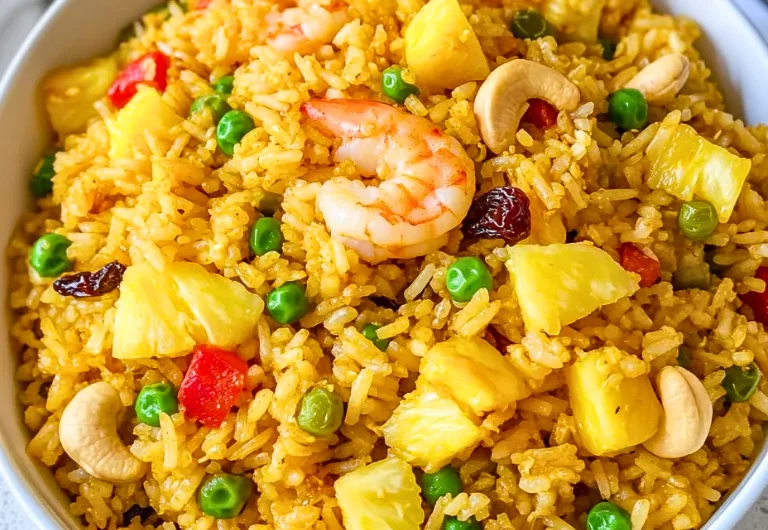
Pineapple fried rice with shrimp, eggs, jasmine rice, peas, raisins, and cashews, seasoned with mild curry powder, soy sauce, oyster sauce, and lime.
Pineapple Fried Rice
Course: MainCuisine: ThaiDifficulty: Easy3
servings15
minutes25
minutes40
minutesPineapple fried rice with shrimp, eggs, jasmine rice, peas, raisins, and cashews, seasoned with mild curry powder, soy sauce, oyster sauce, and lime.
Ingredients
2 tablespoons frying oil
8 ounces (230g) shrimp (peeled and deveined)
2 eggs (beaten)
1 medium shallot (chopped)
½ red bell pepper (diced)
3 cloves garlic (minced)
1½ cups (250g) fresh pineapple (cubed)
¼ cup raisins
1 green onion (chopped, for garnish)
1 cup (150g) frozen peas
3 cups (420g) cooked and cooled jasmine rice (preferably overnight)
1½ teaspoons mild curry powder
½ teaspoon white pepper
½ cup (65g) cashews
2 tablespoons oyster sauce
1 tablespoon soy sauce
2 teaspoons lime juice
Directions
- Have 3 cups (420g) cooked, cooled jasmine rice ready and gently separate any clumps. Thaw frozen shrimp in the refrigerator and pat dry. Chop the shallot, pepper, garlic, pineapple, and green onion; beat the eggs in a small bowl. Keep the raw shrimp and its utensils away from prepared vegetables and cooked food.
- Heat 1 tablespoon of the measured frying oil in a large wok or deep, wide skillet over medium-high heat. Add the shrimp in one layer. Cook about 2–3 minutes per side, checking small shrimp sooner, until opaque and 145°F in the thickest part. Transfer to a clean plate; the sauces will provide the seasoning later.
- Add 1 teaspoon of the remaining measured oil. Scramble the beaten eggs for about 1–2 minutes until fully set with no liquid egg remaining. Transfer to the clean plate with the cooked shrimp. Lower the heat slightly if the eggs begin browning too quickly.
- Add the remaining 2 teaspoons frying oil, keeping the total at 2 tablespoons. Stir-fry the shallot and bell pepper for about 2 minutes, then add the garlic for the last 30 seconds. The vegetables should begin softening and the garlic should smell fragrant without burning.
- Add the pineapple, raisins, and frozen peas. Cook for about 3–4 minutes, stirring, until the peas are hot and tender and excess pineapple liquid has evaporated. Follow any longer cooking instruction on the pea package. Light golden edges on some pineapple pieces are welcome, but do not wait for every piece to brown.
- Add the chilled rice, spreading and folding it through the vegetables for about 3–4 minutes. Separate clumps gently with a spatula. If the pan is too full to toss comfortably, finish in batches, dividing the rice, vegetables, remaining seasonings, shrimp, and egg evenly between batches.
- Add the curry powder, white pepper, oyster sauce, and soy sauce. Toss for about 1 minute so the seasonings coat the grains evenly. Scrape and fold from the bottom to distribute the sauce rather than leaving a concentrated patch in one part of the pan.
- Return the cooked shrimp and scrambled eggs and fold gently for about 1–2 minutes, or until the rice mixture reaches 165°F throughout. Check several places with a clean food thermometer, cooking longer if needed. The peas should also be hot through, with no cold centers.
- Remove from the heat, fold in the cashews and measured lime juice, and garnish with the chopped green onion. Serve immediately. Allow about 15 minutes preparation and 25 minutes cooking, or 40 minutes total, with cooked chilled rice and thawed shrimp ready. Extra batches take longer.
Notes
- Use the original 3 cups (420g) cooked, chilled rice; this is not a dry-rice amount. Cooking and cooling dry rice adds time.
- Divide the 2 tablespoons frying oil as 1 tablespoon for shrimp, 1 teaspoon for eggs, and 2 teaspoons for vegetables.
- Cook raw shrimp to 145°F; finish the rice mixture at 165°F. Forty minutes assumes one roomy pan batch and ingredients ready as listed.