Coconut Flour Pancakes
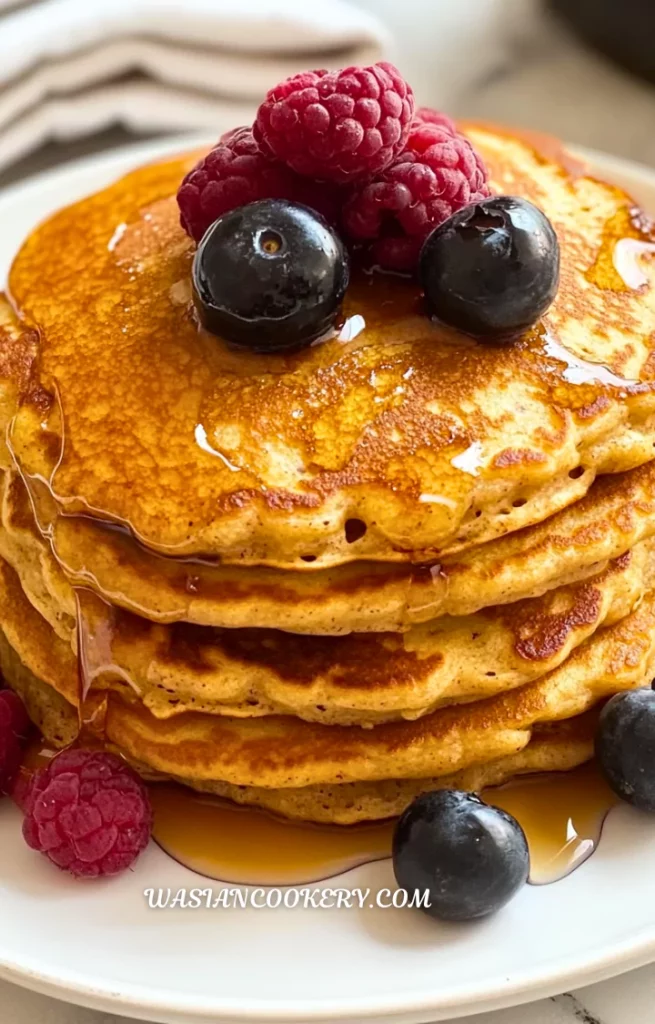
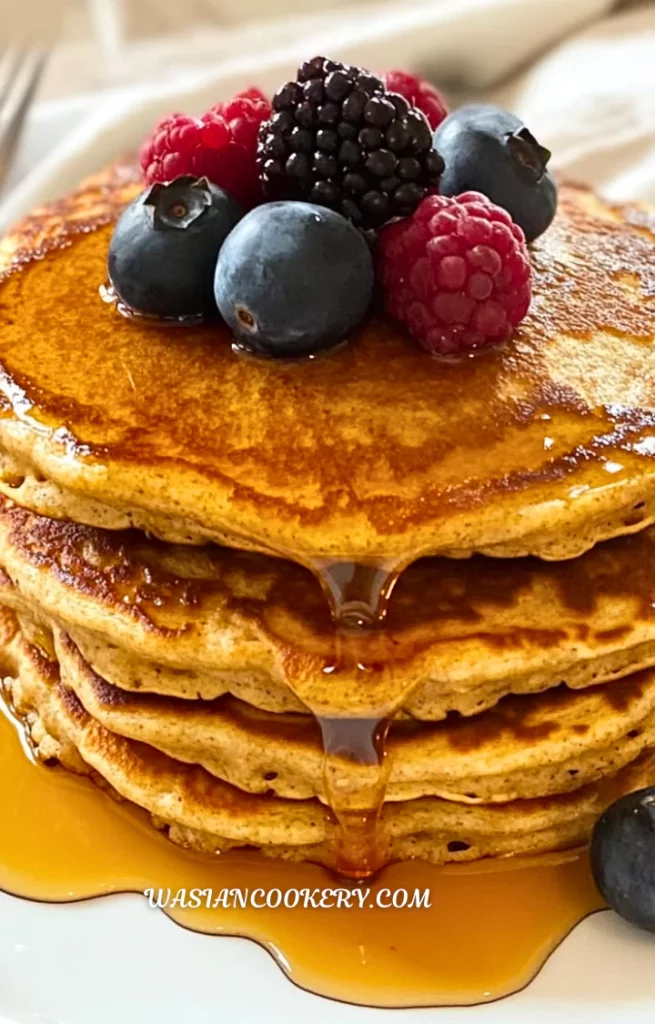
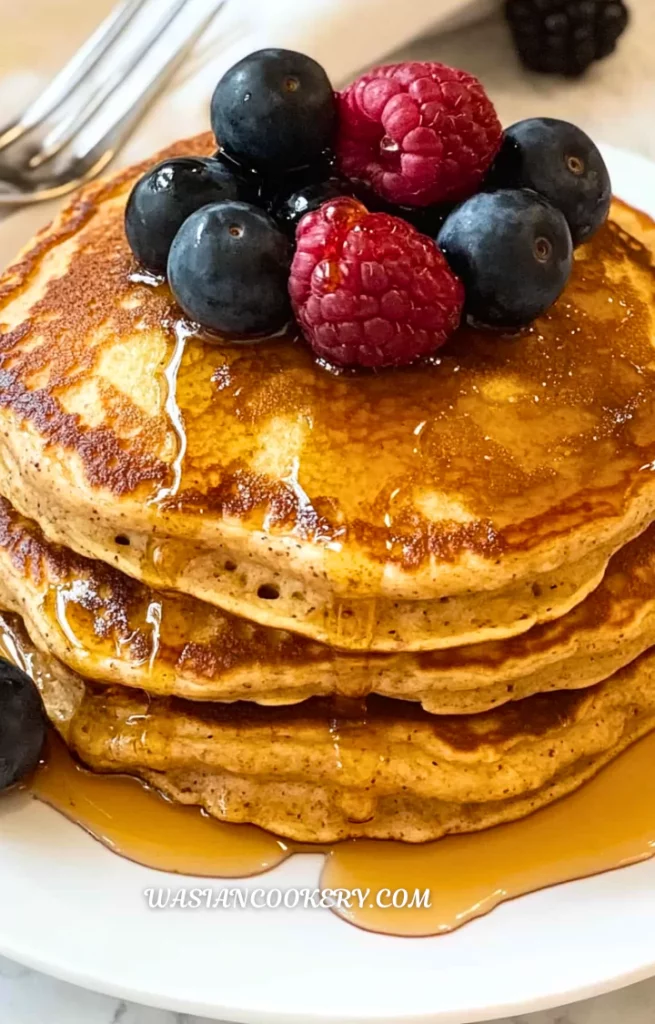
My favorite way to serve Coconut Flour Pancakes is with fresh berries and a little maple syrup. Their gentle coconut flavor and vanilla make a lovely base for simple toppings. Keep the pancakes small, and they are easier to turn and stack without breaking.
Coconut flour behaves differently from regular flour: it absorbs a lot of liquid and makes a thick batter. The eggs help the pancakes hold together, while a short rest gives the flour time to soften. Gentle heat lets the centers set before the surfaces become too dark.
This recipe makes two servings and takes about thirty minutes when several small pancakes fit in the pan. The total includes the five-minute batter rest and cooking in batches. Have the toppings ready before you begin, and serve the pancakes as they finish for the softest texture.
Why This Dish Is Great
- Small batch: The recipe makes enough for two servings without leaving a large bowl of batter to cook.
- Gentle sweetness: Honey or maple syrup sweetens the batter without hiding the coconut and vanilla flavors.
- Simple ingredients: A small amount of coconut flour works with eggs, milk, and pantry basics.
- Flexible toppings: Fruit, yogurt, and nut butter give each plate a different finish without changing the batter.
- Helpful make-ahead option: Cooked pancakes can be chilled or frozen for another breakfast.
- No wheat flour: Coconut flour forms the base. Check all packaged ingredients and kitchen surfaces if you need the meal to be gluten-free.
What Is the Best Coconut Flour to Use?
Use plain, finely ground coconut flour intended for baking. Shredded coconut, coconut flakes, and coconut milk powder are different products and cannot replace it here. Break up clumps before measuring, spoon the flour lightly into the cup, and level it. A packed quarter cup can make this small batter much too dry.
Keep the eggs and liquid amounts as written. Coconut flour needs moisture as well as binding, so the small flour quantity is intentional. Different brands may feel slightly different after resting, but the batter should be scoopable. Choose ordinary pourable dairy milk or an unsweetened plant milk, rather than thick canned coconut cream.
Ingredients
- 1/4 cup coconut flour
- 1/2 tsp baking powder
- 2 eggs
- 1/4 cup milk (dairy or non-dairy)
- 1 tbsp coconut oil (melted)
- 1 tbsp honey or maple syrup
- 1/2 tsp vanilla extract
- A pinch of salt
The tablespoon of melted coconut oil goes into the batter. Have a little additional coconut oil available for lightly greasing the pan as needed. Toppings are separate and optional. Use honey or maple syrup, keeping the listed amount rather than adding both.
Kitchen Equipment You Will Need
As an Amazon Associate I earn from qualifying purchases.
- Mixing bowls
- Whisk
- Measuring cups
- Measuring spoons
- Heatproof bowl
- Nonstick skillet or griddle
- Wide pancake turner
- Serving spoon
- Food thermometer
- Serving plates
- Cooling rack
- Microwave-safe dish
- Shallow airtight containers
- Parchment paper
- Freezer bags
- Knife
- Cutting board
- Fine zester
- Small topping bowls
- Oven mitts
How To Make Coconut Flour Pancakes
Step 1
In a mixing bowl, whisk together the coconut flour, baking powder, and salt. Break up small flour lumps before adding liquid. Measure the coconut flour lightly and level the cup rather than packing it down.
Step 2
In another bowl, beat the eggs until the whites and yolks are blended. Whisk in the milk, melted coconut oil, honey or maple syrup, and vanilla. The oil should be liquid but not hot. Mix until the wet ingredients are evenly combined.
Step 3
Add the dry ingredients to the wet mixture and whisk until no dry pockets remain. Let the batter rest for 5 minutes so the coconut flour can absorb the liquid. It should become thick and spoonable rather than thin like a wheat-flour pancake batter.
Step 4
Heat a nonstick skillet or griddle over medium-low heat and lightly grease with a little additional coconut oil as needed. Spoon about 2 tablespoons of batter for each small pancake, gently spreading it to roughly 3 inches across. Leave enough room to slide a turner underneath; work in uncrowded batches.
Step 5
Cook for about 2–3 minutes on the first side, or longer if needed, until the underside is golden and the edges look set. A few bubbles may appear, but the pancake must also hold together when lifted. Flip carefully with a wide turner and cook about 1–2 minutes more until the middle is set with no wet batter. Lower the heat if the outside browns too fast. If using a thin-probe thermometer, the center should reach 160°F.
Step 6
Serve warm with fruit, syrup, yogurt, or nut butter as desired. Repeat with the remaining batter, lightly greasing the pan between batches as needed. Allow about 30 minutes: 10 minutes preparation, 5 minutes batter rest, and roughly 15 minutes cooking several small pancakes per batch. A small skillet that holds only one or two pancakes will take longer. Divide the finished pancakes into two servings; the pancake count depends on their size.
Notes
- Give the batter its full five-minute rest before judging the thickness. Coconut flour keeps absorbing moisture after the ingredients first come together.
- Do not try to make the batter pour as freely as ordinary pancake batter. Spoon small portions into the pan and gently spread them instead.
- Use medium-low heat. If the first pancake browns before the center sets, reduce the heat and give the next batch more time.
- Wait until the pancake supports itself before flipping. Set edges and a golden underside are more useful than relying on bubbles alone.
- Slide a wide turner fully underneath each pancake. A quick, gentle turn is less likely to tear the tender middle.
- Avoid pressing down after flipping. Let the second side cook without squeezing out moisture or flattening the pancake unnecessarily.
- Keep additions light and use toppings for larger changes. Fruit puree, protein powder, or extra flour can alter the moisture balance in this small batch.
Ingredients You Can Add
- Cinnamon: A small pinch in the dry ingredients brings a warm flavor that suits maple syrup and sliced banana.
- Shredded coconut: Sprinkle a little over the finished pancakes for texture instead of stirring a large amount into the batter.
- Chocolate chips: Scatter a few over the warm stack and let them soften, keeping the cooking surface free of melted chocolate.
- Blueberries: Serve fresh berries on the side or over the top, where their juice will not change the batter consistency.
- Nut butter: Spread a thin layer of peanut or almond butter between pancakes for a creamy finish.
- Lemon zest: Finely grate a little yellow zest over the plate for brightness without adding extra liquid to the batter.
What To Serve With Coconut Flour Pancakes
Fresh berries and maple syrup are a simple starting point. Add syrup just before eating so it does not soak into the whole stack while you cook. A spoonful of peach jam also gives a fruity finish, especially when peaches are not in season.
Greek yogurt brings a creamy contrast to the tender pancakes. Serve it alongside rather than spreading a large cold spoonful over every pancake. A little cinnamon and some sliced fruit are enough to make the plate feel complete without a long list of extra toppings.
For a nutty version, use a thin layer of almond or peanut butter and add banana slices. Keep the toppings in small dishes when serving two people so each plate can be different. Coffee, tea, or a glass of milk makes a comfortable breakfast pairing.
Variations and Swaps
- Dairy-free: Choose the listed non-dairy milk option and dairy-free toppings. Unsweetened, pourable plant milk is a straightforward starting point.
- Maple: Use the maple syrup option in the batter and finish with a small drizzle of the same syrup.
- Honey: Choose honey for the batter and pair it with berries or yogurt rather than adding another sweet topping automatically.
- Berry breakfast: Keep the base batter plain and pile fresh berries on the finished pancakes for juicy contrast.
- Banana topping: Add sliced banana after cooking. Mixing a mashed banana into the batter would change its liquid balance and structure.
- Warm spice: Use a little cinnamon or pumpkin spice for a seasonal flavor without adding pumpkin puree.
- Lemon and yogurt: Combine fresh lemon zest with a yogurt topping. Avoid pouring lemon juice into the measured pancake batter.
- Classic wheat pancakes: If you want to use all-purpose flour, choose fluffy pancakes or buttermilk pancakes, which have their own formulas. Those are separate wheat-flour recipes, not direct substitutions here.
Storage
Move leftover pancakes to a cooling rack, then refrigerate them in a shallow airtight container within two hours, or within one hour if temperatures are above 90°F. Keep the refrigerator at 40°F or colder and use the pancakes within three days. Store syrup, fruit, and yogurt separately so the pancakes do not become soggy.
For longer storage, separate cooled pancakes with parchment paper and freeze in a sealed freezer bag for up to two months for best quality. Thaw overnight in the refrigerator, then reheat gently in a skillet or on a microwave-safe dish until hot throughout, reaching 165°F. Handle them gently while turning and add toppings after reheating.
FAQ
Can I replace coconut flour with another flour?
There is no simple cup-for-cup swap in this recipe. Coconut flour absorbs much more moisture than wheat flour and relies on the eggs for structure. Use a recipe made for the flour you have instead of guessing a new ratio.
Why is my batter so thick?
Some thickening is expected after the rest. The batter should be spoonable rather than runny. If it is dry and crumbly, check that the coconut flour was not packed into the cup and that the milk, eggs, and oil were all included.
Why do the pancakes fall apart when I flip them?
They may be too large or not set enough on the first side. Make smaller pancakes, wait for the edges to firm up, and slide a wide turner fully underneath. A gentle turn helps more than repeatedly moving a fragile pancake.
Can I replace the eggs with flax eggs?
An equal swap is not dependable here because the eggs provide much of the moisture and structure. Flax mixtures do not behave the same way. For an egg-free breakfast, choose a recipe specifically developed without eggs rather than changing this formula by guesswork.
Can I mix the batter the night before?
It is better to mix shortly before cooking. Coconut flour continues absorbing liquid, and the baking powder begins working once wet. Measure the dry ingredients ahead if helpful, then add the wet mixture and use the short rest in the morning.
Are these pancakes automatically keto-friendly?
The recipe contains honey or maple syrup, and toppings change the finished meal too. It is not presented as a ketogenic recipe. If you need a specific carbohydrate target, use a recipe with verified nutrition that fits your own requirements.
Short Description
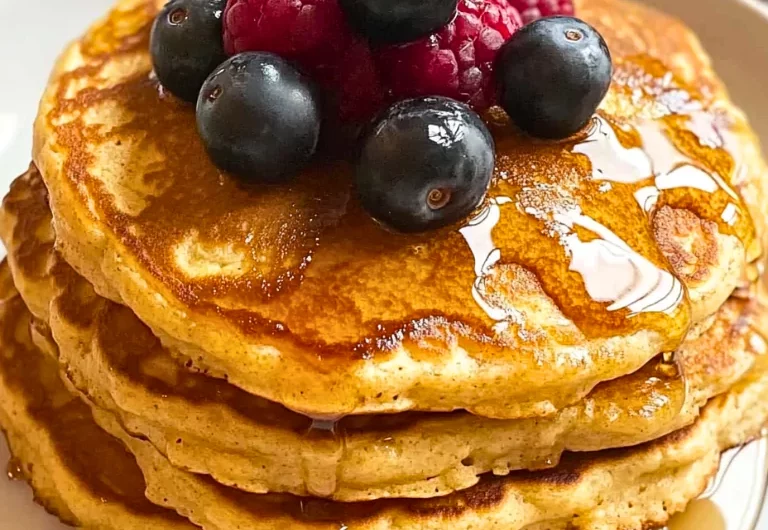
Small, tender coconut flour pancakes with vanilla and a little honey or maple syrup. Let the batter rest, cook gently, and finish with fruit or your favorite toppings.
Coconut Flour Pancakes
Course: BreakfastCuisine: AmericanDifficulty: Easy2
servings10
minutes15
minutes30
minutesSmall, tender coconut flour pancakes with vanilla and a little honey or maple syrup. Let the batter rest, cook gently, and finish with fruit or your favorite toppings.
Ingredients
1/4 cup coconut flour
1/2 tsp baking powder
2 eggs
1/4 cup milk (dairy or non-dairy)
1 tbsp coconut oil (melted)
1 tbsp honey or maple syrup
1/2 tsp vanilla extract
A pinch of salt
Directions
- In a mixing bowl, whisk together the coconut flour, baking powder, and salt. Break up small flour lumps before adding liquid. Measure the coconut flour lightly and level the cup rather than packing it down.
- In another bowl, beat the eggs until the whites and yolks are blended. Whisk in the milk, melted coconut oil, honey or maple syrup, and vanilla. The oil should be liquid but not hot. Mix until the wet ingredients are evenly combined.
- Add the dry ingredients to the wet mixture and whisk until no dry pockets remain. Let the batter rest for 5 minutes so the coconut flour can absorb the liquid. It should become thick and spoonable rather than thin like a wheat-flour pancake batter.
- Heat a nonstick skillet or griddle over medium-low heat and lightly grease with a little additional coconut oil as needed. Spoon about 2 tablespoons of batter for each small pancake, gently spreading it to roughly 3 inches across. Leave enough room to slide a turner underneath; work in uncrowded batches.
- Cook for about 2–3 minutes on the first side, or longer if needed, until the underside is golden and the edges look set. A few bubbles may appear, but the pancake must also hold together when lifted. Flip carefully with a wide turner and cook about 1–2 minutes more until the middle is set with no wet batter. Lower the heat if the outside browns too fast. If using a thin-probe thermometer, the center should reach 160°F.
- Serve warm with fruit, syrup, yogurt, or nut butter as desired. Repeat with the remaining batter, lightly greasing the pan between batches as needed. Allow about 30 minutes: 10 minutes preparation, 5 minutes batter rest, and roughly 15 minutes cooking several small pancakes per batch. A small skillet that holds only one or two pancakes will take longer. Divide the finished pancakes into two servings; the pancake count depends on their size.
Notes
- The total 30 minutes includes a 5-minute batter rest and roughly 15 minutes cooking in batches. Smaller pans take longer.
- The recipe yields two servings; the number of small pancakes depends on the portion size.
- Keep the coconut flour and eggs as listed. Wheat flour and flax eggs are not dependable cup-for-cup or one-for-one substitutes.