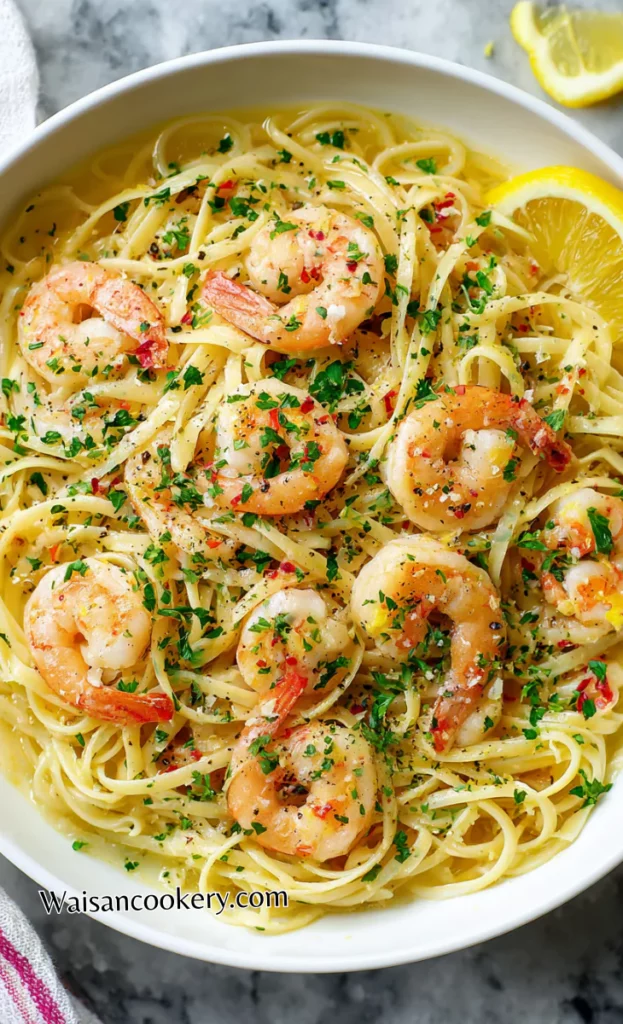
Shrimp Scampi Pasta Recipe
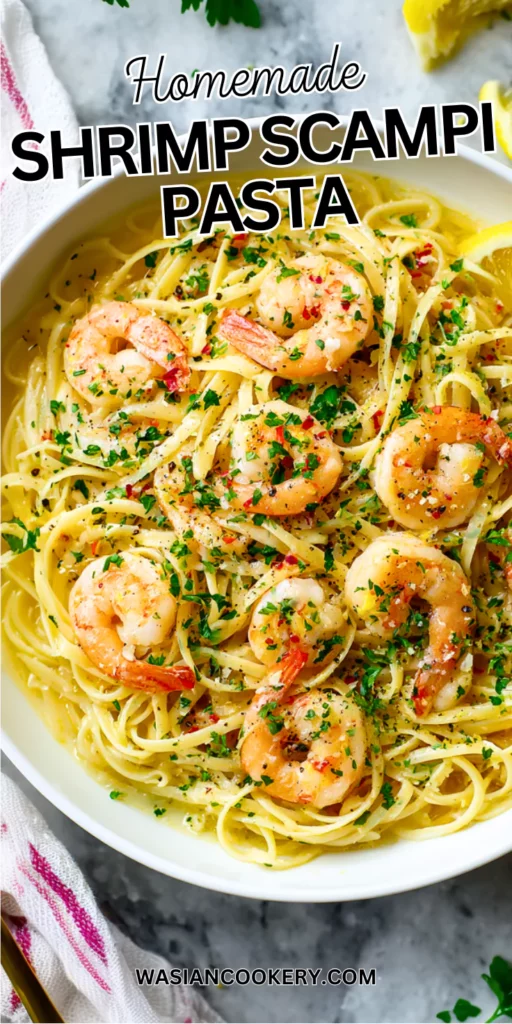
I learned this shrimp scampi pasta recipe from my Italian friend Maria, who worked at her family’s restaurant in New York. Her advice was to watch the shrimp closely and use butter for its flavor. Those simple details still shape this quick pasta dinner.
The sauce starts with garlic, butter, and olive oil, then gets a bright finish from lemon juice and zest. Chicken broth keeps the sauce light, while a little pasta water helps it cling to the noodles. Have the ingredients ready before the skillet heats up.
My kids tend to pick out the shrimp first before twirling the garlicky noodles. Serve it promptly while the pasta is loose and glossy. The recipe makes four main-dish servings, with optional capers, tomatoes, or basil if you want another layer of flavor.
Why This Dish Is Great
- The shrimp cook quickly, leaving time to make a fresh sauce in the same skillet.
- Lemon juice and zest bring brightness without needing a thick cream sauce.
- Reserved pasta water lets you adjust the sauce a little at a time.
- Frozen shrimp work well when thawed safely and dried before cooking.
- Capers, tomatoes, and basil are optional, so the basic shopping list stays flexible.
- A pot and a roomy skillet handle the main cooking, which keeps cleanup manageable.
Choosing Shrimp And Pasta
Choose large raw shrimp that are already peeled and deveined when you want less preparation. Tail-off shrimp are easiest to eat with pasta; tails left on need removing at the table. Look for firm, properly chilled shrimp with a mild smell, and avoid damaged frozen packages.
Linguine and spaghetti both catch this light sauce well. Use the package cooking time as a guide, tasting a strand near the end so it stays slightly firm. Angel hair also works, but its shorter cooking time means you should start it later. Short pasta is fine if that is what you have; it simply gives a different eating experience.
Ingredients
- Ingredients
- 12 oz linguine or spaghetti
- 1½ lbs large shrimp, peeled and deveined
- 4 tablespoons butter
- 3 tablespoons olive oil
- 6 cloves garlic, minced
- ½ cup chicken broth (instead of dry white wine)
- ¼ cup fresh lemon juice
- ¼ teaspoon red pepper flakes
- Salt and black pepper to taste
- ¼ cup fresh parsley, chopped
- Zest of 1 lemon
- ½ cup grated Parmesan cheese
- Optional:
- 2 tablespoons capers
- Cherry tomatoes, halved
- Fresh basil leaves
The four tablespoons of butter and three tablespoons of olive oil are divided between the shrimp and sauce. Keep the half cup of Parmesan for the final toss. The two tablespoons of capers, cherry tomatoes, and basil are optional; the plain lemon-garlic version does not need them.
Kitchen Equipment You Will Need
As an Amazon Associate I earn from qualifying purchases.
- Large pasta pot
- 12-inch skillet
- Colander
- Kitchen tongs
- Chef knife
- Cutting board
- Measuring cups
- Measuring spoons
- Citrus zester
- Fine grater
- Instant-read thermometer
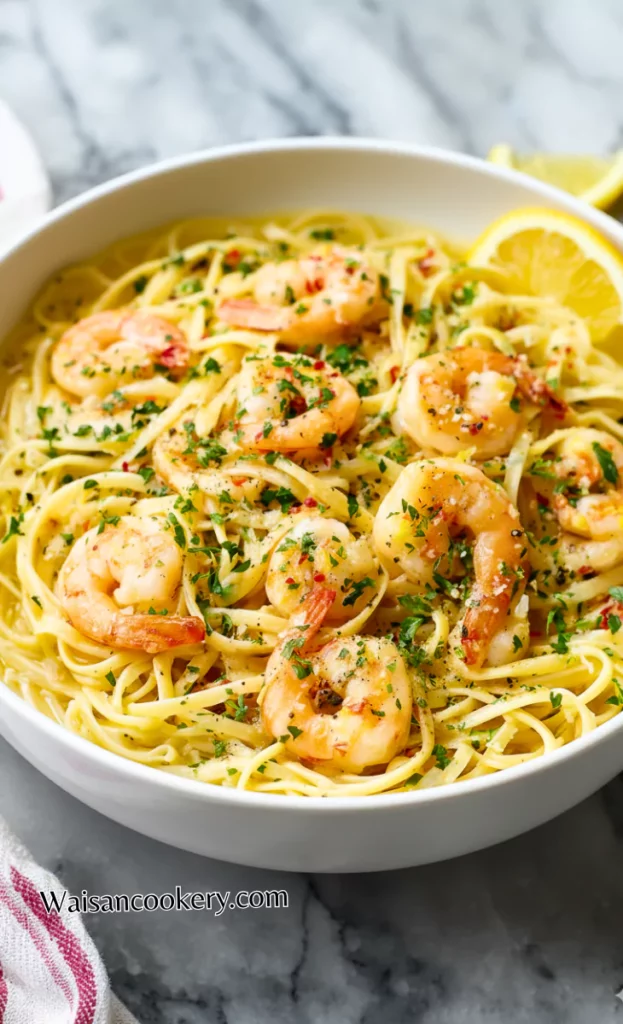
How To Make Shrimp Scampi Pasta
Allow about 15 minutes for preparation and 20 minutes for cooking, or 35 minutes total with thawed, peeled shrimp. This includes two shrimp batches while the pasta cooks. Thawing frozen shrimp takes additional time; begin that step in the refrigerator the night before.
Step 1:
Cook pasta: Bring a large pot of salted water to a boil. Cook the 12 oz linguine or spaghetti according to its package until al dente. Reserve 1 cup of pasta water before draining. Begin the shrimp while the pasta cooks.
Step 2:
Prepare shrimp: Keep thawed shrimp refrigerated until needed. Pat the 1½ lbs peeled, deveined shrimp dry and season with salt and black pepper. Measure the remaining ingredients before heating the skillet; wash hands and utensils after raw shrimp contact.
Step 3:
Cook shrimp: Heat 2 tablespoons butter and 1 tablespoon olive oil in a large skillet over medium-high heat. Cook shrimp in two uncrowded batches, turning after about 1-2 minutes and continuing until the thickest shrimp reach 145°F and are firm and opaque. Timing varies with size. Transfer each cooked batch to a clean plate; lower the heat if the butter browns too quickly.
Step 4:
Make sauce: Reduce the heat to medium-low. Add the remaining 2 tablespoons butter and 2 tablespoons olive oil, then the 6 minced garlic cloves and ¼ teaspoon red pepper flakes. Stir for about 30 seconds, until fragrant without browning.
Step 5:
Add broth: Pour in the ½ cup chicken broth and ¼ cup lemon juice. Add the optional 2 tablespoons capers and halved cherry tomatoes now if using. Simmer for 2-3 minutes, letting the tomatoes soften slightly and the liquid reduce a little.
Step 6:
Combine pasta: Add the drained pasta to the skillet and toss it through the sauce over low heat. If the skillet is too full, combine everything in the drained pasta pot instead.
Step 7:
Return shrimp: Add the cooked shrimp and their plate juices. Fold in the ¼ cup parsley and zest of 1 lemon. Toss briefly, just until the shrimp are warm again; avoid another long simmer.
Step 8:
Adjust consistency: Add reserved pasta water in small splashes while tossing until the noodles look glossy and lightly coated. You may not need the full cup. Taste before adding more salt or pepper.
Step 9:
Finish and serve: Remove from the heat and gradually toss in the ½ cup grated Parmesan. Add optional fresh basil leaves now. If the cheese tightens the sauce, loosen it with another small splash of reserved water. Serve immediately.
Notes
- Dry the shrimp before seasoning. Surface water cools the pan and makes browning harder, especially in a crowded skillet.
- Keep the second batch refrigerated until the first is nearly done, and use a clean plate for cooked shrimp.
- Check temperature through the side of a thick shrimp. Color and curling help describe texture, but do not replace the thermometer.
- Lower the heat before the garlic goes in. Small garlic pieces can burn while you are reaching for the broth.
- Reserve pasta water before draining. If you forget, warm water can loosen the sauce, though it will contain less starch.
- Use finely grated Parmesan and add it off the heat. Large shreds take longer to melt and can gather into clumps.
- Set out bowls before the last toss. The noodles keep absorbing liquid as they sit, so have a little reserved water nearby.
Ingredients You Can Add
- Cherry tomatoes: Add the optional halved tomatoes with the broth for soft pieces that still hold their shape.
- Capers: Drain the optional 2 tablespoons and simmer them in the sauce; taste before adding more salt.
- Spinach: Fold washed leaves into the hot pasta before returning the shrimp and let them wilt.
- Mushrooms: Cook sliced mushrooms separately until their moisture evaporates, then stir them into the finished pasta.
- White beans: Drain and rinse cooked beans, then warm them in the broth before adding the noodles.
- Fresh basil: Tear the optional leaves and fold them in off the heat to keep their aroma fresh.
What To Serve
Serve the pasta in warm shallow bowls with the shrimp divided evenly. A crisp side such as zucchini ribbon salad adds a cool contrast to the buttery noodles.
For a simple vegetable side, try tomato cucumber salad. Prepare and refrigerate the salad first so dinner can go straight to the table when the shrimp are ready.
Slices of homemade sandwich bread are useful for catching the extra lemon-garlic sauce. Offer lemon wedges separately if people like a sharper finish rather than adding more juice to every serving.
Recipe Variations And Swaps
- Creamy scampi: Stir a splash of heavy cream into the simmering broth, then keep the heat gentle once the pasta and cheese go in.
- Spicy scampi: For the hotter version, triple the red pepper flakes from ¼ teaspoon to ¾ teaspoon. Fresh chilies can add more heat; start cautiously.
- Vegetable version: Cook zucchini, bell peppers, or asparagus separately until tender, then fold them in. Their extra moisture should not flood the sauce.
- Chicken scampi: Replace the shrimp with chicken breast strips and cook them to 165°F. This takes longer than shrimp; keep the cooked chicken aside while making the sauce.
- Gluten-free pasta: Choose a suitable pasta and check the broth and other packaged ingredients. Follow its package timing because texture varies between brands.
- Dairy-free option: Omit the Parmesan and use olive oil in place of the butter. The sauce will taste different; optional coconut cream gives a distinct coconut note.
- Lemon-forward option: Double the lemon juice to ½ cup for a distinctly sharper sauce. Optional finely chopped preserved lemon adds salt as well as citrus, so season at the end.
- Seafood medley: Cook scallops to 145°F separately; steam live mussels or clams separately until their shells open and discard any that remain closed. Fold cooked seafood in at the end and allow extra cooking time.
How To Store
Refrigerate leftovers in shallow, covered containers within two hours of cooking, or within one hour if the room or outdoor temperature exceeds 90°F. Keep the refrigerator at 40°F or below and use the pasta within three days. Do not leave the skillet on the counter until it feels completely cold.
Reheat only the portion you need in a skillet with a little broth or water, stirring gently until it reaches 165°F throughout. A covered microwave-safe dish also works; pause to stir for even heating. Stop once hot enough, since repeated reheating makes shrimp firmer. The pasta will absorb some sauce during storage.
FAQ
Can I use frozen shrimp?
Yes. Thaw them overnight in the refrigerator, or in a sealed bag in cold water and cook promptly. Never thaw shrimp on the counter. Dry well after thawing.
Can I use wine instead of broth?
Dry white wine can replace the ½ cup chicken broth for a different flavor. Simmer it in the same sauce step. Brief cooking does not guarantee that all alcohol has evaporated.
Why does the sauce look oily?
It may need more water and tossing to bring the fat and liquid together. Lower the heat, add a small splash of reserved pasta water, and toss again.
How many shrimp should each person get?
Divide the cooked shrimp evenly among four portions. The number depends on the package count per pound, so a fixed six or eight shrimp is not reliable for every bag.
Why are my shrimp tough?
They may have cooked too long, including during the final toss or reheating. Check for 145°F, set cooked shrimp aside, and return them only briefly at the end.
Can I prepare anything ahead?
Mince garlic, chop parsley, measure the sauce ingredients, and thaw shrimp in the refrigerator. Cook the pasta and shrimp close to serving for the best texture.
Short Description
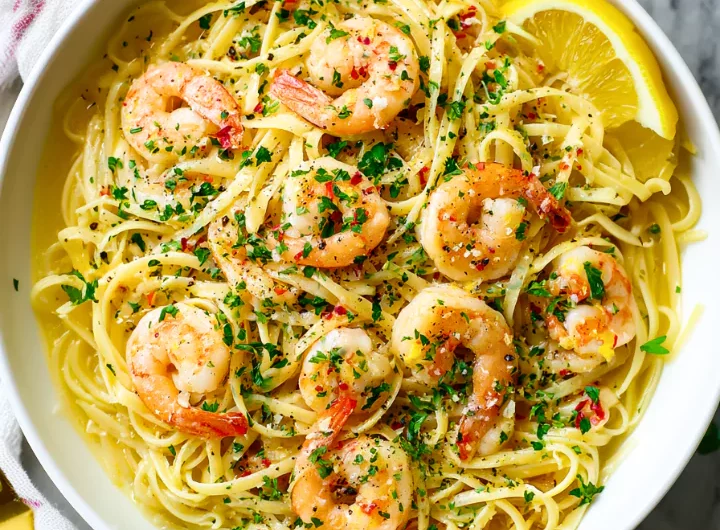
Shrimp scampi pasta combines linguine, tender shrimp, garlic, butter, lemon, and a light broth sauce finished with parsley and Parmesan.
Shrimp Scampi Pasta Recipe
Course: MainCuisine: Italian-AmericanDifficulty: Easy4
servings15
minutes20
minutes35
minutesShrimp scampi pasta combines linguine, tender shrimp, garlic, butter, lemon, and a light broth sauce finished with parsley and Parmesan.
Ingredients
Ingredients
12 oz linguine or spaghetti
1½ lbs large shrimp, peeled and deveined
4 tablespoons butter
3 tablespoons olive oil
6 cloves garlic, minced
½ cup chicken broth (instead of dry white wine)
¼ cup fresh lemon juice
¼ teaspoon red pepper flakes
Salt and black pepper to taste
¼ cup fresh parsley, chopped
Zest of 1 lemon
½ cup grated Parmesan cheese
- Optional:
2 tablespoons capers
Cherry tomatoes, halved
Fresh basil leaves
Directions
- Cook pasta: Bring a large pot of salted water to a boil. Cook the 12 oz linguine or spaghetti according to its package until al dente. Reserve 1 cup of pasta water before draining. Begin the shrimp while the pasta cooks.
- Prepare shrimp: Keep thawed shrimp refrigerated until needed. Pat the 1½ lbs peeled, deveined shrimp dry and season with salt and black pepper. Measure the remaining ingredients before heating the skillet; wash hands and utensils after raw shrimp contact.
- Cook shrimp: Heat 2 tablespoons butter and 1 tablespoon olive oil in a large skillet over medium-high heat. Cook shrimp in two uncrowded batches, turning after about 1-2 minutes and continuing until the thickest shrimp reach 145°F and are firm and opaque. Timing varies with size. Transfer each cooked batch to a clean plate; lower the heat if the butter browns too quickly.
- Make sauce: Reduce the heat to medium-low. Add the remaining 2 tablespoons butter and 2 tablespoons olive oil, then the 6 minced garlic cloves and ¼ teaspoon red pepper flakes. Stir for about 30 seconds, until fragrant without browning.
- Add broth: Pour in the ½ cup chicken broth and ¼ cup lemon juice. Add the optional 2 tablespoons capers and halved cherry tomatoes now if using. Simmer for 2-3 minutes, letting the tomatoes soften slightly and the liquid reduce a little.
- Combine pasta: Add the drained pasta to the skillet and toss it through the sauce over low heat. If the skillet is too full, combine everything in the drained pasta pot instead.
- Return shrimp: Add the cooked shrimp and their plate juices. Fold in the ¼ cup parsley and zest of 1 lemon. Toss briefly, just until the shrimp are warm again; avoid another long simmer.
- Adjust consistency: Add reserved pasta water in small splashes while tossing until the noodles look glossy and lightly coated. You may not need the full cup. Taste before adding more salt or pepper.
- Finish and serve: Remove from the heat and gradually toss in the ½ cup grated Parmesan. Add optional fresh basil leaves now. If the cheese tightens the sauce, loosen it with another small splash of reserved water. Serve immediately.
Notes
- Timing assumes thawed, peeled shrimp: 15 minutes preparation plus about 20 minutes cooking, including two shrimp batches with pasta cooking alongside. Thawing adds time.
- Cook shrimp to 145°F; cook any chicken variation to 165°F. Use a clean plate for cooked seafood and keep raw shrimp refrigerated until needed.
- Optional capers and tomatoes go into the broth; optional basil goes in off the heat. Add Parmesan gradually after removing the skillet from the heat.
- Refrigerate within two hours, or one hour above 90°F, at 40°F or below for up to three days. Reheat leftovers to 165°F.