Round Rock Donut Recipe
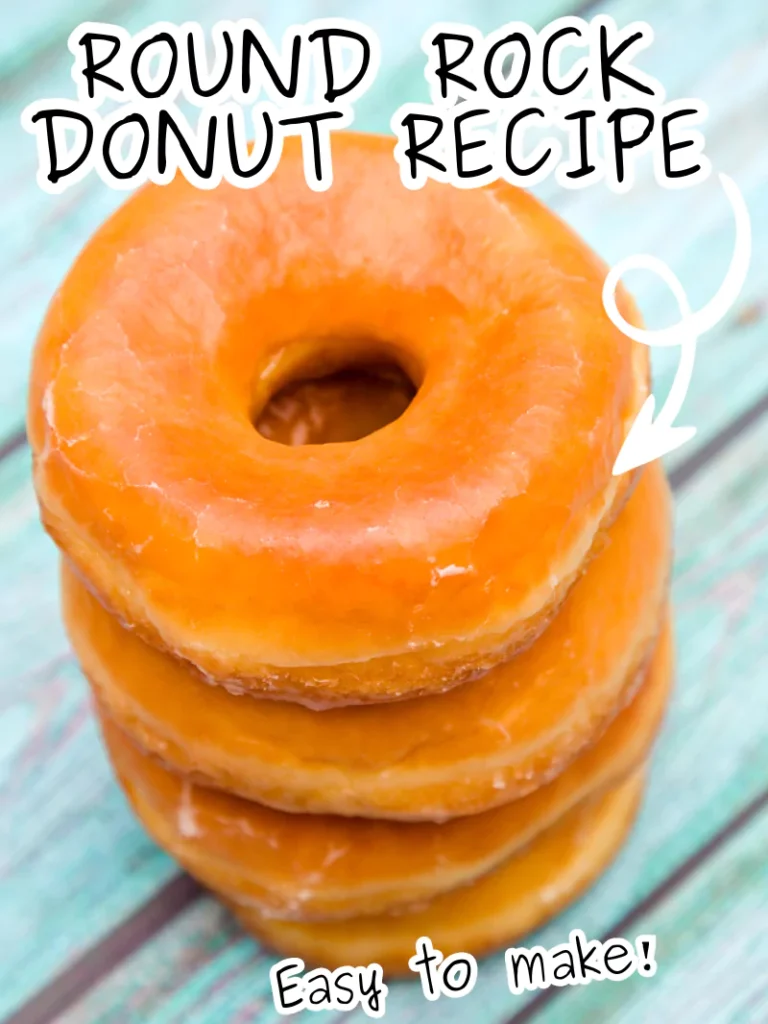
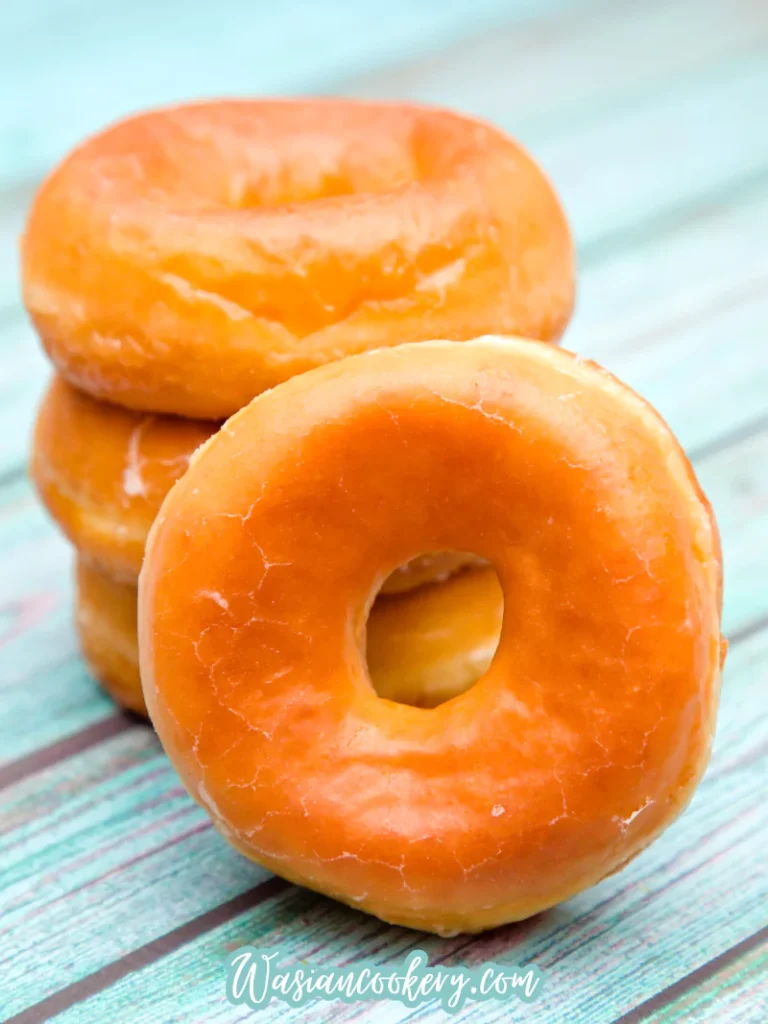
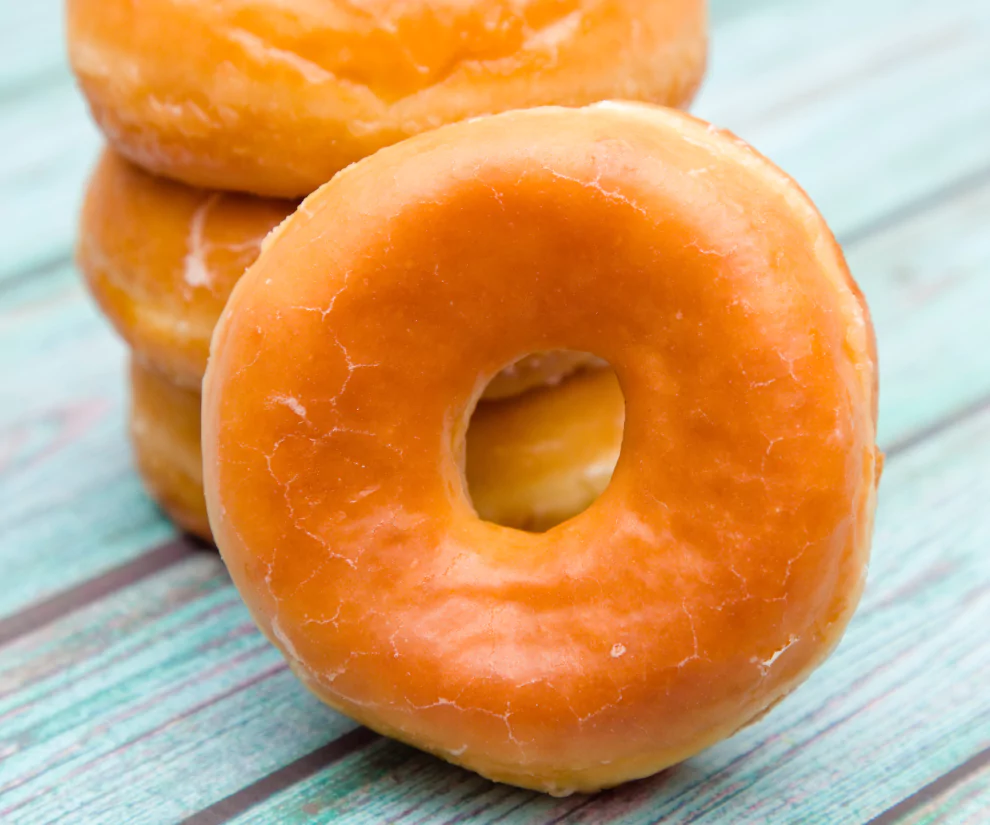
I love how this home-style Round Rock Donut Recipe brings buttermilk, eggs, and vanilla together in a glazed cake donut. The dough is rolled, cut into rings, and fried before getting a simple powdered-sugar glaze.
One important detail: the well-known Round Rock bakery makes a yeast-raised donut. This recipe uses baking powder and baking soda, so it has a different, cake-like texture. It is a homemade interpretation, not the bakery’s official recipe or a promise of an exact match.
There is no yeast rise to wait for here. Instead, focus on gentle mixing, even dough thickness, and steady oil temperature. Those small details help the rings cook through while keeping their golden edges and tender centers.
Understanding This Round Rock Donut Recipe
Cake donuts and yeast donuts rise in different ways. Here, baking powder and baking soda provide the lift, with buttermilk bringing moisture and acidity. Expect a tender, close crumb rather than the stretchy texture of a risen bread dough. The glaze adds a thin, sweet finish without changing that basic character.
Allow about 20 minutes to mix and shape the dough, 20 minutes for heating the oil and batch frying, and 5 minutes for the final glaze to settle. That gives an estimated 45-minute total. Your pot size, cutter size, and number of batches may add time; do not crowd the oil to meet the estimate.
Ingredients for the Donuts and Glaze
- 4 cups all-purpose flour
- 1 cup granulated sugar
- 2 teaspoons baking powder
- 1 teaspoon baking soda
- 1/2 teaspoon salt
- 2 large eggs
- 1 cup buttermilk
- 1/4 cup unsalted butter, melted
- 1 teaspoon vanilla extract
- Oil for frying
- 2 cups powdered sugar
- 1/4 cup milk
- 1 teaspoon vanilla extract
Separate the dough ingredients from the glaze
The first teaspoon of vanilla goes into the dough. The final three ingredients, powdered sugar, milk, and the second teaspoon of vanilla, make the glaze. Set those aside before mixing so the two sugars and two dairy ingredients do not get confused. Buttermilk belongs in the dough; plain milk belongs in the glaze.
Spoon the flour into measuring cups and level it without packing. Use the listed buttermilk rather than replacing it with plain milk, since the dough also contains baking soda. Melt the butter gently and cool it before combining it with the eggs. Fresh baking powder and baking soda matter for an even rise.
Kitchen Equipment You Will Need
As an Amazon Associate I earn from qualifying purchases.
- Clip-on frying thermometer
- Donut cutter
- Round cutters
- Metal slotted spoon
- Rolling pin
- Mixing bowls
- Wire draining racks
- Baking trays
Preparing to Fry
A clip-on frying thermometer helps you monitor the oil between batches, while a donut cutter makes consistent rings. Two round cutters also work. Have a dry metal slotted spoon, a rolling pin, mixing bowls, and two racks over trays ready before you turn on the stove.
How To Make Glazed Cake Donuts
Combine the dry ingredients
In a large bowl, whisk the flour, granulated sugar, baking powder, baking soda, and salt until well combined. Break up any visible leavening lumps and set the bowl aside.
Mix the buttermilk mixture
In another bowl, whisk the eggs, buttermilk, melted butter, and 1 teaspoon vanilla. Let the melted butter cool until warm rather than hot before adding it to the eggs.
Make a soft dough
Pour the wet mixture into the dry ingredients. Stir gently with a spatula until the flour is moistened and a soft dough forms, scraping the bottom and sides of the bowl. Avoid vigorous beating.
Handle the dough gently
Turn the dough onto a lightly floured work surface. Fold it over itself a few times, just until it holds together. Do not knead it like bread dough or work in large amounts of extra flour.
Roll and cut even rings
Roll the dough evenly to about 1/2 inch thick. Cut rings with a donut cutter or two round cutters, dipping the edges lightly in flour as needed. Keep the centers for donut holes. Gather scraps gently and reroll once.
Prepare the frying station
Heat frying oil to 350°F (175°C), checking with a thermometer. Follow an electric fryer’s fill marks. For stovetop frying, use a deep, heavy pot no more than half full of oil and leave at least 2 inches of headroom. Keep all utensils dry.
Fry a test donut, then small batches
Carefully lower one ring into the oil and fry about 1–2 minutes per side, until golden. Cool it briefly and cut it open to check for a set center with no raw dough. Continue in small batches, maintaining 350°F and leaving space for turning. Fry the small centers separately, checking them sooner.
Drain the donuts
Lift the cooked donuts out with a dry metal slotted spoon or spider and drain on a paper towel-lined rack. Allow the oil to return to 350°F between batches. Turn off the heat once frying is finished and leave the oil to cool completely before handling.
Whisk the vanilla glaze
Whisk the powdered sugar, 1/4 cup milk, and remaining 1 teaspoon vanilla in a bowl until smooth. Scrape the bottom to incorporate dry sugar. The glaze should fall from the whisk in a loose ribbon.
Dip while warm
When the donuts are warm but safe to handle, dip them in the glaze. Lift each donut, let the excess drip into the bowl, and place it on a clean rack over a tray. Keep the donuts in one layer.
Let the glaze settle
Let the glazed donuts stand for about 5 minutes, or until the glaze begins to set, then serve. Allow extra setting time if your kitchen is humid or the coating is thick.
Tips for Better Shaping and Frying
Handle scraps as little as possible
Press leftover dough together lightly rather than squeezing it into a tight ball. Each extra round of rolling adds handling and often more flour. Rerolling once keeps the process simple; any tiny final scraps can be fried as small irregular pieces, separately from the full rings.
Keep the center holes open
A defined hole helps the ring cook more evenly. If the hole closes while lifting the dough, gently reopen it before frying. Move the cut donuts with care so they keep their thickness. Stretching one side thin can make that edge brown before the rest of the ring is ready.
Watch the oil, not just the timer
The temperature drops when a batch goes in. Let it recover before adding more dough, and adjust the burner gradually. If the donuts become dark very quickly, check the thermometer and lower the heat as needed. A pale, greasy donut can point to oil that is too cool or a batch that is too crowded.
Keep water and wet utensils away from the pot, and stay at the stove throughout frying. Never pour water into hot oil. Let the oil cool completely before moving or straining it. The dough contains raw flour and eggs, so check a cooked sample rather than tasting the raw mixture.
Getting a Smooth Glaze
If powdered sugar has lumps, sift it before whisking. Stir slowly at first to avoid sending a cloud of sugar across the counter, then whisk until the mixture looks even. Rewhisk between batches if a thin skin begins forming on the surface.
Very hot donuts can shed much of their glaze, while completely cold donuts take a thicker coating. Aim for warm and comfortable to handle. Let each ring drip briefly before putting it on the rack, and leave space underneath for the extra glaze. Avoid stacking until the coating has settled.
Serving Ideas
For another donut flavor, try apple cider donuts. If you are planning a larger breakfast, buttermilk pancakes offer another use for buttermilk, while Dunkin-inspired blueberry muffins can be prepared ahead. Choose one fresh-cooked item so the morning stays manageable.
Storage and Make-Ahead Advice
The donuts have the best texture on the day they are fried. Let them cool completely before storing, since trapped warmth creates condensation. Because this glaze contains milk and its shelf stability has not been established, refrigerate glazed leftovers in a covered container within two hours, or one hour above 90°F, and use within two days for best quality.
For longer storage, freeze cooled, unglazed donuts with parchment between layers. Use within one month for best texture. Thaw them, warm gently, and add freshly mixed glaze near serving time. Freezing before glazing helps prevent a wet or patchy coating as the donuts thaw.
Frequently Asked Questions
Will these taste exactly like the bakery’s donuts?
No exact match is promised. The bakery’s signature donuts use yeast, while this recipe uses baking powder and baking soda. Keep that difference in mind when choosing between a cake-like donut and a yeast-raised one.
Can I leave out the center hole?
A solid round cooks differently from a ring and may brown before its middle sets. Follow the ring shape for this method. Small donut holes are fine, but cook them separately and check earlier because their size changes the timing.
Round Rock Donut Recipe
Course: DessertCuisine: AmericanDifficulty: Easy12
large donuts20
minutes20
minutes45
minutesHome-style buttermilk cake donuts with a vanilla glaze. This baking-powder version is a homemade interpretation, not Round Rock Donuts’ official yeast-raised recipe.
Ingredients
4 cups all-purpose flour
1 cup granulated sugar
2 teaspoons baking powder
1 teaspoon baking soda
1/2 teaspoon salt
2 large eggs
1 cup buttermilk
1/4 cup unsalted butter, melted
1 teaspoon vanilla extract
Oil for frying
2 cups powdered sugar
1/4 cup milk
1 teaspoon vanilla extract
Directions
- In a large bowl, whisk the flour, granulated sugar, baking powder, baking soda, and salt until well combined. Break up any visible leavening lumps and set the bowl aside.
- In another bowl, whisk the eggs, buttermilk, melted butter, and 1 teaspoon vanilla. Let the melted butter cool until warm rather than hot before adding it to the eggs.
- Pour the wet mixture into the dry ingredients. Stir gently with a spatula until the flour is moistened and a soft dough forms, scraping the bottom and sides of the bowl. Avoid vigorous beating.
- Turn the dough onto a lightly floured work surface. Fold it over itself a few times, just until it holds together. Do not knead it like bread dough or work in large amounts of extra flour.
- Roll the dough evenly to about 1/2 inch thick. Cut rings with a donut cutter or two round cutters, dipping the edges lightly in flour as needed. Keep the centers for donut holes. Gather scraps gently and reroll once.
- Heat frying oil to 350°F (175°C), checking with a thermometer. Follow an electric fryer’s fill marks. For stovetop frying, use a deep, heavy pot no more than half full of oil and leave at least 2 inches of headroom. Keep all utensils dry.
- Carefully lower one ring into the oil and fry about 1–2 minutes per side, until golden. Cool it briefly and cut it open to check for a set center with no raw dough. Continue in small batches, maintaining 350°F and leaving space for turning. Fry the small centers separately, checking them sooner.
- Lift the cooked donuts out with a dry metal slotted spoon or spider and drain on a paper towel-lined rack. Allow the oil to return to 350°F between batches. Turn off the heat once frying is finished and leave the oil to cool completely before handling.
- Whisk the powdered sugar, 1/4 cup milk, and remaining 1 teaspoon vanilla in a bowl until smooth. Scrape the bottom to incorporate dry sugar. The glaze should fall from the whisk in a loose ribbon.
- When the donuts are warm but safe to handle, dip them in the glaze. Lift each donut, let the excess drip into the bowl, and place it on a clean rack over a tray. Keep the donuts in one layer.
- Let the glazed donuts stand for about 5 minutes, or until the glaze begins to set, then serve. Allow extra setting time if your kitchen is humid or the coating is thick.