Mrs Dunster’s Donut Recipe
I love the golden outside and soft center of the simple, spoon-dropped cake donuts in this Mrs. Dunster’s Donut Recipe. Milk, eggs, butter, and vanilla give the dough a familiar bakery-style flavor, with optional cinnamon sugar for the finish.
The recipe is a home-style interpretation inspired by the Canadian bakery. It does not reproduce a verified company formula. Because the dough uses baking powder, there is no yeast to activate and no long rising time to plan around.
The most important part is steady frying. Set out your tools before heating the oil, start with one test donut, and keep the pieces a similar size. A little patience at the stove makes the rest of the batch easier to manage.
What To Expect from These Cake Donuts
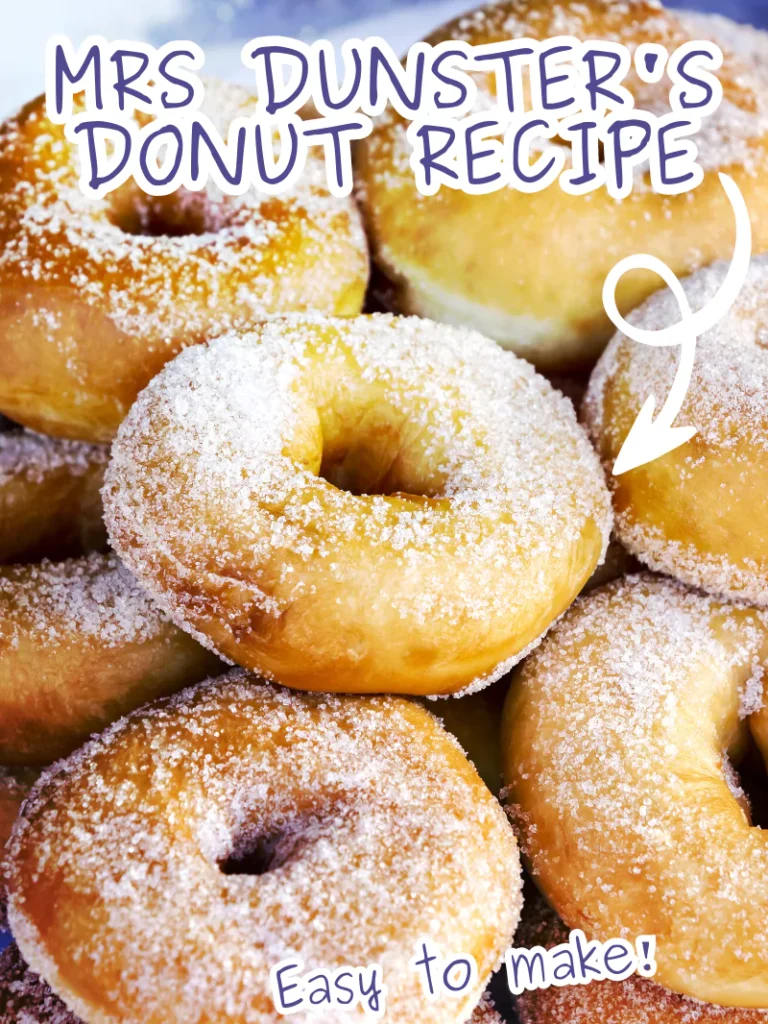
These donuts have a closer, cake-like crumb than yeast-raised donuts. They puff as they fry, but they should not be expected to develop the stretchy, airy texture of a bread dough. Their spoon-dropped shape is intentionally rustic: small ridges and uneven edges are normal.
Plan on about 15 minutes of preparation, roughly 20 minutes for heating the oil and frying in batches, and 5 minutes of cooling before serving. The 40-minute total is a working estimate. A smaller pot or larger spoonfuls can extend the cooking time, so use the color and center checks rather than rushing to finish.
Ingredients for Mrs. Dunster’s Donuts
- 2 1/4 cups all-purpose flour
- 1/2 cup granulated sugar
- 1 tablespoon baking powder
- 1/2 teaspoon salt
- 1/2 cup milk
- 2 large eggs
- 1/4 cup unsalted butter, melted
- 1 teaspoon vanilla extract
- Vegetable oil, for frying
- Cinnamon sugar (optional, for coating)
A few ingredient notes
Measure the flour by spooning it into the cup and leveling the top. Packing flour into the cup can make this already thick dough harder to scoop. Use fresh baking powder and plain milk as listed. Melt the butter gently, then let it lose its heat before mixing the wet ingredients.
Vegetable oil is for frying, not for mixing into the dough. The amount depends on the size and depth of your pot. Choose a neutral frying oil and respect the pot’s headroom or the appliance’s fill limits. Cinnamon sugar is an optional coating; the plain donuts are sweetened by the sugar in the dough.
Kitchen Equipment You Will Need
As an Amazon Associate I earn from qualifying purchases.
- Clip-on frying thermometer
- Metal spider strainer
- Mixing bowls
- Spoons
- Deep frying pot
- Wire draining rack
- Baking tray
Preparing to Fry
A clip-on frying thermometer helps you follow the oil temperature throughout each batch, and a metal spider strainer makes it easier to lift delicate donuts without scooping up much oil. You will also need two bowls, dry spoons, a sturdy pot, and a rack over a tray.
How To Make Mrs. Dunster’s Donuts
Mix the dry ingredients
Whisk the flour, sugar, baking powder, and salt in a large bowl until evenly mixed. Break up any visible lumps of baking powder so the dough rises evenly.
Combine the milk and eggs
In a second bowl, whisk the milk, eggs, melted butter, and vanilla until combined. Let the melted butter cool until warm rather than hot before adding it to the eggs.
Bring the dough together
Add the wet mixture to the dry ingredients. Stir gently with a spatula until no dry flour remains, scraping the bottom of the bowl. Stop mixing once a thick, soft dough forms; do not beat it smooth.
Set up the frying oil
Heat vegetable oil to 350°F (175°C), checking with a frying thermometer. Follow an electric fryer’s fill marks. For a stovetop pot, use a deep, heavy pot no more than half full of oil, with at least 2 inches of headroom. Keep utensils dry and never leave the hot oil unattended.
Start with a test piece
Using two dry spoons, carefully lower one small, rounded spoonful of dough close to the oil surface. Use this as a test donut before adding a few similarly sized pieces. Leave plenty of space for expansion and turning.
Cook and check the center
Fry for about 2–3 minutes per side, turning carefully, until evenly golden. Timing varies with size. Let the test donut cool briefly, then cut it open: the center should be set, with no wet dough. If the outside darkens before the center cooks, make smaller pieces and confirm the oil is near 350°F before continuing.
Drain and repeat
Lift the cooked donuts out with a dry metal slotted spoon or spider and drain on a paper towel-lined rack. Let the oil return to 350°F between small batches; repeat until the dough is used.
Add the optional coating
If using cinnamon sugar, roll the donuts in it while they are warm enough for the coating to stick but cool enough to handle safely. Leave them in a single layer so steam can escape.
Cool briefly and serve
Let the donuts cool for about 5 minutes before serving warm. Turn off the heat when frying is finished, and leave the pot undisturbed until the oil is completely cool.
Tips for a Tender Center and Golden Crust
Mix gently and keep the pieces even
Once flour meets the wet ingredients, extra stirring can make the donuts tougher. Scrape the bowl and fold just enough to remove dry pockets. A few small lumps are preferable to a heavily beaten dough. If one spoonful is much larger than the others, it may remain doughy after its neighbors are cooked.
Keep the test piece close in size to the rest of your batch. Checking a tiny scrap cannot tell you whether a much larger donut has cooked through. Do not taste raw dough: it contains raw flour and eggs. Cut the fried sample only after it has cooled enough to handle.
Give the oil time to recover
Adding dough lowers the oil temperature. Wait for it to return to the target before loading the next batch. Turn the burner up or down in small steps, since oil does not respond instantly. If it begins to smoke, turn off the heat and let it cool before continuing. Never add water to hot oil.
Avoid a crowded draining plate
Stacking hot donuts traps steam and softens their crust. Keep them in one layer on the rack, and move the first cooled batch to a serving plate before you run out of space. If the paper towels become saturated, replace them carefully away from the hot pot.
Serving Ideas and Other Breakfast Treats
Serve these donuts warm with coffee, tea, or a glass of milk. Put optional cinnamon sugar in a shallow bowl before you start frying so you can coat each batch without leaving the stove to find supplies. Plain donuts work well for anyone who prefers a lighter coating.
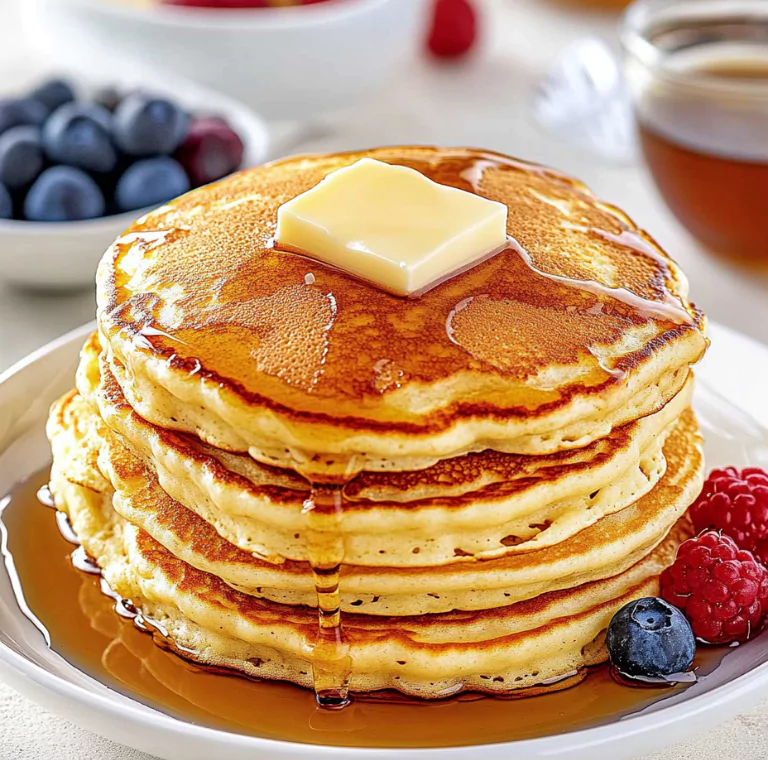
For another spiced option, try apple cider donuts. A breakfast spread can also include buttermilk pancakes or Dunkin-inspired blueberry muffins. Make the muffins ahead if you want an easy companion while you give the frying pot your full attention.
Storage and Make-Ahead Tips
These plain, unfilled donuts are best on the day they are made. Let them cool completely before placing them in a covered container. For the best texture, keep them at room temperature for up to one day in a cool kitchen; sealing them while hot traps moisture and makes the outside sticky.
For longer storage, freeze cooled donuts without the cinnamon sugar in a freezer-safe container, separating layers with parchment. Use within two weeks for best quality. Thaw and warm gently before adding the coating. Freeze only after the donuts have cooled, and label the container so the oldest batch gets used first.
For preparation ahead, measure the dry ingredients into one covered bowl and refrigerate the wet ingredients separately. Combine them shortly before frying. Leaving the finished dough overnight can change the lift and texture, so it is better to save time with measuring than to store a fully mixed batch.
Frequently Asked Questions
Why are my donuts brown outside but doughy inside?
The spoonfuls may be too large, or the oil may be hotter than the thermometer suggests. Check that the probe is in the oil without touching the bottom of the pot. Reduce the piece size and fry another test donut before continuing.
Can I bake or air-fry this dough?
This method is written for deep frying. A cake-donut dough designed for hot oil does not necessarily bake or air-fry with the same texture, so there is no reliable conversion time here. Choose a recipe developed for your preferred appliance instead.
Do I need to cut out rings?
No. This is a spoon-dropped version, so a donut cutter is unnecessary. Use small, similar spoonfuls and let the dough take its own shape in the oil. The number of finished pieces will depend on how generously you scoop.
Mrs Dunster’s Donut Recipe
Course: DessertCuisine: CanadianDifficulty: Easy12
donuts15
minutes20
minutes40
minutesHome-style spoon-dropped cake donuts inspired by Mrs. Dunster’s, made with milk, eggs, butter, and vanilla, with optional cinnamon sugar. This is not an official bakery recipe.
Ingredients
2 1/4 cups all-purpose flour
1/2 cup granulated sugar
1 tablespoon baking powder
1/2 teaspoon salt
1/2 cup milk
2 large eggs
1/4 cup unsalted butter, melted
1 teaspoon vanilla extract
Vegetable oil, for frying
Cinnamon sugar (optional, for coating)
Directions
- Whisk the flour, sugar, baking powder, and salt in a large bowl until evenly mixed. Break up any visible lumps of baking powder so the dough rises evenly.
- In a second bowl, whisk the milk, eggs, melted butter, and vanilla until combined. Let the melted butter cool until warm rather than hot before adding it to the eggs.
- Add the wet mixture to the dry ingredients. Stir gently with a spatula until no dry flour remains, scraping the bottom of the bowl. Stop mixing once a thick, soft dough forms; do not beat it smooth.
- Heat vegetable oil to 350°F (175°C), checking with a frying thermometer. Follow an electric fryer’s fill marks. For a stovetop pot, use a deep, heavy pot no more than half full of oil, with at least 2 inches of headroom. Keep utensils dry and never leave the hot oil unattended.
- Using two dry spoons, carefully lower one small, rounded spoonful of dough close to the oil surface. Use this as a test donut before adding a few similarly sized pieces. Leave plenty of space for expansion and turning.
- Fry for about 2–3 minutes per side, turning carefully, until evenly golden. Timing varies with size. Let the test donut cool briefly, then cut it open: the center should be set, with no wet dough. If the outside darkens before the center cooks, make smaller pieces and confirm the oil is near 350°F before continuing.
- Lift the cooked donuts out with a dry metal slotted spoon or spider and drain on a paper towel-lined rack. Let the oil return to 350°F between small batches; repeat until the dough is used.
- If using cinnamon sugar, roll the donuts in it while they are warm enough for the coating to stick but cool enough to handle safely. Leave them in a single layer so steam can escape.
- Let the donuts cool for about 5 minutes before serving warm. Turn off the heat when frying is finished, and leave the pot undisturbed until the oil is completely cool.