Penn Station Cookie Recipe
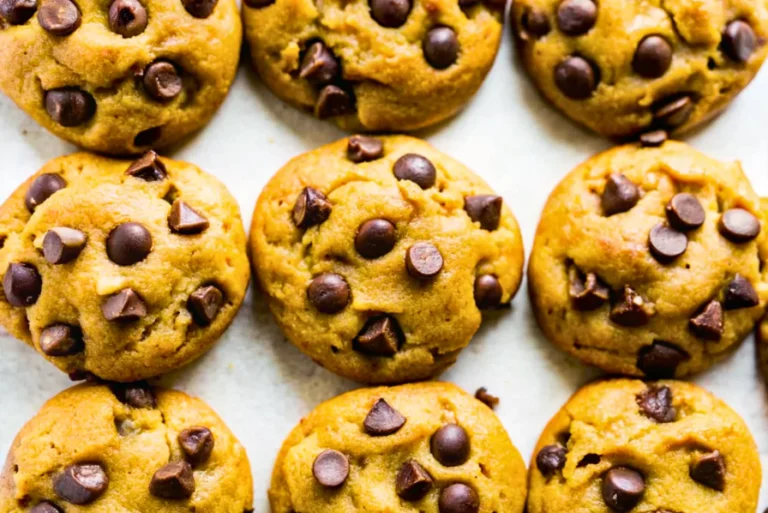
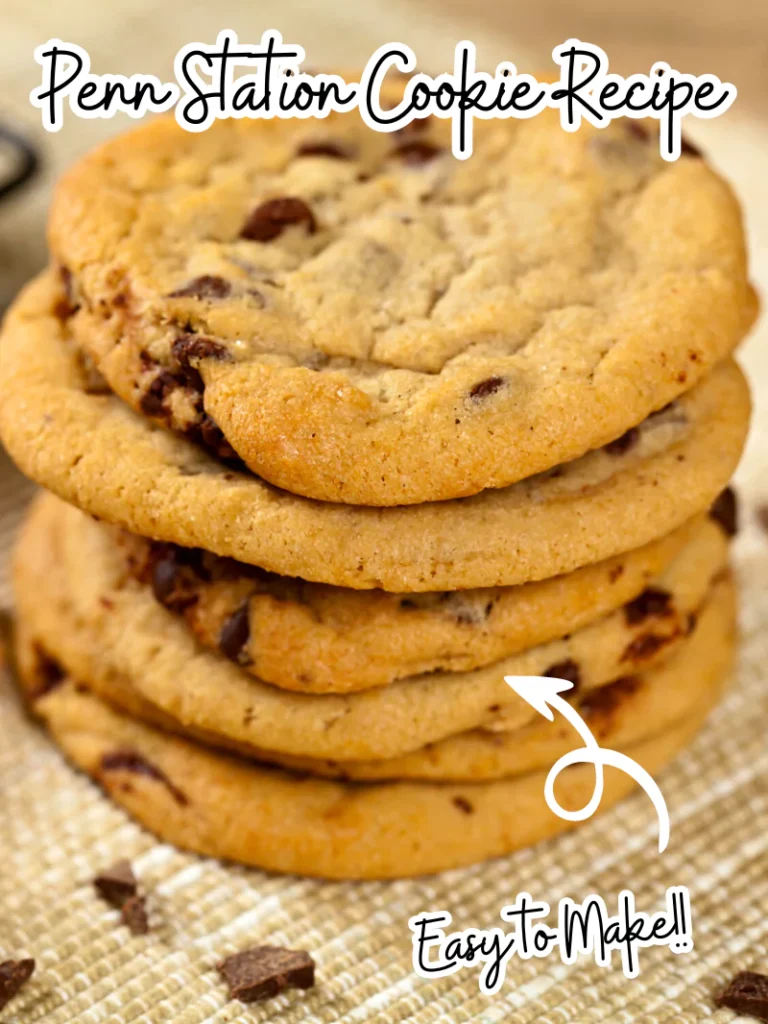
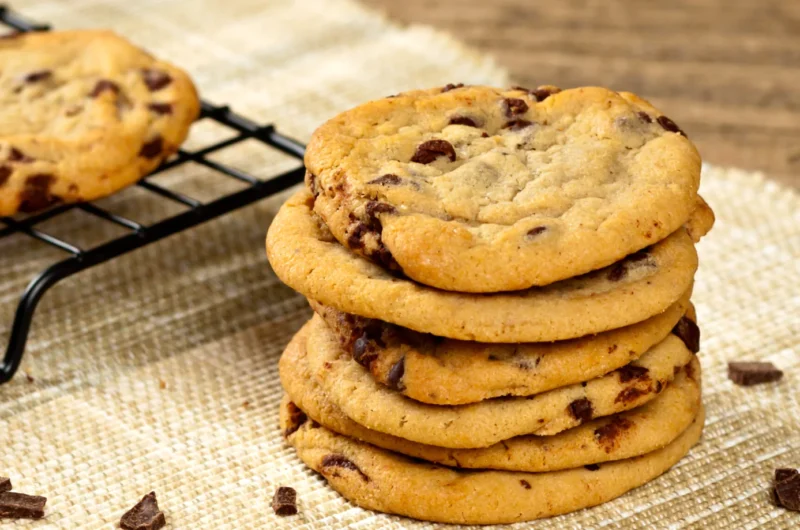
My favorite part of a chocolate chunk cookie is the contrast between a golden edge and a soft middle filled with chocolate. These Penn Station-inspired cookies bring that familiar sandwich-shop dessert idea into a home kitchen with butter, two kinds of sugar, and plenty of semi-sweet chocolate.
This is a homemade interpretation, not an official restaurant formula or a promise of an exact match. The original ingredient amounts make a substantial bowl of dough. Divide it into 24 equal, large portions to match the recipe yield, rather than using small tablespoon scoops.
Allow about 2 hours 20 minutes from mixing to cooled cookies: 20 minutes of preparation, 30 minutes of chilling, up to 60 minutes for three baking batches, and 30 minutes for the last batch to cool. Start with softened butter; extra butter-softening time is not included.
Why These Cookies Are Great
- The combination of granulated and brown sugar gives the dough a familiar buttery sweetness with a little caramel flavor.
- Semi-sweet chocolate keeps the cookies chocolatey without making every bite taste only of sugar.
- The base uses ordinary baking ingredients, so there is no specialty mix or complicated filling to prepare.
- Equal portions help the cookies finish together instead of leaving some pale while others turn too dark.
- A short refrigerator rest makes the soft dough easier to handle and helps limit spreading.
- The cooled cookies can be packed for a shared dessert, kept for a few days, or frozen for another occasion.
What Is the Best Chocolate for Penn Station Cookies?
Semi-sweet chunks give larger pockets of chocolate, while chips distribute more evenly and tend to keep their shape. Either choice works with the original two-cup amount. Choose chocolate you enjoy eating on its own, since its flavor is easy to notice in this simple butter dough.
If chopping a baking bar, make the pieces roughly similar in size and avoid turning most of it into fine shavings. Very fine chocolate melts into the dough, changing the look of the cookie. Oversized pieces make portioning awkward and can leave one cookie with far more chocolate than another.
Ingredients
- 1 cup unsalted butter, softened
- 1 cup granulated sugar
- 1 cup packed brown sugar
- 2 large eggs
- 1 teaspoon vanilla extract
- 3 cups all-purpose flour
- 1 teaspoon baking soda
- 1/2 teaspoon baking powder
- 1/2 teaspoon salt
- 2 cups semi-sweet chocolate chunks or chocolate chips
Use all-purpose flour, not self-rising flour. Spoon it into the measuring cup and level the top without packing it down. Pack the brown sugar as listed. The softened butter should bend and take a gentle finger mark while still holding its shape; melted or oily butter makes the dough behave differently.
Kitchen Equipment You Will Need
As an Amazon Associate I earn from qualifying purchases.
- Mixing bowls
- Electric hand mixer
- Measuring cups
- Measuring spoons
- Whisk
- Flexible spatula
- Cookie scoop
- Kitchen scale
- Baking sheets
- Parchment paper
- Wire cooling racks
- Thin cookie turner
- Airtight storage containers
How To Make Penn Station-Inspired Cookies
- Line two large baking sheets with parchment paper. You will bake one sheet at a time in the center of the oven. Preheat to 350°F (175°C) near the end of the dough chilling time, allowing the oven to heat fully before baking.
- In a large bowl, cream the softened butter, granulated sugar, and packed brown sugar with a mixer for about 2 to 3 minutes, until lighter and fluffy. Scrape the bottom and sides so no dense butter pockets remain.
- Beat in the eggs one at a time, mixing each one in before adding the next. Beat in the vanilla extract and scrape the bowl again.
- In a separate bowl, whisk together the all-purpose flour, baking soda, baking powder, and salt until the leaveners are evenly distributed.
- Gradually add the dry ingredients to the butter mixture on low speed. Stop when the flour is incorporated, finishing with a spatula if needed. Avoid continued beating after the dough comes together.
- Fold in the semi-sweet chocolate chunks or chips. Cover the dough and refrigerate for 30 minutes. Do not taste raw dough; both raw flour and eggs need cooking.
- Divide all the dough into 24 equal large portions. For precision, weigh the dough and divide that weight by 24. A scoop can help shape the portions, but count and even them out. Arrange eight portions per large sheet, spaced about 3 inches apart. Refrigerate the unbaked portions while each batch cooks.
- Bake one sheet at a time at 350°F for about 16 to 20 minutes per batch, checking from 14 minutes. The edges should be golden and set, and the centers should look set rather than shiny or wet. Rotate the sheet if your oven browns unevenly. Bake all three batches, allowing up to 60 minutes of oven time altogether.
- Let each batch rest on its baking sheet for 15 minutes, then carefully move the cookies to a wire rack for about 15 minutes more, until fully cool. Use the second sheet for the next batch and let used sheets cool before adding more dough.
- Serve once cooled enough to hold their shape. Allow about 2 hours 20 minutes for preparation, chilling, three baking batches, and final cooling. Exact baking and cooling time can vary with the oven, dough temperature, and cookie thickness.
Notes
- Make sure the butter is properly softened before starting. A greasy puddle is a sign it is too warm, even if it is easy to stir.
- Room-temperature eggs blend more easily, but there is no need to leave them on the counter for hours. Keep raw dough refrigerated between batches.
- Measure flour gently. Packing the cup or scooping straight from a compressed bag can add enough flour to make the cookies dense and dry.
- Mix the dough until the dry ingredients are just combined. Extra mixing at this stage can make the finished texture tougher.
- Use cool baking sheets. Dough placed on a hot pan begins melting before it reaches the oven and may spread more than the first batch.
- Watch the edges and centers together. Brown edges with a wet, glossy middle mean a large cookie may need more time; color alone is not the whole check.
- A cookie that seems delicate straight from the oven can become sturdy during its pan rest. Move it gently with a thin turner instead of pulling it off the paper.
Ingredients You Can Add
Try optional mix-ins in a later batch, keeping changes modest. Replace a small portion of the chocolate with bulky additions instead of piling them all into the same dough.
- Chopped walnuts bring a toasted, slightly bitter flavor that pairs with semi-sweet chocolate.
- Chopped pecans add a softer crunch and a buttery flavor. Check for nut allergies before sharing.
- Dried cranberries add a tart bite; separate sticky clumps before folding them in.
- White chocolate chips give sweeter pockets, so use them for only part of the chocolate.
- A little finely grated orange zest adds fragrance without pouring extra liquid into the dough.
- A pinch of cinnamon gives warmth while keeping the chocolate as the main flavor.
What To Serve with Penn Station Cookies
I like to enjoy chocolate chunk cookies with a cold glass of milk. A hot cup of coffee or tea is another simple pairing, especially when the cookie has cooled and the edges have settled.
For a dessert plate, add fresh strawberries or raspberries and a small scoop of vanilla ice cream. Let the cookies cool first so they support the ice cream without falling apart or melting it immediately.
For a cookie platter with contrasting textures, include Bordeaux Cookies. Keep strongly flavored or crisp cookies in separate storage containers until serving so their textures and aromas stay distinct.
Variations and Swaps
- All chips: use semi-sweet chips instead of chunks in the same two-cup quantity for smaller, more evenly spaced chocolate bites.
- Mixed chocolate: combine chunks and chips while keeping their combined amount at two cups.
- Darker chocolate: replace some semi-sweet chocolate with bittersweet pieces for a less sweet-tasting chocolate portion.
- Dark brown sugar: use it in the original packed brown-sugar amount for a more noticeable molasses flavor.
- Lighter brown sugar: use light brown sugar when you want a gentler flavor behind the butter and chocolate.
- Smaller cookies: make more portions and begin checking sooner. The original 24-cookie yield and large-cookie timing will no longer apply.
- Simple cookie alternative: try Chocolate Chip Cookies when you want to follow a separate version from start to finish.
- Gluten-free option: use a recipe written for that need, such as Oatmeal Peanut Butter Cookies, and check all ingredient labels. Do not assume this wheat-flour dough becomes equivalent with a casual flour swap.
Storage
Allow the cookies to cool completely before putting them in an airtight container. Trapped warmth creates condensation and can soften the edges more than you want. Store at room temperature in a cool, dry spot for about 3 to 5 days for best quality, separating layers with parchment if needed.
For longer keeping, freeze the cooled cookies in a well-sealed freezer container, with parchment between layers, for up to two months for best quality. Thaw the number you need at room temperature. Keep any unbaked dough covered at 40°F or below and bake within two days; extend the chilling time in your plan if preparing ahead.
FAQ
Are these the exact restaurant cookies?
No. They are a home interpretation inspired by a chocolate chunk cookie served with a sandwich-shop meal. Restaurant ingredients, equipment, and portion sizes may differ.
Why are the portions larger than a tablespoon?
This is a full bowl of dough with three cups of flour and two cups of chocolate. Dividing it into 24 equal portions makes large cookies. Small tablespoon portions would produce a different yield and require a shorter bake.
Why did my cookies spread too much?
The butter or dough may have been too warm, or the baking sheet may still have been hot. Chill the remaining dough, cool the sheet, and check your flour measuring method before changing ingredient amounts.
Why did my cookies stay tall and dry?
Too much flour or baking too long can make them dry. Spoon and level the flour, portion evenly, and check the first batch early rather than waiting for the entire cookie to turn dark.
Can I double the recipe?
Yes, if the bowl and mixer can comfortably hold it. Mixing two separate batches is often easier. Allow additional oven time because the sheets still need space and the cookies must bake evenly.
Can I eat the dough before baking?
No. Raw flour and eggs can carry harmful germs. Keep dough away from ready-to-eat foods, wash your hands and work surfaces after handling it, and wait until the cookies are baked.
Short Description
These Penn Station-inspired chocolate chunk cookies use a buttery dough, a short chill, and 24 generous portions. Bake in batches until the edges are golden and the centers are set, then cool before serving.
Penn Station Cookie Recipe
Course: DessertCuisine: AmericanDifficulty: Easy24
cookies20
minutes1
hour2
hours20
minutesA home-inspired chocolate chunk cookie recipe, not an official Penn Station formula. Divide the dough into 24 equal large portions. Allow 20 minutes prep, 30 minutes chilling, up to 60 minutes for three baking batches, and 30 minutes final cooling.
Ingredients
1 cup unsalted butter, softened
1 cup granulated sugar
1 cup packed brown sugar
2 large eggs
1 teaspoon vanilla extract
3 cups all-purpose flour
1 teaspoon baking soda
1/2 teaspoon baking powder
1/2 teaspoon salt
2 cups semi-sweet chocolate chunks or chocolate chips
Directions
- Line two large baking sheets with parchment paper. You will bake one sheet at a time in the center of the oven. Preheat to 350°F (175°C) near the end of the dough chilling time, allowing the oven to heat fully before baking.
- In a large bowl, cream the softened butter, granulated sugar, and packed brown sugar with a mixer for about 2 to 3 minutes, until lighter and fluffy. Scrape the bottom and sides so no dense butter pockets remain.
- Beat in the eggs one at a time, mixing each one in before adding the next. Beat in the vanilla extract and scrape the bowl again.
- In a separate bowl, whisk together the all-purpose flour, baking soda, baking powder, and salt until the leaveners are evenly distributed.
- Gradually add the dry ingredients to the butter mixture on low speed. Stop when the flour is incorporated, finishing with a spatula if needed. Avoid continued beating after the dough comes together.
- Fold in the semi-sweet chocolate chunks or chips. Cover the dough and refrigerate for 30 minutes. Do not taste raw dough; both raw flour and eggs need cooking.
- Divide all the dough into 24 equal large portions. For precision, weigh the dough and divide that weight by 24. A scoop can help shape the portions, but count and even them out. Arrange eight portions per large sheet, spaced about 3 inches apart. Refrigerate the unbaked portions while each batch cooks.
- Bake one sheet at a time at 350°F for about 16 to 20 minutes per batch, checking from 14 minutes. The edges should be golden and set, and the centers should look set rather than shiny or wet. Rotate the sheet if your oven browns unevenly. Bake all three batches, allowing up to 60 minutes of oven time altogether.
- Let each batch rest on its baking sheet for 15 minutes, then carefully move the cookies to a wire rack for about 15 minutes more, until fully cool. Use the second sheet for the next batch and let used sheets cool before adding more dough.
- Serve once cooled enough to hold their shape. Allow about 2 hours 20 minutes for preparation, chilling, three baking batches, and final cooling. Exact baking and cooling time can vary with the oven, dough temperature, and cookie thickness.