Cherry Tomato Pasta Recipe
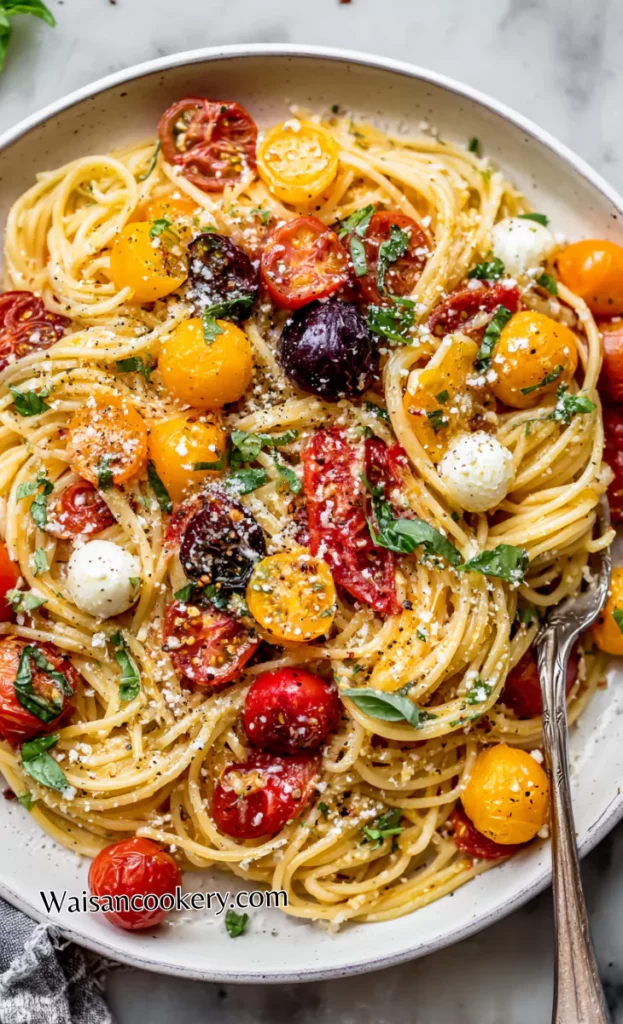
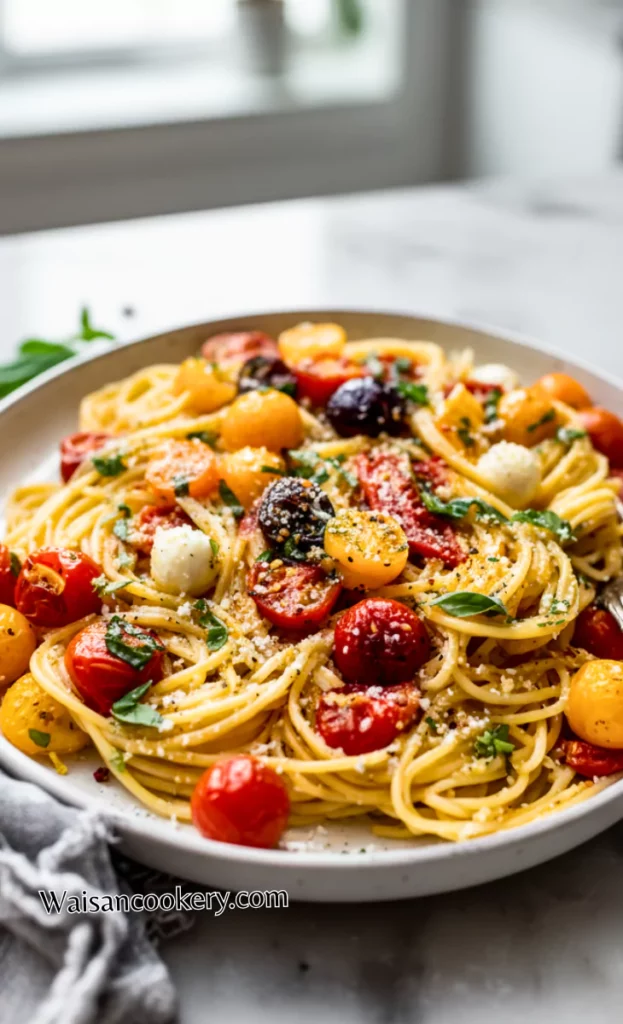
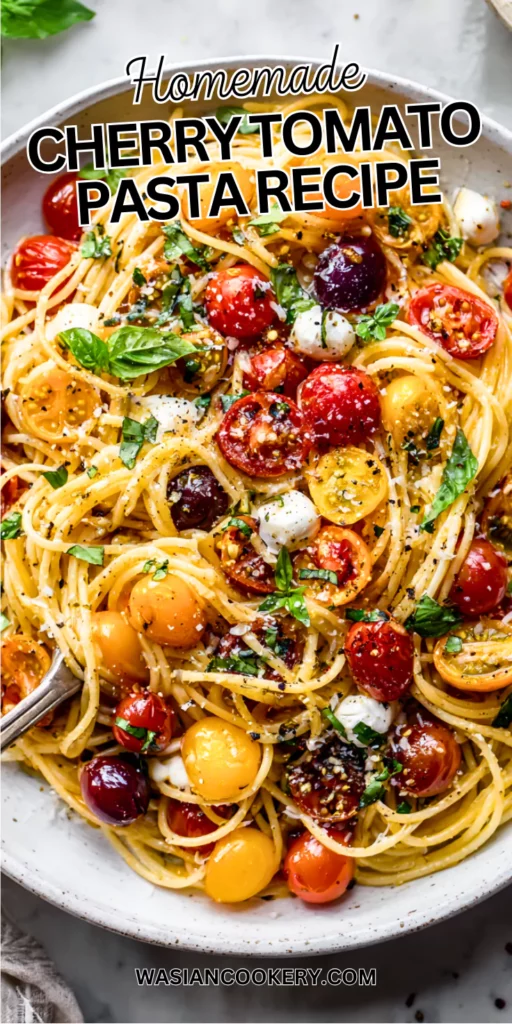
I make this cherry tomato pasta in summer, when tomatoes are plentiful in gardens and at the farmers’ market. I like using a mixture of colors and basil from my windowsill. As the tomatoes soften in olive oil, their juices become a simple sauce for a bowl of warm pasta.
The sauce has garlic, a little red pepper, and Parmesan, with optional butter for a softer finish. Some tomatoes stay whole while others burst, so every forkful has a slightly different texture. It is a useful dinner when you want fresh flavor without a long simmer. My kids pick out the whole tomatoes first, then enjoy twirling the saucy pasta.
Reserve pasta water before draining and keep it beside the stove. A little of that starchy water helps the tomato juices and oil coat the noodles. Have the basil torn and cheese grated before the pasta finishes, because the final tossing goes quickly.
Why This Dish Is Great
- Whole cherry tomatoes need very little preparation, and their skins soften as the sauce cooks.
- The pasta and sauce cook at the same time, keeping the meal practical for a weeknight.
- Garlic and basil support the tomato flavor without needing a long list of seasonings.
- The sauce works with long noodles or short shapes, so you can use the pasta already in the cupboard.
- Butter and mozzarella are optional, allowing a lighter tomato finish or a creamier bowl from the same base.
Choosing Cherry Tomatoes
Look for ripe tomatoes that feel firm but give slightly when pressed. Avoid mold, leaking skins, or unpleasant smells. Red, yellow, and orange tomatoes make an attractive mixture, but a single color works just as well. Wash and dry them before adding them to hot oil to reduce splattering.
Grape tomatoes are a useful alternative, although their thicker skins may take longer to soften. If the tomatoes are very firm, halve some before cooking. Let their juices reduce in the skillet rather than adding sugar automatically; the final sauce should taste pleasantly sweet and tangy.
Ingredients
- 12 oz pasta (spaghetti, linguine, or penne)
- 2 pints cherry tomatoes (mixed colors if available)
- 4 cloves garlic, minced
- 1/3 cup olive oil
- 1/2 teaspoon red pepper flakes
- 1 teaspoon salt
- 1/2 teaspoon black pepper
- 1/2 cup fresh basil leaves, torn
- 1/2 cup freshly grated Parmesan cheese
- 1/4 cup pasta water (reserved)
- 2 tablespoons butter (optional)
- Fresh mozzarella balls (optional)
Use the measured 1 teaspoon salt for the tomato sauce; any salt for the pasta cooking water is separate and optional. Divide the Parmesan into two equal portions for finishing and serving. Reserve 1 cup cooking water, use the listed 1/4 cup in the sauce, and keep the rest only for adjustments.
Kitchen Equipment You Will Need
As an Amazon Associate I earn from qualifying purchases.
- Large cooking pot
- Large skillet
- Colander
- Wooden spoon
- Tongs
- Measuring cups
- Measuring spoons
- Chef knife
- Cutting board
- Cheese grater
- Rimmed baking sheet
- Broiler-safe metal baking dish
- Oven mitts
- Instant-read thermometer
How To Make Cherry Tomato Pasta
Allow about 10 minutes of preparation and 25 minutes of cooking, or 35 minutes total, with the pasta and sauce cooking together. Start heating the pasta water while washing tomatoes and preparing garlic. A slow-boiling pot or particularly firm tomatoes may add a few minutes. The recipe makes four servings.
Step 1:
Bring a large pot of water to a boil, salting the water lightly if desired. Cook the 12 oz pasta according to its package until just al dente. Before draining, reserve 1 cup of the cooking water; set aside 1/4 cup of it for the sauce.
Step 2:
While the pasta cooks, heat the 1/3 cup olive oil in a large skillet over medium heat. Add the 4 minced garlic cloves and 1/2 teaspoon red pepper flakes. Stir for about 1 minute, until fragrant but not browned.
Step 3:
Add the 2 pints washed, dried cherry tomatoes carefully. Stir in the measured 1 teaspoon salt and 1/2 teaspoon black pepper. Cook for 8–10 minutes, stirring occasionally, until the skins wrinkle and the tomatoes begin to soften.
Step 4:
Press some softened tomatoes gently against the pan with the back of a wooden spoon to release their juices. Leave several whole for texture. Stand back from the skillet because the hot juices can splash.
Step 5:
Simmer for another 3–4 minutes, or until the juices look slightly thicker and the tomatoes are tender. If a large pool of thin liquid remains, cook a little longer before adding the pasta.
Step 6:
Add the drained pasta to the skillet. Toss over medium-low heat so the noodles pick up the tomato juices. Use tongs for long pasta or a broad spoon for short shapes without crushing every tomato.
Step 7:
Add the measured 1/4 cup reserved pasta water gradually while tossing for 1–2 minutes. Let it blend with the juices and oil. If the pasta still looks dry, add more from the reserved cup a spoonful at a time.
Step 8:
Remove the skillet from the heat. Add the optional 2 tablespoons butter, all 1/2 cup torn basil, and half the 1/2 cup Parmesan. Toss gently until the butter melts and the cheese is distributed through the sauce.
Step 9:
Divide into four bowls and top with the remaining Parmesan. Add the optional fresh mozzarella balls if using. Serve promptly while the sauce is loose and glossy, keeping any extra reserved water nearby if the pasta tightens before serving.
Notes
- Dry washed tomatoes well. Water on the skins can cause the oil to spit when the tomatoes enter the skillet.
- Watch the garlic closely. Lower the heat if it begins coloring before the tomatoes are ready to go in.
- Use a wide skillet. Space around the tomatoes lets moisture evaporate instead of collecting in a deep watery pool.
- Keep some tomatoes intact. A mixture of crushed and whole fruit gives the sauce body while leaving juicy bites.
- Reserve water before draining. Place a measuring cup beside the pot as a reminder so the starchy water does not disappear down the sink.
- Add cheese off the heat. Toss gently with the warm sauce to reduce clumping against the hot pan.
- Serve as soon as the sauce coats the pasta. The noodles continue absorbing liquid while they stand, so loosen them just before bringing the bowls to the table.
Ingredients You Can Add
- Fresh mozzarella pearls soften against the hot pasta. Add them at serving rather than simmering them into the sauce.
- Anchovy paste can melt into the oil with the garlic for a savory note; taste before adding salty extras.
- A splash of white wine can go in after the tomatoes soften. Let it simmer before adding pasta; it is an optional flavor and does not make the dish alcohol-free.
- Capers add a briny bite. Drain them well and stir them through near the end.
- Pine nuts add crunch when scattered over the finished bowls. Toast them carefully in a dry skillet first and allow extra time.
- Lemon zest gives a brighter finish. Grate only the colored peel and sprinkle it over the pasta after tossing.
What To Serve
Serve the pasta in warmed bowls with crusty bread for the tomato juices. For a crisp vegetable side, Carrot Ribbon Salad gives a pleasant contrast to the warm noodles without another cooked dish.
If you have extra ripe tomatoes, Tomato Cucumber Salad makes a fresh accompaniment. Keep its dressing separate from the pasta so the two dishes keep their own textures and flavors.
For a picnic or a meal you need to prepare ahead, Italian Pasta Salad is another way to enjoy tomatoes and pasta. This warm skillet version is best tossed shortly before dinner, with sparkling water or a cold drink alongside.
Recipe Variations And Swaps
- Creamy tomato pasta: Stir a little cream or mascarpone into the hot tomato sauce before tossing with pasta. Add gradually so the tomatoes still provide the main flavor.
- Spicier pasta: Double the 1/2 teaspoon red pepper flakes to 1 teaspoon, with fresh chili if desired. Keep the base amount when serving people who prefer less heat.
- Bean addition: Fold drained, rinsed white beans or chickpeas into the simmering tomatoes and heat through before adding the pasta. Use extra reserved water if the mixture becomes thick.
- Seafood addition: Cook shrimp or scallops separately until they reach 145°F, then fold them into the finished pasta. Shrimp should also be pearly and opaque. Allow extra cooking time instead of relying on the hot noodles to cook raw seafood.
- Vegan option: Leave out Parmesan, butter, and mozzarella, and use a suitable plant-based cheese or a little nutritional yeast if desired. The tomato juices and pasta water still make a sauce.
- Roasted tomatoes: Toss the tomatoes with a little of the measured olive oil on a rimmed tray. Roast at 425°F for about 20–25 minutes until softened, then combine with the garlic cooked in the remaining oil. Allow about 45–55 minutes overall, including oven heating; keep checking tenderness.
- Leafy greens: Stir spinach, kale, or arugula into the tomatoes before the pasta. Tough kale needs longer cooking than spinach, so wait until the leaves are tender before finishing.
- Bubbly mozzarella top: Transfer freshly cooked hot pasta to a broiler-safe metal dish, add mozzarella, and broil briefly until melted and lightly spotted. Watch constantly, use oven mitts, and keep parchment out of the broiler. This adds several minutes and works best before the pasta cools.
How To Store
Refrigerate leftovers in shallow covered containers within two hours of cooking, or within one hour when the room is above 90°F. Use within 3–4 days. The pasta will absorb sauce and become softer as it sits, so store any extra sauce with it rather than draining away the juices.
Reheat only the portion you need in a skillet with a splash of water, stirring gently until it reaches 165°F throughout. In the microwave, cover loosely, stir partway through, and check the temperature in several places. Add fresh basil after reheating if available. You can also refrigerate the sauce alone for up to three days and cook fresh pasta when needed.
FAQ
Why is the sauce watery?
The tomatoes may need more uncovered simmering. Reduce the juices before adding pasta, then add the reserved water gradually while tossing.
Why is the pasta dry?
Noodles absorb liquid as they stand. Add a little of the extra reserved water over gentle heat and toss until the sauce coats them again.
Can I use canned tomatoes?
They make a workable tomato sauce, but the texture differs from whole cherry tomatoes. Drain or reduce extra liquid and use tenderness as your guide.
Which pasta shape works best?
Spaghetti and linguine carry the light sauce well. Penne catches small tomato pieces inside, so choose whichever texture you prefer.
Can I use dried basil?
It will taste different. Add a small amount during simmering rather than treating it as a direct volume replacement for the fresh leaves.
Can I make the sauce in advance?
Yes. Refrigerate it promptly for up to three days, reheat to 165°F, and toss with freshly cooked pasta and its reserved water just before serving.
Short Description
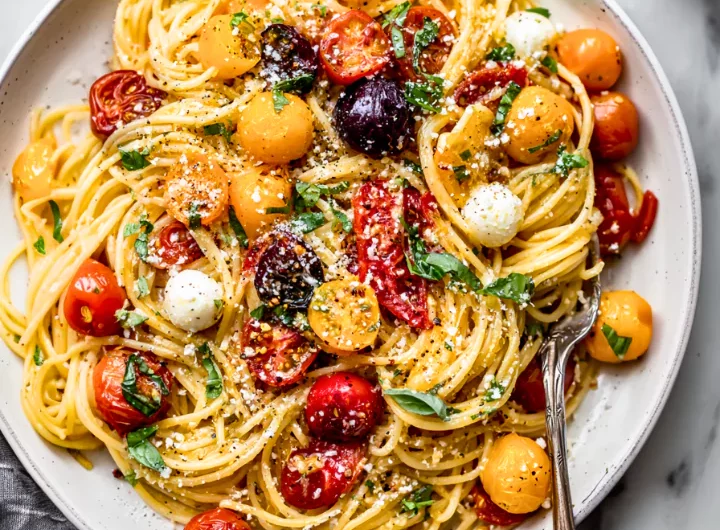
Cherry tomato pasta with garlic, olive oil, basil, and Parmesan, finished with starchy pasta water for a light sauce and optional butter or mozzarella.
Cherry Tomato Pasta Recipe
Course: MainCuisine: ItalianDifficulty: Easy4
servings10
minutes25
minutes35
minutesCherry tomato pasta with garlic, olive oil, basil, and Parmesan, finished with starchy pasta water for a light sauce and optional butter or mozzarella.
Ingredients
12 oz pasta (spaghetti, linguine, or penne)
2 pints cherry tomatoes (mixed colors if available)
4 cloves garlic, minced
1/3 cup olive oil
1/2 teaspoon red pepper flakes
1 teaspoon salt
1/2 teaspoon black pepper
1/2 cup fresh basil leaves, torn
1/2 cup freshly grated Parmesan cheese
1/4 cup pasta water (reserved)
2 tablespoons butter (optional)
Fresh mozzarella balls (optional)
Directions
- Bring a large pot of water to a boil, salting the water lightly if desired. Cook the 12 oz pasta according to its package until just al dente. Before draining, reserve 1 cup of the cooking water; set aside 1/4 cup of it for the sauce.
- While the pasta cooks, heat the 1/3 cup olive oil in a large skillet over medium heat. Add the 4 minced garlic cloves and 1/2 teaspoon red pepper flakes. Stir for about 1 minute, until fragrant but not browned.
- Add the 2 pints washed, dried cherry tomatoes carefully. Stir in the measured 1 teaspoon salt and 1/2 teaspoon black pepper. Cook for 8–10 minutes, stirring occasionally, until the skins wrinkle and the tomatoes begin to soften.
- Press some softened tomatoes gently against the pan with the back of a wooden spoon to release their juices. Leave several whole for texture. Stand back from the skillet because the hot juices can splash.
- Simmer for another 3–4 minutes, or until the juices look slightly thicker and the tomatoes are tender. If a large pool of thin liquid remains, cook a little longer before adding the pasta.
- Add the drained pasta to the skillet. Toss over medium-low heat so the noodles pick up the tomato juices. Use tongs for long pasta or a broad spoon for short shapes without crushing every tomato.
- Add the measured 1/4 cup reserved pasta water gradually while tossing for 1–2 minutes. Let it blend with the juices and oil. If the pasta still looks dry, add more from the reserved cup a spoonful at a time.
- Remove the skillet from the heat. Add the optional 2 tablespoons butter, all 1/2 cup torn basil, and half the 1/2 cup Parmesan. Toss gently until the butter melts and the cheese is distributed through the sauce.
- Divide into four bowls and top with the remaining Parmesan. Add the optional fresh mozzarella balls if using. Serve promptly while the sauce is loose and glossy, keeping any extra reserved water nearby if the pasta tightens before serving.
Notes
- About 35 minutes total assumes 10 minutes preparation and 25 minutes cooking with the pasta and sauce overlapping. Begin heating pasta water during preparation; firm tomatoes or slow boiling can extend the time.
- Reserve 1 cup pasta water, use the measured 1/4 cup first, and use any remaining water only as needed. Divide the 1/2 cup Parmesan equally between finishing and serving; all basil goes in off the heat.
- For a spicier option, double the red pepper flakes to 1 teaspoon and add fresh chili if desired. This is optional; the base recipe uses 1/2 teaspoon.
- Optional shrimp or scallops should be cooked separately to 145°F before folding into the finished pasta. Optional broiled pasta requires a broiler-safe metal dish and no parchment.
- Refrigerate in shallow containers within 2 hours, or 1 hour above 90°F. Use within 3–4 days and reheat leftovers to 165°F.