Chicken lo mein
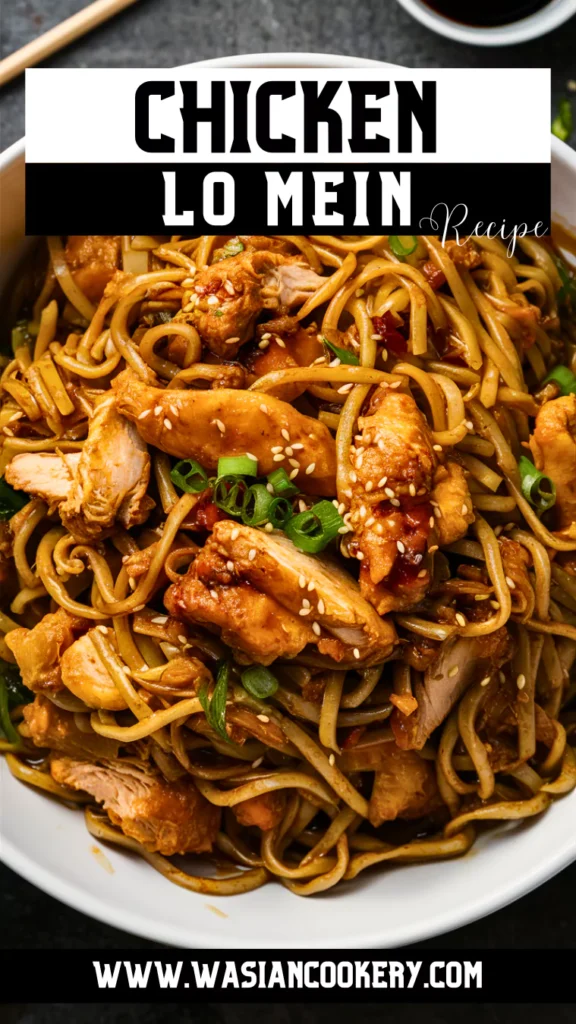
I love how this Chicken Lo Mein brings tender chicken, soft noodles, and fresh vegetables together in a savory sauce. Growing up, having Chinese takeout was always a special treat. Usually, my mom would bring home our favorite dishes for dinner, and this combination still reminds me of those meals.
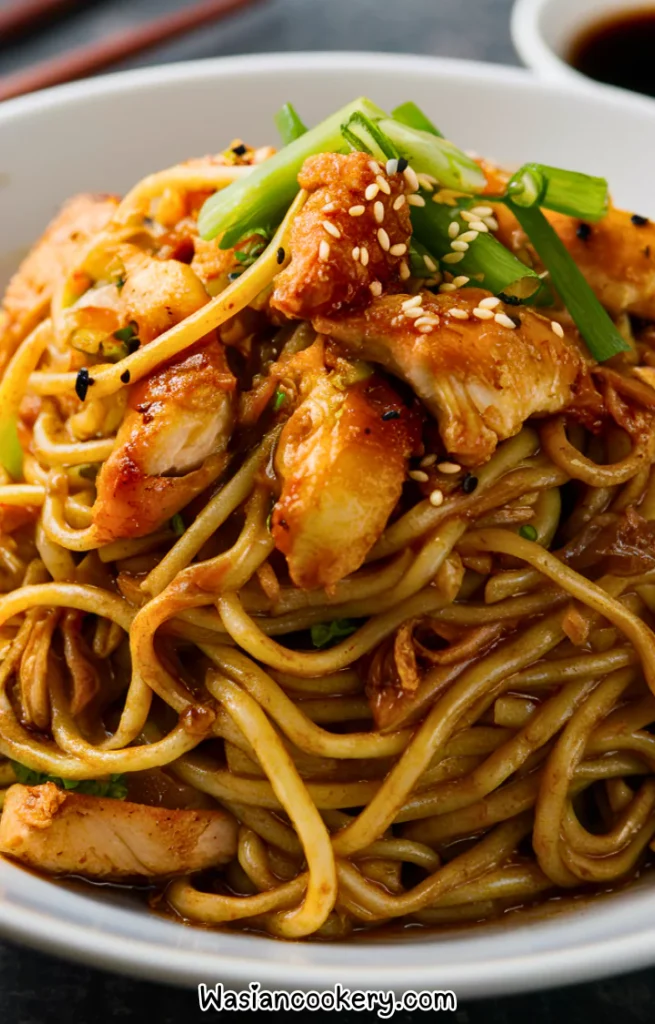
One of the things I love about this recipe is how versatile it is. The chicken makes it filling, the carrots and snap peas bring crunch, and the noodles catch the garlic and ginger sauce. It is a complete meal, with plenty of room for simple vegetable swaps.
This is a home-style version of a takeout favorite, with everything ready before the stir-frying starts. The sauce is mixed separately, the chicken cooks first, and the noodles go in at the end. That little bit of preparation makes the final tossing much easier.
Why This Dish Is Great
- The noodles stay soft and springy when they are cooked just until tender and tossed briefly at the end.
- Thin slices of chicken cook quickly, so there is no long roasting or simmering step to plan around.
- Bell peppers, carrots, and snap peas add different colors and textures without needing separate side dishes.
- The sauce combines salty, sweet, and savory ingredients, with sesame oil adding a warm nutty aroma.
- Four generous portions make this a useful dinner, and properly chilled leftovers can become an easy lunch.
What Is the Best Main Ingredient?
Choose lo mein noodles that are meant to stay soft after cooking, rather than crisp fried noodles sold as a topping. Fresh and dried packages need different cooking times, so follow the packet and taste for texture. Keep the listed 8-ounce quantity; the amount of cooked noodles will vary with the type you buy.
For the chicken, use boneless breast and cut it across the grain into thin, even strips. Thick chunks take longer and are harder to toss with the noodles. Slice the vegetables before handling the raw chicken, and wash the knife, board, and your hands thoroughly afterward. Choose firm snap peas and peppers without soft spots.
Ingredients
- 8 oz lo mein noodles
- 1 lb chicken breast, thinly sliced
- 2 tablespoons vegetable oil
- 1/2 cup onion, sliced
- 1 cup bell peppers, sliced (red, yellow, or green)
- 1 cup carrots, julienned
- 1 cup snap peas
- 2 cloves garlic, minced
- 1 tablespoon ginger, minced
For the Sauce
- 1/4 cup soy sauce
- 1 tablespoon oyster sauce
- 1 tablespoon hoisin sauce
- 1 teaspoon sesame oil
- 1 tablespoon cornstarch mixed with 2 tablespoons water
The 2 tablespoons of vegetable oil are divided between the chicken and vegetables. Mix the cornstarch with the listed water before it reaches the pan; dry cornstarch added directly to hot sauce can form lumps. Oyster and hoisin sauces vary in saltiness, so taste the finished dish before considering any extra seasoning.
Kitchen Equipment You Will Need
As an Amazon Associate I earn from qualifying purchases.
- Large skillet or wok
- Noodle pot
- Colander
- Chef’s knife
- Cutting boards
- Small mixing bowl
- Measuring cups
- Measuring spoons
- Whisk
- Cooking spatula
- Kitchen tongs
- Instant-read thermometer
- Clean plate
- Serving bowls
- Shallow storage containers
How To Make Chicken Lo Mein
Step 1
Cook the noodles: Finish slicing the chicken and vegetables before heating the skillet. Boil the lo mein noodles according to their package directions, stopping when just tender with a little bite. Drain well and use during this cooking session; do not leave cooked noodles sitting out for later.
Step 2
Prepare the sauce: In a small bowl, whisk the soy sauce, oyster sauce, hoisin sauce, sesame oil, and the cornstarch mixed with its 2 tablespoons water. Stir until no dry cornstarch remains. Keep the bowl close to the stove and whisk again just before pouring.
Step 3
Cook the chicken: Heat 1 tablespoon vegetable oil in a large skillet or wok over medium-high heat. Add the thinly sliced chicken in an even layer and cook, turning, for about 5–7 minutes. Check several thicker pieces with an instant-read thermometer; they must reach 165°F (74°C). Transfer to a clean plate. Work in batches if needed.
Step 4
Cook the vegetables: Add the remaining 1 tablespoon vegetable oil to the same pan. Add the onion, bell peppers, carrots, and snap peas. Stir-fry for about 3–4 minutes, stirring often, until the vegetables brighten and are tender-crisp. Thin carrots should bend slightly while still keeping a little crunch.
Step 5
Add the garlic and ginger: Stir the minced garlic and ginger into the vegetables and cook for about 1 minute, until fragrant. Keep everything moving so the garlic does not catch on the hot surface. Lower the heat a little if the pan is smoking.
Step 6
Combine the chicken and sauce: Return the cooked chicken and its juices to the pan. Whisk the sauce again, pour it over the chicken and vegetables, and stir for 2–3 minutes until it bubbles and thickens. If it becomes too thick to toss, add a small splash of water.
Step 7
Add the noodles: Add the drained noodles and use tongs to lift and turn them through the chicken, vegetables, and sauce for 1–2 minutes, until evenly coated and hot throughout. Loosen any clumps gently instead of cutting or pulling the noodles apart.
Step 8
Serve: Divide among four bowls and serve hot. Green onions or sesame seeds are optional garnishes. Allow about 20 minutes for preparation and 25 minutes for cooking, or 45 minutes altogether; package cooking times and extra chicken batches can make it take longer.
Notes
- Have all your ingredients prepped and ready before you start cooking. Stir-frying happens quickly, so everything should be within reach.
- Drain noodles thoroughly. Water caught in the colander can dilute the sauce and leave a puddle at the bottom of the pan.
- If your skillet or wok is too crowded, the ingredients will steam rather than sear. Cook the chicken in batches when necessary.
- Cut carrots into fine matchsticks so they soften during the short cooking time. Large carrot pieces will still be hard when the other vegetables are ready.
- Keep the garlic and ginger for their own brief step. Adding them with the raw chicken can leave them browned and bitter before the chicken cooks.
- Whisk the sauce immediately before adding it. Cornstarch settles as it stands, even when it looked fully mixed a few minutes earlier.
- For sauce that looks pasty, use a small splash of water and toss again. For watery sauce, let it bubble briefly before adding the noodles.
Ingredients You Can Add
- Sliced mushrooms add an earthy flavor; cook them with the vegetables until their released moisture has mostly evaporated.
- Small broccoli florets can replace some of the snap peas. Slice thick stems finely so they cook at a similar pace.
- Shredded cabbage adds sweetness and softens quickly. Fold it in near the end of the vegetable cooking step.
- Sliced green onions make a fresh garnish. Keep the tender green parts for serving so their color stays bright.
- Sesame seeds give a little crunch at the table. A light sprinkle is enough alongside the sesame oil already in the sauce.
- Red pepper flakes can bring heat to individual bowls. Start lightly so everyone can choose how spicy their portion becomes.
What To Serve With Chicken Lo Mein
You can make the meal feel like a takeout spread with crispy egg rolls or spring rolls. Steamed dumplings are another familiar option. For a cool side, tomato cucumber salad adds a fresh contrast to the warm noodles.
For a larger family-style dinner, set out a separate bowl of Subgum Fried Rice. Because the lo mein already includes noodles, small side portions of rice leave room for the chicken and vegetables.
Another rice option is Hibachi Fried Rice. Choose whichever style suits your menu, or keep dinner simple with the lo mein alone. A bowl of stir-fried bok choy also works when you want more greens.
Variations and Swaps
- Vegetable lo mein: leave out the chicken and use more vegetables. Choose a vegetarian mushroom-based alternative to oyster sauce for a meat-free version.
- Tofu lo mein: replace the chicken with firm tofu, drain it well, and pan-fry before combining. Use vegetarian oyster-style sauce if needed.
- Shrimp lo mein: use separately cooked shrimp and fold it through at the end, heating it thoroughly without a long additional cook.
- Spaghetti swap: when lo mein noodles are unavailable, spaghetti can work. Cook it just until tender and drain well before tossing.
- Spicy sauce: stir a little chili sauce into individual portions, tasting as you go because some bottled sauces add sweetness and salt.
- Lower-sodium sauce: use reduced-sodium soy sauce in the same quantity. The oyster and hoisin sauces still contribute salt.
- Different peppers: red, yellow, orange, and green bell peppers all fit this recipe. Use whichever combination is freshest.
- Gluten-free version: choose suitable noodles and check every sauce, including soy, oyster, and hoisin sauce, for a gluten-free label.
Storage
Divide leftovers into shallow containers and refrigerate promptly at 40°F (4°C) or below. Do not wait for the noodles to cool completely on the counter. Refrigerate within 2 hours of cooking, or within 1 hour when the room or outdoor temperature is above 90°F (32°C). Use the finished lo mein within 3 days; cooked noodles prepared separately should be chilled just as promptly.
Reheat only the portion you need in a skillet, adding a little water to loosen the sauce. Stir and turn the noodles until the chicken and noodles reach 165°F (74°C) throughout. For longer storage, freeze in meal-size containers for up to 2 months for best texture, then thaw in the refrigerator before reheating. Vegetables will be softer after freezing.
FAQ
Why are my noodles sticky?
They may be overcooked or have sat in a tight pile after draining. Follow the package time and toss them into the pan soon after cooking. A little water can help loosen clumps during the final toss.
Is lo mein the same as chow mein?
Lo mein usually emphasizes soft noodles tossed with sauce. Chow mein methods vary and can include soft stir-fried noodles or crisp noodles. For this recipe, use noodles intended to stay soft.
Can I prepare the ingredients ahead?
Yes. Slice the vegetables and mix the sauce ahead, then refrigerate them in separate covered containers. Keep raw chicken separate. Whisk the chilled sauce again before cooking and cook the noodles close to serving.
Why did the sauce become too thick?
Cornstarch thickens quickly in a hot pan, especially when the vegetables release little moisture. Add water a small splash at a time and keep tossing until the sauce coats the noodles comfortably.
Can I use frozen vegetables?
You can, but they release extra water and may be softer. Cook them until heated through and let excess moisture evaporate before the sauce goes in, adjusting the cooking time as needed.
How do I know the chicken is done?
Use a food thermometer in the thickest pieces and check for 165°F (74°C). Browned edges and white-looking meat are useful cooking cues, but they do not replace a temperature check.
Short Description
Chicken Lo Mein brings soft noodles, tender chicken, and colorful vegetables together in a savory garlic and ginger sauce. Prepare everything first, cook the chicken safely, and toss the noodles just before serving for an easy homemade dinner.
Chicken lo mein
Course: MainCuisine: ChineseDifficulty: Easy4
servings20
minutes25
minutes45
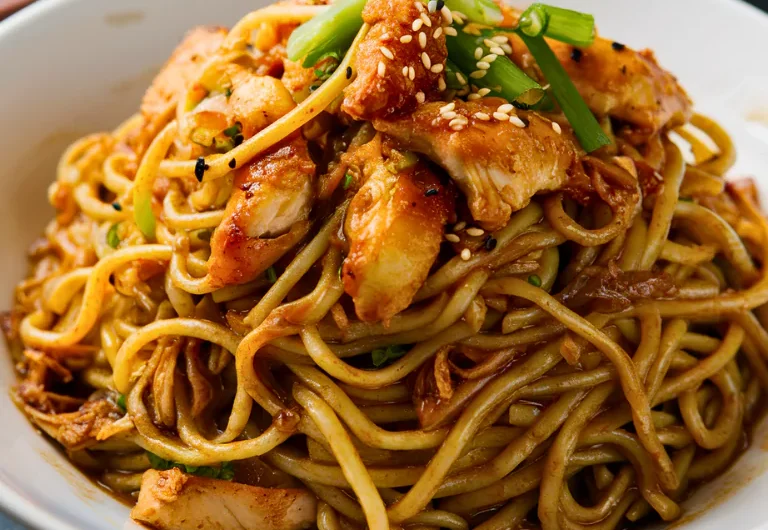
minutesTender chicken pieces and soft noodles are stir-fried with fresh vegetables in a savory sauce in this Chicken Lo Mein recipe. It’s a quick and delicious meal that brings the flavors of your favorite takeout right to your kitchen.
Ingredients
8 oz lo mein noodles
1 lb chicken breast, thinly sliced
2 tablespoons vegetable oil
1/2 cup onion, sliced
1 cup bell peppers, sliced (red, yellow, or green)
1 cup carrots, julienned
1 cup snap peas
2 cloves garlic, minced
1 tablespoon ginger, minced
- For the Sauce:
1/4 cup soy sauce
1 tablespoon oyster sauce
1 tablespoon hoisin sauce
1 teaspoon sesame oil
1 tablespoon cornstarch mixed with 2 tablespoons water
Directions
- Cook the noodles: Finish slicing the chicken and vegetables before heating the skillet. Boil the lo mein noodles according to their package directions, stopping when just tender with a little bite. Drain well and use during this cooking session; do not leave cooked noodles sitting out for later.
- Prepare the sauce: In a small bowl, whisk the soy sauce, oyster sauce, hoisin sauce, sesame oil, and the cornstarch mixed with its 2 tablespoons water. Stir until no dry cornstarch remains. Keep the bowl close to the stove and whisk again just before pouring.
- Cook the chicken: Heat 1 tablespoon vegetable oil in a large skillet or wok over medium-high heat. Add the thinly sliced chicken in an even layer and cook, turning, for about 5–7 minutes. Check several thicker pieces with an instant-read thermometer; they must reach 165°F (74°C). Transfer to a clean plate. Work in batches if needed.
- Cook the vegetables: Add the remaining 1 tablespoon vegetable oil to the same pan. Add the onion, bell peppers, carrots, and snap peas. Stir-fry for about 3–4 minutes, stirring often, until the vegetables brighten and are tender-crisp. Thin carrots should bend slightly while still keeping a little crunch.
- Add the garlic and ginger: Stir the minced garlic and ginger into the vegetables and cook for about 1 minute, until fragrant. Keep everything moving so the garlic does not catch on the hot surface. Lower the heat a little if the pan is smoking.
- Combine the chicken and sauce: Return the cooked chicken and its juices to the pan. Whisk the sauce again, pour it over the chicken and vegetables, and stir for 2–3 minutes until it bubbles and thickens. If it becomes too thick to toss, add a small splash of water.
- Add the noodles: Add the drained noodles and use tongs to lift and turn them through the chicken, vegetables, and sauce for 1–2 minutes, until evenly coated and hot throughout. Loosen any clumps gently instead of cutting or pulling the noodles apart.
- Serve: Divide among four bowls and serve hot. Green onions or sesame seeds are optional garnishes. Allow about 20 minutes for preparation and 25 minutes for cooking, or 45 minutes altogether; package cooking times and extra chicken batches can make it take longer.
Notes
- Timing is an estimate: 20 minutes preparation plus about 25 minutes cooking; noodle packages and additional chicken batches may take longer.
- Chicken must reach 165°F (74°C). Refrigerate cooked noodles and leftovers promptly, within 2 hours or 1 hour above 90°F (32°C), and reheat leftovers to 165°F (74°C).
- The 2 tablespoons vegetable oil are divided equally between chicken and vegetables. Cornstarch uses the listed 2 tablespoons water; loosen the finished sauce with a small splash only if needed.