Pumpkin Bread Recipe
I love a simple Pumpkin Bread for cozy fall mornings or any time a comforting treat sounds good. This easy quick bread combines pumpkin puree, cinnamon, nutmeg, and ginger in a soft, sweet loaf. It works for breakfast, an afternoon snack, or a small dessert with tea.
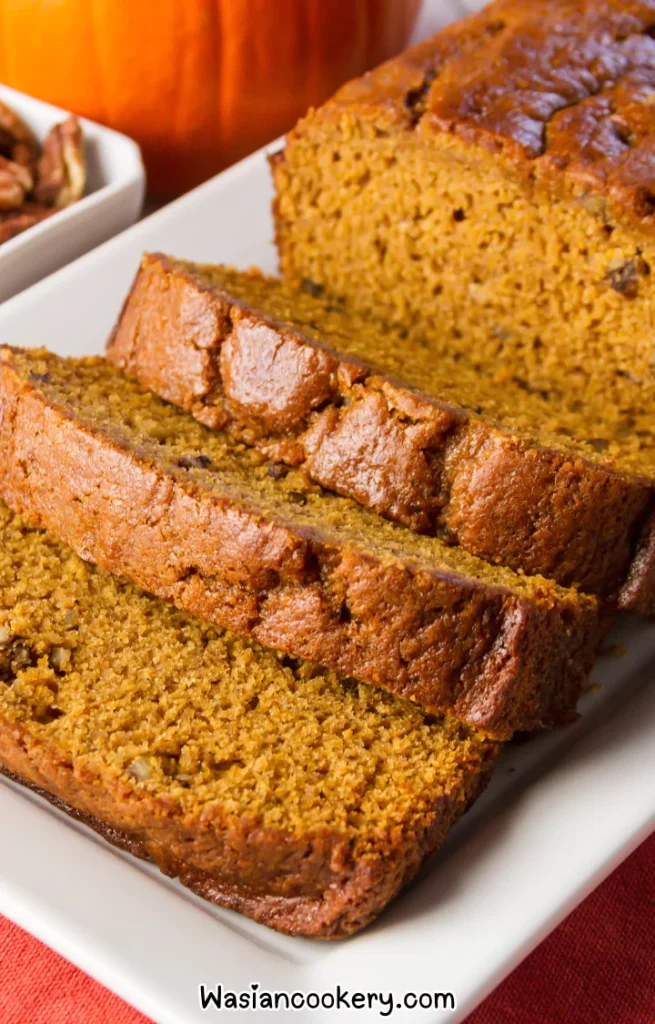
The batter comes together in two bowls, with no mixer, kneading, or rising time. Vegetable oil keeps the crumb tender, while the brown sugar adds a deeper sweetness. Chocolate chips, nuts, or dried fruit can add texture, but the plain loaf is lovely with a spread of butter.
The hands-on work is short, but give the bread enough time to bake and cool before slicing. A browned top can hide a center that still needs more time. The steps below explain how to check the loaf, keep the crust from getting too dark, and store it neatly.
Why This Dish Is Great
- Canned pumpkin makes the recipe easy to bake all year, without peeling, roasting, or draining fresh pumpkin first.
- The cinnamon, nutmeg, and ginger bring warm spice without requiring a separate pumpkin pie spice blend.
- A whisk and spatula handle the mixing, so there is no need to set up or wash a large mixer.
- The loaf slices into 10 portions, making it easy to set some aside for later breakfasts and snacks.
- It freezes well in slices, so you can thaw only what you want instead of keeping a whole loaf on the counter.
What Is the Best Main Ingredient?
Use plain canned pumpkin puree, sometimes labeled 100% pumpkin. Pumpkin pie filling already contains sugar and spices and will change this recipe. Measure 1 cup from the can; a whole can is not automatically the right amount. Refrigerate the remaining puree in a covered container and use it according to the package guidance.
The puree should be thick and smooth rather than watery. Homemade cooked pumpkin can work, but its moisture varies. Drain any loose liquid before measuring so the batter is not diluted. The original formula uses canned puree, which is the more predictable choice when you want to keep the ingredient balance the same.
Ingredients
- 1 ¾ cups all-purpose flour
- 1 teaspoon baking soda
- 2 teaspoons ground cinnamon
- ½ teaspoon ground nutmeg
- ½ teaspoon ground ginger
- ½ teaspoon salt
- 1 cup canned pumpkin puree
- ½ cup vegetable oil
- 2 large eggs
- 1 cup granulated sugar
- ½ cup brown sugar
- 1 teaspoon vanilla extract
Spoon the flour into a dry measuring cup and level it off rather than packing it down. Pack the brown sugar into its cup and break up hard lumps. Use fresh baking soda, and measure it carefully: extra leavener is not a shortcut to a taller loaf and can affect the flavor.
Kitchen Equipment You Will Need
As an Amazon Associate I earn from qualifying purchases.
- 9-by-5-inch loaf pan
- Mixing bowls
- Measuring cups
- Measuring spoons
- Whisk
- Silicone spatula
- Parchment paper
- Aluminum foil
- Wire cooling rack
- Cake tester
- Blunt knife
- Chef’s knife
- Serrated bread knife
- Cutting board
- Muffin pan
- Oven mitts
- Airtight storage containers
How To Make Pumpkin Bread
Step 1
Prepare the oven and pan: Heat the oven to 350°F (175°C), with a rack in the middle. Use a 9-by-5-inch loaf pan about 3 inches deep with at least an 8-cup capacity. Lightly grease it, then line the bottom and long sides with parchment, leaving short handles for lifting.
Step 2
Mix the dry ingredients: Whisk the flour, baking soda, cinnamon, nutmeg, ginger, and salt together in a medium bowl. Break apart any small clumps of baking soda so the loaf rises evenly and has no bitter pockets.
Step 3
Mix the wet ingredients: In a large bowl, whisk the pumpkin puree, vegetable oil, eggs, granulated sugar, brown sugar, and vanilla until smooth. Break up the brown sugar lumps and scrape the bottom of the bowl so no unmixed egg remains.
Step 4
Combine gently: Add the dry ingredients to the wet ingredients and fold with a spatula just until no dry flour remains. Scrape around the sides and underneath the batter. Stop mixing as soon as everything is combined; do not beat the batter smooth.
Step 5
Fill the pan: Transfer the batter to the prepared pan and smooth the top gently. Leave room for rising and do not fill beyond two-thirds full. If your pan is shallower or you added bulky mix-ins, bake any excess in greased muffin cups rather than overfilling the loaf pan.
Step 6
Bake: Bake the loaf for 55–65 minutes, beginning to check at 55 minutes. A skewer inserted deep into the center should come out without wet batter, though a few moist crumbs are fine. If the top browns too quickly, tent it loosely with foil. Continue baking if the center is still wet. Any small overflow muffins will finish earlier; begin checking them at 20 minutes and use the same doneness cue.
Step 7
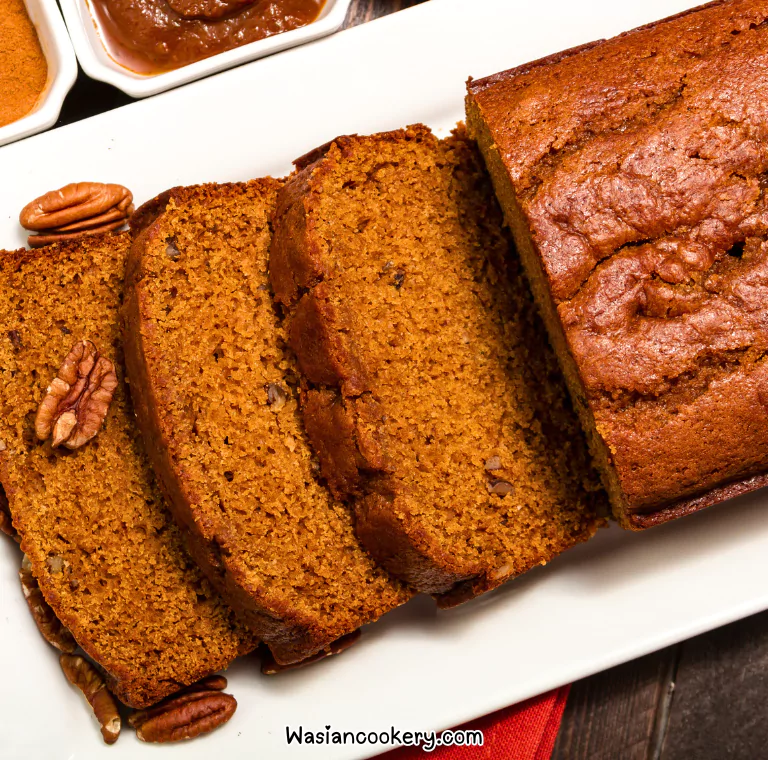
Cool and slice: Set the pan on a wire rack for 10 minutes. Loosen the unlined ends with a blunt knife, lift the loaf out using the parchment, and let it cool on the rack for about 2 hours, or until completely cool. Slice into 10 pieces. Allow about 3 hours 30 minutes total: 15 minutes preparation, up to 65 minutes baking, 10 minutes in the pan, and about 2 hours on the rack.
Notes
- Check the inside dimensions of the pan, rather than measuring across its outer handles. Smaller loaf pans hold less even when they look nearly the same.
- Choose a light-colored metal pan when possible. Very dark pans can brown the outside more quickly, so watch the crust as the loaf nears the end of baking.
- Stir the wet and dry ingredients together just until combined. Overmixing can lead to a tough, dense bread instead of a tender crumb.
- Keep the oven door closed during the early baking time. Opening it repeatedly releases heat and makes the baking time less predictable.
- A crack along the top is normal for a quick bread. Test into the center beneath that crack to make sure the middle is baked.
- Tent with foil only when the top has enough color. Keep the foil loose so it shields the surface without pressing into the rising loaf.
- Allow the bread to cool in the pan for about 10 minutes before lifting it out. Cooling completely on the rack helps the inside set for cleaner slices.
Ingredients You Can Add
- Chocolate chips bring little pockets of sweetness. The original variation uses 1 cup; keep the pan-fill limit in mind before adding the batter.
- Chopped walnuts add a slightly earthy crunch. Use small pieces that are easy to spread through the thick batter.
- Chopped pecans have a softer bite and work well with the cinnamon. They also make a simple topping for individual slices.
- Raisins add chewy sweetness. Separate any clumps before folding them into the batter so they distribute more evenly.
- Dried cranberries give a sweet-tart contrast. Choose them in place of some other mix-ins rather than adding every option together.
- Pumpkin seeds give the loaf a little crunch. A light scattering over the top is enough without covering the whole surface.
What To Serve With Pumpkin Bread
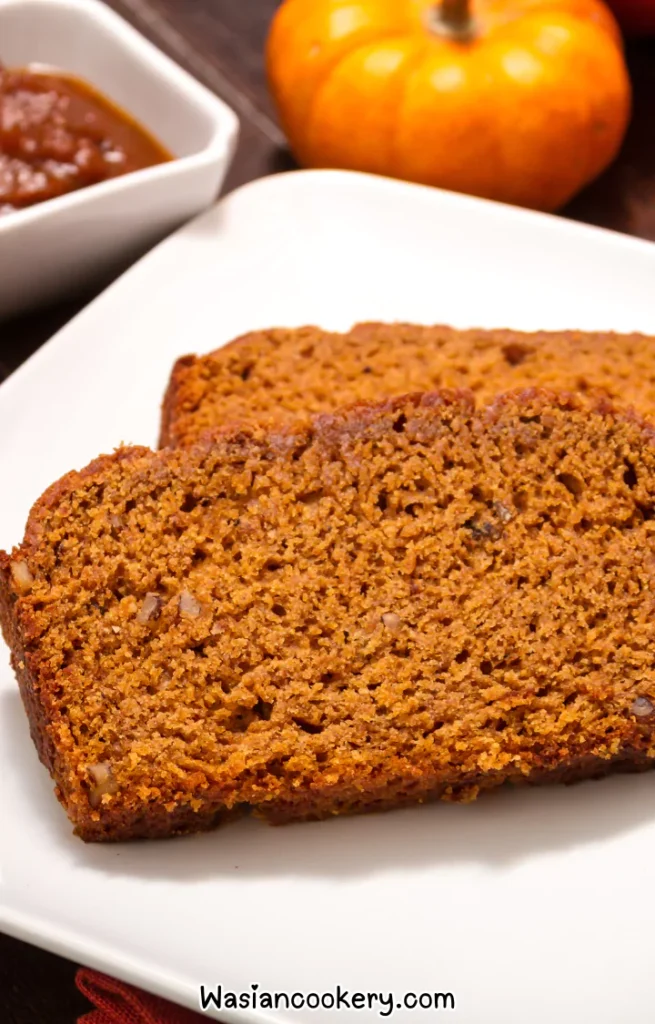
For a simple snack, serve a slice with butter or cream cheese and a cup of tea or coffee. Fresh apples or berries make a good contrast to the warm spices. Add any perishable spread to individual servings just before eating.
For a breakfast tray, set this beside Banana Bread and let everyone choose a slice. If you prefer individual portions from the start, Pumpkin Chocolate Chip Muffins are another option with a method written for a muffin pan.
A scoop of ice cream turns a plain slice into dessert. For a fall dessert plate, add a few Pumpkin Chocolate Chip Cookies alongside smaller pieces of bread. Both are easy to portion without icing an entire loaf.
Variations and Swaps
- Chocolate chip loaf: fold the chips in with the final few strokes of the spatula. Check for wet batter away from a melted chip when testing doneness.
- Nutty loaf: choose walnuts or pecans and chop them before adding. Keep the amount modest so the bread still holds together in slices.
- Fruit loaf: choose raisins or dried cranberries for a chewy version. Large pieces of fresh fruit introduce more moisture and are less predictable.
- Extra spice: a small pinch of ground cloves can deepen the flavor. Start lightly because cloves can quickly overpower the pumpkin.
- Seed topping: scatter pumpkin seeds over the smoothed batter. Press them down very gently so they settle against the surface.
- Neutral oil swap: another mild vegetable oil, such as canola, works in the same amount. Strongly flavored oils change the taste of the bread.
- Cream cheese serving: spread softened cream cheese on a cooled slice. This gives the creamy contrast without changing the baking behavior with a wet filling.
- Gluten-free baking: a blend labeled for cup-for-cup baking may work, but blends absorb moisture differently. Follow its quick-bread directions and expect the texture and timing to vary.
Storage
Let the loaf cool completely before wrapping or closing it in an airtight container. Trapped steam makes the crust sticky and can leave the bottom damp. Keep plain pumpkin bread at a cool room temperature for up to 3 days, or refrigerate it for up to a week. In a warm, humid kitchen, refrigeration is the better choice. Add cream cheese or other perishable toppings only when serving.
For longer storage, freeze the whole cooled loaf or individual slices in an airtight freezer container for up to 3 months for best quality. Separate slices with parchment so they are easy to remove. Thaw a plain slice at room temperature while still covered. If any mold appears, discard the loaf rather than trimming the visible spot.
FAQ
Why is the center gummy?
The loaf may need more baking time, or it may have been sliced while warm. Test deep in the middle for wet batter, then allow the full cooling time. Too much pumpkin or packed flour can also change the crumb.
Can I use a smaller loaf pan?
A smaller pan may overflow or bake unevenly. Use the stated 9-by-5-inch pan with enough depth and capacity. If batter would exceed two-thirds full, bake the excess separately in greased muffin cups.
Why did the loaf sink?
An underbaked center, too much baking soda, or inaccurate measurements can cause sinking. Preheat the oven fully and avoid judging doneness only by the outside color. A small surface crack is normal; a wet, sunken middle is not.
Can I reduce the sugar or replace the oil with applesauce?
Those changes affect moisture, tenderness, and browning, so they are not guaranteed one-for-one swaps here. Keep the listed formula for this version and use a recipe developed for reduced sugar or applesauce if that is your goal.
Can I eat it warm?
Warm bread is appealing, but this loaf slices most cleanly once it is cool. Let the inside finish setting before cutting. You can gently warm an individual slice later if you like it with melting butter.
How do I prevent a dark top and a raw middle?
Use the correct pan, bake on the middle oven rack, and tent the loaf once the top has enough color. Keep baking until the center passes the skewer test rather than taking it out just because the crust looks done.
Short Description
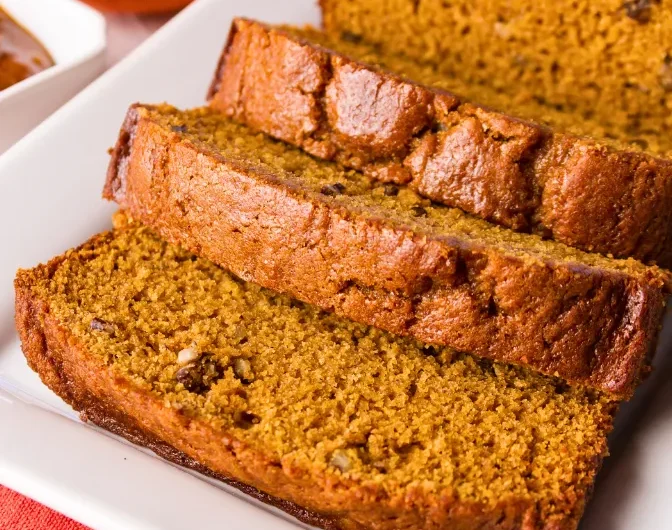
This Pumpkin Bread is a soft, warmly spiced quick loaf made with canned pumpkin, two sugars, and vegetable oil. Mix gently, leave room in the pan, and cool completely before slicing for a simple breakfast, snack, or dessert.
Pumpkin Bread Recipe
Course: Breakfast, DessertCuisine: AmericanDifficulty: Easy10
slices15
minutes1
hour5
minutes3
hours30
minutesEnjoy! This Pumpkin Bread is perfect for breakfast, dessert, or a snack, and it’s sure to fill your home with the warm, comforting aromas of fall.
Ingredients
1 ¾ cups all-purpose flour
1 teaspoon baking soda
2 teaspoons ground cinnamon
½ teaspoon ground nutmeg
½ teaspoon ground ginger
½ teaspoon salt
1 cup canned pumpkin puree
½ cup vegetable oil
2 large eggs
1 cup granulated sugar
½ cup brown sugar
1 teaspoon vanilla extract
Directions
- Prepare the oven and pan: Heat the oven to 350°F (175°C), with a rack in the middle. Use a 9-by-5-inch loaf pan about 3 inches deep with at least an 8-cup capacity. Lightly grease it, then line the bottom and long sides with parchment, leaving short handles for lifting.
- Mix the dry ingredients: Whisk the flour, baking soda, cinnamon, nutmeg, ginger, and salt together in a medium bowl. Break apart any small clumps of baking soda so the loaf rises evenly and has no bitter pockets.
- Mix the wet ingredients: In a large bowl, whisk the pumpkin puree, vegetable oil, eggs, granulated sugar, brown sugar, and vanilla until smooth. Break up the brown sugar lumps and scrape the bottom of the bowl so no unmixed egg remains.
- Combine gently: Add the dry ingredients to the wet ingredients and fold with a spatula just until no dry flour remains. Scrape around the sides and underneath the batter. Stop mixing as soon as everything is combined; do not beat the batter smooth.
- Fill the pan: Transfer the batter to the prepared pan and smooth the top gently. Leave room for rising and do not fill beyond two-thirds full. If your pan is shallower or you added bulky mix-ins, bake any excess in greased muffin cups rather than overfilling the loaf pan.
- Bake: Bake the loaf for 55–65 minutes, beginning to check at 55 minutes. A skewer inserted deep into the center should come out without wet batter, though a few moist crumbs are fine. If the top browns too quickly, tent it loosely with foil. Continue baking if the center is still wet. Any small overflow muffins will finish earlier; begin checking them at 20 minutes and use the same doneness cue.
- Cool and slice: Set the pan on a wire rack for 10 minutes. Loosen the unlined ends with a blunt knife, lift the loaf out using the parchment, and let it cool on the rack for about 2 hours, or until completely cool. Slice into 10 pieces. Allow about 3 hours 30 minutes total: 15 minutes preparation, up to 65 minutes baking, 10 minutes in the pan, and about 2 hours on the rack.
Notes
- Use a 9-by-5-inch loaf pan about 3 inches deep with at least an 8-cup capacity. Fill no more than two-thirds full; bake any excess separately in greased muffin cups.
- Total time includes 15 minutes preparation, up to 65 minutes baking, 10 minutes cooling in the pan, and about 2 hours cooling on a rack. Cool completely, allowing longer if needed.
- Use plain pumpkin puree, not pie filling. Keep all listed ingredient quantities unchanged; a whole can is not the same as the required 1 cup.