Easy Louisiana Lickers Sauce Recipe
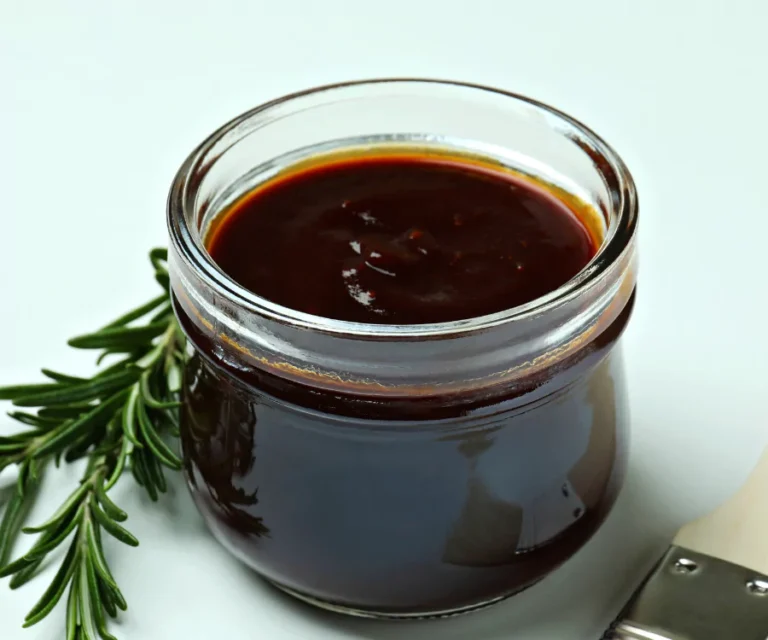
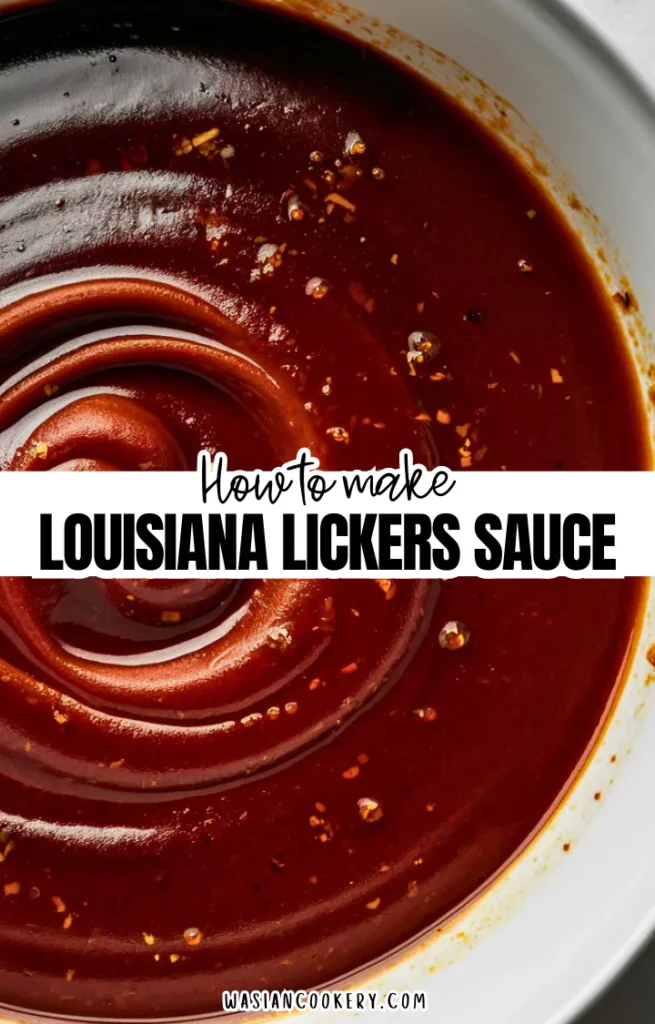
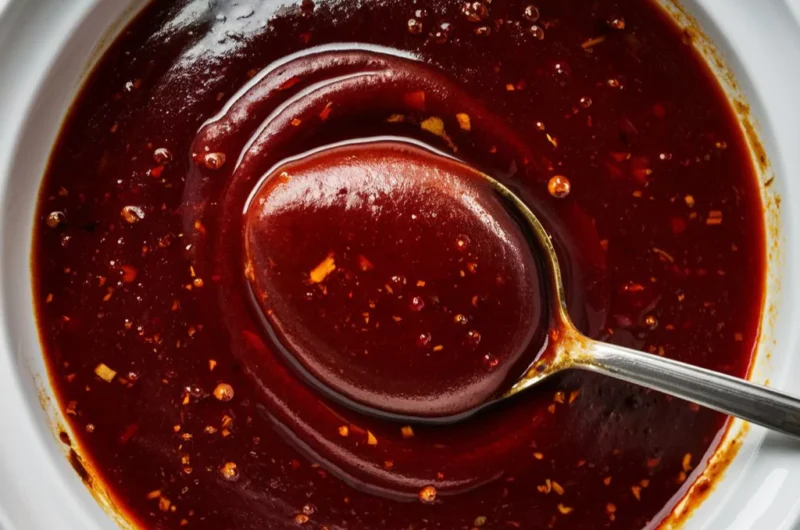
I love the sweet heat of this Louisiana Lickers Sauce. Mild wing sauce, sweet and spicy barbecue sauce, garlic, cayenne, Parmesan, and Cajun seasoning come together in a small, lively batch for dipping or brushing.
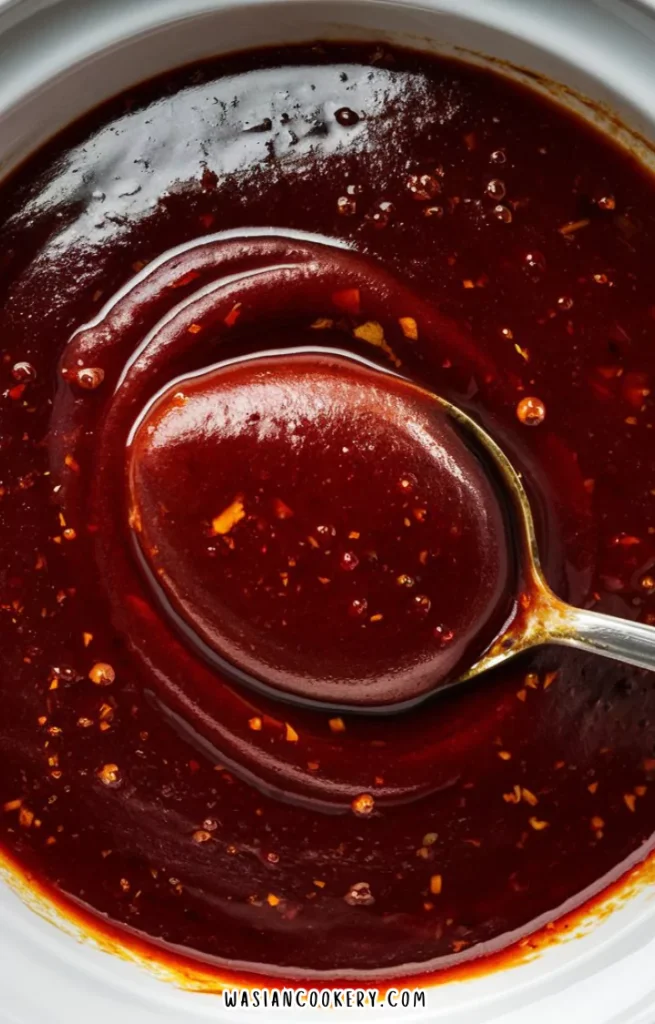
Trying Lil Porgy’s BBQ Sauce at home inspired me to make this version with a spicy twist. It uses familiar bottled sauces, so the flavor is easy to build without a long ingredient list.
My favorite way to enjoy it is over cooked chicken wings. A short, gentle simmer brings the seasonings together, and a brief cooling time makes the sauce easier to handle. This is a homemade sauce, with the finished flavor depending on the bottles you choose.
Why This Dish Is Great
- The recipe makes a small batch, handy when you want a little sauce for one meal without filling a large jar.
- Sweet barbecue sauce softens the sharpness of the wing sauce, while cayenne gives the finish a little extra warmth.
- Granulated garlic and Cajun seasoning add savory flavor without any chopping, so preparation is mostly measuring and stirring.
- A small amount of Parmesan adds a savory touch. It is an accent rather than a thick, creamy cheese base.
- You can serve it warm for coating cooked wings or cooled for dipping, depending on the meal and the texture you prefer.
What Is the Best Main Ingredient?
Choose a mild, ready-to-use wing sauce for the 48g portion. Plain hot pepper sauce can be much sharper and hotter than a prepared wing sauce, so the two will not give the same result. Check the front label and taste a little of the sauce before you begin. A smooth wing sauce also mixes more easily with the barbecue sauce.
For the 32g portion, use a sweet and spicy barbecue sauce that you already enjoy. Its sweetness, smokiness, and thickness will carry into the finished mixture. Cajun blends vary in salt and heat, too. There is no separate salt in this recipe because the bottled sauces, seasoning, and Parmesan already contribute it.
Ingredients
- 48g Red Hot Wing Sauce (Mild)
- 32g Sweet and Spicy BBQ Sauce
- 1/4 teaspoon granulated garlic
- 1/4 teaspoon cayenne pepper
- 1/4 teaspoon grated Parmesan cheese
- 1/4 teaspoon Cajun seasoning
Weigh the two sauces in grams rather than guessing their volume. The four servings are small condiment portions, not four bowls of dip. The finished amount will vary slightly with evaporation, so use a light coating first and add more at the table if needed.
Kitchen Equipment You Will Need
As an Amazon Associate I earn from qualifying purchases.
- Digital kitchen scale
- Measuring spoons
- Medium mixing bowl
- Small saucepan
- Silicone spatula
- Serving spoon
- Shallow airtight container
- Instant-read thermometer
- Basting brush
- Dipping bowls
- Small knife
- Cutting board
How To Make Louisiana Lickers Sauce
- Weigh 48g mild Red Hot Wing Sauce and 32g sweet and spicy BBQ sauce into a medium bowl. Stir until the color and texture are even, scraping the sides so neither sauce remains in a separate streak.
- Add the 1/4 teaspoon each of granulated garlic, cayenne pepper, grated Parmesan, and Cajun seasoning. Stir thoroughly, breaking apart any dry seasoning clumps with the spatula.
- Scrape the mixture into a small saucepan. Set it over medium-low heat and stir while it warms. This small amount heats quickly, so keep the saucepan attended and lower the heat if the edges bubble strongly.
- Bring the sauce to a gentle simmer. Cook for about 5–10 minutes, stirring often and scraping the bottom. Stop when it is evenly blended and lightly coats the spatula; do not boil it down into a sticky paste. Allow up to 10 minutes for heating and simmering.
- Remove from the heat and let the sauce cool for about 5 minutes before spooning over cooked food or serving for dipping. Stir again before serving. Refrigerate any clean leftovers promptly in a shallow airtight container.
Plan on about 5 minutes of preparation, up to 10 minutes at the stove, and 5 minutes of cooling, for about 20 minutes total. A smaller burner helps control the heat. If the sauce becomes very thick before the seasonings have blended, take it off the heat rather than continuing to reduce it.
Notes
- Use the smallest saucepan that comfortably holds the mixture. A wide skillet exposes this tiny batch to too much heat and can dry it out quickly.
- Keep the simmer gentle. The sugar in the barbecue sauce can stick or scorch when the heat is high, especially around the sides of the pan.
- Stir from the bottom upward so the cheese and seasonings stay spread through the sauce instead of collecting in one spot.
- Use finely grated Parmesan. The small amount may leave tiny flecks, and that is normal; it will not turn the sauce into a smooth cheese dip.
- Let a dab cool before tasting. A hot spoonful can burn your mouth and make it harder to judge the balance of salt, sweetness, and heat.
- For a future milder batch, choose a milder barbecue sauce. If you reduce cayenne to taste, treat that as an optional variation rather than the measured base recipe.
- Reserve a clean portion before any sauce touches raw meat. Never return used marinade, a tasting spoon, or a brush that touched raw meat to the serving sauce.
Ingredients You Can Add
These are optional finishing ideas, not ingredients needed for the base recipe. Try just one in a small serving so you can judge it before changing the entire batch.
- A little honey can soften the peppery finish and make a sweeter glaze.
- Brown sugar gives a similar sweetening effect with a slightly deeper flavor; stir until it dissolves.
- Smoked paprika adds a smoky note when your barbecue sauce tastes mostly sweet.
- A few drops of lemon juice can brighten an especially heavy barbecue sauce.
- Finely chopped parsley adds a fresh finish when scattered over the food just before serving.
- A little onion powder can add another savory note without changing the smooth texture very much.
What To Serve With Louisiana Lickers Sauce
Chicken wings are my first choice. Toss fully cooked wings with a little warm sauce just before serving so their surface stays as crisp as possible. For another chicken option, serve a small dish beside air fryer chicken tenders and let everyone dip their own pieces.
Fries and potato wedges are easy partners because their mild centers balance the peppery sauce. A spoonful beside air fryer French fries gives you a sweet, tangy alternative to plain ketchup. Celery and carrot sticks are useful on the same plate for fresh crunch.
You can also brush a clean portion over cooked ribs or pork chops near the end of cooking, or spread a thin layer in a chicken wrap. Add the sauce late so its sugars have less time to burn. Cook poultry to 165°F; sauce color is not a sign that meat is safely cooked.
Variations and Swaps
- For a milder profile, start with mild bottled sauces and taste the finished batch before adding any optional extra heat.
- For a smokier profile, choose a smoky sweet-and-spicy barbecue sauce within the same measured amount.
- For a thicker coating, let the finished sauce stand briefly; cooling naturally thickens it without extra reduction.
- For a looser coating, use it while it is still warm and spoon it over food instead of serving it as a cold dip.
- For a sweeter finish, stir a small amount of the optional honey into your own serving first.
- For a vegetarian version, check the Parmesan label for vegetarian rennet and check both sauces for animal-derived ingredients.
- For a gluten-free meal, verify the labels on the wing sauce, barbecue sauce, seasoning, and cheese. The recipe name alone does not establish that.
- For more sauce, multiply every base ingredient by the same amount. Use a suitable saucepan and judge the simmer by appearance rather than doubling the cooking time.
Storage
Keep unused sauce in a shallow airtight container in the refrigerator at 40°F or below and use within 3–4 days. Refrigerate within 2 hours of preparation, or within 1 hour when the surrounding temperature is above 90°F. Do not leave it on the counter until completely cold. Adding cheese and handling the mixture changes it from the original bottled condiments, so their individual shelf lives do not apply.
Use a clean spoon each time. Reheat only the amount you need, stirring gently until it reaches 165°F; avoid repeated cycles of warming and cooling. Discard sauce that has been contaminated by raw meat or left out too long. This is a refrigerator sauce, and the recipe does not establish a safe method for canning or storing it at room temperature.
FAQ
How spicy is this sauce?
The cayenne and Cajun seasoning add noticeable heat even when the wing sauce is mild. The exact strength depends on the products you use, so taste a cooled dab before covering a whole plate.
Why is my sauce too thick?
This small batch loses moisture quickly in a large or very hot pan. Stop the simmer once it coats a spatula, then remember that it thickens further as it cools.
Should all the Parmesan disappear?
Not necessarily. Finely grated Parmesan spreads through the sauce, but tiny specks can remain. Avoid a hard boil in an attempt to melt every fleck; that can make the sauce stick.
Can I use it as a marinade?
Yes, but set aside a clean serving portion first and marinate meat in the refrigerator. Discard the used marinade. Cook the meat to its appropriate safe internal temperature before adding fresh sauce.
Can I make it ahead?
Yes. Prepare and refrigerate it safely, then use it within the 3–4 day storage window. Stir before serving because a chilled sauce can look thicker and slightly separated.
Is this an official restaurant formula?
This is the homemade recipe described here. Bottled sauce brands and seasoning blends vary, so it should not be treated as an exact or official formula for any restaurant.
Short Description
A small batch of Louisiana Lickers Sauce made with mild wing sauce, sweet and spicy barbecue sauce, garlic, cayenne, Parmesan, and Cajun seasoning. Gently simmer, cool briefly, and serve with cooked wings, tenders, or potatoes.
Louisiana Lickers Sauce Recipe
Course: SauceCuisine: AmericanDifficulty: Easy4
servings5
minutes10
minutes20
minutesSpicy and flavorful, Louisiana Lickers Sauce blends hot wing sauce with sweet and spicy BBQ, perfect for adding a kick to your favorite dishes.
Ingredients
48g Red Hot Wing Sauce (Mild)
32g Sweet and Spicy BBQ Sauce
1/4 teaspoon granulated garlic
1/4 teaspoon cayenne pepper
1/4 teaspoon grated Parmesan cheese
1/4 teaspoon Cajun seasoning
Directions
- Weigh 48g mild Red Hot Wing Sauce and 32g sweet and spicy BBQ sauce into a medium bowl. Stir until the color and texture are even, scraping the sides so neither sauce remains in a separate streak.
- Add the 1/4 teaspoon each of granulated garlic, cayenne pepper, grated Parmesan, and Cajun seasoning. Stir thoroughly, breaking apart any dry seasoning clumps with the spatula.
- Scrape the mixture into a small saucepan. Set it over medium-low heat and stir while it warms. This small amount heats quickly, so keep the saucepan attended and lower the heat if the edges bubble strongly.
- Bring the sauce to a gentle simmer. Cook for about 5–10 minutes, stirring often and scraping the bottom. Stop when it is evenly blended and lightly coats the spatula; do not boil it down into a sticky paste. Allow up to 10 minutes for heating and simmering.
- Remove from the heat and let the sauce cool for about 5 minutes before spooning over cooked food or serving for dipping. Stir again before serving. Refrigerate any clean leftovers promptly in a shallow airtight container.
Notes
- Total time includes 5 minutes of cooling. Four servings are small condiment portions; finished volume varies with evaporation.
- Refrigerate clean leftovers promptly at 40°F or below and use within 3–4 days. Keep sauce for serving separate from raw-meat marinade.