Lil Porgy’s BBQ Sauce Recipe
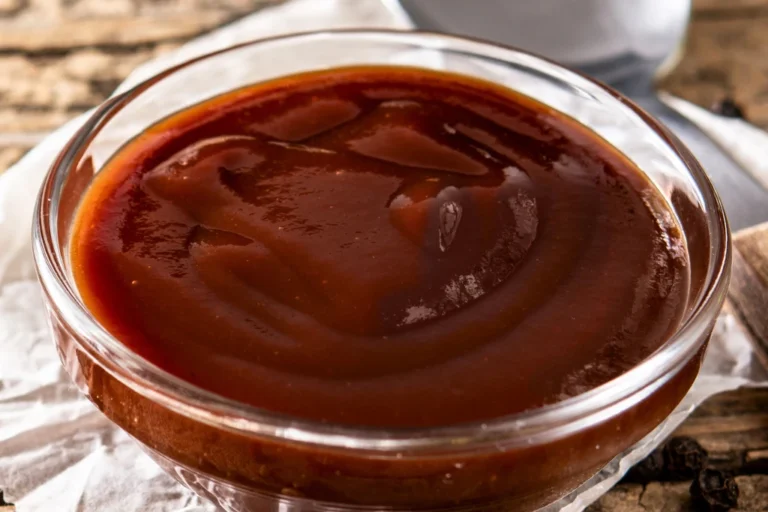
My favorite thing about this homemade Lil Porgy’s BBQ Sauce is its sweet and tangy flavor. Applesauce, ketchup, brown sugar, and lemon juice make the base, while cinnamon, garlic, and black pepper add warmth. The optional cayenne gives it a stronger kick.
I have tried plenty of copycat barbecue recipes, and I like how simple this one is to put together. Personally, I enjoy it as a glaze for ribs and with grilled chicken, with some extra sauce set aside for dipping.
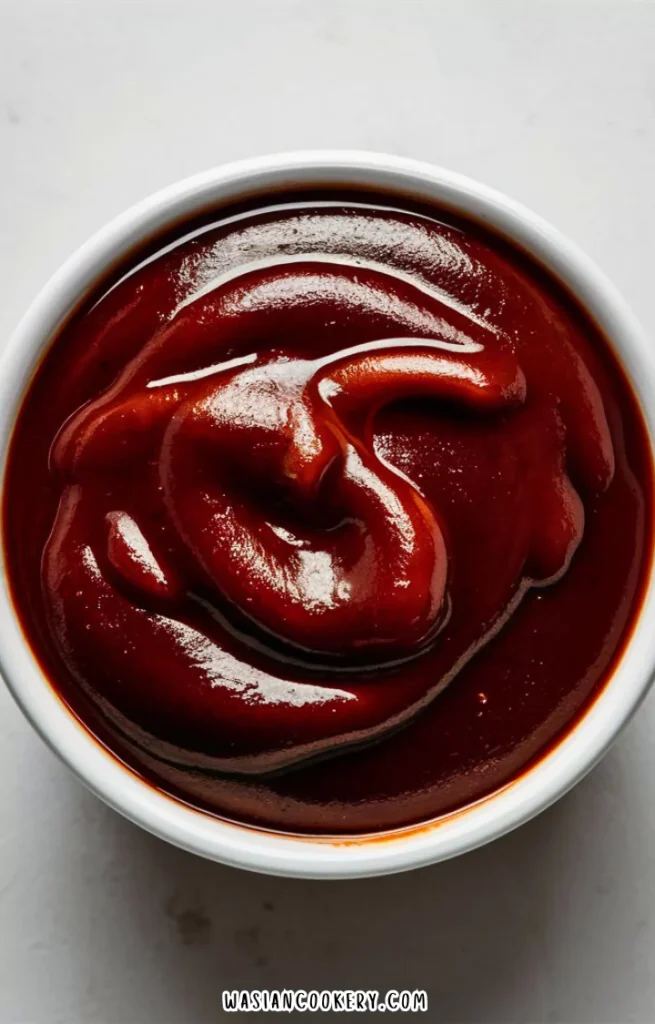
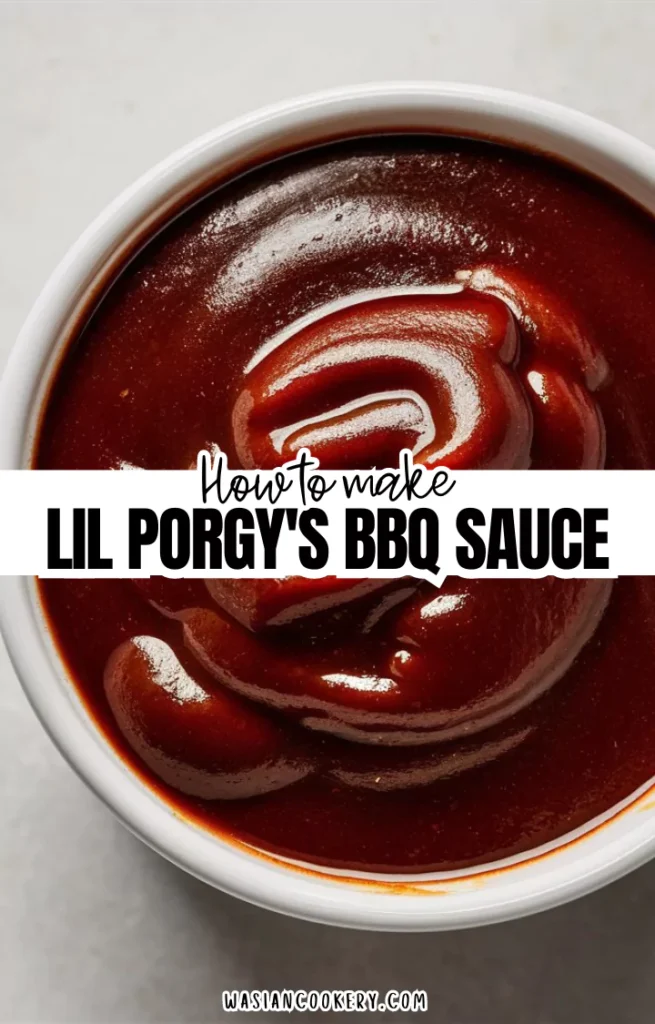
This is a home-style interpretation, with an apple-forward flavor and a thick, spoonable texture. It takes a short simmer rather than a long afternoon at the stove. Start with the measured ingredients, then decide whether your own serving needs a little more heat.
Why This Sauce Is Great
- Applesauce gives the sauce body without a flour or cornstarch thickener. The texture starts out substantial and needs only a little reduction.
- Ketchup and lemon juice bring tang to balance the brown sugar. That combination works well with rich grilled food.
- The ingredients are easy to measure and stir together in one saucepan. There is no chopping required for the base recipe.
- Cinnamon adds a warm note that sets this version apart from a plain ketchup-based barbecue sauce.
- The optional cayenne lets you choose a mild version or one with more heat while keeping the same basic flavor.
- One batch can be divided into small containers, which is convenient when you want sauce for several different meals.
What Is the Best Main Ingredient?
Smooth, unsweetened applesauce is a useful choice because the recipe already includes a full cup of brown sugar. Choose plain applesauce so you control the cinnamon and other seasonings. Sweetened applesauce will make a sweeter result, while a chunky variety will leave small pieces of apple in the finished sauce. Neither change disappears completely during a short simmer.
Use an ordinary tomato ketchup whose flavor you like. Some brands are noticeably sweeter or saltier than others, so taste the finished sauce before adding anything else. Brown sugar should be soft enough to measure and mix. Break up firm lumps in the pan while the sauce is still cool, when you can whisk without splashing hot sauce.
Ingredients
- 2 cups applesauce
- 1 cup tomato ketchup
- 1 cup brown sugar
- 4 tablespoons lemon juice
- 1 teaspoon ground black pepper
- 1 teaspoon cayenne red chili powder (optional, for extra heat)
- 1 teaspoon garlic powder
- 1 teaspoon ground cinnamon
- 1 teaspoon salt
The recipe makes one batch, with a finished volume that depends on the applesauce and how much moisture evaporates. The applesauce and ketchup alone measure three cups before the remaining ingredients are added, so use several storage containers rather than planning for one small jar. Keep the listed amounts for the first batch; optional flavor ideas appear separately below.
Kitchen Equipment You Will Need
As an Amazon Associate I earn from qualifying purchases.
- Measuring cups
- Measuring spoons
- Heavy-bottomed saucepan
- Whisk
- Silicone spatula
- Tasting spoons
- Shallow food storage containers
- Pastry brush
- Small serving bowl
- Kitchen knife
- Cutting board
- Citrus juicer
How To Make Lil Porgy’s BBQ Sauce
Allow about 10 minutes to measure and combine the ingredients, about 20 minutes for heating and simmering, and a 5-minute rest before serving warm. Stove strength and pan width affect the exact cooking time. Watch the consistency and keep stirring across the bottom so the sweet mixture does not stick.
- In a heavy-bottomed saucepan of about 3 quarts, combine 2 cups applesauce, 1 cup tomato ketchup, 1 cup brown sugar, and 4 tablespoons lemon juice. Whisk until the sugar is evenly moistened and any large lumps have broken up.
- Stir in the ground black pepper, optional cayenne red chili powder, garlic powder, ground cinnamon, and salt. Scrape the sides and bottom so there are no pockets of dry seasoning.
- Place the saucepan over medium heat and stir as the sauce warms, allowing roughly 5 minutes to reach a gentle simmer. Reduce the heat to low and simmer uncovered for 10 to 15 minutes, stirring frequently, until the sugar dissolves and the sauce thickens slightly. Keep the bubbles small and slow rather than letting the sauce boil hard.
- Remove the pan from the heat and let the sauce stand for about 5 minutes before using it warm. It should coat a spoon and still fall from it easily. This brief rest is included in the 35-minute total; it does not need to reach room temperature.
- If storing the sauce, divide it into clean, shallow food containers and refrigerate promptly at 40°F or below. Do not leave the whole pan on the counter to cool. Use refrigerated sauce within 3 to 4 days, or freeze portions for longer storage.
- Serve as a dip or use a clean brush to glaze meats near the end of their cooking. Reserve a separate portion before any sauce touches raw meat. Marinate only in the refrigerator and discard sauce that has been used on raw meat instead of returning it to the clean batch.
Notes
- Start with a pan that has room above the sauce. Thick apple mixtures can spit as bubbles break, even when the heat is fairly low.
- A gentle simmer is enough. Turning up the heat to finish faster can scorch the sugar on the bottom before the sauce thickens evenly.
- Scrape around the corners of the pan as you stir. Sugar and spices can collect there while the center continues to move.
- Judge the thickness after the short rest. The sauce becomes a little firmer as it cools, so avoid reducing it into a paste.
- If it is too thick, stir a little water into a small serving. Add only enough to make it spreadable, and leave the main batch unchanged until you like the result.
- For a smoother sauce, begin with smooth applesauce. Long cooking will not reliably turn a chunky product into a completely smooth puree.
- A few hours in the refrigerator can round out the flavor if you are making it ahead. That optional chilled wait is separate from the ready-to-serve cooking time.
Ingredients You Can Add
- A little Worcestershire sauce gives a more savory finish. Check its label if you need a vegetarian sauce, since some versions contain fish.
- A small dash of liquid smoke adds a smoky note. Begin sparingly because concentrated smoke flavor can quickly cover the apple.
- Smoked paprika brings gentle smokiness along with color. It is an option when you prefer to skip liquid smoke.
- A little mustard adds a sharper edge. Stir it into a spoonful first to see how it works with the cinnamon.
- A splash of apple cider vinegar can make a serving tangier. The base already includes lemon juice, so taste between additions.
- A dash of hot sauce provides another kind of heat. Choose one you enjoy and remember that it may add vinegar and salt too.
What To Serve With It
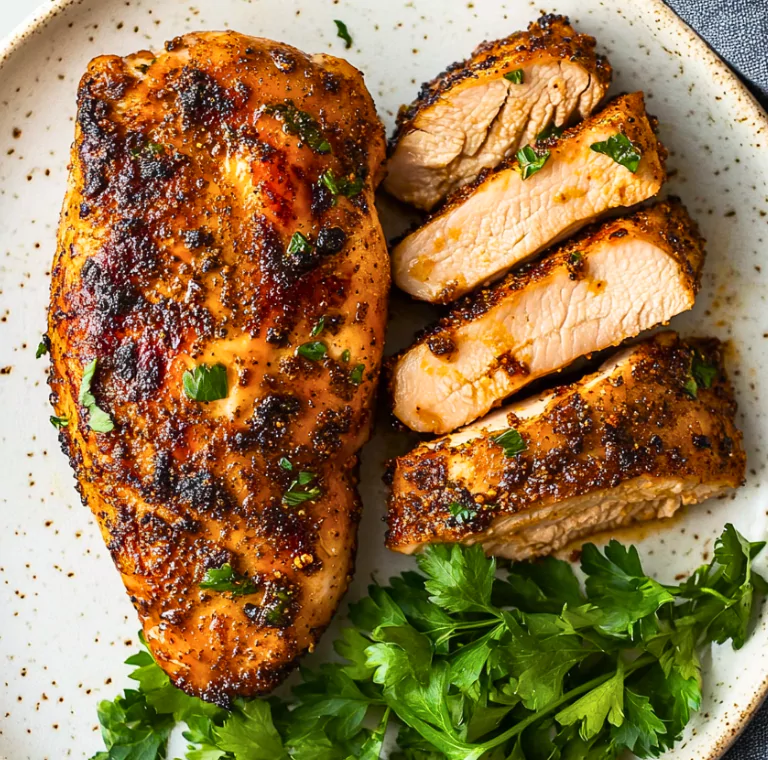
I recommend brushing this sauce onto chicken or ribs near the end of cooking, following the timing for your main dish. Its sugar can darken quickly over strong direct heat. Keep a clean portion aside for the table and use a separate brush for food that is still cooking.
It also works as a dip for fries or onion rings, or as a small spoonful on a burger. The apple and cinnamon are noticeable, so start with a little and add more if you like. For another barbecue sauce to try with a similar meal, see Ruben Santana BBQ Sauce.
You can stir some into cooked baked beans or use it with a pork sandwich. If you enjoy comparing homemade sauces, Wendy’s BBQ Sauce and Bill Miller BBQ Sauce are two more ideas. Serve different sauces separately so the meal does not become overly sweet.
Variations and Swaps
- For a mild version, omit the optional cayenne. Black pepper still adds a little warmth without the same chili heat.
- For a hotter version, increase cayenne carefully after tasting the base. Stir it in thoroughly before tasting again.
- Plain chunky applesauce makes a rustic version with small apple pieces. Use it only if that texture suits your meal.
- Smooth applesauce gives a more even coating for brushing. It is the simplest choice when you want a less textured glaze.
- Light brown sugar keeps the molasses flavor gentler. Dark brown sugar makes that flavor deeper while using the same measured amount.
- Bottled lemon juice is convenient, while fresh lemon juice may vary in sharpness. This refrigerator sauce does not use either option as a guarantee of shelf stability.
- A reduced-sodium ketchup can reduce the salt contributed by that ingredient. Keep the original seasoning amounts as your starting point and taste the finished sauce.
- For a thinner dipping sauce, adjust a small portion after cooking. For a thicker glaze, simmer a little longer while stirring and expect a smaller final volume.
Storage
Refrigerate promptly in shallow, covered containers at 40°F or below. Use within 3 to 4 days as a conservative limit for this homemade mixture. Do not wait for a large pan to reach room temperature, and do not leave sauce out longer than 2 hours, or 1 hour above 90°F. Label containers with the date, and keep clean stored sauce separate from any portion used for dipping or raw-meat preparation.
For longer storage, freeze clean portions in freezer-safe containers, leaving room for expansion, and aim to use them within 3 months for quality. Thaw in the refrigerator and stir before serving. This recipe is for refrigeration or freezing; it has not been validated for canning or cupboard storage. An ordinary lid sealing as sauce cools does not make it shelf-stable.
FAQ
Is this the restaurant’s exact sauce?
This is a homemade copycat-style recipe with applesauce, ketchup, brown sugar, and spices. It is not a verified restaurant formula. The apple and cinnamon give this version a distinct flavor of its own.
Why did the sauce stick to the pan?
The heat may have been too high, or the bottom may not have been stirred often enough. Use a heavy pan and a gentle simmer. If a layer burns, do not scrape the burnt material into the rest of the sauce.
Can I use it as a marinade?
Yes, but keep the food refrigerated while it marinates and follow the cooking directions for that meat. Reserve dipping sauce before adding raw meat, and discard the used marinade. A marinade does not cook meat or replace safe cooking.
Does it need a few hours of resting?
No. You can use it warm after the five-minute rest in the method. A longer refrigerated rest is optional if you prefer making it ahead. Do not leave it on the counter for hours.
Is the sauce vegetarian?
The base ingredients do not include meat. Check ingredient labels for your particular needs, especially if adding Worcestershire sauce or other optional seasonings. Keep a vegetarian portion away from brushes and containers used for meat.
Why is it sweeter than expected?
Sweetened applesauce and sweeter ketchup can add to the cup of brown sugar already in the formula. Choose plain unsweetened applesauce for the starting recipe and taste a small serving before deciding on any optional tangy additions.
Short Description
A sweet and tangy homemade barbecue sauce made with applesauce, ketchup, brown sugar, lemon juice, and warm spices. Simmer gently and use as a dip or a finishing glaze for grilled food.
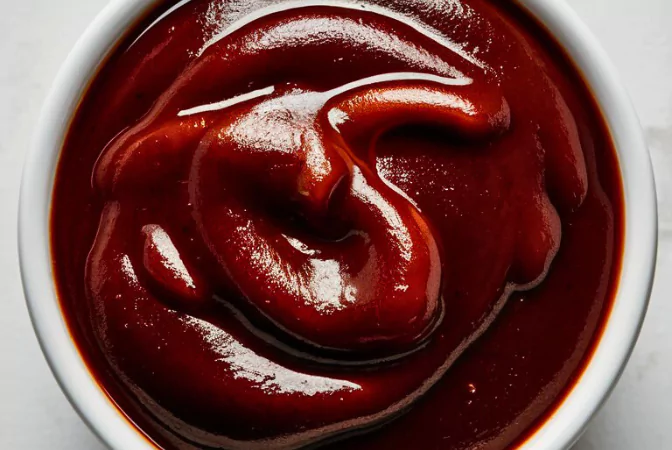
Lil Porgy’s BBQ Sauce Recipe
Course: SauceCuisine: AmericanDifficulty: Easy1
batch10
minutes20
minutes35
minutesA sweet and tangy homemade barbecue sauce made with applesauce, ketchup, brown sugar, lemon juice, and warm spices. Simmer gently and use as a dip or a finishing glaze for grilled food.
Ingredients
2 cups applesauce
1 cup tomato ketchup
1 cup brown sugar
4 tablespoons lemon juice
1 teaspoon ground black pepper
1 teaspoon cayenne red chili powder (optional, for extra heat)
1 teaspoon garlic powder
1 teaspoon ground cinnamon
1 teaspoon salt
Directions
- In a heavy-bottomed saucepan of about 3 quarts, combine 2 cups applesauce, 1 cup tomato ketchup, 1 cup brown sugar, and 4 tablespoons lemon juice. Whisk until the sugar is evenly moistened and any large lumps have broken up.
- Stir in the ground black pepper, optional cayenne red chili powder, garlic powder, ground cinnamon, and salt. Scrape the sides and bottom so there are no pockets of dry seasoning.
- Place the saucepan over medium heat and stir as the sauce warms, allowing roughly 5 minutes to reach a gentle simmer. Reduce the heat to low and simmer uncovered for 10 to 15 minutes, stirring frequently, until the sugar dissolves and the sauce thickens slightly. Keep the bubbles small and slow rather than letting the sauce boil hard.
- Remove the pan from the heat and let the sauce stand for about 5 minutes before using it warm. It should coat a spoon and still fall from it easily. This brief rest is included in the 35-minute total; it does not need to reach room temperature.
- If storing the sauce, divide it into clean, shallow food containers and refrigerate promptly at 40°F or below. Do not leave the whole pan on the counter to cool. Use refrigerated sauce within 3 to 4 days, or freeze portions for longer storage.
- Serve as a dip or use a clean brush to glaze meats near the end of their cooking. Reserve a separate portion before any sauce touches raw meat. Marinate only in the refrigerator and discard sauce that has been used on raw meat instead of returning it to the clean batch.
Notes
- Makes one batch; actual volume depends on the applesauce and simmering reduction.
- The 35-minute total includes a 5-minute rest before serving warm. Optional longer refrigeration takes additional time.
- Refrigerate promptly at 40°F or below and use within 3 to 4 days, or freeze for up to 3 months for quality. This recipe is not for shelf-stable canning.
- Keep a clean portion separate before using any sauce with raw meat.