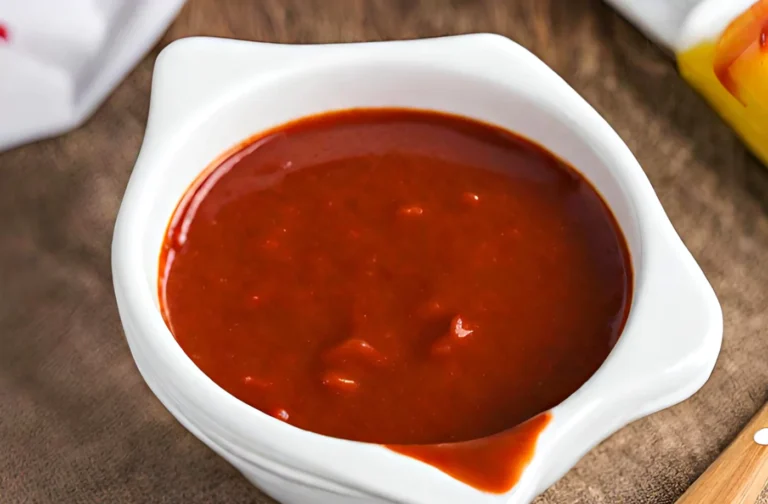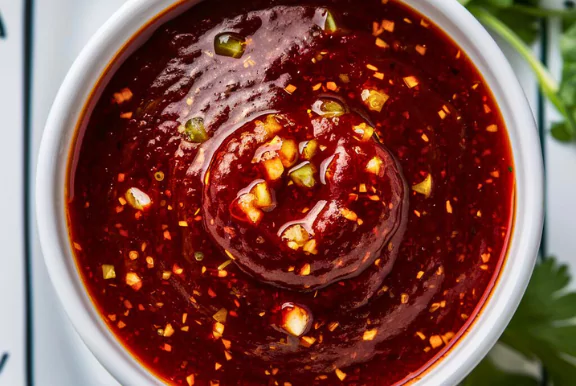
Quiznos Batch 83 Sauce Recipe
In my kitchen, a sweet and tangy pepper sauce has plenty of uses, from sandwiches to a quick dip for crusty bread. This homemade Quiznos Batch 83 Sauce recipe combines tomatoes, three kinds of peppers, cider vinegar, and warm spices in one generous pot.
I have shared several sauces here, including Domino’s Garlic Parmesan Sauce, Luby’s Tartar Sauce, and Arby’s Three Pepper Sauce. This tomato and pepper version gives you another flavor to enjoy, with a sweet finish and a little jalapeño warmth.
I like using it with pasta and pizza, and it also works as a sandwich spread or a glaze added near the end of grilling. This is a homemade sauce inspired by the restaurant name. The large batch needs a slow simmer and some refrigerator or freezer space.
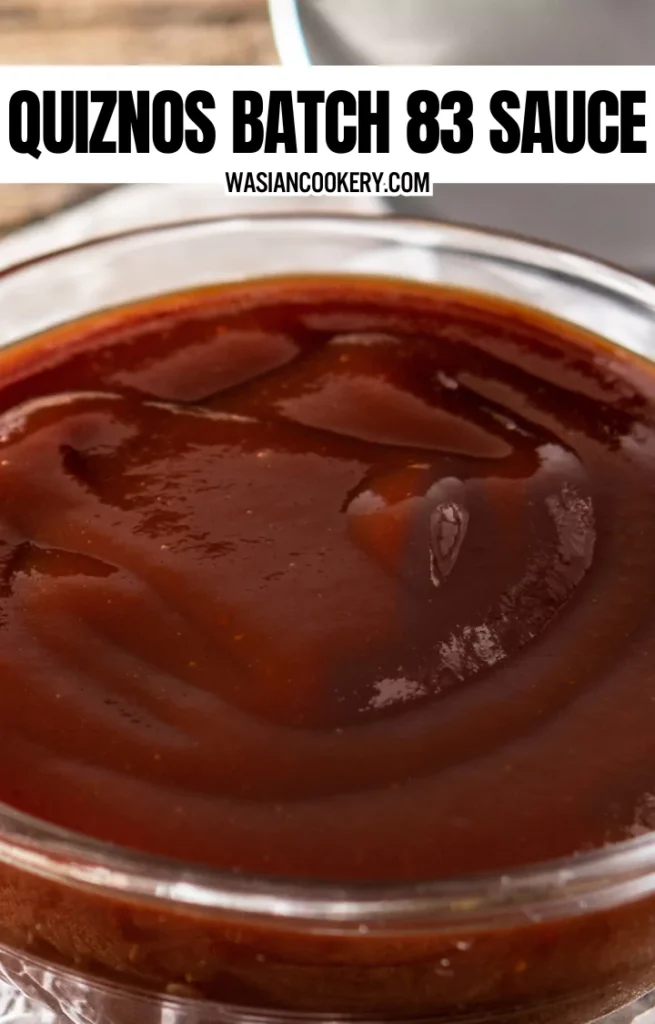
Why This Dish Is Great
- It has a layered flavor. Tomatoes and sweet red peppers give the sauce body, while vinegar, sugar, and gentle spices create a sweet-and-tangy balance.
- The heat is easy to understand. Anaheim or Cubanelle peppers make up most of the mild pepper portion, and the smaller amount of jalapeño adds a sharper bite.
- It uses canned tomatoes, so you can make the sauce without waiting for tomato season. Their juice also provides liquid while the vegetables soften.
- Partial blending gives you two textures in one sauce. A smooth portion thickens the base, while the rest keeps tender pieces of pepper and onion.
- The big batch is useful when you plan ahead. Divide it into small portions so you can refrigerate what you will use soon and freeze the rest.
- It can sit alongside other meal components. A spoonful adds flavor without requiring you to make the whole sandwich or dinner taste the same.
What Are the Best Tomatoes and Peppers?
Plain canned whole peeled tomatoes are a helpful choice because you can chop them to the size you want. Plain diced tomatoes also work, though some hold their shape longer during simmering. Use all four 28-ounce cans and keep their juice. Avoid adding extra seasoned tomatoes unless you want those seasonings to become part of the sauce.
Choose firm sweet red peppers and remove their stems, seeds, and pale ribs before measuring the chopped pieces. Use the listed cup measures for the peppers; the weights in parentheses are approximate shopping guides. Anaheim and Cubanelle peppers have different flavors and can vary in heat. Fresh, sound vegetables give the finished sauce a cleaner taste than soft or damaged ones.
Ingredients
- 4 cans (28 oz each) of canned tomatoes
- 4 cups chopped seeded sweet red peppers (about 1 lb)
- 2 cups chopped seeded Anaheim or Cubanelle peppers (8 oz)
- 1 cup chopped onions
- 1/4 cup chopped seeded jalapeño peppers
- 1-1/2 cups granulated sugar
- 1-1/2 cups cider vinegar
- 1 tsp salt
- 1 bay leaf
- 1/2 tsp celery seeds
- 1/2 tsp ground cinnamon
- 1/4 tsp ground ginger
- 1/4 tsp ground nutmeg
- 1/4 tsp ground black pepper
- Pinch of ground cloves
The sugar and vinegar are part of this recipe’s sweet chili-sauce character. Cinnamon, ginger, nutmeg, and cloves are used in small amounts, so measure them carefully rather than pouring from the jar. Keep track of the single bay leaf because it needs to come out before the blending step.
Kitchen Equipment You Will Need
As an Amazon Associate I earn from qualifying purchases.
- 8-quart stainless steel pot
- Can opener
- Colander
- Large mixing bowl
- Chef’s knife
- Cutting board
- Measuring cups
- Measuring spoons
- Long-handled spoon
- Ladle
- Heatproof blending container
- Immersion blender
- Food-safe gloves
- Food thermometer
- Shallow storage containers
- Citrus zester
- Small serving bowls
- Pastry brush
How To Make Quiznos Batch 83 Sauce
- Open all four cans of tomatoes. Drain them over a large bowl, keeping every bit of the juice. This separates the solids for chopping; the reserved juice will go back into the sauce.
- Chop all of the drained tomatoes, then chop and measure the seeded peppers and onions. Use all the tomatoes from the four cans. Their chopped volume varies by brand, so the original estimate of 9 cups is not a reason to discard tomatoes or open an extra can.
- Put the chopped tomatoes and their reserved juice in a large heavy nonreactive pot, preferably 8 quarts. Add the sweet red peppers, Anaheim or Cubanelle peppers, onions, and jalapeño peppers. Leave plenty of space for stirring and bubbling.
- Add the sugar, cider vinegar, salt, bay leaf, celery seeds, cinnamon, ginger, nutmeg, black pepper, and pinch of cloves. Stir thoroughly, scraping across the bottom so the sugar begins to dissolve.
- Bring to a boil over medium-high heat, stirring often. Allow roughly 10–15 minutes for this large mixture to heat, although your pot and stove may take longer. Lower the heat as soon as it reaches a boil.
- Simmer uncovered with steady, gentle bubbles for about 75 minutes, stirring frequently and scraping the bottom. The vegetables should soften and the mixture should become noticeably thicker. Reduce the heat if it spits or catches; continue a little longer if it is still watery.
- Remove the pot from the heat and find and discard the bay leaf before blending any sauce.
- Ladle 3 cups of sauce into a tall heatproof container approved for use with an immersion blender, leaving generous space above it. Let active bubbling stop before blending. Keep the remaining sauce off the heat during this short step.
- Using an immersion blender suitable for hot food, puree the measured portion until smooth. Keep the blade guard submerged, start slowly, and stop the motor before lifting it. Follow your appliance’s hot-food limits and avoid splashing.
- Return the pureed portion to the pot and stir it into the remaining sauce. Bring back to a gentle simmer and cook for another 15 minutes, stirring often. The finished sauce should be thick but spoonable, with some soft vegetable pieces remaining.
- Serve warm or divide promptly into shallow containers for refrigeration. Allow about 2 hours 20 minutes total for preparation, heating, simmering, and partial blending; watery tomatoes may need extra reduction. The recipe makes one large batch with a variable finished volume. Refrigerate at 40°F or below and use within 3–4 days, or freeze portions. This is not a shelf-stable canning recipe.
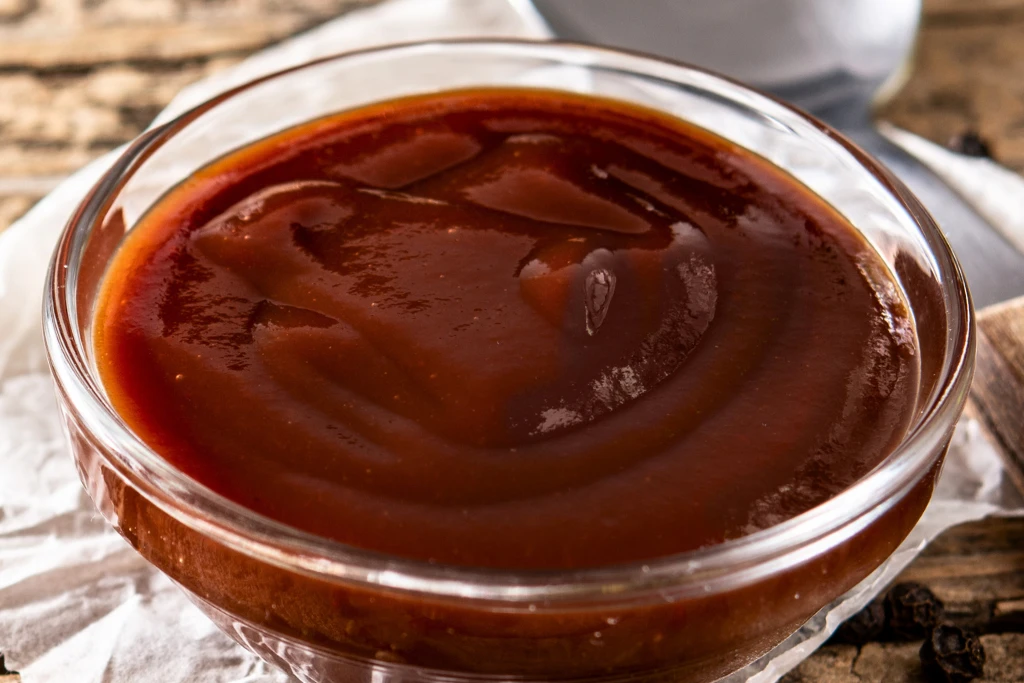
The simmer should look active enough to reduce the liquid without throwing hot sauce over the sides. Stir more frequently toward the end, when the mixture becomes thicker and the sugar can catch on the bottom. Drag a spoon through the sauce to check its body: it should leave a brief trail, then settle back into place. A little sauce on a spoon will thicken further as it cools.
Notes
- Chop the peppers and onions fairly evenly. Small, similar pieces soften more consistently and make the unblended part pleasant to spread on a sandwich.
- Wear food-safe gloves when cutting jalapeños, and keep your hands away from your face. Wash the knife and board after handling the peppers.
- Drain the tomatoes only to make chopping easier. Return their saved liquid to the pot so no part of the listed four cans quietly disappears.
- Use stainless steel or another nonreactive pot. The tomatoes and vinegar spend a long time together in the pan, so a suitable cooking surface matters.
- Stir right across the base, not just around the edge. This is especially helpful once the vegetables settle and the sugary sauce starts to thicken.
- Blend only the measured three cups for the standard recipe. That keeps some texture in the sauce and makes the blending job easier to control.
- Judge the finished consistency as well as the clock. Different tomatoes and pot widths lose moisture at different rates, so the final amount is listed as one batch.
Ingredients You Can Add
Try these in a small serving first so you can enjoy different flavors without changing the entire large batch. They are optional additions for fresh eating.
- Chopped cilantro gives a fresh finish when you plan to spoon the sauce into tacos or wraps.
- A little lime zest adds a bright aroma without making the sauce noticeably thinner.
- A pinch of smoked paprika adds a smoky note that works well with grilled food.
- A little cayenne increases the heat. Stir it in gradually and taste before adding another pinch.
- Finely sliced green onion brings a fresh onion bite to a small bowl served as a dip.
- Chopped parsley is a gentler herbal option for the sauce you plan to serve with bread or pasta.
What To Serve With This Sauce
I enjoy it with pasta, where the soft vegetables add texture. Start with a modest spoonful and toss it through hot noodles, then decide whether you need more. Because the sauce is sweet and tangy, a little can go further than a plain tomato sauce.
Spread a thin layer on a toasted sandwich or pizza dough. A thin layer lets the bread keep its texture and leaves room for other fillings. You can also put a small bowl beside crusty bread so everyone can dip as they go.
For grilled meat or vegetables, brush the sauce on close to the end of cooking so its sugar has less chance to scorch. Keep a separate clean portion for serving if a brush touches raw meat. It is also useful as a small flavor addition to a tomato-based soup or stew.
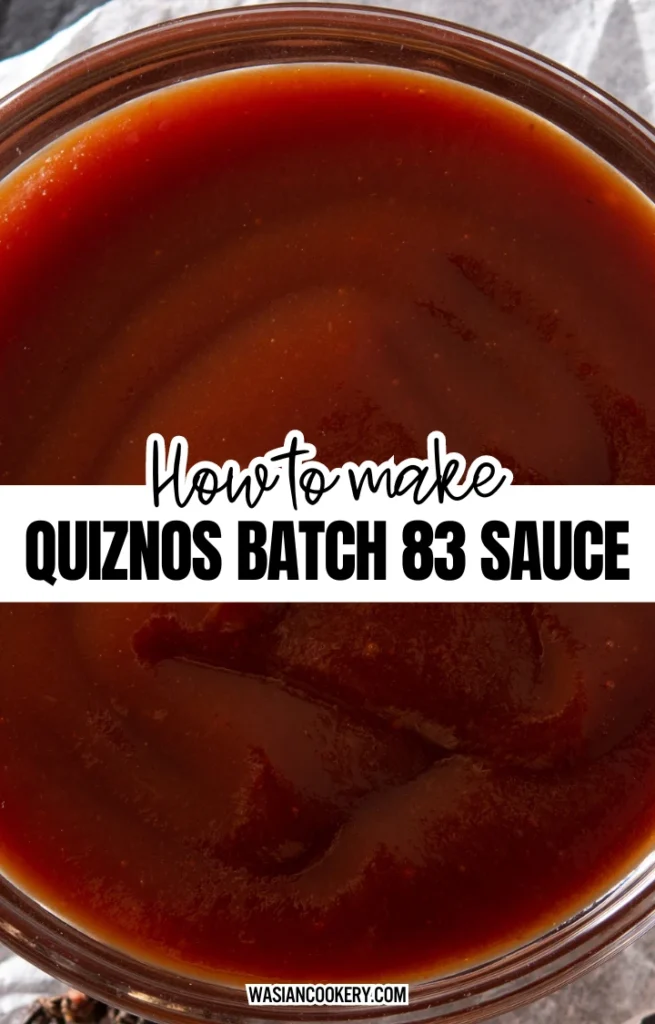
Variations and Swaps
- Anaheim pepper version: use the listed Anaheim option for the two-cup pepper portion, keeping in mind that individual peppers can vary in heat.
- Cubanelle pepper version: use the same listed two-cup amount of Cubanelle peppers for a different mild pepper flavor.
- Chunkier texture: leave more of the cooked vegetables intact if you prefer a relish-like spoonful. The standard method still blends three cups.
- Smoother texture: blend a little more cooked sauce in safe small portions if you want a more even sandwich spread.
- Spicier serving: stir a pinch of cayenne into the portion you are serving instead of making the whole batch hotter.
- Herbed serving: add fresh parsley or cilantro just before eating, choosing whichever suits the rest of the meal.
- Glaze consistency: reduce a small portion a little further until it clings to a brush, watching closely so the sugar does not catch.
- Looser dipping sauce: stir a small splash of water into a serving if it has become too thick after chilling, then mix well before using.
Storage
Divide this large batch into several shallow containers and refrigerate promptly at 40°F or below. Do not leave the full pot on the counter to become completely cold. Refrigerate within two hours, or within one hour if the surrounding temperature is above 90°F, and use refrigerated portions within 3–4 days. The vinegar and sugar do not make this homemade sauce shelf-stable.
Freeze portions you will not use within that time, leaving room for expansion in freezer-safe containers. For best quality, use within about three months. Thaw in the refrigerator and stir if liquid separates. Reheat the portion you need to a rolling boil while stirring. This formula has no validated canning process, so store it in the refrigerator or freezer rather than on a pantry shelf.
FAQ
Is this the exact Quiznos sauce?
This is a home-style tomato and pepper sauce inspired by the restaurant name. It does not claim to reproduce the commercial formula exactly. The ingredient list here tells you what goes into this particular homemade version.
Why does the recipe keep the canned tomato juice?
Keeping it avoids wasting part of the measured canned tomatoes and gives the vegetables liquid while they soften. The uncovered simmer reduces that moisture. Drain over a bowl for easier chopping, then return the juice with the tomatoes.
Can I use fresh tomatoes instead?
Fresh tomatoes contain a different amount of water, so they do not give a dependable direct swap for four cans in this version. Canned tomatoes keep the starting point clearer. A fresh-tomato batch would need its own amount and cooking adjustments.
Why is my sauce still thin?
The tomatoes may be watery, or the pot may be narrow enough to slow evaporation. Continue simmering uncovered and stir frequently. Blend the measured portion before deciding how much extra reduction it needs, since that also changes the texture.
How many cups does one batch make?
The finished amount depends on the canned tomatoes, the pot, and the length of reduction. Measure the cooked sauce if you need an exact amount for meal planning. The card uses one batch rather than promising a fixed number of cups.
Can I store sealed jars in the cupboard?
No. A lid sealing as sauce cools does not establish that it is safe to keep at room temperature. This is a refrigerator or freezer sauce. Use shallow containers for cooling, and follow the storage times given above.
Short Description
A large batch of homemade sweet-and-tangy tomato chili sauce with red peppers, Anaheim or Cubanelle peppers, jalapeño, cider vinegar, and warm spices. Simmer, partially blend, and refrigerate or freeze.
Quiznos Batch 83 Sauce Recipe
Course: SauceCuisine: AmericanDifficulty: Easy1
batch30
minutes1
hour50
minutes2
hours20
minutesA large batch of homemade sweet-and-tangy tomato chili sauce with red peppers, Anaheim or Cubanelle peppers, jalapeño, cider vinegar, and warm spices. Simmer, partially blend, and refrigerate or freeze.
Ingredients
4 cans (28 oz each) of canned tomatoes
4 cups chopped seeded sweet red peppers (about 1 lb)
2 cups chopped seeded Anaheim or Cubanelle peppers (8 oz)
1 cup chopped onions
1/4 cup chopped seeded jalapeño peppers
1-1/2 cups granulated sugar
1-1/2 cups cider vinegar
1 tsp salt
1 bay leaf
1/2 tsp celery seeds
1/2 tsp ground cinnamon
1/4 tsp ground ginger
1/4 tsp ground nutmeg
1/4 tsp ground black pepper
Pinch of ground cloves
Directions
- Open all four cans of tomatoes. Drain them over a large bowl, keeping every bit of the juice. This separates the solids for chopping; the reserved juice will go back into the sauce.
- Chop all of the drained tomatoes, then chop and measure the seeded peppers and onions. Use all the tomatoes from the four cans. Their chopped volume varies by brand, so the original estimate of 9 cups is not a reason to discard tomatoes or open an extra can.
- Put the chopped tomatoes and their reserved juice in a large heavy nonreactive pot, preferably 8 quarts. Add the sweet red peppers, Anaheim or Cubanelle peppers, onions, and jalapeño peppers. Leave plenty of space for stirring and bubbling.
- Add the sugar, cider vinegar, salt, bay leaf, celery seeds, cinnamon, ginger, nutmeg, black pepper, and pinch of cloves. Stir thoroughly, scraping across the bottom so the sugar begins to dissolve.
- Bring to a boil over medium-high heat, stirring often. Allow roughly 10–15 minutes for this large mixture to heat, although your pot and stove may take longer. Lower the heat as soon as it reaches a boil.
- Simmer uncovered with steady, gentle bubbles for about 75 minutes, stirring frequently and scraping the bottom. The vegetables should soften and the mixture should become noticeably thicker. Reduce the heat if it spits or catches; continue a little longer if it is still watery.
- Remove the pot from the heat and find and discard the bay leaf before blending any sauce.
- Ladle 3 cups of sauce into a tall heatproof container approved for use with an immersion blender, leaving generous space above it. Let active bubbling stop before blending. Keep the remaining sauce off the heat during this short step.
- Using an immersion blender suitable for hot food, puree the measured portion until smooth. Keep the blade guard submerged, start slowly, and stop the motor before lifting it. Follow your appliance’s hot-food limits and avoid splashing.
- Return the pureed portion to the pot and stir it into the remaining sauce. Bring back to a gentle simmer and cook for another 15 minutes, stirring often. The finished sauce should be thick but spoonable, with some soft vegetable pieces remaining.
- Serve warm or divide promptly into shallow containers for refrigeration. Allow about 2 hours 20 minutes total for preparation, heating, simmering, and partial blending; watery tomatoes may need extra reduction. The recipe makes one large batch with a variable finished volume. Refrigerate at 40°F or below and use within 3–4 days, or freeze portions. This is not a shelf-stable canning recipe.
Notes
- Use all four 28-ounce cans of tomatoes and their juice; the chopped tomato volume will vary.
- Discard the bay leaf before safely blending three cups of sauce.
- One batch is shown because the finished volume depends on reduction.
- Refrigerate promptly at 40°F or below and use within 3–4 days, or freeze. This is not a shelf-stable canning formula.