Ruben Santana BBQ Sauce Recipe
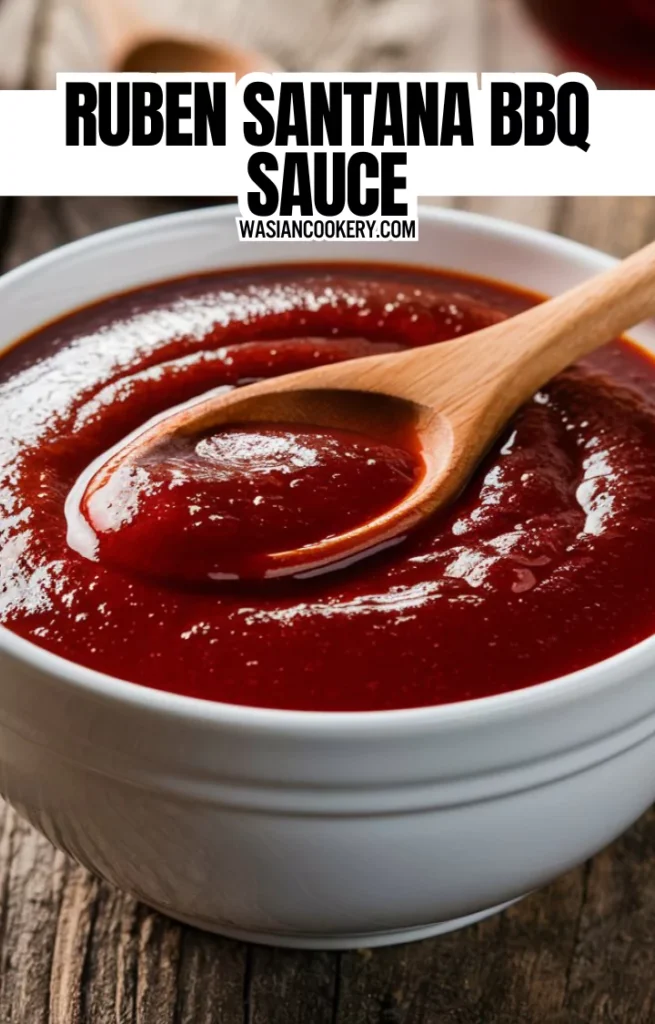
My favorite barbecue sauces have a little sweetness, plenty of tang, and enough smoky flavor to make a simple dinner feel special. This Ruben Santana BBQ Sauce brings those flavors together with ketchup, apple cider vinegar, brown sugar, honey, and molasses.
After sharing Bill Miller BBQ Sauce and Wendy’s BBQ Sauce, I was happy to hear how much you enjoyed trying them. This is another homemade sauce for the same collection, with smoked paprika and a gentle peppery finish.
I love using it on grilled ribs, as a glaze for chicken, and mixed into pulled pork. It also works on burgers and stirred through baked beans. A gentle simmer gives the pantry ingredients time to come together without making the method fussy.
Why This Sauce Is Great
- The ingredients are easy to measure and mix in one saucepan. There are no fresh vegetables to chop or seeds to strain out before serving.
- Three sweeteners give the sauce a rounded flavor. Brown sugar, honey, and molasses each bring something slightly different to the tangy tomato base.
- Smoked paprika supplies smoky flavor without a smoker. It also gives the sauce a warm red color that looks inviting brushed over grilled food.
- The heat is flexible because the cayenne is optional. Make the base without it when serving people who prefer a gentle sauce.
- You can prepare a batch while the rest of dinner cooks. Once it is ready, set some aside for dipping and use the remainder as a finishing glaze.
- It works with more than one meal. A spoonful can dress up beans, a sandwich, a baked potato, or cooked vegetables without starting another recipe.
What Is the Best Ketchup to Use?
Choose a smooth ketchup with a tomato flavor you already like. It supplies much of the sauce’s body, salt, and acidity. A strongly flavored ketchup can make the final sauce sweeter, smokier, or spicier before you add any of the other ingredients.
Plain apple cider vinegar gives a fruity tang. Use the measured half cup rather than guessing from the bottle, because a small difference is noticeable in a saucepan this size. Smoked paprika should smell pleasantly smoky; ordinary sweet paprika will give color but a different flavor.
Use regular unsulphured molasses for a rounded, bittersweet note. Blackstrap molasses can taste considerably more bitter. Light or dark brown sugar both fit the recipe, although dark brown sugar adds a deeper molasses taste. Break up dry sugar clumps before heating.
Ingredients
- 1 cup ketchup
- 1/2 cup apple cider vinegar
- 1/4 cup brown sugar
- 2 tablespoons Worcestershire sauce
- 1 tablespoon Dijon mustard
- 1 tablespoon soy sauce
- 1 tablespoon smoked paprika
- 1 teaspoon garlic powder
- 1 teaspoon onion powder
- 1/2 teaspoon black pepper
- 1/4 teaspoon cayenne pepper (optional, for heat)
- 1/4 cup honey
- 2 tablespoons molasses
The recipe makes one batch. The final cup volume depends on how wide your saucepan is and how much liquid evaporates during simmering, so the card avoids an exact measured yield. The listed quantities stay the same whether you use the sauce for dipping or brushing.
Kitchen Equipment You Will Need
As an Amazon Associate I earn from qualifying purchases.
- Medium heavy-bottomed saucepan
- Measuring cups
- Measuring spoons
- Whisk
- Heat-safe spoon
- Small serving bowls
- Pastry brush
- Citrus zester
- Shallow heat-safe storage containers
- Food thermometer
How To Make Ruben Santana BBQ Sauce
- Combine the base. In a medium heavy-bottomed saucepan, whisk together the ketchup, apple cider vinegar, brown sugar, Worcestershire sauce, Dijon mustard, soy sauce, smoked paprika, garlic powder, onion powder, black pepper, and optional cayenne. Break up any sugar lumps. Keep the honey and molasses aside for now.
- Warm gently. Place the saucepan over medium heat and stir as the mixture warms, about 5 minutes. When small bubbles begin to rise, lower the heat. Stay nearby so the thick sauce does not splatter or scorch around the edges.
- Simmer the base. Cook uncovered over low heat for about 20 minutes, stirring regularly across the bottom and around the sides. Look for a gentle simmer rather than a rolling boil. The sauce should gradually become smoother and slightly thicker.
- Add the honey and molasses. Stir in all of the measured honey and molasses and simmer gently for another 10 minutes, stirring often. The sauce should coat a spoon while still falling from it easily. It will thicken further as it cools, so do not cook it down to a sticky paste.
- Cool briefly and serve. Remove from the heat and let stand for about 10 minutes before serving warm. Taste only a cooled spoonful. For storage, transfer to shallow heat-safe containers and refrigerate promptly, within 2 hours of cooking or 1 hour above 90°F. Do not wait for the sauce to cool completely on the counter. Keep at 40°F or below and use within 3–4 days.
Notes
- Keep the heat low once the mixture starts simmering. Fast boiling can send thick tomato sauce out of the pan and may leave a scorched layer underneath.
- Stir across the whole bottom of the pan. The corners and edges need attention too, especially after you add the honey and molasses.
- Let a spoonful cool before judging the thickness. Hot sauce flows more freely, so reducing it until it looks thick in the pan can make it too sticky later.
- Measure the honey and molasses separately from the base ingredients. They go in after the first simmer, which keeps the method easy to follow.
- If the sauce reduces too far, remove it from the heat. A small splash of water stirred into a cooled portion can loosen it; it does not need another full cooking cycle.
- Do not scrape a burned layer into the sauce. A bitter, scorched flavor cannot be corrected by adding more sugar, and it is better to begin again.
- Reserve clean sauce before using a brush on meat. Keep that clean portion for the table and discard sauce contaminated by raw meat or a used brush.
Ingredients You Can Add
These optional ideas are for small portions after you have tasted the original batch. They are not required ingredients, and adding several at once can hide the sweet, tangy balance.
- A few drops of liquid smoke can deepen the smoky flavor. Add carefully because its strength varies and the sauce already contains smoked paprika.
- A little hot sauce brings extra pepper heat and acidity. Stir it into a serving bowl if only one person wants a hotter version.
- A small pinch of chipotle powder adds smoky heat. Begin lightly so its earthy flavor does not dominate the ketchup and honey.
- A pinch of ground cumin gives a warmer, savory note. It works well when the sauce is going onto beef or beans.
- A little extra black pepper gives a more peppery finish. Use finely ground pepper if you want to keep the sauce smooth.
- A small pinch of orange zest adds a bright aroma. Keep the addition modest and taste a spoonful before changing the whole batch.
What To Serve With It
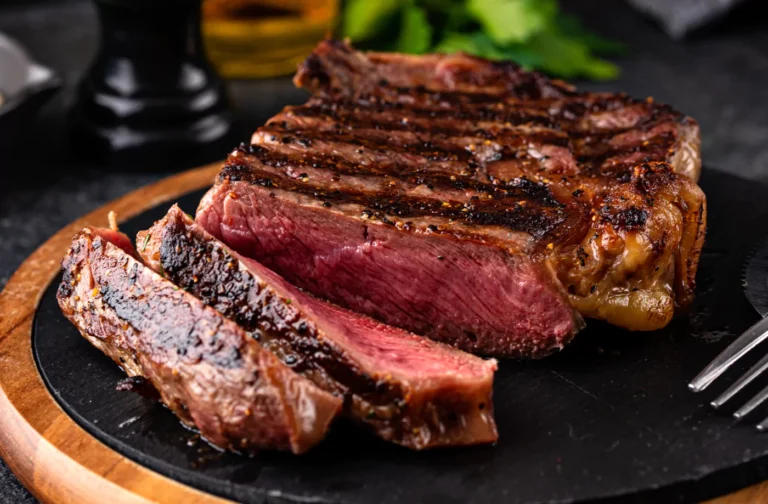
For ribs, chicken, or pork chops, brush on a thin layer near the end of cooking and watch it closely. The sugars can burn over strong direct heat. Cook the meat fully using its own recipe and check doneness with a thermometer; a dark glaze does not tell you whether the inside is ready.
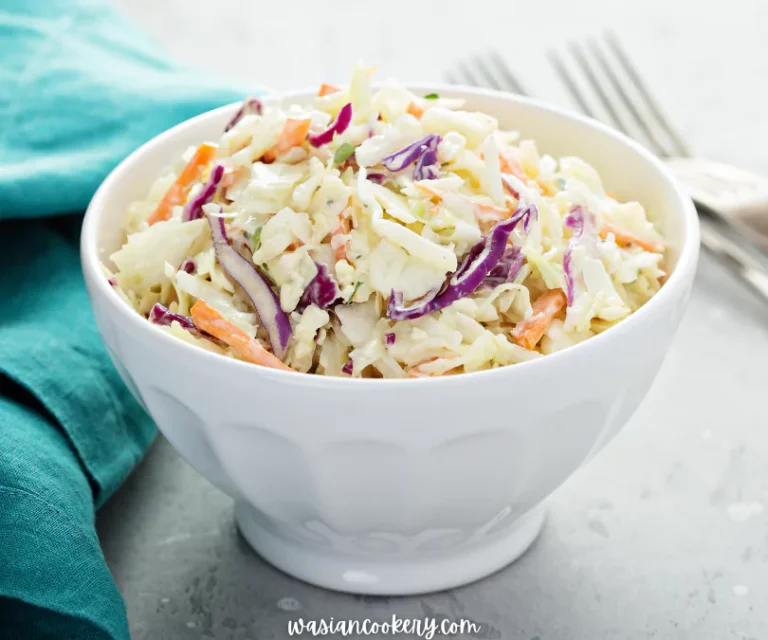
Pulled pork sandwiches are another favorite. Stir in a little sauce, taste, then add more only if needed so the meat stays the main part of the filling. Serve Dinosaur Barbeque Coleslaw on the side for a cool, crunchy bite.
Use a thin spread on a burger bun, spoon it into baked beans, or add a little to a meatloaf glaze. It can also replace a portion of tomato sauce on a barbecue-style pizza. Keep the layer light so its sweetness does not overwhelm the toppings.
Variations and Swaps
- For the gentlest version, omit the optional cayenne. Smoked paprika adds smoke and color, but check whether yours is labeled hot before using it.
- For more heat, increase the cayenne a little at a time in a separate portion. A little pepper can make a noticeable difference after stirring.
- For a darker sauce, choose dark brown sugar while keeping the listed amount. Its deeper flavor works with the molasses already in the recipe.
- For a lighter molasses flavor, choose light brown sugar. Keep the honey and molasses amounts unchanged to understand the original balance before experimenting.
- White vinegar or red wine vinegar can replace the cider vinegar in a variation, using the same measured amount. Expect a sharper or different fruity character.
- For a gluten-free version, use verified gluten-free soy sauce and Worcestershire sauce, and check the mustard and other condiment labels as well.
- For a fish-free version, select an anchovy-free Worcestershire-style sauce. Ordinary Worcestershire can contain fish even though it looks like a simple brown condiment.
- For a double batch, double every measured ingredient and use a larger saucepan with room for stirring. Evaporation may take a different amount of time, so watch the texture.
Storage
Refrigerate the sauce promptly in shallow heat-safe containers at 40°F or below and use within 3–4 days. Do not leave a full saucepan on the counter waiting for it to become completely cold. Label the container with the preparation date and use a clean spoon each time you take some out.
For longer storage, freeze small portions in suitable airtight containers, leaving space for expansion. Thaw in the refrigerator and stir before use. This recipe has not been validated for canning or pantry storage; transferring it to a jar does not make it shelf stable. Discard portions left out more than 2 hours, or 1 hour above 90°F.
FAQ
Is this an official restaurant formula?
This is a homemade recipe presented under the Ruben Santana BBQ Sauce name. It is not a verified restaurant formula, and the flavor will vary with the ketchup, vinegar, and molasses you choose.
Why does the cooking time include more than the simmer?
The base takes about 5 minutes to warm before its 20-minute simmer, then another 10 minutes after the honey and molasses are added. The estimated total also includes preparation and a brief cool to warm serving temperature.
Can I make it less sweet?
The base recipe keeps its three measured sweeteners. For a future variation you can reduce them to suit your taste, but that changes the flavor, thickness, and yield. Try the written recipe first if you want a clear starting point.
Can I use it as a marinade?
Yes, but marinate meat in the refrigerator and reserve a separate clean portion for serving before adding any raw meat. Discard used marinade. This sweet sauce is especially easy to use as a finishing glaze.
Why is the sauce too thin while hot?
Let a small sample cool before deciding it needs more cooking. If it is still thin, gently simmer the main batch a little longer while stirring. Do not chase a thick, sticky texture while it is boiling hot.
Can I put the sauce on chicken at the start?
It is better added near the end because its sugars can darken quickly. Continue cooking chicken until the thickest part reaches 165°F, keeping the glaze away from fierce heat so it does not burn first.
Short Description
A sweet, tangy homemade barbecue sauce with ketchup, cider vinegar, honey, molasses, and smoked paprika. Simmer gently, then brush onto cooked meats or serve as a dip.
Ruben Santana BBQ Sauce Recipe
Course: SauceCuisine: AmericanDifficulty: Easy1
batch10
minutes35
minutes55
minutesA sweet, tangy homemade barbecue sauce with ketchup, cider vinegar, honey, molasses, and smoked paprika. Simmer gently, then brush onto cooked meats or serve as a dip.
Ingredients
1 cup ketchup
1/2 cup apple cider vinegar
1/4 cup brown sugar
2 tablespoons Worcestershire sauce
1 tablespoon Dijon mustard
1 tablespoon soy sauce
1 tablespoon smoked paprika
1 teaspoon garlic powder
1 teaspoon onion powder
1/2 teaspoon black pepper
1/4 teaspoon cayenne pepper (optional, for heat)
1/4 cup honey
2 tablespoons molasses
Directions
- Combine the base. In a medium heavy-bottomed saucepan, whisk together the ketchup, apple cider vinegar, brown sugar, Worcestershire sauce, Dijon mustard, soy sauce, smoked paprika, garlic powder, onion powder, black pepper, and optional cayenne. Break up any sugar lumps. Keep the honey and molasses aside for now.
- Warm gently. Place the saucepan over medium heat and stir as the mixture warms, about 5 minutes. When small bubbles begin to rise, lower the heat. Stay nearby so the thick sauce does not splatter or scorch around the edges.
- Simmer the base. Cook uncovered over low heat for about 20 minutes, stirring regularly across the bottom and around the sides. Look for a gentle simmer rather than a rolling boil. The sauce should gradually become smoother and slightly thicker.
- Add the honey and molasses. Stir in all of the measured honey and molasses and simmer gently for another 10 minutes, stirring often. The sauce should coat a spoon while still falling from it easily. It will thicken further as it cools, so do not cook it down to a sticky paste.
- Cool briefly and serve. Remove from the heat and let stand for about 10 minutes before serving warm. Taste only a cooled spoonful. For storage, transfer to shallow heat-safe containers and refrigerate promptly, within 2 hours of cooking or 1 hour above 90°F. Do not wait for the sauce to cool completely on the counter. Keep at 40°F or below and use within 3–4 days.
Notes
- Makes one batch; the finished volume depends on your saucepan and how much liquid evaporates.
- Estimated total includes 10 minutes of preparation, about 35 minutes of heating and simmering, and 10 minutes of cooling to warm serving temperature.
- Keep a clean portion separate for dipping before brushing sauce onto meat. Refrigerate promptly at 40°F or below and use within 3–4 days.