
Easy Salporanz Cookie Recipe
In my kitchen, a crumbly cookie and a warm cup of tea make a lovely little break. These Salporanz cookies use rice flour, butter, milk, and vanilla for a simple, gently crisp treat.
I first enjoyed them at my neighbor’s house and liked their delicate texture. The ingredient list is short, and the optional cinnamon and powdered sugar let you keep the finish as plain or as fragrant as you like.
This is a home-style rice-flour cookie recipe. Shape the dough gently, keep the pieces even, and let the baked cookies cool before moving them too much. They become easier to handle as they firm up.
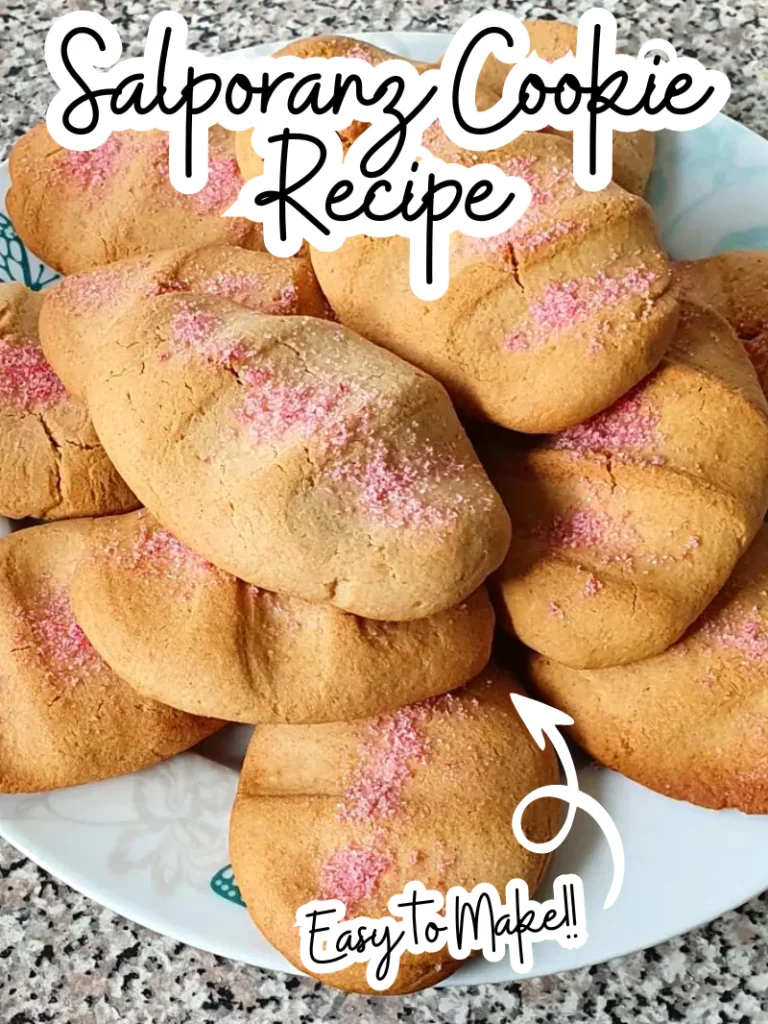
Why These Cookies Are Great
- Rice flour gives the cookies a delicate, crumbly bite. Using finely milled flour helps the finished texture feel smoother and less gritty.
- The dough uses everyday ingredients and contains no eggs. You still need to bake it fully because uncooked flour should not be eaten.
- Vanilla gives the base a gentle aroma, while the optional cinnamon adds warmth. Both choices suit a plain cup of coffee or tea.
- Hand-shaped disks keep the process simple. You do not need to roll a large sheet of dough or lift fragile cutout shapes.
- The original batch makes about twenty cookies when divided into twenty equal portions. Small differences in shaping are fine as long as the thickness is consistent.
What Is the Best Main Ingredient
Use finely milled white rice flour for this recipe. Ordinary rice flour and sweet, sticky, or glutinous rice flour behave differently, so check the bag rather than judging only by its color. A general gluten-free baking blend also contains other ingredients and should not be assumed to behave like plain rice flour.
Spoon the flour into your dry measuring cup and level the top without tapping or pressing it down. Too much flour can make this already delicate dough hard to bring together. Fine milling and accurate measurement are especially helpful here because there is no egg or gluten network to hold an over-dry mixture together.
Ingredients
- 2 cups rice flour
- 1 cup sugar
- 1/2 cup butter, softened
- 1/4 cup milk
- 1 teaspoon vanilla extract
- 1/4 teaspoon salt
- 1/4 teaspoon ground cinnamon (optional)
- Powdered sugar for dusting (optional)
Use granulated sugar in the dough and reserve the optional powdered sugar for the cooled cookies. The butter should yield to a fingertip while still holding its shape. Milk that is not icy cold blends more easily with softened butter, but return the finished dough to the refrigerator for its chilling time.
Kitchen Equipment You Will Need
As an Amazon Associate I earn from qualifying purchases.
- Mixing bowl
- Electric hand mixer
- Silicone spatula
- Dry measuring cups
- Liquid measuring cup
- Measuring spoons
- Large baking sheets
- Parchment paper
- Plastic food wrap
- Thin cookie spatula
- Wire cooling rack
- Oven mitts
- Fork
- Fine-mesh sugar sifter
How To Make Salporanz Cookies
- Start with softened, pliable butter that is not melted. Line two large baking sheets with parchment paper. Measure the rice flour by spooning it gently into the measuring cup and leveling it rather than packing it down.
- Beat the softened butter and granulated sugar in a mixing bowl for about 2–3 minutes, until lighter and evenly combined. Scrape down the bowl with the mixer switched off. The sugar does not have to dissolve completely.
- Add the 1/4 cup milk and 1 teaspoon vanilla extract. Mix on low speed until combined, scraping the bowl again as needed. The mixture may look slightly uneven before the flour goes in.
- Stir in the rice flour, salt, and optional ground cinnamon until no dry pockets remain and the mixture holds together when pressed. Cover and refrigerate for 30 minutes to firm the butter and let the dough rest. Near the end of chilling, preheat the oven to 350°F (175°C).
- Divide the dough into 20 similar portions. Gently press and roll each into a ball, then flatten to an even disk about 3/8 inch thick. Press small cracks at the edges back together with your fingers.
- Arrange the disks on the prepared sheets, leaving at least 1 inch between them. Keep the second tray refrigerated while the first bakes. If the dough becomes shiny, greasy, or too soft to shape, chill it again until manageable and allow extra time.
- Bake one sheet at a time on the center rack for 12–15 minutes per sheet, about 24–30 minutes total. Look for set centers and lightly golden edges, not a deeply browned top. Rotate a tray if your oven browns unevenly, and allow extra baking time if centers still look wet.
- Let the cookies stand on their baking sheet for 5 minutes so they firm up. Transfer carefully with a thin spatula to a wire rack and cool fully, about 15 minutes more or as needed. Do not lift very hot, fragile cookies immediately.
- Once completely cool, dust lightly with the optional powdered sugar if desired. Allow about 100 minutes from start to finish: 20 minutes preparation, 30 minutes chilling, up to 30 minutes baking in two batches, and about 20 minutes cooling after the last batch.
- Serve with tea, coffee, or milk. Store fully cooled cookies in an airtight container at cool room temperature for several days, or freeze for longer storage. Do not taste the raw dough, even though it contains no eggs.
Notes
- Creaming the butter and sugar is useful, but stop when the mixture is lighter and even. Excessive beating is not needed for this simple cookie.
- Scrape the bottom and sides of the mixing bowl. A hidden pocket of unmixed butter or dry flour can make some cookies spread differently.
- A little crumbliness before pressing is normal. Squeeze a small portion together to check the texture before assuming the dough needs another ingredient.
- If the dough is greasy or sticky, chill it rather than adding extra flour. Extra flour changes the balance and can make the cookies too dry.
- Keep every disk about the same thickness. Very thin edges brown quickly, while a thick middle may still look damp when the outside is done.
- Start checking near twelve minutes. Oven behavior and pan color vary, so use set centers and lightly golden edges along with the timing.
- Let the cookies firm on the baking sheet before lifting them. Slide a thin spatula fully underneath each one to support its delicate center.
Ingredients You Can Add
- A little finely grated lemon zest gives the dough a fresh aroma. Avoid the bitter white layer underneath the colored peel.
- Orange zest is another gentle option and works well with the cinnamon already offered in the base recipe.
- A small pinch of ground cardamom adds a floral note. Keep the amount restrained so it does not overwhelm the vanilla.
- A light pinch of ground nutmeg gives a warmer finish. Choose this or another extra spice rather than adding every flavor together.
- Melted chocolate can decorate fully cooled cookies. Let it set before packing, and check its ingredients for any dietary needs.
- Fresh berries make a colorful accompaniment on the serving plate. Keep moist fruit separate from stored cookies so they remain crisp.
What To Serve With Salporanz Cookies
Serve these cookies by themselves with tea, coffee, or a glass of cold milk. Their delicate texture makes a nice contrast on a mixed plate with chocolate chip cookies. Set out small portions so the remaining cookies stay protected in their container.
For an autumn cookie selection, pair them with pumpkin chocolate chip cookies. Keep each kind in its own storage container until serving; moisture from a softer cookie can change the texture of a crisp one.
If you enjoy another flour-conscious baking option, oatmeal peanut butter cookies offer a different flavor and texture. Check every recipe and ingredient for guests’ needs. You can also serve a Salporanz cookie beside ice cream, adding it only at the last moment.
Variations and Swaps
- For plain vanilla cookies, leave out the optional cinnamon. Keep the vanilla and all the measured base ingredients as listed.
- For the cinnamon version, include the listed quarter teaspoon with the rice flour and salt so it distributes evenly.
- For an undecorated finish, skip the optional powdered sugar. The granulated sugar already in the dough provides sweetness.
- For a light snowy finish, dust cooled cookies just before serving. Warm cookies can absorb the sugar and make the coating disappear.
- For a simple patterned top, press shallow lines with a fork while flattening. Avoid pressing so hard that the edges become much thinner.
- For a smoother top, flatten the balls gently with clean fingertips and press any small edge cracks back together before baking.
- For a gluten-free batch, choose verified gluten-free ingredients and use clean equipment and work surfaces. Rice flour alone does not address cross-contact.
- For later enjoyment, freeze the baked cookies instead of leaving the whole batch out for an extended time. Plain cookies are easier to pack than freshly decorated ones.
Storage
Let the cookies cool completely before closing them in a container. Store them in an airtight container in a cool, dry place for several days, with parchment between layers if they are fragile or decorated. Keep them separate from moist cakes and soft cookies. Warm cookies trapped under a lid create condensation and lose their crispness.
For longer storage, freeze the fully cooled cookies in a rigid freezer-safe container with protected layers. Thaw while still covered so moisture does not settle directly onto the cookies, then uncover once they reach room temperature. Add powdered sugar after thawing if desired. Freeze while the cookies are fresh rather than waiting until their texture has already deteriorated.
FAQ
These answers focus on the rice flour, handling, and cooling that matter most for this delicate cookie.
Are these cookies gluten-free?
The listed base uses rice flour, but check every package and prevent cross-contact if gluten-free food is needed. Flavorings, decorations, and shared equipment can matter too. The recipe contains dairy from butter and milk.
Can I use sweet rice flour?
Use ordinary finely milled white rice flour here. Sweet or glutinous rice flour has different starch behavior and may change how the dough binds and bakes. It is not a direct replacement for this formula.
Why does my dough crumble?
Rice-flour dough lacks the stretch of wheat-flour dough. Press a portion together gently and scrape in any unmixed butter before troubleshooting further. Packed flour measurements or butter that is too firm can make the mixture unusually dry.
Why did the cookies spread too much?
Butter that is overly warm or melted can contribute to spreading. Follow the chilling step, start with cool prepared pans, and fully preheat the oven. Keep the second tray refrigerated while the first one bakes.
How do I know they are baked?
The edges should be lightly golden and the centers should look set rather than wet. The tops can remain fairly pale. Give them the full cooling step before judging their firmness or trying to stack them.
Can I taste the dough because it has no eggs?
No. Raw flour can carry harmful germs even in an egg-free dough. Bake the cookies before eating them, and wash hands, utensils, and work surfaces after handling the raw mixture.
Short Description
Simple home-style rice-flour cookies made with butter, milk, sugar, and vanilla, with optional cinnamon and powdered sugar. Chill the dough, bake evenly shaped disks, and cool them carefully for a delicate, crumbly finish.
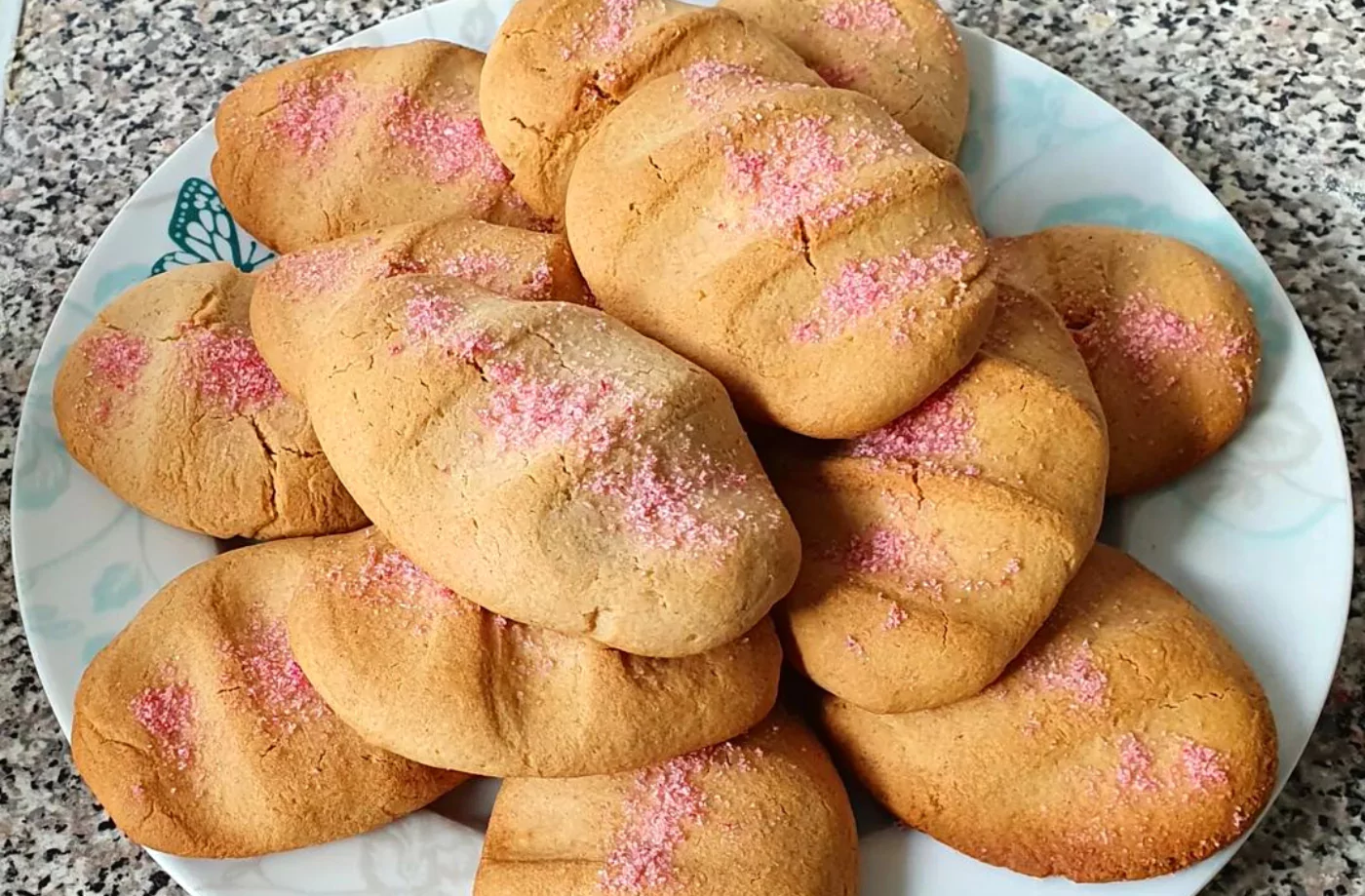
Salporanz Cookie Recipe
Course: DessertDifficulty: Easy20
servings20
minutes30
minutes1
hour40
minutesHome-style rice-flour cookies with butter, milk, sugar, and vanilla. Optional cinnamon and powdered sugar add a simple finish. Makes about 20 hand-shaped cookies.
Ingredients
2 cups rice flour
1 cup sugar
1/2 cup butter, softened
1/4 cup milk
1 teaspoon vanilla extract
1/4 teaspoon salt
1/4 teaspoon ground cinnamon (optional)
Powdered sugar for dusting (optional)
Directions
- Start with softened, pliable butter that is not melted. Line two large baking sheets with parchment paper. Measure the rice flour by spooning it gently into the measuring cup and leveling it rather than packing it down.
- Beat the softened butter and granulated sugar in a mixing bowl for about 2–3 minutes, until lighter and evenly combined. Scrape down the bowl with the mixer switched off. The sugar does not have to dissolve completely.
- Add the 1/4 cup milk and 1 teaspoon vanilla extract. Mix on low speed until combined, scraping the bowl again as needed. The mixture may look slightly uneven before the flour goes in.
- Stir in the rice flour, salt, and optional ground cinnamon until no dry pockets remain and the mixture holds together when pressed. Cover and refrigerate for 30 minutes to firm the butter and let the dough rest. Near the end of chilling, preheat the oven to 350°F (175°C).
- Divide the dough into 20 similar portions. Gently press and roll each into a ball, then flatten to an even disk about 3/8 inch thick. Press small cracks at the edges back together with your fingers.
- Arrange the disks on the prepared sheets, leaving at least 1 inch between them. Keep the second tray refrigerated while the first bakes. If the dough becomes shiny, greasy, or too soft to shape, chill it again until manageable and allow extra time.
- Bake one sheet at a time on the center rack for 12–15 minutes per sheet, about 24–30 minutes total. Look for set centers and lightly golden edges, not a deeply browned top. Rotate a tray if your oven browns unevenly, and allow extra baking time if centers still look wet.
- Let the cookies stand on their baking sheet for 5 minutes so they firm up. Transfer carefully with a thin spatula to a wire rack and cool fully, about 15 minutes more or as needed. Do not lift very hot, fragile cookies immediately.
- Once completely cool, dust lightly with the optional powdered sugar if desired. Allow about 100 minutes from start to finish: 20 minutes preparation, 30 minutes chilling, up to 30 minutes baking in two batches, and about 20 minutes cooling after the last batch.
- Serve with tea, coffee, or milk. Store fully cooled cookies in an airtight container at cool room temperature for several days, or freeze for longer storage. Do not taste the raw dough, even though it contains no eggs.
Notes
- Total 100 minutes includes 20 minutes preparation, 30 minutes chilling, up to 30 minutes baking in two batches, and about 20 minutes cooling after the final batch. Use ordinary finely milled white rice flour. Let the cookies firm on the baking sheet before lifting. Raw dough is not safe to taste.