Hello Fresh Cream Sauce Base Recipe
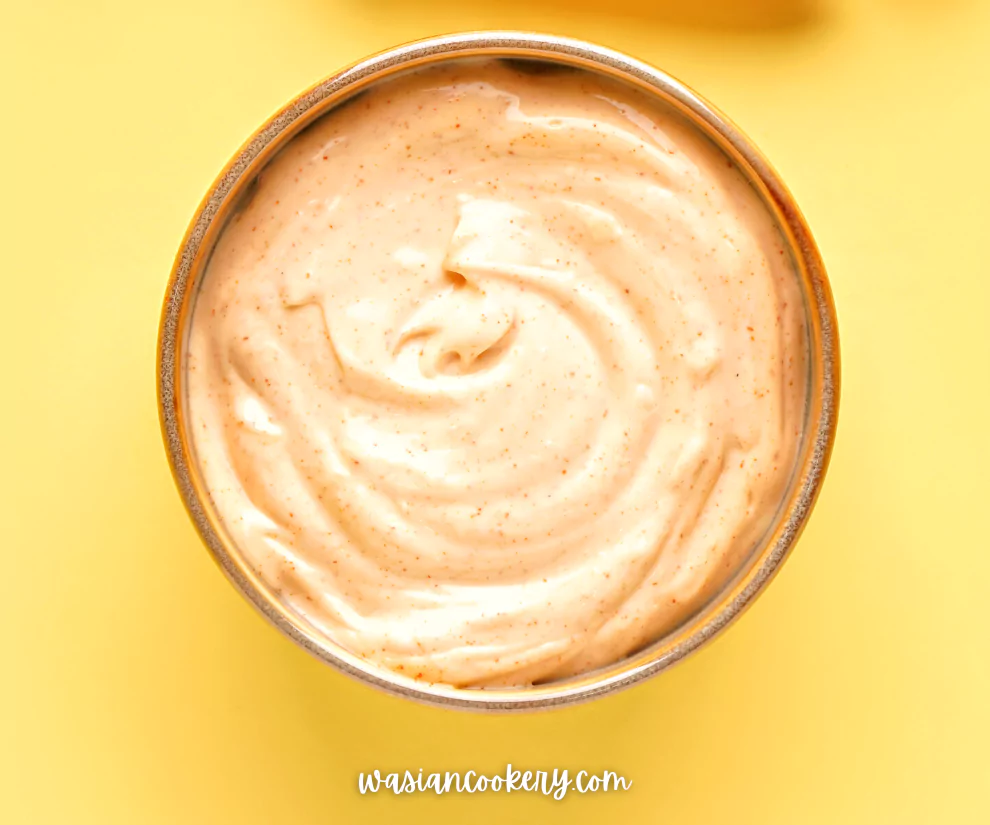
In my kitchen, this homemade HelloFresh-inspired cream sauce base uses butter, flour, milk, and a little heavy cream. It makes a small batch of mild, rich white sauce for spooning over vegetables or adding to a pasta dish.
The butter and flour cook together first, then the dairy goes in gradually. That simple step helps the sauce stay smooth and gives you a chance to work out lumps before the mixture thickens.
Allow about 5 minutes to measure and 10 minutes to cook. These ingredient amounts make a thick base divided into four small portions. This is a homemade interpretation, not a verified recipe for the HelloFresh packet.
What to Expect From This Sauce
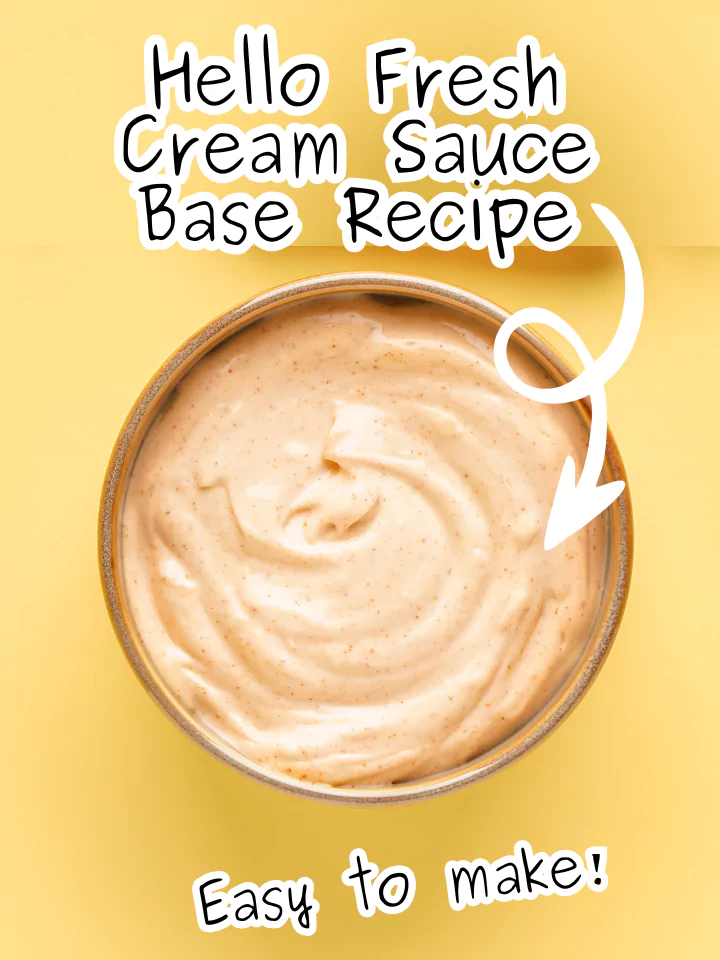
With 2 tablespoons of flour and just 1/2 cup of milk plus 3 tablespoons of cream, this sauce is quite thick. Use it as a starting point rather than expecting a large pan of ready-to-pour pasta sauce. If your finished dish needs more liquid, loosen the cooked base gradually.
The nutmeg should sit quietly in the background. Add only a pinch, and keep the seasoning simple if you plan to stir in cheese, stock, or another salty ingredient later.
Kitchen Equipment You Will Need
As an Amazon Associate I earn from qualifying purchases.
Preparation Tips
Use a Small saucepan so this small batch does not spread too thinly. A Whisk helps smooth the roux, and Measuring cups and spoons keep the flour and dairy proportions consistent.
Cream Sauce Base Ingredients
- 2 tablespoons unsalted butter
- 2 tablespoons all-purpose flour
- 1/2 cup whole milk
- 3 tablespoons heavy cream
- 1/4 teaspoon salt
- 1/8 teaspoon black pepper
- Pinch of ground nutmeg
How to Make the Cream Sauce Base
Step 1
Melt the 2 tablespoons of unsalted butter in a small saucepan over medium-low heat. Keep it pale; lower the heat if the butter starts to brown.
Step 2
Whisk in the 2 tablespoons of flour until no dry patches remain. Cook for 1–2 minutes, whisking, until the paste is smooth and bubbling. Do not let it turn brown.
Step 3
Take the pan off the heat. Add the 1/2 cup of milk a little at a time, whisking each addition smooth before adding more. Whisk in the 3 tablespoons of heavy cream, reaching into the corners of the pan.
Step 4
Return to medium-low heat and stir continuously until the sauce bubbles gently, about 3–5 minutes. Cook and stir for 1 more minute, lowering the heat as needed. It should be smooth and thick enough to coat a spoon; avoid a hard, prolonged boil.
Step 5
Stir in the 1/4 teaspoon of salt, 1/8 teaspoon of black pepper, and pinch of nutmeg. Remove from the heat. Taste before adding any extra seasoning.
Step 6
Use the sauce while warm. This is a thick base; for an optional thinner serving sauce, whisk in extra milk 1 tablespoon at a time until it flows as needed. Added milk is separate from the listed base recipe. The sauce thickens again as it cools.
Keep It Smooth
Level the flour: Use level tablespoons. A heaped spoon adds more thickener to an already thick base.
Add the milk slowly: The first small addition may make a stiff paste. Whisk it smooth before the next splash, and scrape along the bottom edges of the saucepan.
Watch the heat: If the sauce catches on the bottom, lower the heat and keep stirring. For stubborn lumps, take the pan off the burner and whisk, or strain the finished sauce through a fine-mesh sieve. If it smells scorched, start over rather than scraping burned bits into the sauce.
Follow the Texture as It Changes
Once the flour meets the melted butter, the mixture should become a smooth, pale paste. This butter-and-flour mixture is called a roux. Small bubbles are expected as it cooks, but you are not looking for a toasted brown color. Use the whisk to reach around the edge where the flat bottom meets the side of the pan.
The first addition of milk can make the roux look thicker before it begins to loosen. That temporary paste is normal. Work it smooth while the pan is off the burner, then add the next small amount. Pouring all the dairy in at once can leave little pieces of thick roux floating in a much thinner liquid.
After the cream is mixed in, check the bottom of the pan with the whisk before returning it to the heat. A smooth-looking surface can hide a thicker pocket underneath. Once everything is even, stir across the base and around the sides as the sauce warms, rather than whisking only in the middle.
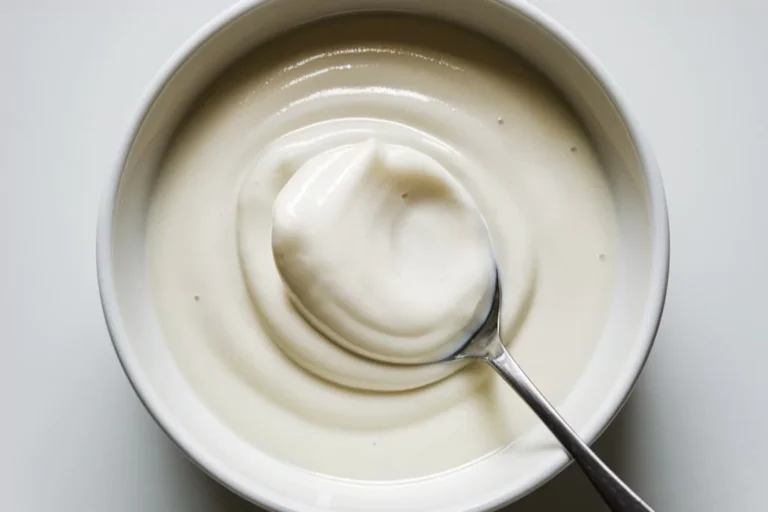
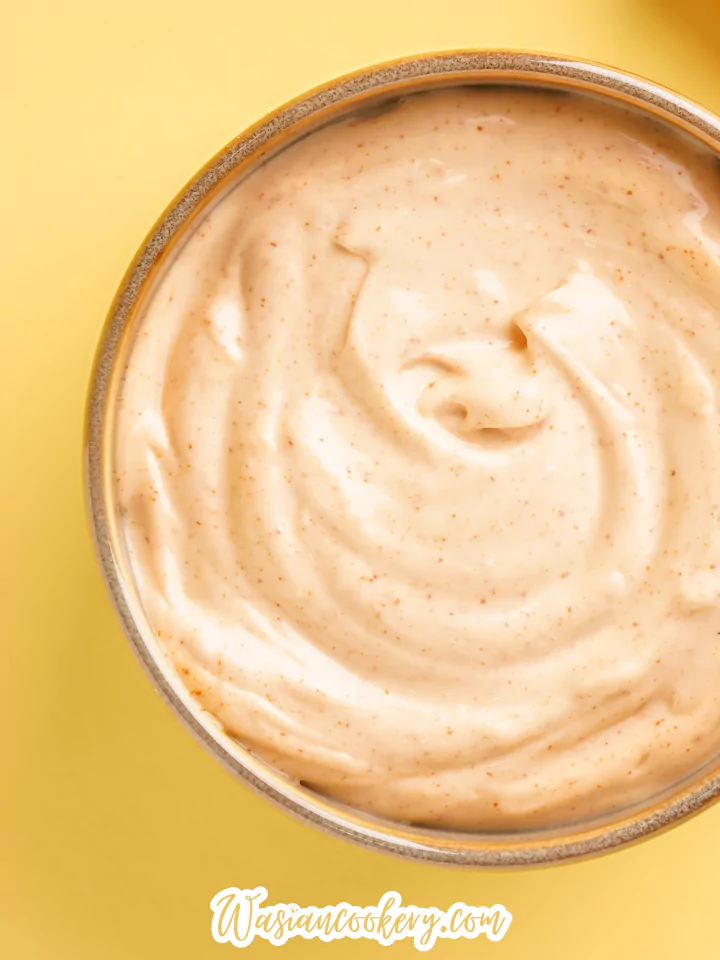
The finished base should leave a thick coating on the back of a spoon and fall from it slowly. It will become firmer as it stands, so assess it while warm before deciding whether to use the optional extra milk. Add that milk gradually and stir it fully through before checking again.
Use the Base in a Finished Dish
Have the food you plan to sauce ready before starting this quick recipe. Cook and drain vegetables, or have the pasta nearly ready, so the base can be used while it is still easy to stir. Setting out the serving bowls first also helps with a small batch that thickens quickly off the heat.
Let cooked vegetables drain well before spooning the sauce over them. Water caught in broccoli florets or at the bottom of a bowl can dilute the first spoonfuls unevenly. Add a small amount of sauce, turn the vegetables gently to coat them, and decide whether the dish needs the rest.
For pasta, keep the reserved cooking water nearby and combine the hot pasta and base before deciding on the final amount of thinning liquid. Different pasta shapes carry sauce differently. Short shapes with ridges can hold a thicker coating, while a longer noodle may need a looser sauce to spread evenly along its length.
Treat the four portions as small servings of a concentrated base. If you need sauce for a larger dish, multiply all the base ingredients together rather than adding only more butter or flour. Allow the same cooking cues to guide you, since a larger batch may take longer to heat through.
Optional Flavor Changes
For a garlic version, soften a small minced garlic clove in the melted butter for about 30 seconds before adding the flour. Stir chopped parsley or a little lemon zest into the finished sauce for a fresher flavor.
For a cheese sauce, remove the pan from the heat before stirring in finely grated Parmesan or cheddar, a little at a time. Taste before adding more salt. These are optional additions and are not included in the base ingredient amounts.
Ways to Use It
Spoon a small portion over cooked broccoli, cauliflower, chicken, or fish. Add it to hot cooked pasta a little at a time and loosen with reserved pasta water as needed; check the seasoning after thinning.
For a full pasta recipe with its own quantities, try Creamy Mushroom Pasta or Creamy Broccoli Pasta. If you want a baked, cheese-based dish, Mike’s Farm Mac and Cheese has a separate recipe sized for that purpose.
Store and Reheat
Transfer leftovers to a shallow covered container and refrigerate at 40°F (4°C) or below within 2 hours, or within 1 hour if the room is above 90°F (32°C). Use within 3–4 days.
Reheat only the amount you need in a small saucepan, whisking in a splash of milk if it has thickened. Heat evenly while stirring and bring the sauce to a boil, then remove it from the heat. Avoid continuing to reduce it once it is hot.
FAQ
Can I use a lighter milk?
Whole milk gives the base its intended richness. A lower-fat milk can work, but the sauce will taste lighter. Keep the same initial amount and adjust the consistency only after the flour has cooked.
Can I freeze it?
Freezing may leave a milk-and-cream sauce grainy or separated after thawing. For the smoothest texture, make a fresh small batch. If you freeze leftovers, thaw them in the refrigerator, then reheat and whisk thoroughly.
Is this gluten-free or dairy-free?
No. The base contains wheat flour, butter, milk, and cream. Replacing those ingredients would require a separate version with its own texture adjustments.
Hello Fresh Cream Sauce Base Recipe
Course: SauceCuisine: InternationalDifficulty: Easy4
servings5
minutes10
minutes15
minutesA homemade HelloFresh-inspired cream sauce base made with butter, flour, milk, and cream. These amounts make a thick base for four small portions; thin after cooking if needed.
Ingredients
2 tablespoons unsalted butter
2 tablespoons all-purpose flour
1/2 cup whole milk
3 tablespoons heavy cream
1/4 teaspoon salt
1/8 teaspoon black pepper
Pinch of ground nutmeg
Directions
- Melt the 2 tablespoons of unsalted butter in a small saucepan over medium-low heat. Keep it pale; lower the heat if the butter starts to brown.
- Whisk in the 2 tablespoons of flour until no dry patches remain. Cook for 1–2 minutes, whisking, until the paste is smooth and bubbling. Do not let it turn brown.
- Take the pan off the heat. Add the 1/2 cup of milk a little at a time, whisking each addition smooth before adding more. Whisk in the 3 tablespoons of heavy cream, reaching into the corners of the pan.
- Return to medium-low heat and stir continuously until the sauce bubbles gently, about 3–5 minutes. Cook and stir for 1 more minute, lowering the heat as needed. It should be smooth and thick enough to coat a spoon; avoid a hard, prolonged boil.
- Stir in the 1/4 teaspoon of salt, 1/8 teaspoon of black pepper, and pinch of nutmeg. Remove from the heat. Taste before adding any extra seasoning.
- Use the sauce while warm. This is a thick base; for an optional thinner serving sauce, whisk in extra milk 1 tablespoon at a time until it flows as needed. Added milk is separate from the listed base recipe. The sauce thickens again as it cools.