Creamy Broccoli Pasta
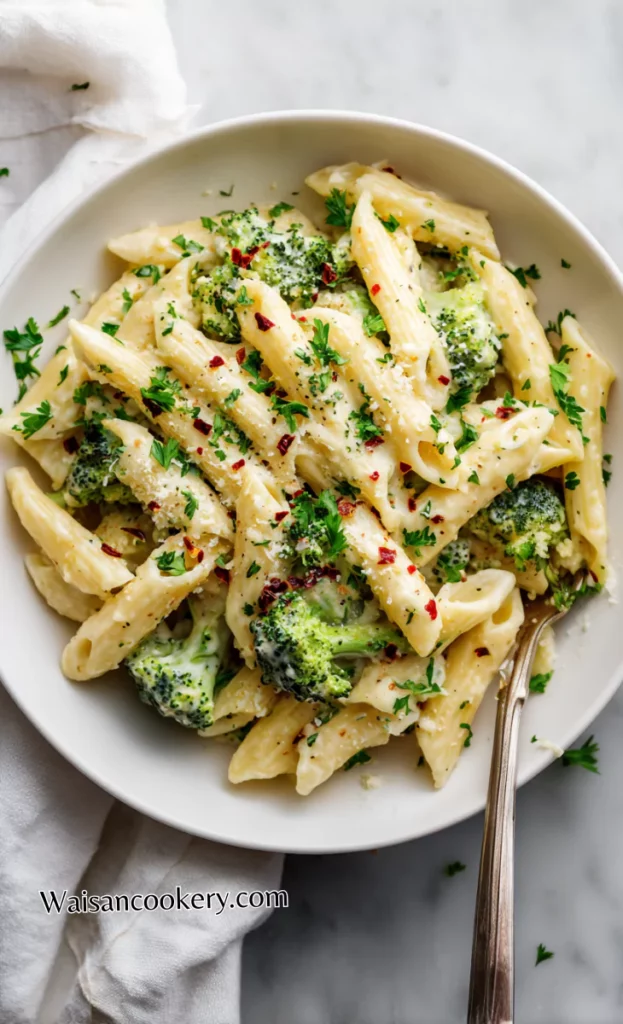
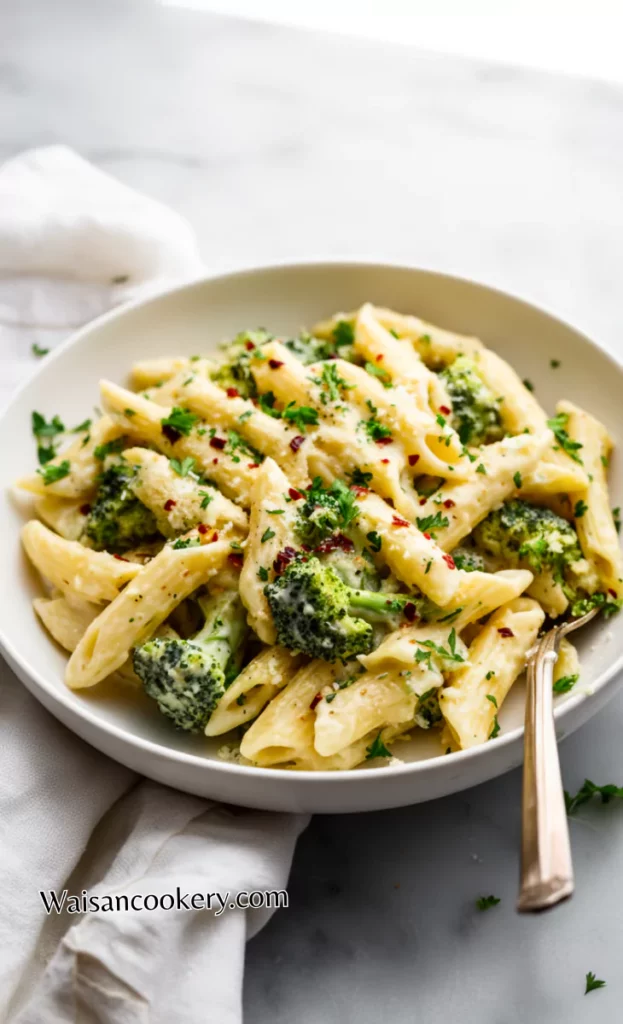
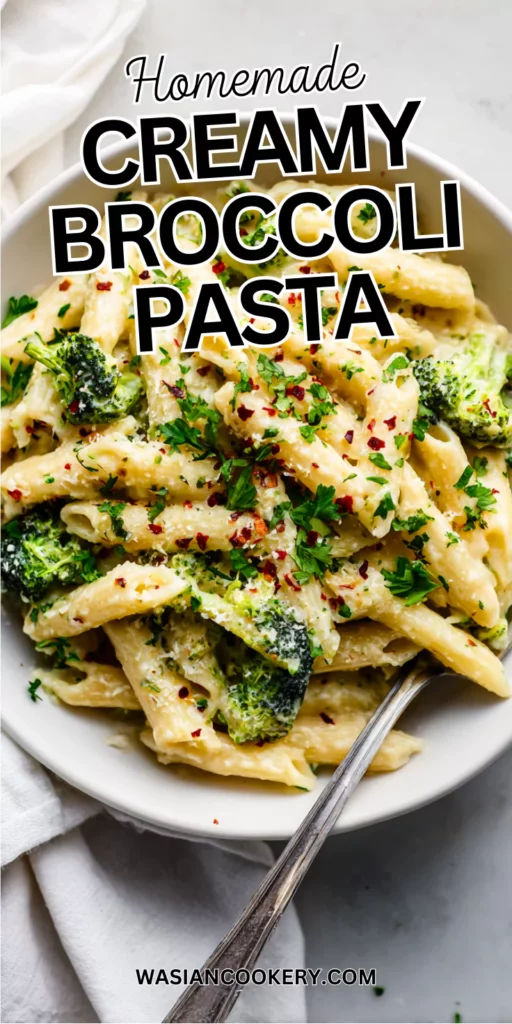
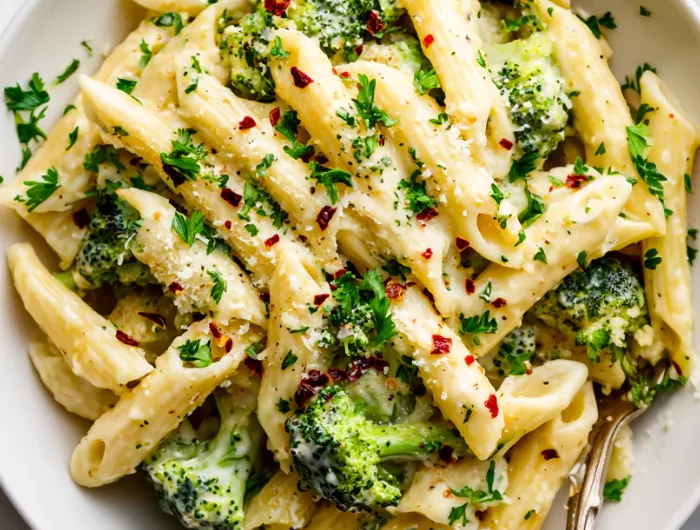
I love a quick, comforting dinner, and creamy broccoli pasta is one of those meals I turn to when I want a rich, cheesy sauce with something green. The tender florets catch the Parmesan sauce, while garlic and onion give it a savory base.
I use fresh broccoli when I can, and frozen broccoli is handy too. This is a pasta I make for my family, with familiar ingredients and a creamy finish. The main trick is to cook the broccoli just until tender and stir the cheese in over low heat.
I like piling it into bowls with parsley and a little extra Parmesan on top. The recipe makes four servings in about 30 minutes when the pasta pot and sauce pan work together. Set the table while the water heats so you can enjoy it as soon as the sauce coats the pasta.
Why This Dish Is Great
- The broccoli cooks in the pasta pot, saving a separate pan while keeping the preparation simple. Small florets are easy to serve with each forkful.
- Parmesan gives the cream sauce a savory flavor without a long ingredient list. Freshly grated cheese also blends more easily into the warm liquid.
- You can use penne, fusilli, or fettuccine. Short shapes catch sauce in their ridges, while long noodles make a soft, twirly bowl.
- The sauce comes together while the pasta cooks, so most of the work overlaps. Read both stages before starting and have the ingredients measured.
- Red pepper flakes are optional. Leave them out for a mild bowl, then put a little on the table for anyone who wants heat.
- Fresh or frozen broccoli keeps the recipe useful throughout the year. The cooking time changes slightly, but the same cream sauce suits either choice.
Choosing The Best Broccoli
Choose fresh broccoli with firm stalks and tight green florets. Cut the florets into similar small pieces so their stems soften at about the same time. Very large pieces can stay firm in the middle after the leafy tops are ready.
Frozen florets work without a long thaw on the counter. Check their package directions because floret size and recommended cooking time vary. If the broccoli finishes before the pasta, lift it out with a slotted spoon and add it to the sauce later rather than boiling it until it falls apart.
Ingredients
- 12 oz pasta (penne, fusilli, or fettuccine)
- 3 cups broccoli florets (fresh or frozen)
- 2 tablespoons olive oil
- 3 tablespoons butter
- 4 cloves garlic, minced
- 1 small onion, finely chopped
- 1 cup heavy cream
- 1/2 cup vegetable or chicken broth
- 1 cup grated Parmesan cheese
- 1/2 teaspoon red pepper flakes (optional)
- Salt and black pepper, to taste
- Fresh parsley, chopped (for garnish)
Kitchen Equipment You Will Need
As an Amazon Associate I earn from qualifying purchases.
- Large pot
- Colander
- Deep skillet with lid
- Wooden spoon
- Slotted spoon
- Whisk
- Measuring cups
- Measuring spoons
- Chef’s knife
- Cutting board
- Cheese grater
- Blender
- Food thermometer
How To Make Creamy Broccoli Pasta
Step 1
Start heating a large pot of water while you chop the onion, mince the garlic, cut the broccoli into small even florets, and grate the Parmesan. Salt the boiling water to taste and add all 12 oz pasta. Cook according to the package until al dente, adding fresh broccoli during the last 3 minutes. For frozen broccoli, follow its package cooking time and add it early enough to become hot and tender. Before draining, carefully reserve 1 cup pasta water, then drain the pasta and broccoli.
Step 2
While the pasta cooks, heat all 2 tablespoons olive oil and 3 tablespoons butter in a large deep skillet over medium heat. Add the onion and cook for about 4–5 minutes until softened, stirring often. Add all the garlic and cook for about 30–60 seconds until fragrant, keeping it pale rather than letting it burn.
Step 3
Pour the 1 cup heavy cream and 1/2 cup vegetable or chicken broth into the skillet. Stir and bring to a gentle simmer. Cook for about 3–4 minutes until the sauce lightly coats the spoon; avoid a hard boil. If the pasta is still cooking, turn the sauce heat down while you wait.
Step 4
Reduce the skillet heat to low. Stir in the full 1 cup grated Parmesan in small handfuls until melted and smooth. Add black pepper and the optional 1/2 teaspoon red pepper flakes. Taste before adding more salt because both the broth and Parmesan may already be salty.
Step 5
Add the drained pasta and broccoli to the sauce and toss gently for about 1–2 minutes. Add the reserved pasta water a little at a time only as needed for a glossy coating; you may not need the whole cup. Keep the heat low so the cheese stays smooth and the broccoli does not break apart.
Step 6
Divide among four bowls and garnish with the chopped parsley. Extra Parmesan is an optional topping beyond the measured cup used in the sauce. Serve promptly. Plan about 30 minutes including 10 minutes preparation with water heating and 20 minutes cooking, with the pot and skillet working at the same time; a slow-boiling pot or longer-cooking pasta will take more time.
Notes
- Reserve the pasta water before draining. Set a measuring cup beside the stove as a reminder; starchy water loosens the sauce without making it as thin as plain water.
- Grate the cheese before starting the skillet. Once the cream has simmered, you can add it immediately instead of letting the sauce reduce while you search for a grater.
- Keep garlic pale and fragrant. If the skillet is too hot after softening the onion, lower the heat before adding garlic so it does not turn bitter.
- Taste after adding Parmesan. Broth brands and cheese differ in saltiness, so the final pinch should be a choice based on the finished sauce.
- Add pasta water gradually. A sauce that looks slightly loose in the skillet thickens as the pasta absorbs liquid, especially after you divide it into bowls.
- Toss gently with a broad spoon. Vigorous stirring crushes tender florets and can turn the sauce green before the pasta is evenly coated.
- Have serving bowls ready. There is no resting or cooling stage before eating this dish; a long wait makes the sauce thicker and the pasta softer.
Ingredients You Can Add
- Mushrooms: Sauté sliced mushrooms separately until their released water cooks away, then fold them in. Allow extra cooking time for this optional panful.
- Sun-dried tomatoes: Drain and chop them before stirring them into the finished sauce. Their tangy flavor works well against the mild broccoli and cream.
- Lemon zest: Grate a little over the plated pasta for fragrance. Use the colored peel rather than the bitter white layer underneath.
- Chili flakes: Use the optional 1/2 teaspoon already listed, or let each person add a pinch. Do not accidentally add the measured amount twice.
- Goat cheese: Crumble a little over individual bowls for a tangy finish. The main sauce still uses its measured Parmesan, so taste before adding salty toppings.
- Toasted pine nuts: Scatter them over the pasta just before serving for crunch. If toasting them yourself, watch closely in a dry skillet and allow extra time.
What To Serve With Creamy Broccoli Pasta
A crisp side is especially nice with the rich sauce. Tomato Cucumber Salad brings cool, juicy vegetables to the table. Prepare it before you begin the pasta so both dishes are ready together.
For another fresh option, try Zucchini Ribbon Salad. Keep the salad in its own bowl so its dressing stays separate from the cream sauce. Warm garlic bread or a small dinner roll is useful for the last spoonful of sauce.
Grilled Corn Salad makes a colorful side when corn is on the menu. Serve modest portions beside the pasta, or simply add roasted carrots or peppers. The pasta already has plenty of richness, so extra sauces are optional.
Recipe Variations And Swaps
- Chicken broccoli pasta: Fold in separately cooked chicken. Fresh chicken should reach 165°F; bring previously cooked refrigerated chicken to 165°F when reheating it with the pasta.
- Shrimp broccoli pasta: Cook shrimp separately until the flesh is pearly or white and opaque, then fold into the finished pasta. Allow extra time for the seafood.
- Plant-based version: Use plant-based butter, vegetable broth, and unsweetened plant cream or prepared cashew cream. Nutritional yeast can supply a savory note in place of Parmesan; texture and flavor will differ.
- Spicy version: Offer chili oil or sautéed fresh chili alongside the optional flakes. Add heat gradually so the broccoli and garlic remain noticeable.
- Alternative pasta: Whole-wheat pasta or a gluten-free pasta can replace the regular pasta by weight. Follow its package timing and check all other labels if avoiding gluten.
- Extra cheese: Add a little mozzarella, Gruyère, or cheddar as a topping. These cheeses change the texture, and some become stringy instead of blending into a smooth sauce.
- Lemon and herbs: Stir chopped basil or dill into the finished pasta. Add a small squeeze of lemon off the heat, tasting as you go to balance the richness.
- Broccoli pesto twist: Blend a cooled portion of the cooked broccoli with a little of the recipe’s measured oil, garlic, and Parmesan, reserving those amounts before the sauce stage. Return the green mixture to the finished pasta; follow the blender’s limits for warm ingredients.
How To Store
Transfer leftovers to shallow covered containers and refrigerate within 2 hours, or within 1 hour when the temperature is above 90°F. Do not leave a full skillet out until completely cold. Keep the pasta refrigerated for up to 3 days; the sauce will thicken as it sits.
Reheat the portion you need in a covered skillet over gentle heat, adding a splash of water, milk, or cream to loosen it. Stir carefully and heat the center to 165°F. A microwave also works in short intervals with stirring between them. Freezing can make the cream sauce grainy and the broccoli softer, so refrigerated leftovers have the better texture.
FAQ
Can I use frozen broccoli?
Yes. Add it to the boiling water according to its package timing, then check a stem for tenderness. Frozen and fresh florets do not always need the same number of minutes.
Why is my sauce grainy?
The heat may have been too high when the Parmesan went in. Lower the heat before adding cheese, use small handfuls, and stir gently. Avoid boiling the finished cheesy sauce.
Can I use milk instead of cream?
Milk or half-and-half makes a thinner sauce and may separate more easily. Keep the heat gentle and expect a different consistency; the main recipe is written for heavy cream.
Why did the sauce become too thick?
Pasta continues taking up liquid after draining. Stir in a little reserved cooking water while the skillet is warm, then serve promptly. Leftovers usually need another small splash during reheating.
Can I prepare it ahead?
You can chop the vegetables and grate the cheese ahead, refrigerating them until cooking. For the best coating and broccoli texture, cook and combine the pasta close to serving time.
Is this a vegetarian recipe?
Choose vegetable broth and Parmesan made with a vegetarian rennet if that matters to your meal. Chicken broth is an option in the ingredient list, but it would not suit a vegetarian version.
Short Description
Creamy Broccoli Pasta combines tender broccoli and pasta with a smooth garlic, onion, and Parmesan cream sauce. Serve four warm portions straight from the skillet.
Creamy Broccoli Pasta
Course: MainCuisine: Italian-InspiredDifficulty: Easy4
servings10
minutes20
minutes30
minutesCreamy Broccoli Pasta combines tender broccoli and pasta with a smooth garlic, onion, and Parmesan cream sauce. Serve four warm portions straight from the skillet.
Ingredients
12 oz pasta (penne, fusilli, or fettuccine)
3 cups broccoli florets (fresh or frozen)
2 tablespoons olive oil
3 tablespoons butter
4 cloves garlic, minced
1 small onion, finely chopped
1 cup heavy cream
1/2 cup vegetable or chicken broth
1 cup grated Parmesan cheese
1/2 teaspoon red pepper flakes (optional)
Salt and black pepper, to taste
Fresh parsley, chopped (for garnish)
Directions
- Start heating a large pot of water while you chop the onion, mince the garlic, cut the broccoli into small even florets, and grate the Parmesan. Salt the boiling water to taste and add all 12 oz pasta. Cook according to the package until al dente, adding fresh broccoli during the last 3 minutes. For frozen broccoli, follow its package cooking time and add it early enough to become hot and tender. Before draining, carefully reserve 1 cup pasta water, then drain the pasta and broccoli.
- While the pasta cooks, heat all 2 tablespoons olive oil and 3 tablespoons butter in a large deep skillet over medium heat. Add the onion and cook for about 4–5 minutes until softened, stirring often. Add all the garlic and cook for about 30–60 seconds until fragrant, keeping it pale rather than letting it burn.
- Pour the 1 cup heavy cream and 1/2 cup vegetable or chicken broth into the skillet. Stir and bring to a gentle simmer. Cook for about 3–4 minutes until the sauce lightly coats the spoon; avoid a hard boil. If the pasta is still cooking, turn the sauce heat down while you wait.
- Reduce the skillet heat to low. Stir in the full 1 cup grated Parmesan in small handfuls until melted and smooth. Add black pepper and the optional 1/2 teaspoon red pepper flakes. Taste before adding more salt because both the broth and Parmesan may already be salty.
- Add the drained pasta and broccoli to the sauce and toss gently for about 1–2 minutes. Add the reserved pasta water a little at a time only as needed for a glossy coating; you may not need the whole cup. Keep the heat low so the cheese stays smooth and the broccoli does not break apart.
- Divide among four bowls and garnish with the chopped parsley. Extra Parmesan is an optional topping beyond the measured cup used in the sauce. Serve promptly. Plan about 30 minutes including 10 minutes preparation with water heating and 20 minutes cooking, with the pot and skillet working at the same time; a slow-boiling pot or longer-cooking pasta will take more time.
Notes
- The approximate 30-minute total includes 10 minutes preparation with the water heating and 20 minutes cooking. The pot and skillet cook concurrently; allow longer for a slow-boiling pot or pasta needing extra time.
- Reserve 1 cup pasta water before draining and add only as much as needed. All 2 tablespoons oil, 3 tablespoons butter, and 1 cup Parmesan go into the base sauce; extra cheese is an optional topping.
- Keep the heat low when adding cheese. Refrigerate leftovers promptly within 2 hours, or 1 hour above 90°F, and reheat to 165°F.