Yats Bread Recipe
I love the Cajun garlic bread that comes with a comforting meal at Yats. I used to order extra bread with my Drunken Chicken because those crisp edges and bold seasonings were such a lovely part of dinner. This homemade version brings that buttery, garlicky idea to the table with French bread and pantry herbs.
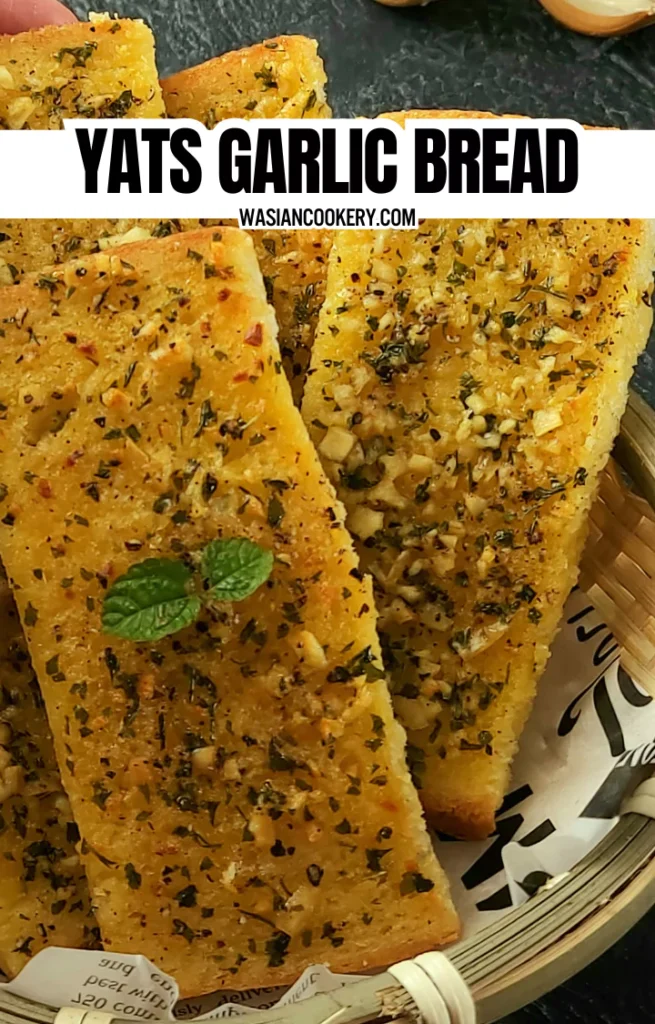
This is a restaurant-inspired bread recipe, with a simple mixture of melted butter, fresh garlic, dried herbs, Cajun seasoning, and cayenne. It is easy to prepare alongside soup, salad, or pasta, and the kitchen smells wonderful as the bread warms in the oven.
The nicest texture is a crisp surface with a little softness underneath. Start checking early, spread the butter evenly, and serve the bread warm. Plan on about 30 minutes altogether, including a brief cooling rest before cutting the two loaves into eight generous pieces.
Why This Dish Is Great
- It starts with ready-made French bread, so there is no dough to knead, yeast to measure, or long rising time to fit into dinner.
- Melted butter carries the garlic and spices into the cut surface, while the crust holds everything together for dipping and serving.
- Cajun seasoning and cayenne give the bread a lively finish that works especially well with creamy, saucy, or slow-cooked dishes.
- The dried parsley, oregano, and thyme provide plenty of herb flavor without needing several bunches of fresh herbs.
- Two loaves give you four open bread halves, making the coating easy to divide evenly before baking.
- The baking time is short enough to toast the bread near the end of dinner preparation, when the main dish is nearly ready.
What Is the Best Bread to Use?
Choose two large French bread loaves with a firm crust and a soft, reasonably even interior. Very open holes let the butter run through, while a dense, dry loaf can turn hard before the garlic has warmed. Bread that is fresh or just a day old usually gives a better balance of crunch and softness.
Loaf sizes vary quite a bit at the bakery. This recipe keeps the same butter and seasoning amounts for two large loaves, so spread a thin, even layer over all four cut surfaces first. Use any mixture left in the bowl to fill pale spots. The eight slices in the recipe card mean large pieces, each one-quarter of a whole loaf.
Ingredients
- 1 tablespoon Badia dried parsley
- 2 cloves garlic, minced
- 1 teaspoon onion powder
- 1 teaspoon dried oregano
- 1 teaspoon dried thyme
- 1/2 teaspoon cayenne pepper
- 1 tablespoon McCormick Cajun seasoning
- 2 large French bread loaves
- 1/2 cup Kerrygold unsalted butter, melted
The original ingredients use Badia dried parsley, McCormick Cajun seasoning, and Kerrygold unsalted butter. Check the Cajun seasoning label because the salt level varies between blends. There is no separate salt in this recipe. Mince the fresh garlic finely so large pieces do not catch on the surface while the bread underneath is still soft.
Kitchen Equipment You Will Need
As an Amazon Associate I earn from qualifying purchases.
- Rimmed baking sheets
- Serrated bread knife
- Cutting board
- Microwave-safe mixing bowl
- Measuring cups
- Measuring spoons
- Mixing spoon
- Pastry brush
- Oven mitts
- Cooling rack
- Food thermometer
- Chef knife
- Aluminum foil
- Airtight storage containers
How to Make Yats Bread
- Preheat the oven to 375°F (190°C). Set out enough rimmed baking sheets to hold the four bread halves cut side up without stacking or crowding them. Use the middle oven area for even toasting.
- Melt the 1/2 cup unsalted butter gently in a microwave-safe bowl, using short bursts. Stir in the minced garlic, onion powder, dried oregano, dried thyme, cayenne, Cajun seasoning, and dried parsley until the mixture is evenly speckled.
- Cut each French bread loaf in half lengthwise with a serrated knife. Place all four halves cut side up on the baking sheets. Keep the crust underneath intact so the bread can hold the butter mixture.
- Stir the butter again, then brush or spoon it evenly over all four cut surfaces, reaching the edges. Share the herbs and garlic between the halves rather than leaving most of them at the bottom of the bowl.
- Bake for 10–15 minutes, checking at 10 minutes, until the edges are golden and crisp and the butter has soaked into the bread. If using two sheets, rotate their positions halfway through. Remove any half that browns sooner; do not wait for the garlic to turn dark.
- Transfer the sheets to a cooling rack and let the bread rest for about 5 minutes. Cut each long half crosswise into two generous pieces, making eight slices in total. Serve warm while the edges are still crisp.
The timing allows about 10 minutes to measure, melt, mix, and cut while the oven heats, up to 15 minutes to bake, and 5 minutes to cool slightly. If your oven heats slowly or the loaves need separate batches, allow extra time. A golden edge and warm, buttery center tell you more than the clock alone.
Notes
- Stir before every few brush strokes. Dried herbs sink into the butter, and stirring keeps the first and last pieces similarly seasoned.
- Use gentle heat when melting the butter. It only needs to become liquid, so stop before it bubbles strongly or starts browning.
- Keep the cut surfaces facing upward throughout baking. Flipping them onto the pan can leave the garlic stuck underneath and darken it too quickly.
- Leave a little space between the halves. Stacked bread traps steam and gives you soft sides instead of the crisp finish this recipe is meant to have.
- Check the thinner ends first. They can brown ahead of the center, especially when the loaves have a tapered shape.
- Avoid extending the baking time just to get a very dark top. The herbs and fresh garlic can become bitter before the bread looks deeply toasted.
- Slice after the brief rest. The butter will be less likely to run onto the board, and the warm bread will be easier to handle safely.
Ingredients You Can Add
The bread already has a full seasoning mixture, so any extras are optional. Choose one or two that match dinner instead of piling everything on at once. These ideas are finishing touches and are separate from the measured base recipe.
- Grated Parmesan adds a savory top; sprinkle it lightly before baking and watch its color.
- Mozzarella gives a softer, melted finish. Use a light layer so the bread can still toast around the edges.
- Fresh parsley adds color after baking and keeps its brighter flavor away from the direct oven heat.
- Thinly sliced green onion works as a fresh garnish once the bread comes out of the oven.
- Diced tomato makes a juicy topping just before serving. Drain it first to protect the crisp surface.
- Fresh basil is lovely with tomato or pasta. Tear it over the finished bread rather than baking it for the whole time.
What to Serve With Yats Bread
I like this bread beside a hearty bowl of Cajun red beans and rice. Its buttery surface catches the sauce, and the firm crust gives each bite a welcome crunch. Put the bread on a separate plate so it stays crisp until you dip it.
For a cozy soup meal, serve it with Demos chicken and rice soup. The soup is gentle and creamy, while the bread adds garlic and a little heat. Bake the bread when the soup is nearly finished so both arrive warm.
A bowl of Imo’s salad also makes a satisfying partner. The cool vegetables and dressing balance the warm bread. For pasta night, serve a piece alongside spaghetti or a creamy sauce and save smaller pieces for dipping.
Variations and Swaps
- Italian bread can replace the French bread if its size and texture are similar; check thin pieces early.
- Sourdough gives the finished bread a tangier flavor and a firmer chew than soft French bread.
- For milder bread, reduce the cayenne in a future batch, remembering that the Cajun seasoning may already contain heat.
- For a cheesier version, use the optional Parmesan topping and watch closely as it browns.
- For a softer melted topping, choose the optional mozzarella and leave the bread edges uncovered.
- For a fresh herb finish, add the parsley garnish after baking rather than adding more dried herbs to the butter.
- For small appetizer pieces, cut the baked bread more narrowly; the total number of pieces will then differ from the card.
- For a tomato-topped snack, add drained tomato and basil immediately before eating, keeping the topping separate until then.
Storage
Refrigerate leftover garlic bread in a covered container within 2 hours of baking, or within 1 hour if the room or outdoor temperature is above 90°F. Let the initial steam escape briefly, but do not leave it on the counter until completely cold. Use it within 3–4 days. Fresh garlic and butter make prompt chilled storage a better choice than leaving this prepared bread out for several days.
For longer storage, wrap cooled portions and freeze them for up to 2 months for best quality. Thaw in the refrigerator. Reheat in a 350°F oven, loosely covered with foil at first, until hot throughout and 165°F in the center; uncover briefly to restore the crust. The time depends on the size and thickness of your pieces. Reheat only what you need.
FAQ
Is this the official Yats bread recipe?
This is a homemade, restaurant-inspired version. The herbs, butter, garlic, and Cajun seasoning give it the bold flavor described here, but it is not presented as the restaurant’s published formula.
How spicy is the bread?
The cayenne and Cajun seasoning both contribute heat. The exact strength depends on your seasoning blend, so check its label before choosing it and serve the bread with a mild main dish if you prefer balance.
Why is my bread too hard?
It may have been dry to begin with or stayed in the oven too long. Check at 10 minutes, look for golden edges, and remember that the bread firms a little as it cools.
Why did the garlic burn?
Large exposed pieces, a very hot oven area, or extra baking time can darken garlic quickly. Mince it finely, coat it in the butter, and remove the bread when the garlic smells fragrant and the edges are golden.
Can I prepare the butter mixture ahead?
Yes. Cover and refrigerate the garlic butter promptly, use it within 3–4 days, and warm it gently just enough to spread. Keep the bread separate until you are ready to toast it.
Does the recipe make eight small slices?
No. The eight slices are generous quarter-loaf pieces. Smaller snack slices are fine, but count the pieces after cutting instead of assuming every loaf produces the same portion size.
Short Description
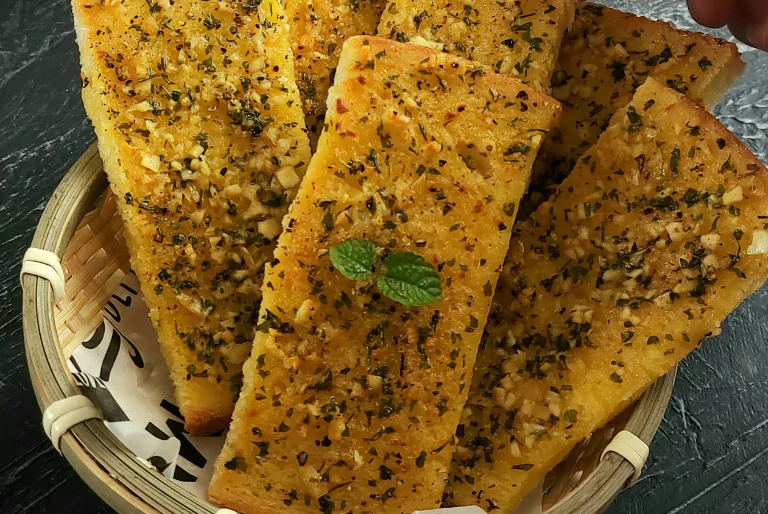
Yats-inspired Cajun garlic bread combines French bread, melted butter, fresh garlic, dried herbs, and a little cayenne for a warm, crisp side.
Yats Bread Recipe
Course: SidesCuisine: CajunDifficulty: Easy8
slices10
minutes15
minutes30
minutesYats-inspired Cajun garlic bread combines French bread, melted butter, fresh garlic, dried herbs, and a little cayenne for a warm, crisp side.
Ingredients
1 tablespoon Badia dried parsley
2 cloves garlic, minced
1 teaspoon onion powder
1 teaspoon dried oregano
1 teaspoon dried thyme
1/2 teaspoon cayenne pepper
1 tablespoon McCormick Cajun seasoning
2 large French bread loaves
1/2 cup Kerrygold unsalted butter, melted
Directions
- Preheat the oven to 375°F (190°C). Set out enough rimmed baking sheets to hold the four bread halves cut side up without stacking or crowding them. Use the middle oven area for even toasting.
- Melt the 1/2 cup unsalted butter gently in a microwave-safe bowl, using short bursts. Stir in the minced garlic, onion powder, dried oregano, dried thyme, cayenne, Cajun seasoning, and dried parsley until the mixture is evenly speckled.
- Cut each French bread loaf in half lengthwise with a serrated knife. Place all four halves cut side up on the baking sheets. Keep the crust underneath intact so the bread can hold the butter mixture.
- Stir the butter again, then brush or spoon it evenly over all four cut surfaces, reaching the edges. Share the herbs and garlic between the halves rather than leaving most of them at the bottom of the bowl.
- Bake for 10–15 minutes, checking at 10 minutes, until the edges are golden and crisp and the butter has soaked into the bread. If using two sheets, rotate their positions halfway through. Remove any half that browns sooner; do not wait for the garlic to turn dark.
- Transfer the sheets to a cooling rack and let the bread rest for about 5 minutes. Cut each long half crosswise into two generous pieces, making eight slices in total. Serve warm while the edges are still crisp.
Notes
- Add some grated Parmesan or mozzarella cheese on top before baking for a cheesy garlic bread.