Aurelio’s Pizza Sauce Recipe
In my kitchen, a simple pizza sauce makes homemade pizza feel much easier to put together. This Aurelio’s Pizza Sauce recipe uses tomato puree, water, dried herbs, pepper, sugar, and salt. Stir the seven ingredients together and the sauce is ready for your favorite dough.
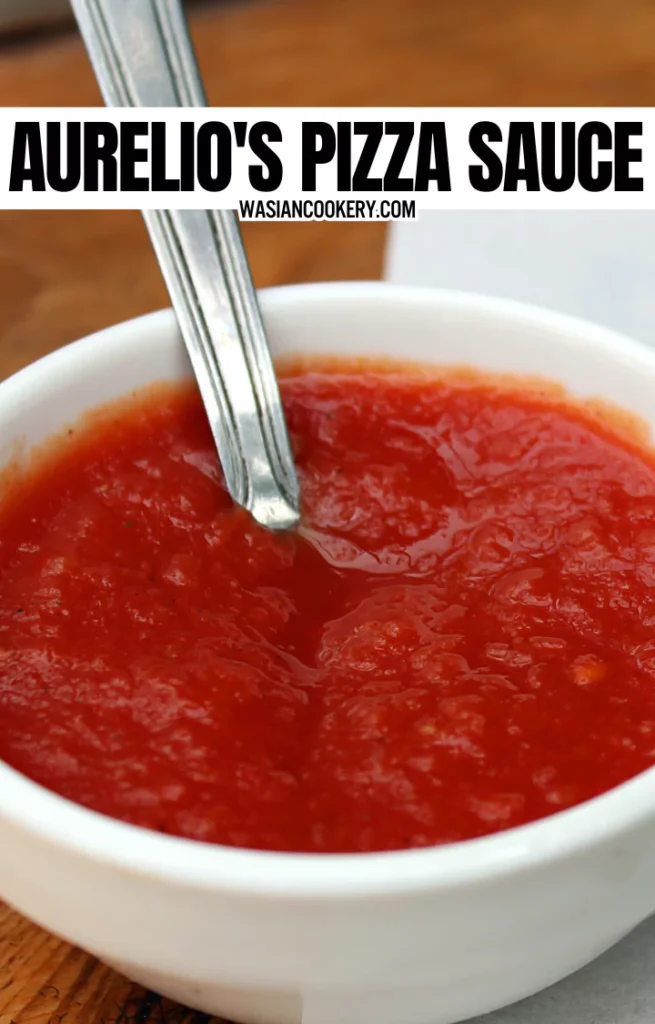
I had made homemade pizza sauce before trying this version, and its easy preparation was part of the appeal. Oregano and basil give it that familiar pizza aroma, while the tomato puree keeps the texture smooth enough to spread right to the edges.
This is a homemade sauce inspired by Aurelio’s, with a tomato-forward flavor and a little sweetness. The basic recipe takes about 10 minutes and does not need simmering. It makes a large batch, so you can portion some for dinner and freeze the rest for another pizza night.
Why This Dish Is Great
- Seven straightforward ingredients keep the preparation manageable. Measure everything before mixing, and you will have very little cleanup afterward.
- The no-cook method leaves your stovetop free. The sauce heats on the pizza while the crust and toppings cook.
- Smooth tomato puree spreads easily. You can make a thin, even layer without finding large pieces of tomato under the cheese.
- Dried oregano and basil are easy to keep in the pantry. Their flavor works with plain cheese, vegetables, and many familiar pizza toppings.
- A large batch is useful for planning ahead. Freeze smaller portions so you can thaw only what the next meal needs.
- The sauce works beyond a full-size pizza. Try a little with breadsticks, small pizza snacks, or toasted sandwiches when you want a tomato dip.
What Is the Best Tomato Puree to Use?
The original ingredient list calls for Full Red Tomato Puree. Use that product when available, or choose a plain tomato puree with a similar smooth, pourable consistency. Read the label carefully: tomato paste is much more concentrated, crushed tomatoes may contain noticeable pieces, and a seasoned pasta sauce brings its own salt, sweetness, and herbs.
The tomato flavor stays at the center of this simple recipe. Open the cans only when you are ready to mix, scrape out the thick puree, and measure the water separately. Different brands vary in thickness, so judge how the finished sauce spreads on a spoon before putting a generous amount onto delicate dough.
Ingredients
- 2 cans (28 ounces each) of Full Red Tomato Puree
- 1 cup water
- 1 tablespoon dried oregano
- 1 tablespoon dried basil
- 1 teaspoon black pepper
- 2 tablespoons white sugar
- 1 teaspoon iodized salt
Keep the full ingredient amounts together for this first batch. The two cans each contain 28 ounces by weight; those ounces are not a finished-volume measurement. With the added water and seasonings, the recipe is listed as one batch rather than an unsupported number of cups. Portion the mixed sauce into your own containers to see what each pizza uses.
Kitchen Equipment You Will Need
As an Amazon Associate I earn from qualifying purchases.
- Large mixing bowl
- Can opener
- Measuring cup
- Measuring spoons
- Mixing spoon
- Airtight storage containers
- Small saucepan
- Chef knife
- Cutting board
- Small serving bowls
How To Make Aurelio’s Pizza Sauce
- Empty both 28-ounce cans of Full Red Tomato Puree into a large bowl. Measure 1 cup water, 1 tablespoon each dried oregano and dried basil, 1 teaspoon black pepper, 2 tablespoons white sugar, and 1 teaspoon iodized salt.
- Add the measured water and seasonings to the puree. Stir thoroughly, scraping the bottom and sides of the bowl, until the color and texture are even and the herbs are distributed throughout. Break up any pockets of dry seasoning with the spoon.
- Taste a small spoonful after mixing. The sauce should taste tomato-forward, herby, lightly sweet, and seasoned throughout. For the base recipe, keep the listed amounts; any optional flavor changes can be made in a separate serving.
- Use a thin layer on pizza and bake according to your chosen dough recipe. This sauce itself needs no cooking and takes about 10 minutes to prepare. Refrigerate any unused sauce promptly in covered containers at 40°F or below, or freeze it in portions.
Notes
- Check your can labels before starting. Plain puree is the intended base, and replacing it with tomato paste would make a very different sauce.
- Rub the dried herbs lightly between your fingers as you add them. This breaks up larger leaves and helps them disperse through the puree.
- Scrape the bowl from the bottom as well as around the sides. Sugar and salt can collect underneath thick tomato puree if you only stir the surface.
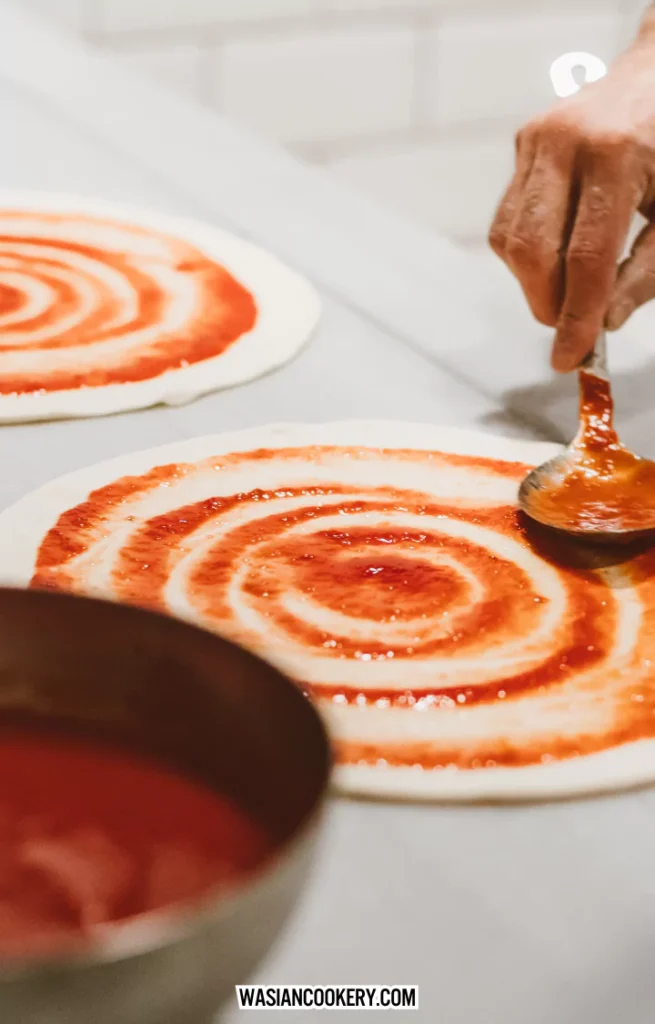
- Spread a thin, even layer on the dough. Too much sauce adds moisture and can leave the center of the pizza softer than you intended.
- Judge the seasoning with your toppings in mind. Cheese, olives, and pepperoni add salt, so a strongly salted sauce can become too much once the pizza is assembled.
- If you refrigerate the sauce ahead, stir it before measuring a portion. A little separation is normal; mixing restores a more even consistency.
- The 10-minute total covers making the sauce only. Dough preparation, oven preheating, and baking follow the separate pizza recipe you choose.
Ingredients You Can Add
These are optional additions, not ingredients required for the base recipe. Try one in a small portion so you keep the rest of the batch versatile.
- Garlic powder adds savory flavor without another cooking step. Start with a small pinch so it does not drown out the oregano and basil.
- Roasted garlic adds a softer, sweeter garlic flavor. Mash it smoothly before stirring it into the portion you plan to use.
- Red pepper flakes bring heat. Sprinkle in a little, then taste again after the flakes have had time to moisten.
- Extra-virgin olive oil adds a rounder finish. A small drizzle is enough when the pizza already has plenty of cheese.
- Fresh basil gives a fragrant green note. Tear or finely chop the leaves and add them to the pizza after baking if you prefer their fresh flavor.
- Fresh oregano makes the herb flavor more pronounced. Use a light hand because the sauce already contains dried oregano in a measured amount.
What To Serve With This Sauce
Use this sauce on a simple cheese pizza, or try it with the dough approach in Chuck E. Cheese Pizza. Follow that recipe’s oven temperature and baking directions. Leave a border around the dough and avoid piling a wet sauce layer beneath the toppings.
Warm a small portion in a saucepan for dipping breadsticks, garlic bread, or Air Fryer Pizza Bombs. Pour only what you need into the dipping bowl and keep the main batch refrigerated. A little sauce on the side lets everyone choose how much they want.
For a full pizza-night meal, add a crisp green salad or Italian Pasta Salad. Vegetables bring a welcome contrast to hot cheese and crust. The sauce can also be warmed for a meatball sandwich, although the bread and filling will change how much sauce you need.
Variations and Swaps
- Another plain tomato puree can replace the named brand in the same can weight. Compare its thickness and seasoning before deciding whether it suits this recipe.
- For a chunkier variation, use plain crushed tomatoes by the same weight. The texture will differ, and large pieces may need breaking up with the spoon.
- For a smaller batch, halve every ingredient together. Use one 28-ounce can of puree and half the water, herbs, pepper, sugar, and salt.
- For a thicker cooked variation, simmer the mixed sauce gently in a saucepan, stirring to prevent sticking. Reduction adds cooking and cooling time and changes the finished yield.
- For a less sweet future batch, reduce the sugar to your taste. That is a variation from the measured base, so keep notes about what you changed.
- For a bolder pepper flavor, add extra black pepper to an individual portion. Taste it with a bite of cheese before seasoning the whole batch.
- If using fresh herbs instead of dried ones, start a separate small variation. Their strength and moisture differ, so a spoon-for-spoon swap will not taste the same.
- Choose different toppings while keeping the sauce unchanged. Mozzarella, mushrooms, bell peppers, onions, olives, fresh basil, or the original pepperoni suggestion each give the pizza a different finish.
Storage
Refrigerate the sauce promptly in clean, covered containers at 40°F or below and use within 3 to 4 days. Divide this large batch into smaller portions so you can take out only what you need. Keep dipping bowls and utensils separate from the stored sauce, especially if they have touched uncooked meat or used plates.
Freeze the extra sauce in freezer-safe containers with a little expansion space, or in sealed freezer bags laid flat. Label and aim to use within 2 to 3 months for best quality. Thaw in the refrigerator, then stir well. If you choose the simmered variation, cool it promptly in shallow containers and refrigerate within 2 hours; do not wait for a large pot to become cold on the counter.
FAQ
Does this sauce need to cook before it goes on pizza?
No. The main recipe is a stirred sauce made with canned tomato puree. Spread it on the pizza and let it heat during baking. Simmering is an optional variation with a different texture and timing.
Is this Aurelio’s official restaurant recipe?
This is a homemade recipe inspired by that style of pizza sauce. The ingredient list and method here are not a verified disclosure of the restaurant’s formula.
Can I use fresh tomatoes?
Fresh tomatoes contain variable amounts of water and require a separate preparation to achieve a thick puree. They are not a direct swap in this quick, measured recipe. Use canned puree for the method described here.
How do I avoid a soggy pizza?
Use a light sauce layer and follow your dough recipe’s preheating and baking instructions. Drain wet toppings, and avoid treating the sauce as a deep filling. A well-heated baking surface also helps the crust cook.
What if the sauce tastes too sharp?
Taste it with the cheese or toppings you plan to use before changing anything. Sugar can soften the perception of tartness, but it does not remove acidity. Avoid adding unmeasured baking soda to the base batch.
Is this sauce gluten-free?
The listed sauce ingredients do not call for wheat, but check the individual product labels when needed. A pizza made with this sauce is only gluten-free if its dough, toppings, and preparation are suitable too.
Short Description
A homemade, Aurelio’s-inspired pizza sauce made with tomato puree, oregano, basil, and pantry seasonings. This large batch takes about 10 minutes to mix and needs no cooking before topping pizza.
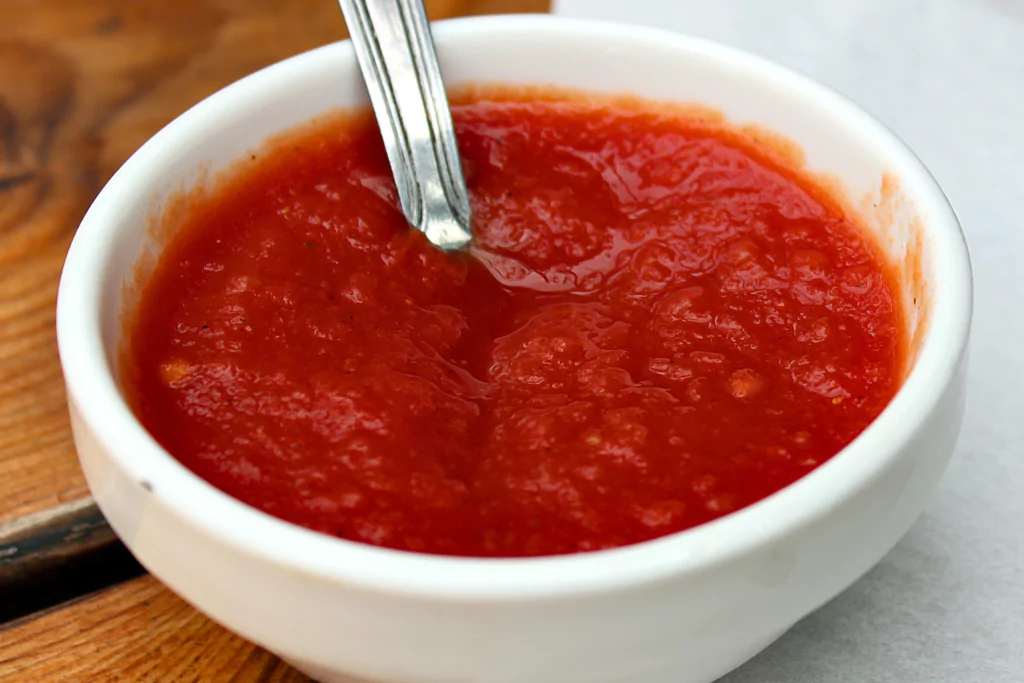
Aurelio’s Pizza Sauce Recipe
Course: SauceCuisine: Italian-AmericanDifficulty: Easy1
batch10
minutes10
minutesA homemade, Aurelio’s-inspired pizza sauce made with tomato puree, oregano, basil, and pantry seasonings. This large batch takes about 10 minutes to mix and needs no cooking before topping pizza.
Ingredients
2 cans (28 ounces each) of Full Red Tomato Puree
1 cup water
1 tablespoon dried oregano
1 tablespoon dried basil
1 teaspoon black pepper
2 tablespoons white sugar
1 teaspoon iodized salt
Directions
- Empty both 28-ounce cans of Full Red Tomato Puree into a large bowl. Measure 1 cup water, 1 tablespoon each dried oregano and dried basil, 1 teaspoon black pepper, 2 tablespoons white sugar, and 1 teaspoon iodized salt.
- Add the measured water and seasonings to the puree. Stir thoroughly, scraping the bottom and sides of the bowl, until the color and texture are even and the herbs are distributed throughout. Break up any pockets of dry seasoning with the spoon.
- Taste a small spoonful after mixing. The sauce should taste tomato-forward, herby, lightly sweet, and seasoned throughout. For the base recipe, keep the listed amounts; any optional flavor changes can be made in a separate serving.
- Use a thin layer on pizza and bake according to your chosen dough recipe. This sauce itself needs no cooking and takes about 10 minutes to prepare. Refrigerate any unused sauce promptly in covered containers at 40°F or below, or freeze it in portions.
Notes
- Yield is one batch; no exact cup volume has been measured.
- The base sauce is not simmered. The 10-minute total excludes dough preparation and pizza baking.
- Refrigerate at 40°F or below and use within 3 to 4 days, or freeze in portions.