Pound Cake Recipe
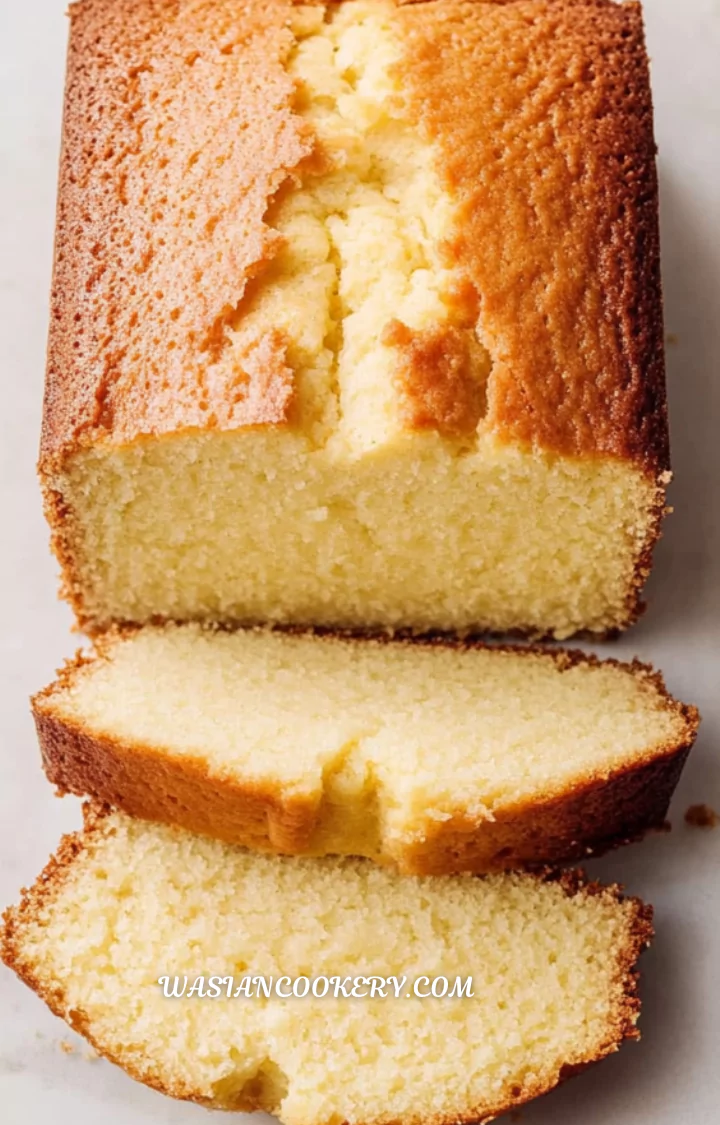
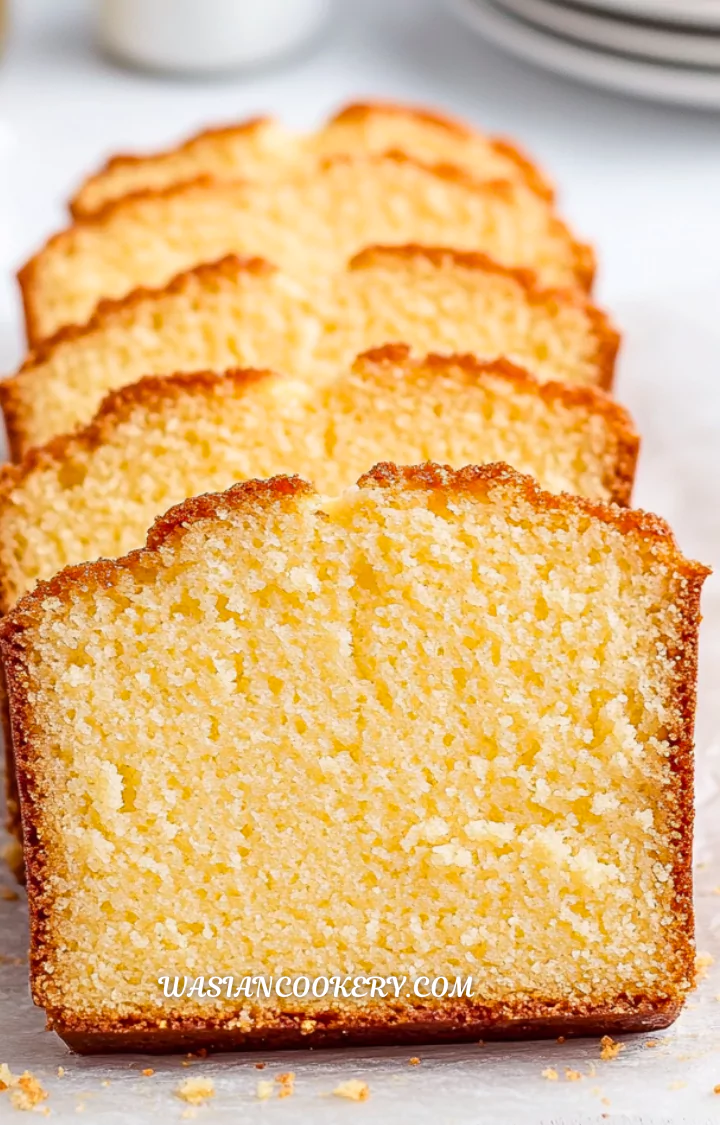
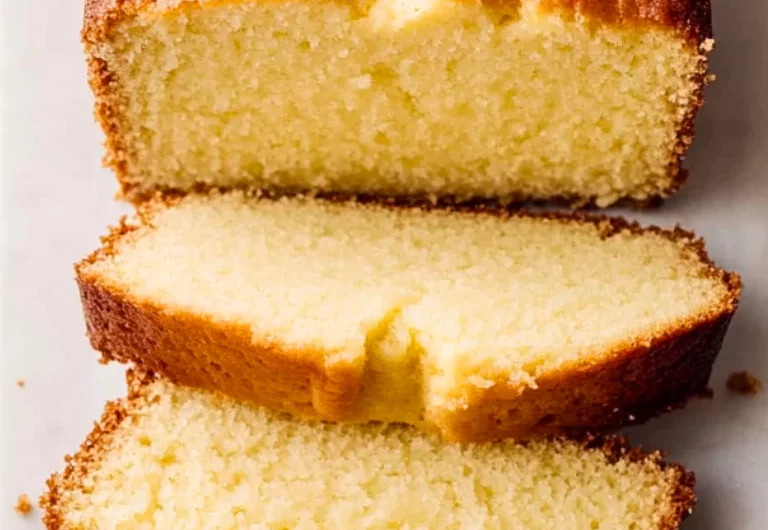
I love a simple pound cake with a golden crust and a close, buttery crumb. Vanilla gives this version a gentle fragrance, and the small amount of baking powder adds a little lift while keeping the satisfying texture that makes pound cake special.
The mixing order is worth following. Cream the butter and sugar first, beat in the eggs gradually, then alternate the dry ingredients with the milk. Those ordinary steps help you make an even batter without beating the flour more than it needs.
This batch makes 12 slices in a 10-cup Bundt pan. Allow about 3 hours and 5 minutes, including oven preheating during preparation and a generous cooling period. Start with softened butter and room-temperature eggs and milk; bringing cold ingredients to that stage takes additional time.
Why This Dish Is Great
- Butter and vanilla do most of the flavor work, so the cake does not need frosting or a long list of extra ingredients.
- The close crumb makes tidy slices once the cake has cooled. It is easy to portion for an afternoon snack or a dessert plate.
- A small amount of baking powder supports the rise without making this a light sponge cake. The texture remains pleasantly substantial.
- The cake is useful for preparing ahead. Wrap it after cooling, then slice when you are ready to set out tea or coffee.
- Its plain flavor works with many toppings. Fresh fruit, whipped cream, or a spoonful of jam can change how you serve each slice.
- Individual slices freeze well when wrapped closely. You can take out a few portions without thawing and cutting the whole cake again.
Choosing The Best Butter
Use unsalted butter so the measured salt controls the seasoning. The butter should give slightly when pressed, while still holding its shape. If it looks shiny, oily, or partly melted, it is too warm for good creaming. Let it firm up before mixing.
Cold butter tends to stay in lumps, while melted butter cannot hold the same tiny air pockets. Cut refrigerator-cold butter into smaller pieces to soften more evenly. Bring out only the eggs and milk you need for this batch, and keep their counter time under 2 hours.
Ingredients
- 1 cup (2 sticks) unsalted butter, softened
- 1¾ cups granulated sugar
- 4 large eggs, room temperature
- 2 cups all-purpose flour
- ½ teaspoon baking powder
- ¼ teaspoon salt
- 1 teaspoon vanilla extract
- ½ cup whole milk
Use a little extra butter and flour to prepare the pan. Keep the full measured cup of butter and 2 cups flour for the cake batter.
Kitchen Equipment You Will Need
As an Amazon Associate I earn from qualifying purchases.
- 10-cup Bundt pan
- Electric mixer
- Mixing bowls
- Measuring cups
- Measuring spoons
- Whisk
- Rubber spatula
- Cooling rack
- Cake tester
- Oven mitts
- Aluminum foil
- Microplane zester
- Serrated knife
How To Make Pound Cake
Step 1
Preheat the oven to 350°F (175°C), with a rack near the middle. Use a 10-cup Bundt pan; grease every groove and the center tube with a little extra butter, then dust with a little extra flour and tap out the excess. These small amounts are for the pan, separate from the measured cake ingredients. Begin with softened butter and room-temperature eggs and milk. Oven preheating overlaps the 20-minute preparation.
Step 2
Beat the measured 1 cup softened butter and all 1¾ cups sugar in a large bowl for 3–4 minutes, until noticeably paler and fluffy. Use medium speed and scrape the bowl and beaters so no dense butter remains underneath.
Step 3
Beat in the 4 eggs one at a time, mixing until each is incorporated before adding the next. Scrape the bowl as needed, then mix in all 1 teaspoon vanilla extract. Avoid rushing the eggs into the butter mixture together.
Step 4
In a separate bowl, whisk the measured 2 cups flour with all the baking powder and salt until evenly combined. Spoon the flour into the measuring cup and level it rather than packing it down.
Step 5
On low speed, add the flour mixture to the butter mixture in three additions, alternating with the ½ cup milk in two additions. Begin and end with flour. Mix only until the flour disappears, then scrape the bottom and fold briefly to make the batter even.
Step 6
Spoon the batter evenly into the prepared 10-cup Bundt pan and smooth the top. Keep the pan no more than three-quarters full. Bake for about 55–65 minutes, checking from 50 minutes, until the top springs back lightly and a cake tester inserted into the thickest part comes out clean or with a few moist crumbs, without wet batter. Tent loosely with foil if the top darkens before the center is done.
Step 7
Cool in the pan on a rack for 10 minutes. Gently loosen accessible edges, invert onto the rack, and leave to cool completely, allowing about 90 minutes more or longer if the center is still warm. Slice into 12 portions once cool. The approximate 185-minute total includes 20 minutes preparation with preheating, up to 65 minutes baking, and 100 minutes cooling; cold ingredients need additional softening time before you begin.
Notes
- Measure flour lightly. Stir it in its container, spoon it into the cup, and sweep the top level so a packed cup does not dry the cake.
- Scrape the bowl after creaming and again after the eggs. A smooth-looking surface can hide a streak of unmixed butter at the bottom.
- Choose a pan by capacity as well as its shape. A small decorative Bundt can hold much less batter than a standard-looking large one.
- Grease the center tube carefully. Cake can cling there even when the outer sides are well coated, making the first unmolding awkward.
- Keep the oven door closed through the early bake. Start checking near the suggested time, then use the cake tester to judge the center.
- Let the pan stand for the full 10 minutes before turning it out. The cake needs a little time to firm, but a long pan rest can encourage sticking.
- Wait for the middle to cool before wrapping or adding a glaze. A warm center can create condensation and leave the surface damp.
Ingredients You Can Add
- Citrus zest: Finely grate only the colored part of a lemon or orange peel. Stir it in with the vanilla for a fragrant variation.
- Almond extract: Replace half the vanilla with almond extract. Use ½ teaspoon vanilla and ½ teaspoon almond extract, keeping their combined amount at 1 teaspoon.
- Sour cream or plain yogurt: Replace part of the milk if you want a tangier cake. Thicker dairy can change the crumb and baking time.
- Cocoa powder: For a chocolate swirl, stir a few tablespoons into a portion of the finished batter, then swirl it through gently. Cocoa makes that portion thicker, so avoid extensive mixing.
- Warm spice: A small pinch of cinnamon or nutmeg can go into the dry ingredients. Use a light hand so the butter still comes through.
- Fresh berries: Fold a small handful of dry berries gently into the batter at the end. Added fruit brings moisture, so check the center carefully before removing the cake.
What To Serve With Pound Cake
For a simple dessert, serve a cooled slice with softly whipped cream and fresh berries. A spoonful of Peach Jam also adds fruit flavor without changing the cake itself. Put toppings on just before serving to keep the crust from getting damp.
For a frozen topping, try a small scoop of Strawberry Shortcake Ice Cream. The creamy fruit flavor suits the plain vanilla cake. Keep the portions modest because both parts of the dessert are rich.
Tea, coffee, or a glass of milk is enough when you want the cake to stand on its own. If you would rather bake fruit directly into a loaf, Lemon Blueberry Loaf Cake offers a separate recipe built around that combination.
Recipe Variations And Swaps
- Vanilla bean: Use the scraped seeds for a more visible vanilla finish. Mix them with the butter so the tiny seeds spread evenly.
- Citrus glaze: Spoon a simple citrus glaze over the fully cooled cake. Let excess drip off before moving the cake to its serving plate.
- Marble cake: Use the optional cocoa portion above and make a few gentle turns through the pale batter. Too much swirling erases the pattern.
- Buttermilk: This milk swap gives a tangier cake. Keep the same measured milk volume, and expect some difference in rise and texture.
- Nut topping: Add chopped toasted pecans or almonds to served slices. Using them as a topping keeps the base batter and pan fill unchanged.
- Spiced cake: Add your preferred warm spices with the flour. Avoid combining strong spices with several extracts, which can overwhelm the mild vanilla.
- Berry finish: Spoon fresh berries over the slices instead of folding them in. This keeps fruit juice away from the cake until it is served.
- Salted butter: It can replace unsalted butter, but the salt level varies by brand. Reduce or omit the separate salt rather than automatically using both.
How To Store
Once fully cool, wrap the plain cake tightly or keep it in an airtight container. Store in a cool room for 3–4 days. Keep whipped cream and cut-fruit toppings refrigerated separately and add them to individual slices just before serving.
For longer storage, wrap the whole cake or separate slices closely, then place in a freezer bag or container for up to 3 months. Thaw the plain cake while still wrapped so the surface does not dry out. Refrigerate any portions already topped with perishable cream or fruit.
FAQ
Can I use a loaf pan instead?
The main directions use a 10-cup Bundt pan. A deep 9-by-5-inch loaf pan has a different shape and capacity, so do not assume it takes all the batter or finishes at the same time. Keep any pan no more than three-quarters full and use a recipe written for your loaf pan if its capacity is uncertain.
Why does pound cake crack on top?
The crust can set while the batter underneath is still rising, making a split. A crack alone is not a problem. Check the thickest part for wet batter rather than deciding from the surface.
Why is the middle heavy or gummy?
Underbaking, poorly mixed butter, or slicing while warm can contribute. Follow the creaming and scraping steps, check the center carefully, and cool completely before judging the final texture.
Why did the cake stick?
A missed groove or an ungreased center tube can catch the cake. Coat the whole interior before mixing, dust lightly with flour, and let the baked cake rest for 10 minutes before turning it out.
Can I make it the day before?
Yes. Cool it completely, wrap it closely, and keep it plain until serving. That makes it easier to transport and lets you add whichever fruit or cream topping you want later.
Is 90 minutes on the rack always enough?
It is a planning estimate. Pan shape, room temperature, and airflow affect cooling. If the center still feels warm, allow more time before wrapping or slicing, even if the listed total has passed.
Short Description
This vanilla pound cake has a buttery crumb and a golden crust. Bake it in a 10-cup Bundt pan, then cool fully for neat slices to serve plain or with fruit.
Pound Cake Recipe
Course: DessertCuisine: AmericanDifficulty: Easy12
servings20
minutes1
hour5
minutes3
hours5
minutesIngredients
1 cup (2 sticks) unsalted butter, softened
1¾ cups granulated sugar
4 large eggs, room temperature
2 cups all-purpose flour
½ teaspoon baking powder
¼ teaspoon salt
1 teaspoon vanilla extract
½ cup whole milk
Directions
- Preheat the oven to 350°F (175°C), with a rack near the middle. Use a 10-cup Bundt pan; grease every groove and the center tube with a little extra butter, then dust with a little extra flour and tap out the excess. These small amounts are for the pan, separate from the measured cake ingredients. Begin with softened butter and room-temperature eggs and milk. Oven preheating overlaps the 20-minute preparation.
- Beat the measured 1 cup softened butter and all 1¾ cups sugar in a large bowl for 3–4 minutes, until noticeably paler and fluffy. Use medium speed and scrape the bowl and beaters so no dense butter remains underneath.
- Beat in the 4 eggs one at a time, mixing until each is incorporated before adding the next. Scrape the bowl as needed, then mix in all 1 teaspoon vanilla extract. Avoid rushing the eggs into the butter mixture together.
- In a separate bowl, whisk the measured 2 cups flour with all the baking powder and salt until evenly combined. Spoon the flour into the measuring cup and level it rather than packing it down.
- On low speed, add the flour mixture to the butter mixture in three additions, alternating with the ½ cup milk in two additions. Begin and end with flour. Mix only until the flour disappears, then scrape the bottom and fold briefly to make the batter even.
- Spoon the batter evenly into the prepared 10-cup Bundt pan and smooth the top. Keep the pan no more than three-quarters full. Bake for about 55–65 minutes, checking from 50 minutes, until the top springs back lightly and a cake tester inserted into the thickest part comes out clean or with a few moist crumbs, without wet batter. Tent loosely with foil if the top darkens before the center is done.
- Cool in the pan on a rack for 10 minutes. Gently loosen accessible edges, invert onto the rack, and leave to cool completely, allowing about 90 minutes more or longer if the center is still warm. Slice into 12 portions once cool. The approximate 185-minute total includes 20 minutes preparation with preheating, up to 65 minutes baking, and 100 minutes cooling; cold ingredients need additional softening time before you begin.
Notes
- Use a 10-cup Bundt pan for the main method and fill no more than three-quarters full. Greasing butter and dusting flour are extra pan-preparation amounts.
- Timing assumes softened butter and room-temperature eggs and milk. Oven preheating overlaps preparation. The approximate 185-minute total includes 20 minutes prep, up to 65 minutes baking, 10 minutes cooling in the pan, and about 90 minutes on the rack; extend cooling until fully cool.
- The optional almond variation uses ½ teaspoon vanilla plus ½ teaspoon almond extract. The base ingredient quantities are unchanged.