Kinders Teriyaki Sauce Recipe
In my kitchen, a sweet and savory sauce can turn a simple rice bowl into a meal I look forward to. This Kinders Teriyaki Sauce recipe is a homemade interpretation with soy sauce, honey, garlic, ginger, and a little apple juice.
I love the sauces I have shared here, and this one keeps that same easy, everyday approach. It makes a glossy coating for cooked chicken, vegetables, or noodles, with enough flavor that a little goes a long way.
Allow about 10 minutes to prepare the ingredients, 15 minutes at the stove, and 10 minutes for the sauce to cool slightly. This is an inspired homemade sauce, with its own ingredient balance and texture, rather than the bottled product’s exact formula.
Why This Dish Is Great
- Sweet and savory balance: Soy sauce gives the base depth, while brown sugar and honey round out its salty edge. Rice vinegar keeps the sweetness from feeling flat.
- A glossy finish: The cornstarch slurry adds body without a long reduction. That helps the sauce cling to food instead of collecting at the bottom of the plate.
- Useful pantry ingredients: Most of the flavor comes from bottles and pantry staples, with fresh garlic and ginger bringing brightness to the finished batch.
- Several ways to serve it: Spoon it over cooked vegetables, use a little with noodles, or reserve some as a finishing glaze for a simple protein.
- An easy make-ahead option: A short refrigerated storage window still leaves room to prepare the sauce before a busy dinner and use it with more than one meal.
What Is the Best Main Ingredient
Soy sauce is the foundation, so choose one with a flavor you enjoy. A standard all-purpose soy sauce works with the original measurements. A very dark, thick soy sauce changes both color and flavor and should not be treated as an identical choice. Reduced-sodium soy sauce is an optional variation if the standard sauce tastes too salty for your meals.
Use fresh ginger that feels firm rather than soft or shriveled, and mince it finely so the pieces are pleasant in the sauce. Fresh garlic should be firm as well. Light or dark brown sugar both fit the ingredient list; darker sugar adds a stronger molasses note. Plain apple juice keeps the fruit flavor gentle.
Ingredients
- 1 cup soy sauce
- 1 cup water
- 3/4 cup brown sugar
- 1/4 cup honey
- 2 tbsp rice vinegar
- 1 tbsp sesame oil
- 3 cloves garlic, minced
- 1 tbsp fresh ginger, minced
- 1/4 cup apple juice
- 2 tbsp cornstarch
- 2 tbsp water
- 1 tbsp sesame seeds (optional)
- 2 green onions, chopped (optional)
There are two separate water measurements: 1 cup goes into the saucepan, and 2 tablespoons make the slurry. Keep them separate so the starch disperses properly. The sesame seeds and green onions are optional. Measure the brown sugar consistently, pressing it into the cup and leveling the top.
This recipe makes one batch, and the finished volume varies with your pan and simmer. The starting liquids already exceed 2 cups, so a fixed 1-cup yield would be misleading. Measure the finished sauce if you need exact portions for meal planning; use it sparingly because the flavor is concentrated.
Kitchen Equipment You Will Need
As an Amazon Associate I earn from qualifying purchases.
- Medium saucepan
- Small mixing bowl
- Whisk
- Heatproof spatula
- Measuring cups
- Measuring spoons
- Kitchen knife
- Cutting board
- Tasting spoons
- Instant-read thermometer
- Shallow heat-safe storage containers
- Serving spoon
- Basting brush
How To Make Kinders Teriyaki Sauce
- In a medium saucepan, combine the 1 cup soy sauce, 1 cup water, brown sugar, honey, rice vinegar, sesame oil, minced garlic, and minced ginger. Keep the separate 2 tablespoons water aside for the cornstarch slurry.
- Heat over medium, stirring frequently until the sugar dissolves and the sauce reaches a gentle boil. Reduce the heat to low and simmer for about 5 minutes. Keep the bubbling steady and gentle rather than reducing the sauce rapidly.
- Stir in the apple juice and simmer for another 2 to 3 minutes. Scrape along the bottom with a heatproof spatula so the sweet mixture does not catch.
- In a small bowl, mix the cornstarch with the reserved 2 tablespoons cold water until smooth. Stir the slurry again just before slowly pouring it into the sauce, stirring constantly. Bring the sauce to a full bubbling boil over medium heat and cook, stirring gently, for 1 minute, until glossy and lightly thickened. Allow about 2 to 3 minutes for this thickening stage.
- Remove from the heat. Stir in the optional sesame seeds and chopped green onions if using. The hot sauce should coat a spoon lightly and still pour; it thickens more as it cools.
- Let the sauce stand for about 10 minutes to cool slightly before using it warm. For storage, divide promptly among shallow heat-safe containers and refrigerate; do not wait for it to reach room temperature. Total time is about 35 minutes, including this brief cooling period.
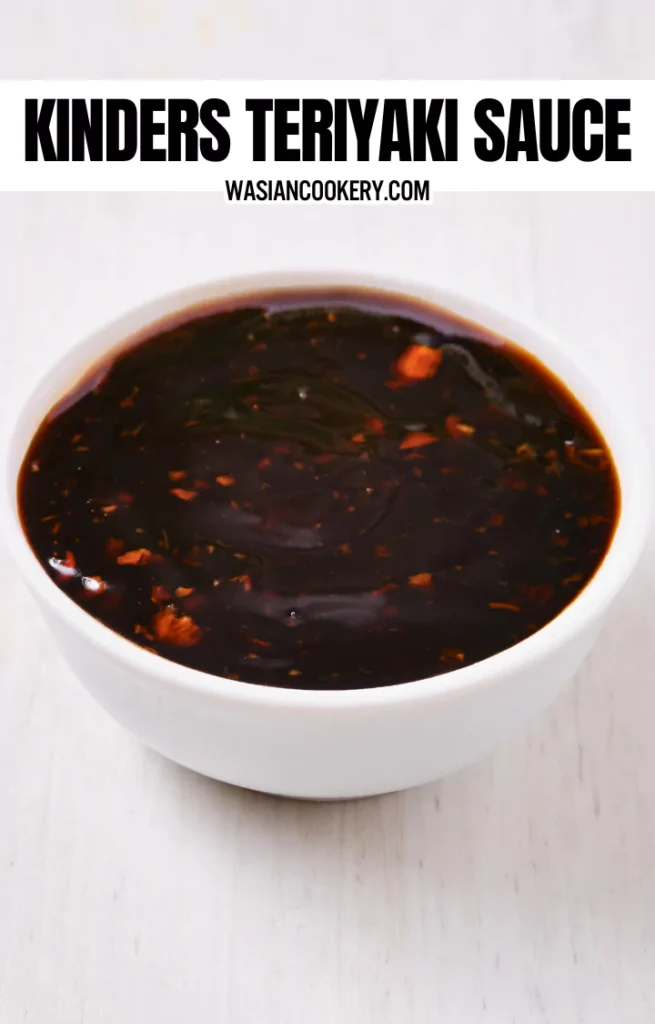
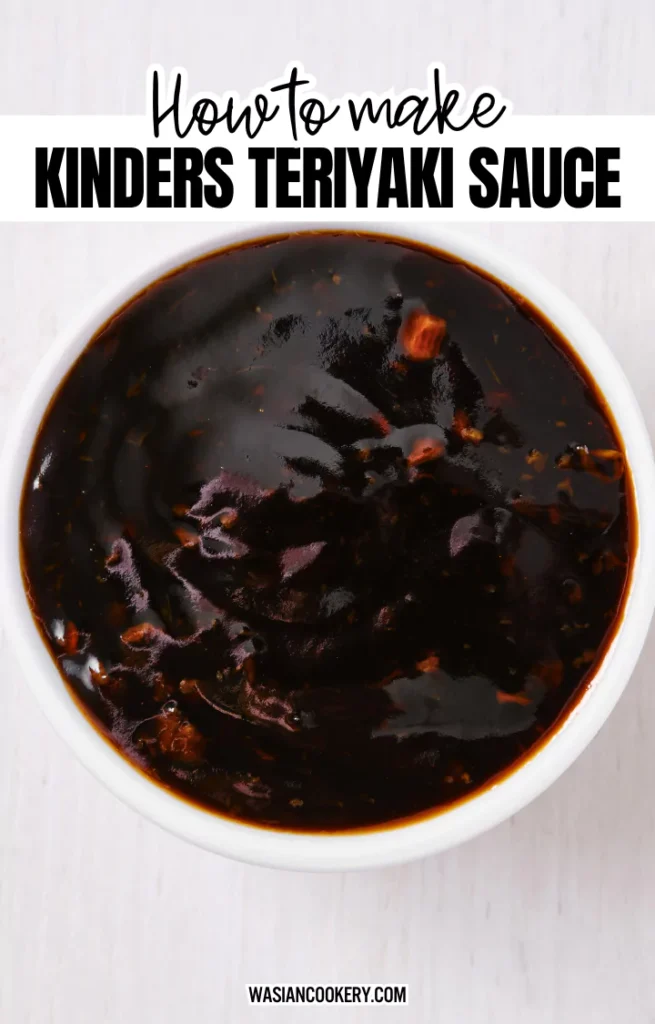
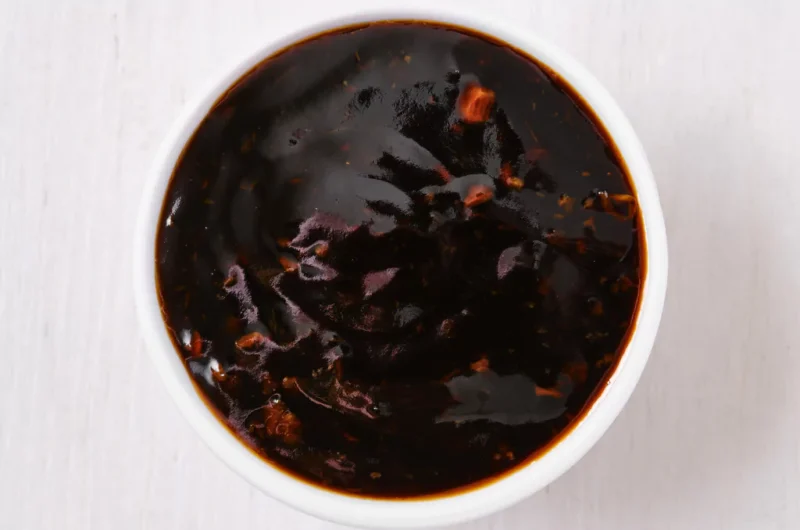
A useful visual cue is a shiny sauce that leaves a thin layer on the back of a spoon. It should flow off in a steady ribbon, not fall in heavy lumps. Keep the heat moderate as it thickens. Extending the boil for a long time can work against the starch and also make the soy flavor too concentrated.
Notes
- Do all the chopping before heating the pan. The sauce comes together quickly once the sugar has dissolved, and the slurry needs your attention as it goes in.
- Use cold water for the slurry. Warm sauce mixed directly with dry cornstarch can form little lumps that are harder to smooth out later.
- Stir the slurry again immediately before pouring. Cornstarch settles while it waits, leaving water on top and a dense layer at the bottom of the bowl.
- Taste with a clean spoon after a small sample has cooled. Hot sugar can burn, and tasting a cooler sample makes the salt and sweetness easier to judge.
- Keep the sauce at a gentle simmer before thickening. A wide pan and vigorous bubbling evaporate water quickly, making the final result saltier and thicker.
- Judge the texture after the brief cooling period. A hot sauce that looks slightly loose may be just right once it settles; extra starch is not automatically needed.
- Reserve clean sauce before any portion touches raw meat. Use separate utensils for raw ingredients and finished food, and discard the used marinade afterward.
Ingredients You Can Add
The original sauce already contains several layers of flavor. Try any extra ingredient in a small serving first so you can decide whether it suits the food on your plate.
- A pinch of red pepper flakes adds a gentle heat that works well with the honey and brown sugar.
- A little Sriracha makes a spicy dipping portion; add it gradually because it brings extra salt and acidity too.
- Finely chopped cilantro can freshen a serving of sauce spooned over cooked vegetables or noodles.
- A pinch of white pepper adds a subtle warmth without obvious dark specks in the glossy sauce.
- A small squeeze of lime gives a serving brighter acidity. Add it off the heat and remove any seeds.
- A little finely chopped fresh pineapple adds texture to a serving portion, especially when the sauce is paired with grilled vegetables.
What To Serve With This Sauce
My favorite everyday use is a little sauce over stir-fried vegetables, with rice underneath to catch the extra flavor. For another dinner built around the same sweet-savory idea, try Teriyaki Chicken. Follow that recipe’s own amounts rather than combining two full batches of sauce.
Noodles are another lovely option when you want the sauce spread through a whole bowl. Chicken Teriyaki Noodles offers a complete meal idea. Start lightly when dressing noodles, toss well, and add more only if the bowl needs it.
For fish, browse the Teriyaki Salmon recipe for a separate serving idea. A clean portion of this sauce can be brushed on near the end of cooking or spooned over the finished fish. Keep any sauce that touched raw food away from the table.
Variations and Swaps
- Reduced-sodium soy sauce can replace regular soy sauce in the same measured cup. Taste the finished sauce before adding anything salty.
- For a gluten-free variation, choose labeled gluten-free soy sauce or tamari and check the remaining packaged ingredients, including the cornstarch.
- Light brown sugar gives a gentler molasses flavor, while dark brown sugar makes the sauce deeper and more caramel-like. Keep the original measurement.
- Toasted sesame oil gives a stronger aroma than a milder sesame oil. Either changes the character slightly, so use the listed tablespoon thoughtfully.
- If you prefer a smoother finish, leave out the optional sesame seeds and green onions. The original garlic and ginger will still provide small pieces.
- Pineapple juice can replace the apple juice for a more tropical variation. Its acidity and sweetness differ, so expect the flavor to change.
- For a plant-based variation, replace the honey with maple syrup or another suitable sweetener. The original honey recipe is not vegan, and the substitute changes its flavor.
- For a looser serving sauce, stir a little water into the portion you need after cooking. Thin gradually rather than diluting the entire batch at once.
Storage
For a conservative storage plan, refrigerate the sauce in shallow covered containers at 40°F or below and use within 3 to 4 days. Refrigerate it promptly while still warm rather than leaving the whole saucepan out to cool completely. Discard sauce left out over 2 hours, or over 1 hour above 90°F. This recipe is not intended for room-temperature storage or home canning.
Reheat only the portion you need in a saucepan, stirring, and bring it to a boil before serving. If it has become too thick, add a little water. Freezing may make this cornstarch-thickened sauce separate or become watery after thawing, so refrigeration is the better choice for keeping its intended texture.
FAQ
Is this an exact copy of the bottled sauce?
It is a homemade recipe inspired by sweet soy, sesame, and ginger flavors. The original ingredients are preserved here, but the result is not a claim about the brand’s exact manufacturing formula.
Why did the sauce turn lumpy?
Dry cornstarch may have met hot liquid too quickly, or the slurry may not have been smooth. Start with cold water, stir until smooth, and pour slowly while stirring the saucepan.
Why is it still thin?
Give the slurry time to reach a full bubbling boil and cook for its stated minute. Then judge the sauce again after cooling slightly. The goal is a light coating, not a very thick paste.
Can I use it for grilling?
Yes, use a clean portion near the end of cooking and watch carefully because the sugars darken quickly. The sauce is also useful spooned over cooked food, which avoids exposing it to direct flames.
Can I marinate chicken in it?
Cool the sauce first and marinate in the refrigerator. Reserve a separate clean portion for serving, discard used marinade, and cook the chicken to 165°F. The sauce-making time does not include marinating a separate meal.
Is this recipe vegan?
The original recipe contains honey, so it is not vegan. A plant-based sweetener can be used as a variation, with a different flavor. Check all labels when cooking for a particular dietary need.
Short Description
A homemade teriyaki sauce inspired by sweet soy, sesame, and ginger flavors, with honey, brown sugar, and apple juice. Allow about 35 minutes including a brief cooling period; finished volume varies.
Kinders Teriyaki Sauce Recipe
Course: Condiment, SauceCuisine: AsianDifficulty: Easy1
batch10
minutes15
minutes35
minutesA homemade teriyaki sauce inspired by sweet soy, sesame, and ginger flavors, with honey, brown sugar, and apple juice. Allow about 35 minutes including a brief cooling period; finished volume varies.
Ingredients
1 cup soy sauce
1 cup water
3/4 cup brown sugar
1/4 cup honey
2 tbsp rice vinegar
1 tbsp sesame oil
3 cloves garlic, minced
1 tbsp fresh ginger, minced
1/4 cup apple juice
2 tbsp cornstarch
2 tbsp water
1 tbsp sesame seeds (optional)
2 green onions, chopped (optional)
Directions
- In a medium saucepan, combine the 1 cup soy sauce, 1 cup water, brown sugar, honey, rice vinegar, sesame oil, minced garlic, and minced ginger. Keep the separate 2 tablespoons water aside for the cornstarch slurry.
- Heat over medium, stirring frequently until the sugar dissolves and the sauce reaches a gentle boil. Reduce the heat to low and simmer for about 5 minutes. Keep the bubbling steady and gentle rather than reducing the sauce rapidly.
- Stir in the apple juice and simmer for another 2 to 3 minutes. Scrape along the bottom with a heatproof spatula so the sweet mixture does not catch.
- In a small bowl, mix the cornstarch with the reserved 2 tablespoons cold water until smooth. Stir the slurry again just before slowly pouring it into the sauce, stirring constantly. Bring the sauce to a full bubbling boil over medium heat and cook, stirring gently, for 1 minute, until glossy and lightly thickened. Allow about 2 to 3 minutes for this thickening stage.
- Remove from the heat. Stir in the optional sesame seeds and chopped green onions if using. The hot sauce should coat a spoon lightly and still pour; it thickens more as it cools.
- Let the sauce stand for about 10 minutes to cool slightly before using it warm. For storage, divide promptly among shallow heat-safe containers and refrigerate; do not wait for it to reach room temperature. Total time is about 35 minutes, including this brief cooling period.
Notes
- Makes one batch; finished volume varies with simmering and is not a measured 1-cup yield.
- The 35-minute total includes 10 minutes of prep, about 15 minutes of cooking, and 10 minutes of brief cooling before warm use.
- Refrigerate promptly in shallow containers at 40°F or below and use within 3 to 4 days. The original recipe contains honey and is not vegan.