Garlic Butter Shrimp Pasta
I love how garlic and butter turn a pot of pasta into a dinner worth sitting down for. I have made this shrimp pasta twice a month for five years, and a piece of bread for catching the sauce has become part of the meal at our table.
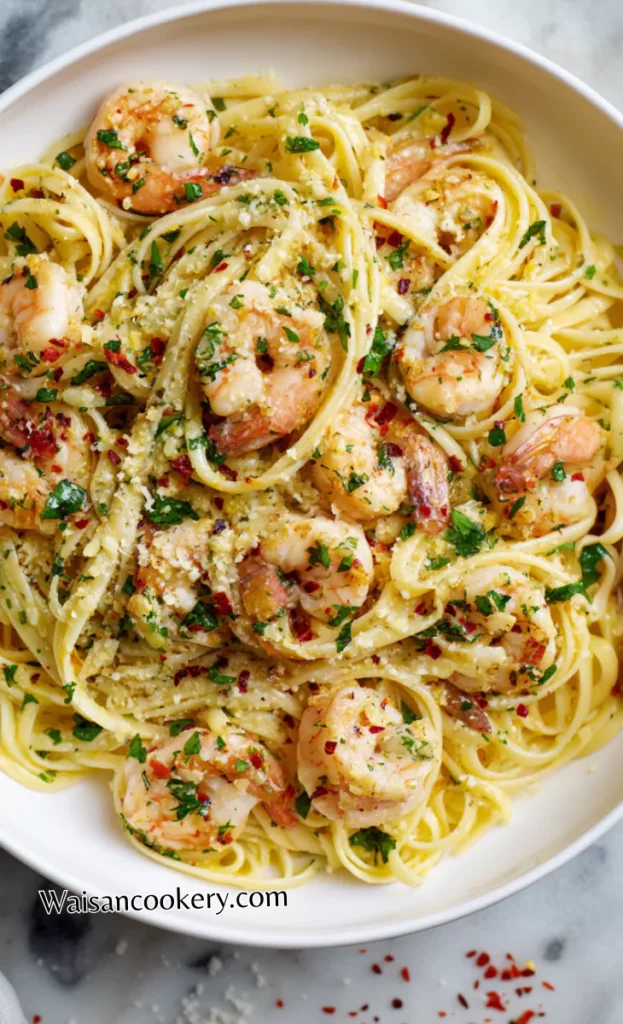
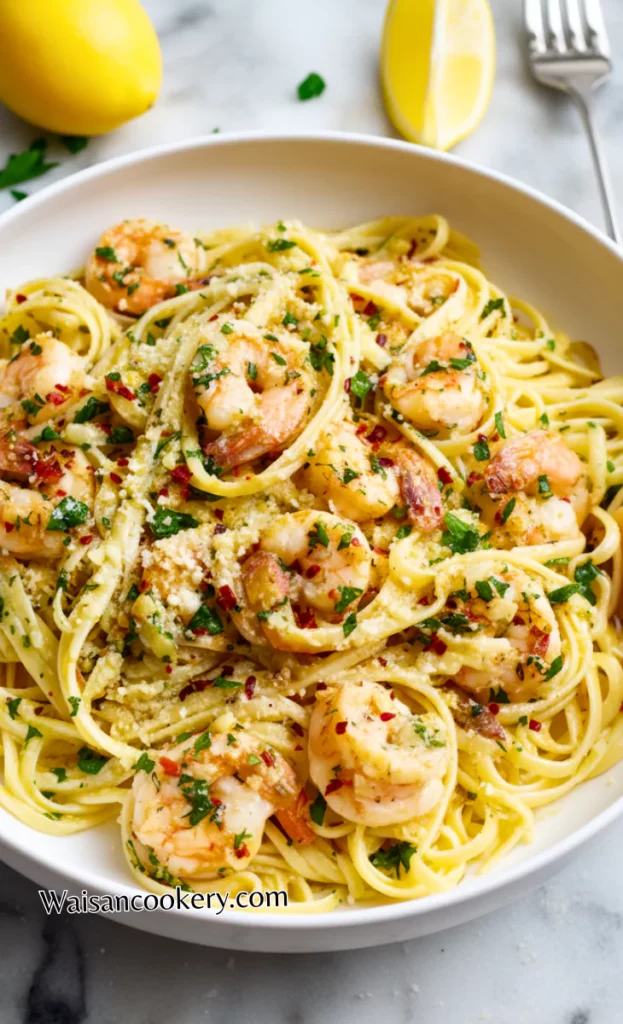
This version uses six tablespoons of butter, fresh garlic, and a little chicken broth. Lemon and parsley go in near the end, followed by Parmesan off the heat. The sauce should lightly coat the noodles, with enough looseness that they are easy to twirl.
My kids tend to count their shrimp before starting, so I divide them evenly between the bowls. With thawed, peeled shrimp ready, dinner takes about 35 minutes. Get the garlic, herbs, and measured ingredients ready first, because the skillet steps move quickly.
Why This Dish Is Great
- The sauce comes together in the same pan used for the shrimp, collecting their cooking juices.
- Butter and Parmesan make a rich coating without needing cream in the main recipe.
- Italian seasoning seasons the shrimp before they go into the skillet.
- Lemon added near the end keeps its bright flavor easy to adjust.
- Long pasta gives plenty of surface for the garlic sauce, while the shrimp remain the main topping.
- Vegetables can be served alongside or cooked separately and folded into the pasta.
Choosing Pasta And Shrimp
Linguine gives a slightly narrower strand, while fettuccine makes a broader ribbon that carries more sauce. Both work with this recipe. Choose one and follow its package timing, checking early for a firm center. Fresh pasta cooks faster than dried, so coordinate it with the shrimp instead of giving both the same start time.
Look for large raw shrimp, peeled and deveined. Frozen shrimp are a practical choice when the package is intact and the shrimp have stayed frozen. Thaw them in the refrigerator and pat them dry before seasoning. Remove tails for easier eating, or leave them on if you do not mind removing them at the table.
Ingredients
- 12 oz linguine or fettuccine pasta
- 1½ lbs large shrimp, peeled and deveined
- 6 tablespoons butter
- 6 cloves garlic, minced
- 1/2 cup chicken broth
- 1/2 teaspoon red pepper flakes
- 1 teaspoon Italian seasoning
- Salt and black pepper to taste
- 1/4 cup fresh parsley, chopped
- Juice of 1 lemon
- 1/2 cup grated Parmesan cheese
- 2 tablespoons olive oil
The butter is divided: 2 tablespoons cook the shrimp, and the remaining 4 tablespoons make the garlic sauce. All 2 tablespoons olive oil go into the shrimp pan. Divide the ¼ cup parsley into two equal portions, using half in the pasta and half as the finish.
Kitchen Equipment You Will Need
As an Amazon Associate I earn from qualifying purchases.
- Large pasta pot
- 12-inch skillet
- Colander
- Kitchen tongs
- Chef knife
- Cutting board
- Measuring cups
- Measuring spoons
- Fine grater
- Citrus zester
- Instant-read thermometer
How To Make Garlic Butter Shrimp Pasta
Allow 15 minutes preparation and about 20 minutes cooking, or 35 minutes total with thawed, peeled shrimp. Cook the pasta while the shrimp cook in two batches. Frozen shrimp need additional thawing time, ideally overnight in the refrigerator. Extra vegetables or a protein swap may extend cooking.
Step 1:
Cook pasta: Bring a large pot of salted water to a boil and cook the 12 oz linguine or fettuccine according to the package until al dente. Reserve 1 cup of pasta water before draining. Start the shrimp while the noodles cook.
Step 2:
Season shrimp: Pat the 1½ lbs peeled and deveined shrimp dry. Season with salt, black pepper, and the full 1 teaspoon Italian seasoning. Keep raw shrimp cold until cooking, and wash hands and utensils after handling them.
Step 3:
Cook shrimp: Heat 2 tablespoons butter and the 2 tablespoons olive oil in a large skillet over medium-high heat. Cook shrimp in two uncrowded batches, about 1-2 minutes per side as a starting guide, until the thickest shrimp reach 145°F and the flesh is firm and opaque. Adjust time for size and heat. Move cooked shrimp to a clean plate; reduce heat if the butter darkens quickly.
Step 4:
Make garlic butter sauce: Turn the heat down to medium-low. Melt the remaining 4 tablespoons butter, then stir in the 6 minced garlic cloves and 1/2 teaspoon red pepper flakes. Cook for about 30-60 seconds, until fragrant but not browned.
Step 5:
Add liquid: Pour in the 1/2 cup chicken broth, scraping up any lightly golden bits. Simmer for about 2 minutes to reduce the liquid slightly. Keep enough liquid in the pan to coat the pasta.
Step 6:
Combine pasta: Add the drained noodles and toss over low heat until coated. If the skillet is crowded, use the drained pasta pot for combining everything so the noodles can move freely.
Step 7:
Return shrimp: Add the cooked shrimp and their juices, the juice of 1 lemon, and half the 1/4 cup chopped parsley. Toss gently just long enough to warm the shrimp again.
Step 8:
Finish: Add reserved pasta water in small splashes, tossing until the sauce is glossy. Take the pan off the heat and gradually add the 1/2 cup grated Parmesan. Loosen with a little more reserved water if needed; you may not use the whole cup.
Step 9:
Serve: Taste and adjust salt and black pepper, then divide into four bowls. Scatter the remaining parsley over the pasta. Extra Parmesan or lemon wedges can be offered separately if desired. Serve promptly.
Notes
- Dry shrimp thoroughly before they meet the hot pan. Excess moisture makes the pan bubble and steam rather than sear.
- Give the shrimp a single layer with a little space. Two smaller batches are easier to control than one crowded batch.
- Use the thermometer in the thick part of a shrimp, entering from the side. A curled shape alone does not tell you its internal temperature.
- Let the skillet cool slightly before adding garlic. Residual heat can brown minced garlic even after the burner has been turned down.
- Keep the reserved pasta water nearby. Add just enough to make the sauce flow around the noodles instead of collecting in an oily puddle.
- Finely grated cheese incorporates more easily. Stir it in after removing the pan from the heat so it is less likely to clump.
- Season at the end with care. Parmesan and broth already bring salt, and their saltiness differs between brands.
Ingredients You Can Add
- Sun-dried tomatoes: Drain oil-packed tomatoes or soften dry ones according to their package, then slice and warm in the broth.
- Spinach: Fold washed leaves into the hot noodles and let them wilt before returning the cooked shrimp.
- Mushrooms: Cook sliced mushrooms separately until their liquid evaporates, then add them with the pasta.
- Capers: Drain and add to the broth for a briny note, checking the finished dish before adding more salt.
- Basil: Replace the parsley with fresh basil if you prefer its aroma, and add it after the pan leaves the heat.
- Fresh chilies: Mince a little chili and cook it with the garlic for another kind of heat. Keep the amount modest until you know its strength.
What To Serve
A cool side makes a pleasant change from the warm, buttery pasta. Carrot ribbon salad adds crunch and color; prepare it before you start cooking the shrimp so serving stays simple.
For a larger shared meal, set out Greek chickpea salad in a separate bowl. Smaller side portions leave room for the pasta, and guests can choose how much of each they want.
Serve slices of homemade sandwich bread for the sauce left in the bowls. Sparkling water, white grape juice, or cider can go alongside. Keep the extra cheese and lemon at the table so each person can finish their own serving.
Recipe Variations And Swaps
- Chicken version: Use chicken breast strips in place of shrimp, cooking them to 165°F before setting them aside. Chicken needs a longer cooking window, so adjust the schedule.
- Creamy style: Add a splash of heavy cream to the broth and simmer gently before adding pasta. The sauce will be fuller and less like the simple butter version.
- Vegetable version: Cook zucchini, bell peppers, or cherry tomatoes separately until tender, then fold them in. Avoid adding a large amount of watery raw vegetables at the last minute.
- Spicy version: Triple the 1/2 teaspoon red pepper flakes to 1½ teaspoons if you want the hotter option. Fresh chilies can increase heat further, so taste before adding both.
- Lemon-forward version: Double the lemon juice by using the juice of 2 lemons, and add some finely grated zest. Lemon size varies; add the second lemon gradually to suit your taste.
- Gluten-free version: Choose gluten-free pasta and verify the broth, seasonings, and other packaged ingredients. Follow the noodle package and stir gently if the strands are delicate.
- Dairy-free version: Replace the butter with olive oil and omit Parmesan, checking the remaining ingredients too. Optional coconut cream adds richness and its own noticeable flavor.
- Seafood medley: Cook scallops separately to 145°F and steam mussels or clams separately until they open, discarding unopened ones. Add the cooked seafood at the end and allow extra time.
- Less butter: Halving the butter uses 3 tablespoons total. Divide it as 1 tablespoon for shrimp and 2 for sauce, keeping the listed olive oil. This gives a less buttery coating; add pasta water gradually as needed.
How To Store
Transfer leftovers to shallow containers and refrigerate within two hours of cooking, or within one hour in temperatures above 90°F. Keep at 40°F or below for up to three days. If you plan to save components separately, chill each promptly rather than leaving them on the stove while dinner is eaten.
Reheat a portion with a splash of broth or water in a covered skillet, stirring gently until it reaches 165°F throughout. A microwave also works if you cover, pause, and stir for even heating. Stop once the food is hot enough, because more cooking makes the shrimp firmer. Add a little fresh parsley or lemon after reheating if desired.
FAQ
Can I start with frozen shrimp?
Yes, but thaw them first. Refrigerate overnight, or thaw in a sealed bag in cold water and cook promptly. Keep them off the counter during thawing.
Why is the sauce oily?
The fat needs enough liquid and movement to coat the noodles. Add a small splash of reserved pasta water and toss over gentle heat, then finish the cheese off the heat.
Can I use another broth?
Vegetable broth, clam juice, or reserved pasta water can replace the 1/2 cup chicken broth. Each changes the flavor and saltiness, so taste the finished sauce.
How do I divide the shrimp fairly?
Share the full cooked amount among four bowls. A fixed shrimp count is less useful because large shrimp vary in size between packages.
Why does the pasta taste flat?
Taste for salt, lemon, and pepper after adding the cheese. Add small adjustments one at a time; a sauce that seems mild may need acidity rather than more salt.
Can I cook everything early?
The sauce thickens as the noodles sit, and shrimp can become firm with repeated reheating. Prep ingredients ahead, then cook near serving. Keep raw seafood refrigerated until needed.
Short Description
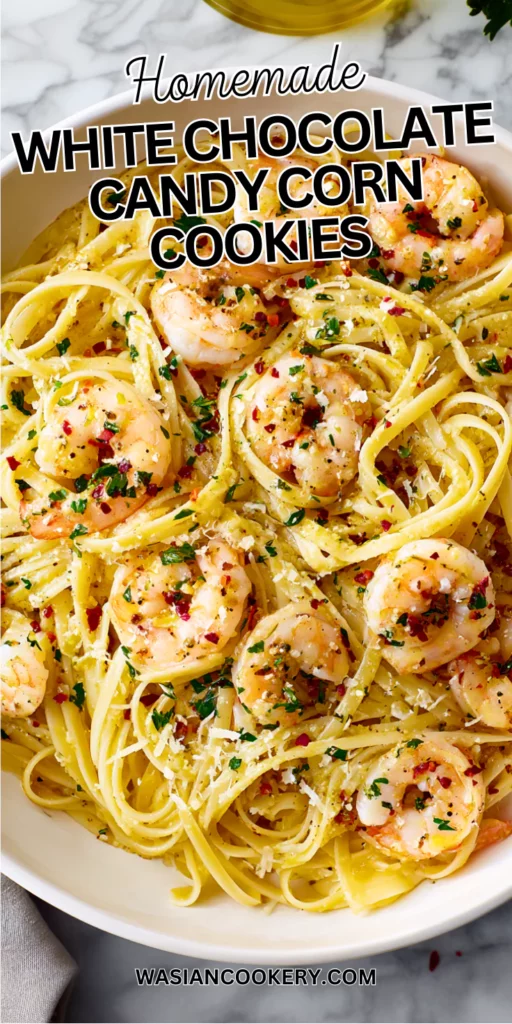
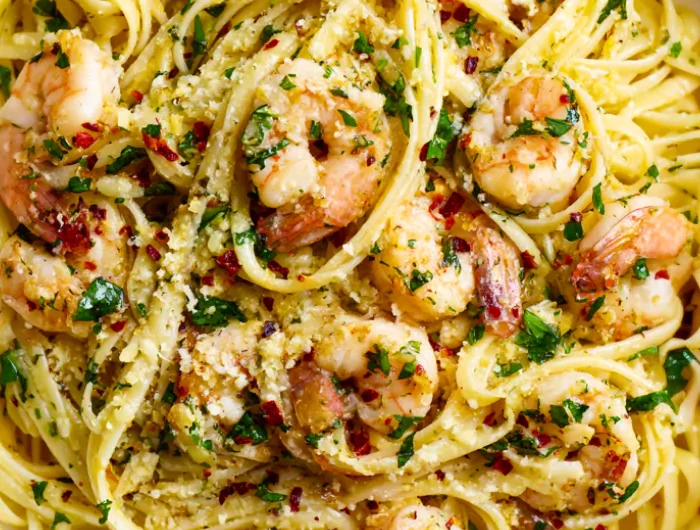
Garlic butter shrimp pasta pairs linguine or fettuccine with shrimp, Italian seasoning, lemon, parsley, and a glossy Parmesan butter sauce.
Garlic Butter Shrimp Pasta
Course: MainCuisine: Italian-AmericanDifficulty: Easy4
servings15
minutes20
minutes35
minutesGarlic butter shrimp pasta pairs linguine or fettuccine with shrimp, Italian seasoning, lemon, parsley, and a glossy Parmesan butter sauce.
Ingredients
12 oz linguine or fettuccine pasta
1½ lbs large shrimp, peeled and deveined
6 tablespoons butter
6 cloves garlic, minced
1/2 cup chicken broth
1/2 teaspoon red pepper flakes
1 teaspoon Italian seasoning
Salt and black pepper to taste
1/4 cup fresh parsley, chopped
Juice of 1 lemon
1/2 cup grated Parmesan cheese
2 tablespoons olive oil
Directions
- Cook pasta: Bring a large pot of salted water to a boil and cook the 12 oz linguine or fettuccine according to the package until al dente. Reserve 1 cup of pasta water before draining. Start the shrimp while the noodles cook.
- Season shrimp: Pat the 1½ lbs peeled and deveined shrimp dry. Season with salt, black pepper, and the full 1 teaspoon Italian seasoning. Keep raw shrimp cold until cooking, and wash hands and utensils after handling them.
- Cook shrimp: Heat 2 tablespoons butter and the 2 tablespoons olive oil in a large skillet over medium-high heat. Cook shrimp in two uncrowded batches, about 1-2 minutes per side as a starting guide, until the thickest shrimp reach 145°F and the flesh is firm and opaque. Adjust time for size and heat. Move cooked shrimp to a clean plate; reduce heat if the butter darkens quickly.
- Make garlic butter sauce: Turn the heat down to medium-low. Melt the remaining 4 tablespoons butter, then stir in the 6 minced garlic cloves and 1/2 teaspoon red pepper flakes. Cook for about 30-60 seconds, until fragrant but not browned.
- Add liquid: Pour in the 1/2 cup chicken broth, scraping up any lightly golden bits. Simmer for about 2 minutes to reduce the liquid slightly. Keep enough liquid in the pan to coat the pasta.
- Combine pasta: Add the drained noodles and toss over low heat until coated. If the skillet is crowded, use the drained pasta pot for combining everything so the noodles can move freely.
- Return shrimp: Add the cooked shrimp and their juices, the juice of 1 lemon, and half the 1/4 cup chopped parsley. Toss gently just long enough to warm the shrimp again.
- Finish: Add reserved pasta water in small splashes, tossing until the sauce is glossy. Take the pan off the heat and gradually add the 1/2 cup grated Parmesan. Loosen with a little more reserved water if needed; you may not use the whole cup.
- Serve: Taste and adjust salt and black pepper, then divide into four bowls. Scatter the remaining parsley over the pasta. Extra Parmesan or lemon wedges can be offered separately if desired. Serve promptly.
Notes
- Use 2 tablespoons butter and all 2 tablespoons olive oil for shrimp; use the remaining 4 tablespoons butter for sauce. Half the parsley goes into the pasta and half finishes the bowls.
- The 35-minute total assumes thawed, peeled shrimp, two shrimp batches, and pasta cooking alongside. Thawing and optional extra ingredients can add time.
- Cook shrimp to 145°F; a chicken variation needs 165°F. Use clean utensils and a clean plate for cooked seafood.
- Refrigerate within two hours, or one hour above 90°F, at 40°F or below for up to three days. Reheat to 165°F. Add Parmesan off the heat and use reserved pasta water only as needed.