Cracker Barrel Pinto Beans Recipe
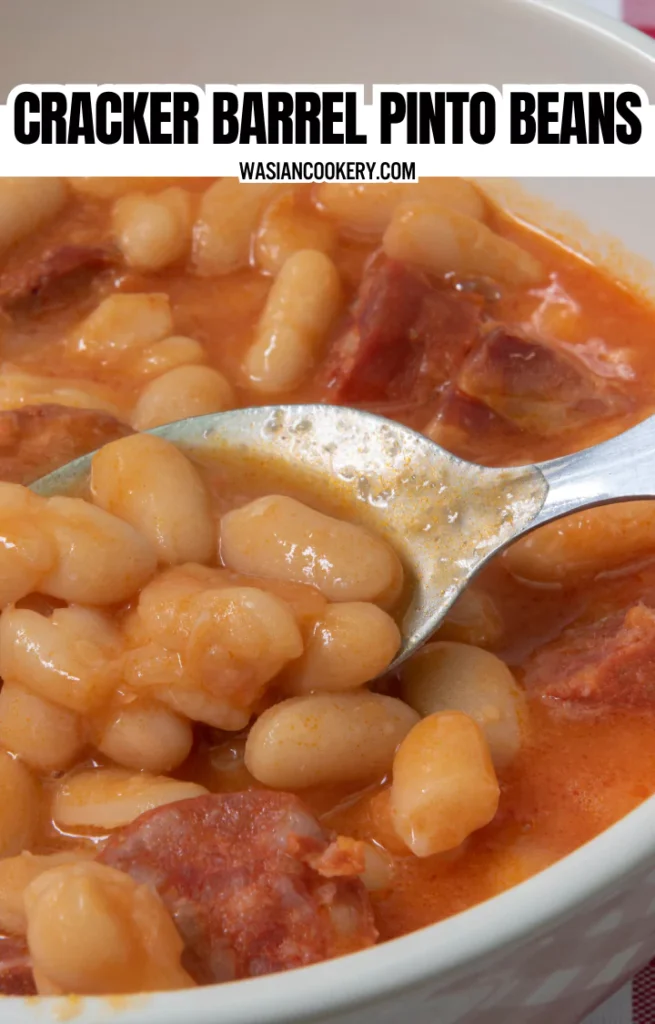
In my kitchen, a pot of pinto beans is a comforting way to turn simple ingredients into a filling meal. This Cracker Barrel Pinto Beans recipe starts with dried beans, onion, and garlic, with an optional ham hock or bacon for a smoky, savory broth.
I love making these beans at home because they remind me of the hearty dishes I enjoy at Cracker Barrel Old Country Store. The beans soften as they simmer, and a little of their starch thickens the cooking liquid into the lovely broth that belongs beside warm cornbread.
This is a homemade, restaurant-inspired version with room to adjust the final seasoning. Plan for an overnight soak and a patient stovetop cook. The method below keeps the original ingredients while explaining the boiling stage, how much liquid to watch for, and when the beans are ready to serve.
Why This Dish Is Great
- Dried pinto beans create their own savory cooking broth, giving the finished pot a creamy texture without cream or a flour thickener.
- Onion and garlic make a simple flavor base that works with either of the original optional pork choices.
- A ham hock brings smoky flavor and tender pieces of meat, while chopped bacon is a convenient alternative with a different texture.
- The seasonings are easy to adjust at the end, after you know how much salt the chosen meat has contributed.
- You can serve the beans as a generous side or build a simple main dish with rice, cornbread, and vegetables.
- Leftovers reheat well when stored with their broth, making the pot useful for another meal during the next few days.
What Are the Best Pinto Beans to Use?
Start with dried pinto beans from a bag that has been stored in a cool, dry place. Older beans can take much longer to soften, so a fresh bag is helpful when you need dinner at a particular time. Spread them out and remove stones, debris, and damaged beans before rinsing. The mottled dry beans become softer in color as they cook.
Choose a ham hock with its cooking instructions still available, or use the listed chopped bacon. Smoked does not always mean fully cooked, so check the package rather than assuming the meat is ready to eat. A larger hock may take longer to become tender than a smaller one. Keep all raw pork refrigerated until you are ready to start cooking.
Ingredients
- 1 pound dried pinto beans
- 6 cups water
- 1 medium onion, chopped
- 2 cloves garlic, minced
- 1 ham hock or 1/2 pound bacon, chopped (optional for flavor)
- 1 teaspoon salt, or to taste
- 1/2 teaspoon black pepper, or to taste
- 1/4 teaspoon cayenne pepper (optional, for a bit of heat)
- 1 tablespoon vegetable oil
The 6 cups of water are the initial fresh cooking water. You also need unmeasured water for rinsing and soaking, which is discarded, and extra hot water if evaporation exposes the beans during cooking. Keep the listed quantities of beans, aromatics, oil, and seasonings the same. Use either one ham hock or the bacon, rather than automatically adding both.
Kitchen Equipment You Will Need
As an Amazon Associate I earn from qualifying purchases.
- Large soaking bowl
- Colander
- Large Dutch oven with lid
- Chef knife
- Cutting board
- Long-handled cooking spoon
- Kitchen tongs
- Dinner forks
- Food thermometer
- Shallow food storage containers
- Measuring cups
- Measuring spoons
- Ladle
- Serving bowls
How To Make Cracker Barrel Pinto Beans
Allow about 15 minutes for preparation, an 8-hour refrigerated soak, and about 3 hours for browning, bringing the pot to a boil, boiling, and simmering. The estimated total is 11 hours 15 minutes. Bean age, altitude, pot shape, and the size of a ham hock can extend the cooking time; tenderness matters more than the clock.
- Sort and rinse the dried pinto beans. Put them in a large bowl, cover generously with cold water several inches above the beans, and refrigerate for at least 8 hours or overnight. Leave room for expansion. Drain and discard the soaking water, then rinse the beans again before cooking.
- Heat the tablespoon of vegetable oil in a large Dutch oven over medium heat. If using bacon, add the chopped bacon and cook until it begins to brown, about 5–8 minutes. If using a ham hock, turn it in the hot oil to lightly brown its surfaces instead. Keep the meat in the pot; browning is only the beginning of its cooking.
- Add the chopped onion and cook, stirring, until softened, about 5 minutes. Stir in the minced garlic for about 30 seconds, just until fragrant. Lower the heat if the garlic starts browning quickly. When omitting the optional meat, soften the onion directly in the heated oil.
- Add the drained beans and the measured 6 cups of fresh water. Stir gently and bring to a full rolling boil over high heat. The beans should be covered with liquid; add extra water if your pot or ham hock leaves them exposed.
- Maintain a full rolling boil, uncovered, for 30 minutes before reducing the heat. Watch the pot, stir occasionally, and add hot water as needed to keep the beans submerged. This boiling stage is part of cooking the soaked dried beans safely; do not replace it with an immediate low simmer.
- Reduce to a gentle simmer and partly cover the pot. Cook for another 1–2 hours, or longer if needed, until the beans are completely tender. Stir occasionally along the bottom and keep them covered with hot water. Start checking their texture after an hour of simmering; a bean should mash easily with a fork with no hard or chalky center.
- If using a ham hock, continue until its meat is tender enough to pull from the bone. Follow its package directions; a raw or cook-before-eating hock must reach at least 145°F in the thickest meat away from bone and rest for 3 minutes before you pull it apart. Lift it out, rest it while the beans continue simmering, then remove bones, skin, and tough pieces. Return the tender meat to the pot. Bacon should be fully cooked and tender by this stage.
- Once the beans and any meat are cooked, add the salt, black pepper, and optional cayenne, starting cautiously with the salt if the pork is salty. Taste and adjust using the listed to-taste allowance. For a thicker broth, mash a few tender beans against the side of the pot and stir them back in. Serve hot with some broth in each bowl.
Notes
- Use a pot with plenty of headroom. Beans can foam as they boil, and a crowded pot is harder to watch and stir safely.
- Discard the soaking water and begin cooking with fresh water. The soaking stage is separate from the measured 6 cups in the recipe.
- Keep the first 30 minutes at a rolling boil, then lower the heat for the longer simmer so the beans can soften without constant rough bubbling.
- Add hot water a little at a time whenever the beans become exposed. A wide uncovered pot loses liquid faster than a narrow partly covered one.
- Wait until the beans are tender before adding acidic extras such as vinegar, tomatoes, or Worcestershire sauce; acid can slow their softening.
- Mash only a small portion to thicken the broth. It is easy to mash more, but you cannot turn a fully mashed pot back into whole beans.
- If the ham hock needs longer than the beans, move the cooked beans and some broth into a covered bowl while the hock finishes, then return them to heat through.
Ingredients You Can Add
- Diced carrots can soften with the onion and bring a little sweetness to the savory broth.
- Chopped celery gives a gentle aromatic flavor without taking attention away from the beans.
- Diced bell pepper adds color and works well when cooked with the onion.
- A small dash of Worcestershire sauce can deepen the finished broth; taste for salt afterward.
- A few drops of liquid smoke can add smoky flavor, especially when leaving out the optional pork. Use a light hand.
- A little hot sauce at the table lets each person choose extra heat without changing the whole pot.
What To Serve with Pinto Beans
Personally, I’d rather have a slice of warm, buttery cornbread alongside a bowl of pinto beans. Its slightly sweet flavor and crumbly texture are lovely with the savory broth. Collard greens cooked with bacon are another favorite for a hearty Southern-style plate.
For a fresh side, serve crisp cabbage tossed with Marie’s Coleslaw Dressing. The cool crunch is welcome beside the warm beans. Grilled or smoked sausage also works when you want a more substantial meal, especially if you chose to leave the optional meat out of the beans.
Spoon the beans next to Juan Pollo Rice for a filling bowl, keeping plenty of broth for the rice to absorb. If you enjoy beans-and-rice dinners, Cajun Red Beans and Rice is another recipe to try on a different night with a more strongly seasoned flavor.

Variations and Swaps
- Choose the original bacon option instead of a ham hock when you prefer small pieces of meat throughout the beans.
- Choose a ham hock instead of bacon when you want tender shredded pork and a more slowly developed broth.
- Leave out the optional pork for a meatless version, using the listed oil to soften the onion and garlic.
- For the meatless version, a small amount of vegetable bouillon can add savoriness; adjust the final salt carefully.
- Skip the optional cayenne for a mild pot and offer hot sauce separately.
- Mash more of the cooked beans for a thicker, spoonable side, or leave them mostly whole for a brothier bowl.
- Add a little smoked paprika at the seasoning stage for a warm smoky note without changing the cooking method.
- Turn a leftover portion into a spread by mashing reheated tender beans and adding just enough broth to reach a soft consistency.
Storage
Transfer leftovers into shallow containers with some of their broth and refrigerate within 2 hours, or within 1 hour when the surrounding temperature is above 90°F. Keep the refrigerator at 40°F or below and use the beans within 3–4 days. Do not leave the full Dutch oven on the counter to cool to room temperature. Freeze portions promptly if you need to save them longer, leaving expansion space in freezer-safe containers.
Thaw frozen portions in the refrigerator. Reheat on the stove, stirring along the bottom, until the beans reach 165°F and the broth comes to a rolling boil. Add a little water if the chilled starch has thickened the liquid. For microwave reheating, cover loosely, stir between intervals, and check several places for 165°F. Reheat only the portion you plan to serve.
FAQ
Why are my beans still firm?
Older beans, hard water, and acidic additions can all make beans slower to soften. Keep the beans submerged and continue cooking until they mash easily. Do not serve crunchy beans just because the estimated time has passed.
Can I skip the soak?
This method is written for beans soaked at least 8 hours in the refrigerator, followed by fresh-water boiling and simmering. Skipping the soak changes the timing and water needs, so plan ahead for the method given here.
Can I use canned beans instead?
Canned beans are already cooked and need a different amount of liquid and a much shorter cooking time. They are not a direct swap in this dried-bean method, particularly when a raw ham hock needs a long cook.
Can I put everything straight into a slow cooker?
Do not replace the initial stovetop boiling stage with a low slow-cooker setting. Follow the soak, fresh-water boil, and stovetop simmer in this recipe so the dried beans are cooked thoroughly.
How thick should the broth be?
It should lightly coat the beans while still being easy to spoon. Mash a few fully tender beans for a thicker pot, or add a little hot water for more broth. The mixture thickens further as it cools.
Are these beans vegetarian?
They are vegetarian only when you omit the optional ham hock or bacon and choose vegetarian seasonings. Check bouillon and Worcestershire sauce ingredients if using those additions. The base recipe allows either the pork version or the meatless choice.
Short Description
Tender pinto beans simmered with onion, garlic, and optional ham hock or bacon in a savory broth. An overnight soak and a proper stovetop boil come before the gentle simmer that makes this comforting dish ready for cornbread, rice, or greens.
Cracker Barrel Pinto Beans Recipe
Course: SidesCuisine: Southern AmericanDifficulty: Easy4
servings15
minutes3
hours11
hours15
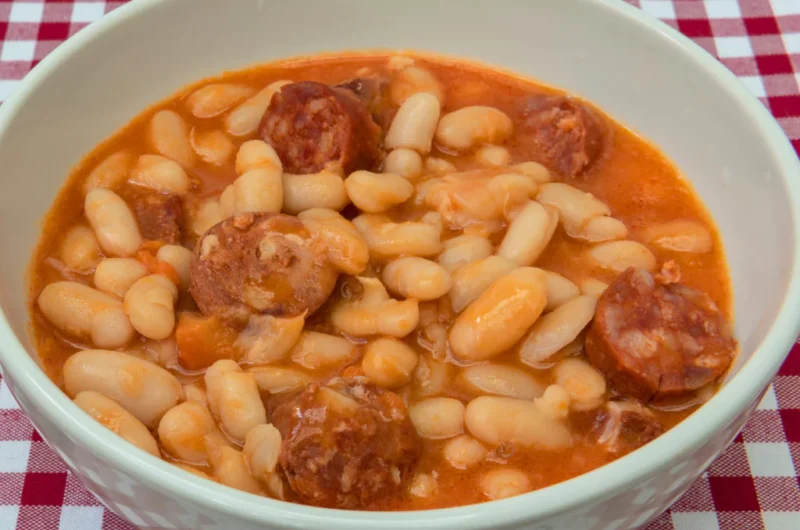
minutesEasy to prepare, these Cracker Barrel Pinto Beans are simmered with onions, garlic, and savory ham hock or bacon for a comforting Southern-style dish.
Ingredients
1 pound dried pinto beans
6 cups water
1 medium onion, chopped
2 cloves garlic, minced
1 ham hock or 1/2 pound bacon, chopped (optional for flavor)
1 teaspoon salt, or to taste
1/2 teaspoon black pepper, or to taste
1/4 teaspoon cayenne pepper (optional, for a bit of heat)
1 tablespoon vegetable oil
Directions
- Prepare the Beans
- Sort and rinse the dried pinto beans. Put them in a large bowl, cover generously with cold water several inches above the beans, and refrigerate for at least 8 hours or overnight. Leave room for expansion. Drain and discard the soaking water, then rinse the beans again before cooking.
- Cooking the Beans
- Heat the tablespoon of vegetable oil in a large Dutch oven over medium heat. If using bacon, add the chopped bacon and cook until it begins to brown, about 5–8 minutes. If using a ham hock, turn it in the hot oil to lightly brown its surfaces instead. Keep the meat in the pot; browning is only the beginning of its cooking.
- Add the chopped onion and cook, stirring, until softened, about 5 minutes. Stir in the minced garlic for about 30 seconds, just until fragrant. Lower the heat if the garlic starts browning quickly. When omitting the optional meat, soften the onion directly in the heated oil.
- Add the drained beans and the measured 6 cups of fresh water. Stir gently and bring to a full rolling boil over high heat. The beans should be covered with liquid; add extra water if your pot or ham hock leaves them exposed.
- Maintain a full rolling boil, uncovered, for 30 minutes before reducing the heat. Watch the pot, stir occasionally, and add hot water as needed to keep the beans submerged. This boiling stage is part of cooking the soaked dried beans safely; do not replace it with an immediate low simmer.
- Reduce to a gentle simmer and partly cover the pot. Cook for another 1–2 hours, or longer if needed, until the beans are completely tender. Stir occasionally along the bottom and keep them covered with hot water. Start checking their texture after an hour of simmering; a bean should mash easily with a fork with no hard or chalky center.
- If using a ham hock, continue until its meat is tender enough to pull from the bone. Follow its package directions; a raw or cook-before-eating hock must reach at least 145°F in the thickest meat away from bone and rest for 3 minutes before you pull it apart. Lift it out, rest it while the beans continue simmering, then remove bones, skin, and tough pieces. Return the tender meat to the pot. Bacon should be fully cooked and tender by this stage.
- Seasoning
- Once the beans and any meat are cooked, add the salt, black pepper, and optional cayenne, starting cautiously with the salt if the pork is salty. Taste and adjust using the listed to-taste allowance. For a thicker broth, mash a few tender beans against the side of the pot and stir them back in. Serve hot with some broth in each bowl.
Notes
- Soak the beans in the refrigerator for at least 8 hours, drain, and use fresh cooking water. Maintain a rolling boil for 30 minutes before simmering until fully tender. The total time includes the 8-hour soak; older beans or a larger ham hock may need longer.
- For a creamier broth, mash a few fully cooked beans into the pot. Add optional Worcestershire sauce or a few drops of liquid smoke only after the beans are tender.