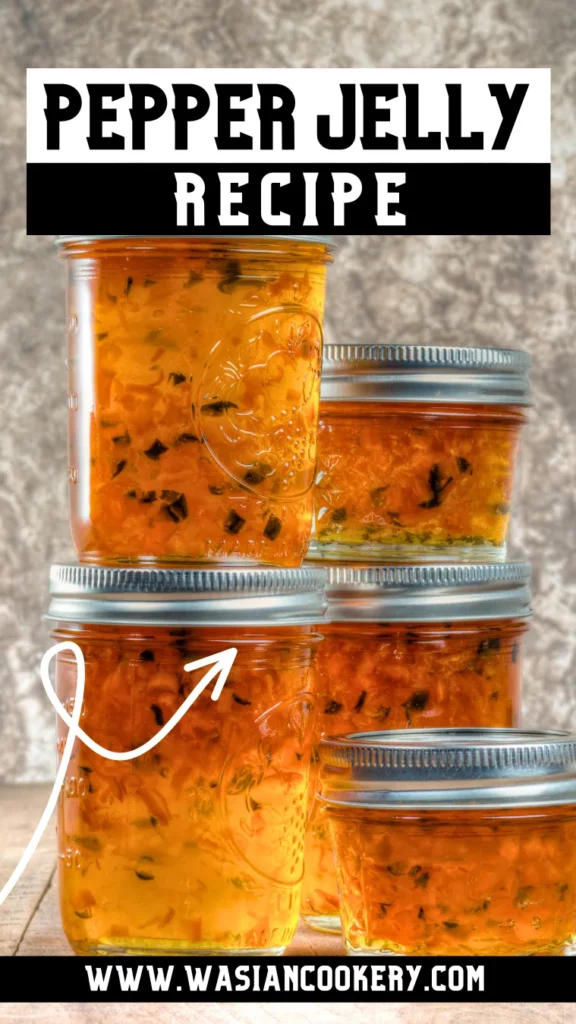
Pepper Jelly Recipe
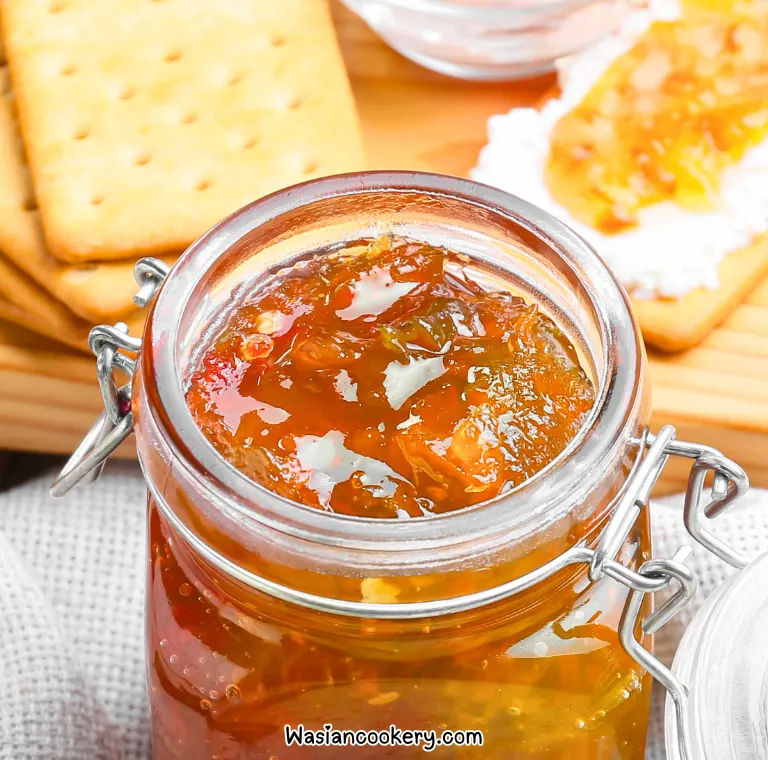
In my kitchen, pepper jelly is a sweet and tangy topping for cream cheese, sandwiches, and savory snacks. This version uses mostly bell peppers with a small measure of jalapeño, so you get colorful pepper pieces and a little warmth in each spoonful.
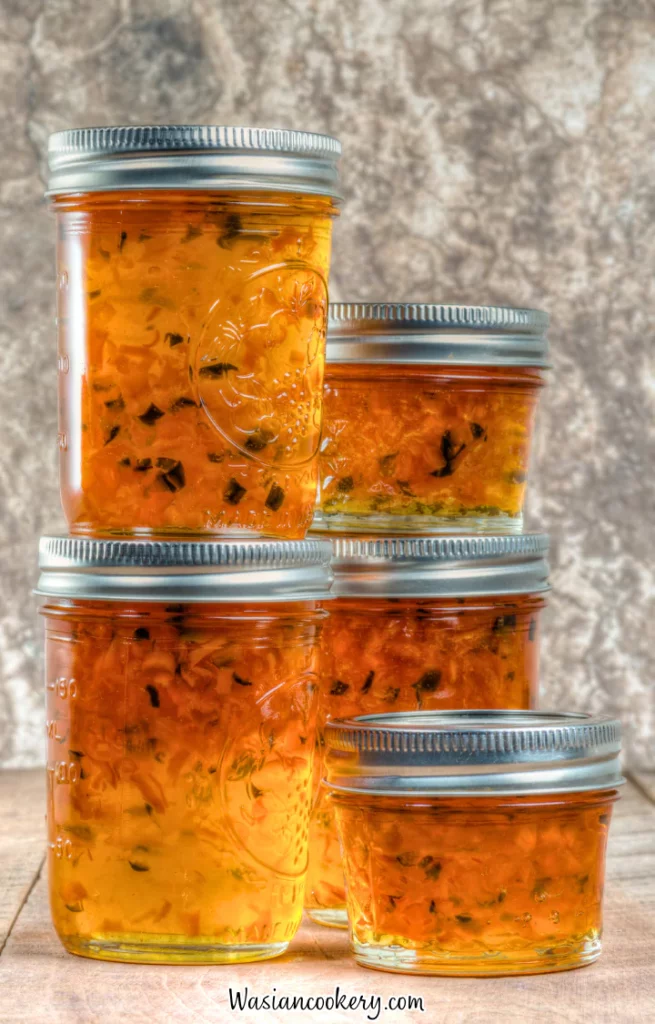
Make this as a refrigerator spread and keep every container cold. These ingredient proportions do not come with a validated canning process. The mixture may thicken softly or stay pourable, so think of it as a flexible topping rather than a promise of firm, shelf-stable jelly.
The ingredients are simple: peppers, apple cider vinegar, sugar, and a pouch of liquid pectin. Careful measuring, a roomy pot, and prompt refrigeration are the useful details here. You can serve the spread once thoroughly chilled, then check its final texture after a day in the refrigerator.
Why This Dish Is Great
- Bell peppers give the spread a fresh vegetable flavor under the sweetness.
- A smaller measured amount of jalapeño adds warmth while letting the sweet peppers remain the main flavor.
- Red, green, or mixed bell peppers make different natural colors without needing food coloring.
- The finely chopped pieces give a little texture on crackers and bread.
- The same batch can be used in small portions across several savory meals.
- If the mixture stays loose, it can be spooned as a sauce without more boiling or unmeasured pectin.
What Are the Best Bell Peppers?
Choose firm, glossy bell peppers that feel heavy for their size. Avoid soft patches, mold, or wrinkled flesh. Red peppers usually taste sweeter, while green peppers have a more grassy flavor. A mix gives little flecks of different colors, and all of those choices are already included in the ingredient list.
Remove stems, cores, and seeds before chopping. Measure 2 cups of the prepared bell peppers, not whole pepper pieces with large air gaps, and measure the jalapeño separately. Chop both fairly finely so the spoonfuls feel even. Use gloves for the jalapeño and avoid touching your eyes until your hands and utensils are clean.
Ingredients
- 2 cups finely chopped bell peppers (red, green, or a mix)
- 1/4 cup finely chopped jalapeño peppers (seeds removed for less heat)
- 1 1/2 cups apple cider vinegar
- 6 cups granulated sugar
- 1 pouch (3 oz) liquid pectin
Choose commercially bottled apple cider vinegar labeled 5% acidity. Use the specified 3-ounce pouch of ordinary liquid pectin, checking that it is within its recommended date. Keep the sugar and vinegar amounts unchanged. Even with these ingredients, this recipe must stay refrigerated; an acidic taste is not a preservation test.
Kitchen Equipment You Will Need
As an Amazon Associate I earn from qualifying purchases.
- Food-safe gloves
- Chef’s knife
- Cutting board
- Measuring cups
- Measuring spoons
- Large heavy stainless steel pot
- Long-handled heatproof spoon
- Timer
- Ladle
- Oven mitts
- Shallow heat-safe storage containers
- Refrigerator thermometer
- Small serving bowls
- Small serving spoon
- Freezer-safe containers
How To Make Pepper Jelly
- Wash the bell peppers and jalapeño, remove the stems and seeds, and chop finely. Remove the pale jalapeño membranes for less heat if desired. Measure 2 cups chopped bell peppers and 1/4 cup chopped jalapeño after trimming. Wear gloves when handling the hot pepper.
- Combine the measured peppers, apple cider vinegar, and all the sugar in a large heavy pot. Leave ample room above the mixture for bubbling. Heat over medium-high heat, stirring constantly until the sugar dissolves and the mixture comes to a boil.
- Reduce the heat to maintain a steady simmer and cook for about 10 minutes, stirring often across the bottom and edges of the pot. The pepper pieces should soften somewhat. Keep the heat gentle enough that the sugary mixture does not stick or threaten to overflow.
- Stir in the entire pouch of liquid pectin. Return to a full rolling boil that continues while stirring, then boil for 1 minute, stirring constantly. Start the timer when the full boil returns, then remove the pot from the heat. This is a cooking step, not a canning process.
- Skim off surface foam with the spoon if desired. Keep your hands and face back from the steam and bubbling syrup. Do not taste the hot mixture or add water to it. A firm set is not guaranteed for these proportions.
- Ladle the hot spread carefully into several clean, shallow, heat-safe storage containers. Use containers suitable for hot food and leave enough room to handle them safely. Do not hot-fill and seal jars for pantry storage.
- Refrigerate promptly at 40°F or below, within 2 hours of cooking or 1 hour if the room is above 90°F. Do not wait for the entire batch to become cold on the counter. Keep all containers refrigerated, whether opened or unopened.
- Allow about 24 hours in the refrigerator before assessing final consistency. Use a soft or pourable batch as a sauce. Use within 3–4 days of preparation, or freeze small portions promptly after chilling. Do not add a guessed water-bath process to make this recipe shelf-stable.
Plan on about 20 minutes of preparation and 25 minutes of cooking, including heating, the 10-minute simmer, and the short boil after adding pectin. The total of 24 hours 45 minutes includes a day of refrigerator chilling for the final texture check. Your pot and burner may change the heating time, and additional chilling does not guarantee a firm gel.
This makes one batch with a variable finished volume. Sugar dissolves into the liquid, peppers release moisture, and some liquid evaporates during cooking, so an exact cup yield would be misleading without measuring the finished batch. Prepare several small containers rather than trying to reduce the spread to fit a fixed jar count.
Notes
- Cut the peppers to a similar fine size. Very large pieces are awkward on crackers and take longer to soften.
- Measure the jalapeño after removing anything you do not want to include, so the prepared amount stays at 1/4 cup.
- Stir until the sugar has dissolved before moving through the simmering stage. Visible sugar at the bottom can catch and scorch.
- Use a roomy pot and stay nearby during boiling. A little foam is normal, but the mixture should never be left to boil over.
- Keep the pectin ready before the final boil so you are not opening packets over the hot pot.
- Do not use a chilled-plate test as a signal that the spread is safe to can. It can show only the texture of that small sample.
- If the chilled batch is loose, spoon it over a serving instead of repeatedly boiling it. A darker, stickier reduction is not the same as a balanced jelly.
Ingredients You Can Add
These ideas belong in the portion you are about to serve, not in the stored batch. Start with a little so the peppers still taste like the main topping.
- Cream cheese adds a cool, mild base under the sweet spread.
- Soft goat cheese gives a tangier contrast.
- Chopped toasted almonds add crunch to a cheese-and-cracker plate.
- A pinch of chili flakes gives an individual serving more heat.
- Chopped fresh parsley adds a fresh green finish.
- A little mustard stirred into a serving makes a sharper sandwich sauce.
What To Serve With Pepper Jelly
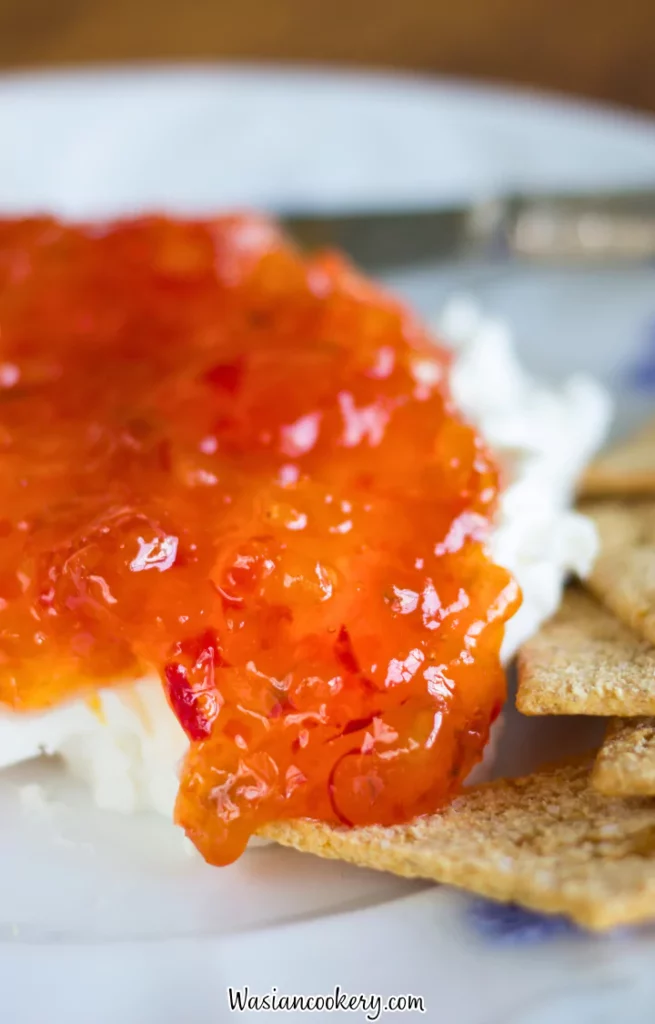
For a quick snack, spoon the spread over cream cheese and add crackers. If you prefer bread, use slices of homemade sandwich bread with cheese and a thin layer of the pepper topping. Keep loose sauce away from the edges so it does not drip onto your hands.
At dinner, put a small bowl on the table for anyone who likes a sweet condiment. It works beside a Jesse Kelly burger with plenty of crisp vegetables. Let everyone add their own spoonful because the heat can vary even when the jalapeño measure stays the same.
A cool, crunchy side balances the sweet topping. This Dinosaur Barbeque coleslaw is another idea for a burger plate. Keep the spread in a separate small bowl and return the storage container to the refrigerator promptly.
Variations and Swaps
- Use all red bell peppers for a sweeter pepper flavor and a warmer natural color.
- Use all green bell peppers for a sharper vegetable note.
- Mix red and green peppers while keeping the total at 2 prepared cups.
- Remove the jalapeño membranes for a gentler result, then measure the same 1/4 cup.
- Keep more of the membranes for a hotter batch, remembering that individual peppers differ.
- Chop very finely for a smoother spoonful or leave small even pieces for a more rustic spread.
- Serve a loose batch as a sauce and a softly thickened batch as a spread; both can work on savory snacks.
- Choose a different complete recipe for powdered pectin, reduced sugar, or shelf-stable canning. Those are changes to the formula, not simple swaps.
Storage
Keep every container refrigerated at 40°F or below and use within 3–4 days of preparation. That is a conservative fresh-food limit, not a validated months-long jelly shelf life. Always use a clean spoon. If a batch was held out beyond the safe cooling window, discard it without tasting; smell alone cannot establish safety.
Freeze portions you will not use in that time after they have chilled. Use freezer-safe containers with expansion room as their manufacturer directs, and aim to use within about 1 month for best quality. Thaw in the refrigerator and use promptly; the texture may change. Discard the entire container if you find mold, fermentation, or other signs of spoilage.
FAQ
Is the water bath optional?
A water-bath step is not part of this recipe. These proportions do not have a validated canning process, so neither a short bath nor a longer guessed time makes them suitable for pantry storage. Keep the spread refrigerated.
Why is my pepper jelly more like sauce?
Pectin needs the right balance of the full formula, and a firm set is not promised here. Assess the mixture after chilling. A loose result works as a topping; do not keep adding more pectin to the stored batch.
Can I replace the sugar with a substitute?
Keep the 6 cups of granulated sugar in this version. Sugar substitutes and low-sugar pectins require a different complete recipe. Changing one ingredient does not establish a reliable set or safe canning method.
Can I use a different hot pepper?
Use the measured jalapeño for this version. Hot peppers vary considerably in flavor and heat. If you want more heat, add chili flakes to your individual serving rather than changing the stored formula.
Do clean or sterilized jars make it shelf-stable?
No. Thoroughly clean containers are useful for food handling, but jar cleanliness and a tight lid cannot replace a validated preservation process. Use shallow heat-safe containers and refrigerate promptly.
Can I thin a thick batch?
Stir the cold portion you plan to serve to loosen it. Do not pour water into the hot sugary mixture or dilute the storage container. Serve a thicker portion as a spread on cheese or bread.
Short Description
A sweet bell pepper and jalapeño refrigerator spread made with apple cider vinegar and liquid pectin. Makes one variable-volume batch and may remain soft or pourable. Not for canning or pantry storage.
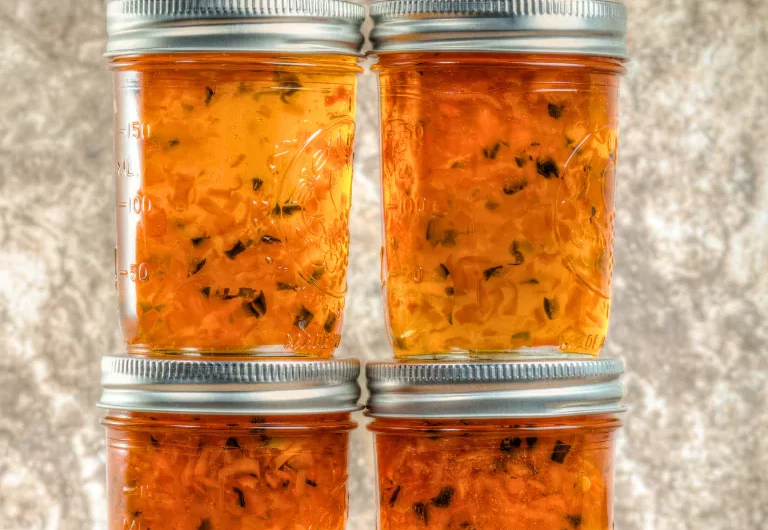
Pepper Jelly Recipe
Course: AppetizersCuisine: AmericanDifficulty: Easy1
batch20
minutes25
minutes24
hours45
minutesA sweet bell pepper and jalapeño refrigerator spread made with apple cider vinegar and liquid pectin. Makes one variable-volume batch and may remain soft or pourable. Not for canning or pantry storage.
Ingredients
2 cups finely chopped bell peppers (red, green, or a mix)
1/4 cup finely chopped jalapeño peppers (seeds removed for less heat)
1 1/2 cups apple cider vinegar
6 cups granulated sugar
1 pouch (3 oz) liquid pectin
Directions
- Prepare the Peppers:
- Wash the bell peppers and jalapeño, remove the stems and seeds, and chop finely. Remove the pale jalapeño membranes for less heat if desired. Measure 2 cups chopped bell peppers and 1/4 cup chopped jalapeño after trimming. Wear gloves when handling the hot pepper.
- Heat the Mixture:
- Combine the measured peppers, apple cider vinegar, and all the sugar in a large heavy pot. Leave ample room above the mixture for bubbling. Heat over medium-high heat, stirring constantly until the sugar dissolves and the mixture comes to a boil.
- Simmer the Peppers:
- Reduce the heat to maintain a steady simmer and cook for about 10 minutes, stirring often across the bottom and edges of the pot. The pepper pieces should soften somewhat. Keep the heat gentle enough that the sugary mixture does not stick or threaten to overflow.
- Add the Liquid Pectin:
- Stir in the entire pouch of liquid pectin. Return to a full rolling boil that continues while stirring, then boil for 1 minute, stirring constantly. Start the timer when the full boil returns, then remove the pot from the heat. This is a cooking step, not a canning process.
- Finish the Mixture:
- Skim off surface foam with the spoon if desired. Keep your hands and face back from the steam and bubbling syrup. Do not taste the hot mixture or add water to it. A firm set is not guaranteed for these proportions.
- Portion for Cooling:
- Ladle the hot spread carefully into several clean, shallow, heat-safe storage containers. Use containers suitable for hot food and leave enough room to handle them safely. Do not hot-fill and seal jars for pantry storage.
- Refrigerate Promptly:
- Refrigerate promptly at 40°F or below, within 2 hours of cooking or 1 hour if the room is above 90°F. Do not wait for the entire batch to become cold on the counter. Keep all containers refrigerated, whether opened or unopened.
- Check Texture and Store:
- Allow about 24 hours in the refrigerator before assessing final consistency. Use a soft or pourable batch as a sauce. Use within 3–4 days of preparation, or freeze small portions promptly after chilling. Do not add a guessed water-bath process to make this recipe shelf-stable.
Notes
- Refrigerator spread only. This formula has no validated canning process; do not store it in the pantry or use a guessed water-bath time.
- Refrigerate promptly in shallow heat-safe containers at 40°F or below, within 2 hours of cooking or 1 hour above 90°F. Use within 3–4 days of preparation, a conservative fresh-food limit.
- The 24-hour 45-minute total includes 20 minutes preparation, about 25 minutes cooking, and 24 hours refrigerated before final texture assessment. A firm set is not guaranteed.
- Yield is 1 batch, with variable finished volume. Keep the measured ingredients unchanged, including the full 3-ounce liquid pectin pouch.
- A loose batch can be used as a sauce. Freeze small chilled portions promptly if needed, then thaw in the refrigerator; texture may change.