Apple Cider Donuts Recipe
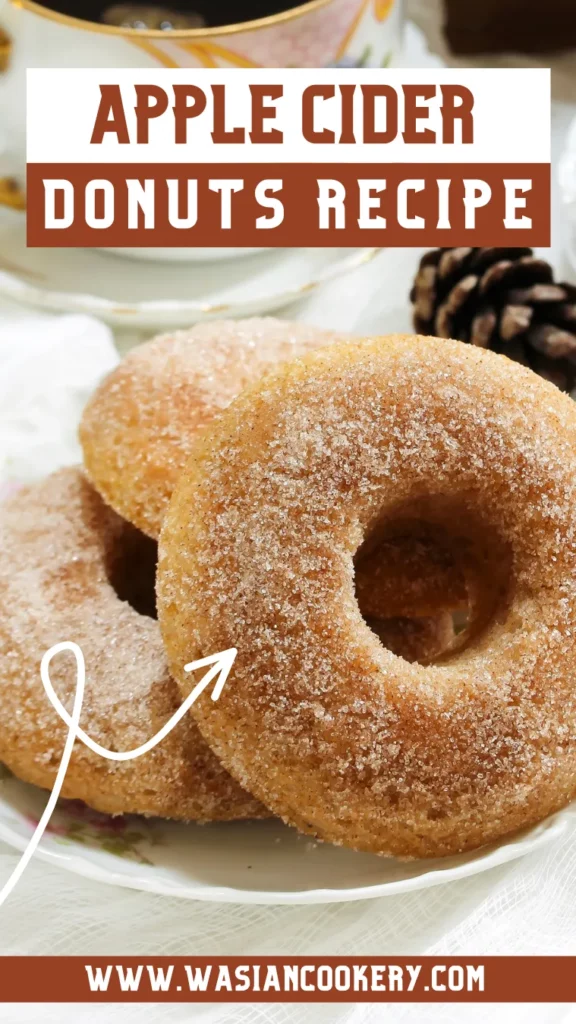
In my kitchen, apple cider donuts are a cozy way to bring apple and warm spice flavors together. I love making these donuts because they fill the kitchen with a wonderful smell. This recipe makes fried cake-style donuts with a cinnamon-sugar coating and a tender center.
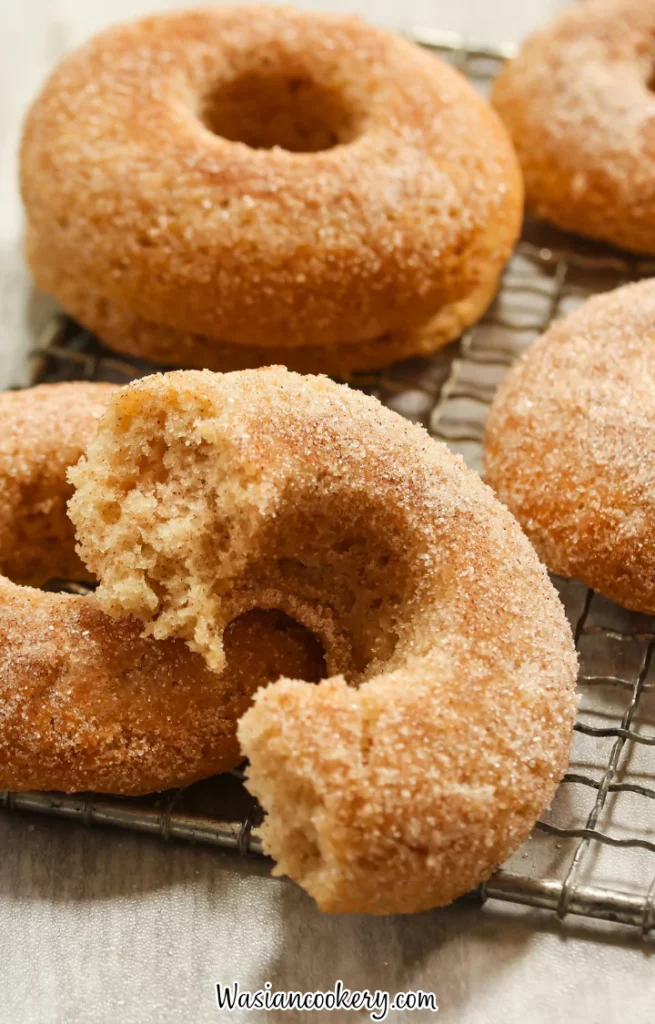
My family always looks forward to these donuts because they are so delicious. They are especially nice with coffee or tea while the coating still has a little crunch. Make room in your schedule for the cider reduction and chilled dough before you start heating the frying oil.
The secret to making these donuts special is reducing the apple cider. This step makes the flavor stronger without pouring too much liquid into the dough. Here, the full cup of cider cooks down to 1/4 cup, then cools before it meets the eggs and buttermilk.
Why These Apple Cider Donuts Are Great
- Reduced cider gives the dough a concentrated apple flavor with a small amount of liquid.
- Cinnamon and nutmeg bring a warm flavor that suits both breakfast and dessert.
- Baking powder and baking soda give these cake-style donuts lift without yeast or proofing.
- Chilling makes the soft dough easier to roll and cut into neat rings.
- The cut-out centers become little donut holes, so there is another small treat to share.
- Cinnamon sugar sticks to the warm, freshly fried surface without a separate glaze.
What Is the Best Apple Cider for Donuts?
Choose sweet, nonalcoholic apple cider with a full apple flavor. Plain cider lets you control the cinnamon and nutmeg in the dough. Apple cider vinegar is a different ingredient and must not be used here. If the cider has settled in its container, shake it as directed on the label before measuring.
Measure the reduction rather than judging only by its color or the clock. A wide saucepan reduces liquid faster than a narrow one, and a stronger burner changes the timing too. Stop at 1/4 cup. Reducing it only by half leaves twice as much liquid as this dough calls for, while cooking it nearly dry can scorch the fruit sugars.
Ingredients
- 1 cup apple cider
- 1 cup granulated sugar
- 4 cups all-purpose flour
- 2 teaspoons baking powder
- 1 teaspoon baking soda
- 1 teaspoon ground cinnamon
- 1/2 teaspoon ground nutmeg
- 1/2 teaspoon salt
- 4 tablespoons unsalted butter, melted
- 2 large eggs
- 1/2 cup buttermilk
- Vegetable oil, for frying
- Additional cinnamon sugar, for coating
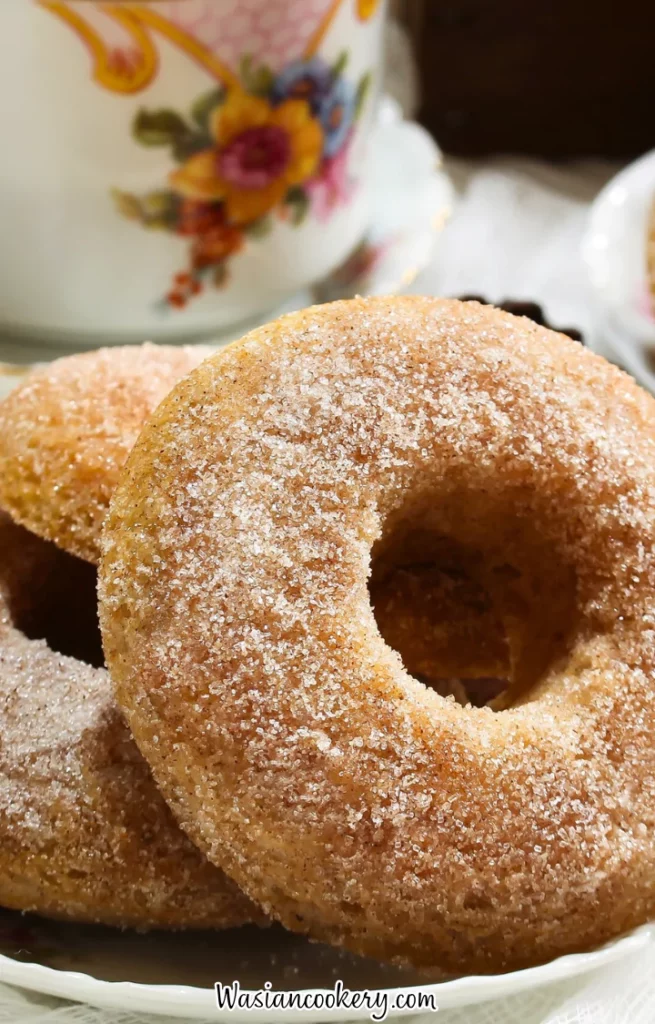
The sugar listed in the dough stays separate from the additional cinnamon sugar used for coating. The original recipe leaves the coating amount to taste. Have enough ready in a shallow bowl to turn the warm donuts without squeezing them. Use the measured buttermilk, and let hot melted butter cool before it touches the eggs.
Kitchen Equipment You Will Need
As an Amazon Associate I earn from qualifying purchases.
- Small saucepan
- Heatproof liquid measuring cup
- Shallow heatproof bowl
- Mixing bowls
- Whisk
- Spatula
- Measuring cups
- Measuring spoons
- Plastic wrap
- Rolling pin
- Donut cutter
- Parchment paper
- Rimmed baking sheets
- Deep heavy pot
- Deep-fry thermometer
- Metal spider strainer
- Cooling rack
- Shallow coating bowl
- Airtight container
- Chef’s knife
- Cutting board
- Ice cream scoop
- Oven mitts
How To Make Apple Cider Donuts
This is a frying recipe, so plan for about 3 hours 15 minutes from start to a comfortable first serving of the finished batch. The estimate includes 30 minutes of preparation, 30 minutes reducing cider, 20 minutes cooling it, 1 hour chilling dough, 15 minutes heating oil, 30 minutes frying in batches, and 10 minutes final cooling. The card’s 75-minute cooking time includes reduction, oil heating, and frying.
Step 1
Pour the 1 cup apple cider into a small saucepan. Bring it to a boil, then lower the heat and simmer until only 1/4 cup remains, about 20–30 minutes depending on the pan. Check the amount in a heatproof liquid measuring cup as it gets close. Transfer the reduction to a shallow heatproof bowl and allow about 20 minutes to cool to room temperature.
Step 2
In a large mixing bowl, whisk together the flour, baking powder, baking soda, cinnamon, nutmeg, and salt. Break up any lumps so the spices and leaveners are evenly distributed.
Step 3
In another bowl, whisk the 1 cup sugar with the melted butter, eggs, buttermilk, and cooled 1/4 cup cider reduction. Let the melted butter cool until just warm first. Mix until the wet ingredients are evenly combined.
Step 4
Add the wet mixture to the dry ingredients and fold with a spatula until a soft dough forms and no dry flour remains. Stop mixing once it comes together. Wrap the dough and refrigerate for at least 1 hour, until firm enough to roll without smearing.
Step 5
Lightly flour a clean work surface and rolling pin, using only enough extra dusting flour to prevent sticking. Roll the dough to an even 1/2-inch thickness. Cut rings and holes with a roughly 3 1/2-inch donut cutter. Transfer them to a parchment-lined baking sheet. Gently gather and reroll scraps once, and keep cut dough chilled while preparing the oil. Expect about 12 larger donuts plus holes; the count varies with cutter size and thickness.
Step 6
Set a cooling rack over a rimmed baking sheet. Pour enough vegetable oil for the donuts to float into a deep, heavy pot, without filling the pot more than halfway and leaving at least 2 inches of headroom. With a deep-fry thermometer, heat the oil to 350°F (175°C), allowing about 15 minutes. Keep the pot and all utensils dry. Lower 2 donuts at a time into the oil with a long-handled metal spider, leaving space around each. Fry about 1–2 minutes per side until golden brown. Let the oil return to 350°F between batches and adjust the heat as needed. Fry the holes separately, turning often; they cook faster. Allow about 30 minutes for all batches and temperature recovery.
Step 7
Lift each batch onto the rack with the metal spider and let excess oil drain briefly. Once a first donut is cool enough to handle, split it to check that the center has a cooked, cake-like crumb with no raw dough. If necessary, cook the remaining donuts a little longer while keeping the oil near 350°F. Toss the warm, drained donuts in additional cinnamon sugar in a shallow bowl.
Step 8
Let the coated donuts cool until comfortable to handle and eat, about 10 minutes for the final batch. Serve fresh, ideally the same day. Turn off the heat when frying is finished and leave the oil undisturbed until completely cool before moving or disposing of it.
Notes
- Chill the dough for at least an hour. Warm dough is more difficult to lift and can lose its shape before it reaches the oil.
- Keep the dough an even 1/2 inch thick. Thin edges brown sooner than thick centers, making doneness harder to judge.
- Use a deep-fry thermometer throughout cooking. The temperature drops after adding dough and rises again between batches.
- Keep water away from hot oil. Dry your utensils and work area before frying, and never add water to cool the pot.
- Fry small batches with room for each donut to float. Overcrowding lowers the temperature and can make the outside greasy.
- Drain briefly, then coat while warm. If the donuts cool completely first, less of the cinnamon sugar will stick.
- Stay beside the stove while frying. Allow more time if your pot holds only one donut or the oil recovers slowly between batches.
Ingredients You Can Add When Serving
For this batch, keep wet toppings out of the raw dough. Add a little something to the finished plate instead, so the dough remains easy to handle and the fryer stays tidy.
- Vanilla ice cream is a cool, creamy partner for a freshly made donut.
- Caramel sauce adds a rich finish when drizzled over an individual serving.
- A little maple syrup over ice cream gives a maple flavor without thinning the dough.
- Powdered sugar can lightly dust an uncoated donut after it has cooled.
- Fresh apple slices add crunch and a fresh fruit flavor beside the donuts.
- Chopped pecans give a dessert plate extra texture, especially with ice cream.
What To Serve With Apple Cider Donuts
Pair these donuts with a hot cup of apple cider or coffee for a cozy treat on a cool day. A little apple butter served alongside adds another layer of apple flavor. Put toppings on the plate after frying, away from the hot oil.
For a fall breakfast table, pumpkin bread gives guests a softer slice to enjoy with their drinks. Keep the donuts in a single layer until serving so their coating is not crushed or dampened by trapped steam.
For dessert, serve a donut with vanilla ice cream or a drizzle of caramel sauce. Apple cookies also fit a simple fruit-themed dessert tray. The donuts are best freshly made, so prepare any other desserts ahead and leave frying for later.
Variations and Swaps
- Plain finish: Leave a few donuts without a coating for anyone who prefers a less sweet outside.
- Cinnamon sugar: Follow the main method and coat the drained donuts while they are still warm.
- Powdered sugar: Let an uncoated donut cool before dusting; steam makes powdered sugar dissolve quickly.
- Caramel finish: Drizzle caramel onto individual donuts just before serving rather than storing them already sauced.
- Maple dessert: Pair the finished donut with maple-topped ice cream instead of adding syrup to the measured dough.
- Donut holes: Fry the cut-out centers separately and watch closely because they brown faster than the rings.
- Smaller cutters: Expect more donuts and more batches. Keep the dough thickness even and use the same cooked-center check.
- Baked donuts: Use a recipe developed for a donut pan if you want to bake. This chilled, rolled dough and its timing are designed for frying.
Storage
Apple cider donuts taste best the day they are fried. To keep leftovers, cool them completely, then store in an airtight container at room temperature for up to 2 days. Keep them away from heat and sunlight. The coating will soften over time, so leftovers will not have exactly the same surface as fresh donuts.
For a longer pause, freeze completely cooled donuts in a freezer-safe airtight container for up to 1 month for best quality. Thaw only the amount you want to serve. Add ice cream, whipped cream, or other perishable toppings at serving time. Do not close the container around warm donuts, since condensation makes the coating sticky.
FAQ
Can I bake this dough in a donut pan?
The method here is for rolled and fried donuts. A spoonable baked-donut batter has a different balance of ingredients. Choose a separate baked recipe rather than relying on a quick oven conversion.
How far should I reduce the cider?
Start with 1 cup and finish with 1/4 cup. Check with a heatproof measuring cup near the end of cooking. Let that reduction cool before mixing the dough.
Why are my donuts greasy?
Oil that is too cool or a crowded pot can leave donuts oily. Check the thermometer, fry only a couple at a time, and let the oil return to 350°F before the next batch.
Why are the outsides dark but the middles raw?
The oil may be too hot or the dough may be too thick. Keep the oil near 350°F and the dough evenly 1/2 inch thick. Split a cooled first donut to check the center before cooking the rest.
Will I get exactly 12 donuts?
The yield is approximate and assumes larger rings. Cutter diameter, rolling thickness, and how you gather the scraps all affect the count. The cut-out holes are extra; do not roll the dough thinner just to reach a number.
Can I use apple juice instead?
Apple juice can be reduced, but its flavor may be milder than cider. Keep the final reduced amount at 1/4 cup. Do not replace the cider with vinegar or pour a full cup of unreduced juice into the dough.
Short Description
Fried apple cider donuts made with reduced cider, buttermilk, cinnamon, and nutmeg. Chill the dough, roll and cut larger rings, fry in small batches, and coat while warm for a cozy homemade treat.
Apple Cider Donuts
Course: Breakfast, DessertCuisine: AmericanDifficulty: Easy12
donuts30
minutes1
hour15
minutes3
hours15
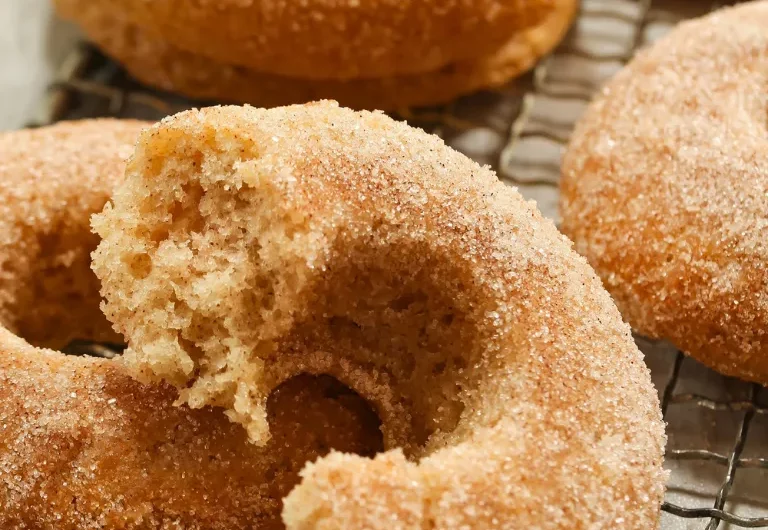
minutesFried apple cider donuts with a cinnamon-sugar coating. Makes about 12 larger donuts plus holes; total time includes cider reduction and cooling, dough chilling, oil heating, frying batches, and final cooling.
Ingredients
1 cup apple cider
1 cup granulated sugar
4 cups all-purpose flour
2 teaspoons baking powder
1 teaspoon baking soda
1 teaspoon ground cinnamon
1/2 teaspoon ground nutmeg
1/2 teaspoon salt
4 tablespoons unsalted butter, melted
2 large eggs
1/2 cup buttermilk
Vegetable oil, for frying
Additional cinnamon sugar, for coating
Directions
- Pour the 1 cup apple cider into a small saucepan. Bring it to a boil, then lower the heat and simmer until only 1/4 cup remains, about 20–30 minutes depending on the pan. Check the amount in a heatproof liquid measuring cup as it gets close. Transfer the reduction to a shallow heatproof bowl and allow about 20 minutes to cool to room temperature.
- In a large mixing bowl, whisk together the flour, baking powder, baking soda, cinnamon, nutmeg, and salt. Break up any lumps so the spices and leaveners are evenly distributed.
- In another bowl, whisk the 1 cup sugar with the melted butter, eggs, buttermilk, and cooled 1/4 cup cider reduction. Let the melted butter cool until just warm first. Mix until the wet ingredients are evenly combined.
- Add the wet mixture to the dry ingredients and fold with a spatula until a soft dough forms and no dry flour remains. Stop mixing once it comes together. Wrap the dough and refrigerate for at least 1 hour, until firm enough to roll without smearing.
- Lightly flour a clean work surface and rolling pin, using only enough extra dusting flour to prevent sticking. Roll the dough to an even 1/2-inch thickness. Cut rings and holes with a roughly 3 1/2-inch donut cutter. Transfer them to a parchment-lined baking sheet. Gently gather and reroll scraps once, and keep cut dough chilled while preparing the oil. Expect about 12 larger donuts plus holes; the count varies with cutter size and thickness.
- Set a cooling rack over a rimmed baking sheet. Pour enough vegetable oil for the donuts to float into a deep, heavy pot, without filling the pot more than halfway and leaving at least 2 inches of headroom. With a deep-fry thermometer, heat the oil to 350°F (175°C), allowing about 15 minutes. Keep the pot and all utensils dry. Lower 2 donuts at a time into the oil with a long-handled metal spider, leaving space around each. Fry about 1–2 minutes per side until golden brown. Let the oil return to 350°F between batches and adjust the heat as needed. Fry the holes separately, turning often; they cook faster. Allow about 30 minutes for all batches and temperature recovery.
- Lift each batch onto the rack with the metal spider and let excess oil drain briefly. Once a first donut is cool enough to handle, split it to check that the center has a cooked, cake-like crumb with no raw dough. If necessary, cook the remaining donuts a little longer while keeping the oil near 350°F. Toss the warm, drained donuts in additional cinnamon sugar in a shallow bowl.
- Let the coated donuts cool until comfortable to handle and eat, about 10 minutes for the final batch. Serve fresh, ideally the same day. Turn off the heat when frying is finished and leave the oil undisturbed until completely cool before moving or disposing of it.
Notes
- Reduce 1 cup cider to 1/4 cup, then cool before mixing. This is a fried, rolled-dough recipe, not a baked donut-pan batter.
- Yield is about 12 larger donuts plus holes and varies with cutter size and thickness. Roll 1/2 inch thick and use a roughly 3 1/2-inch cutter; do not force an exact count.
- Estimated timing: 30 minutes prep, 30 minutes reduction, 20 minutes cider cooling, 60 minutes chilling, 15 minutes heating oil, 30 minutes frying batches, and 10 minutes final cooling. Cooking time includes reduction, oil heating, and frying.
- Keep the pot no more than half full with at least 2 inches of headroom. Use dry utensils, monitor 350°F oil, fry small batches, and let oil cool completely before moving it.