Homemade Jimmy Johns Bread Recipe
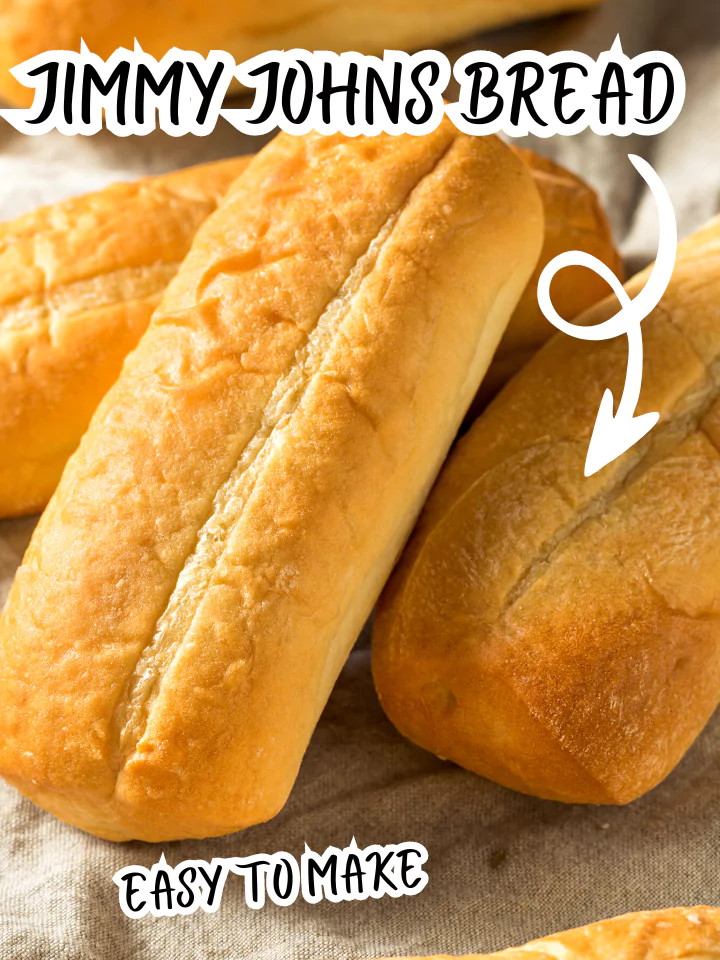
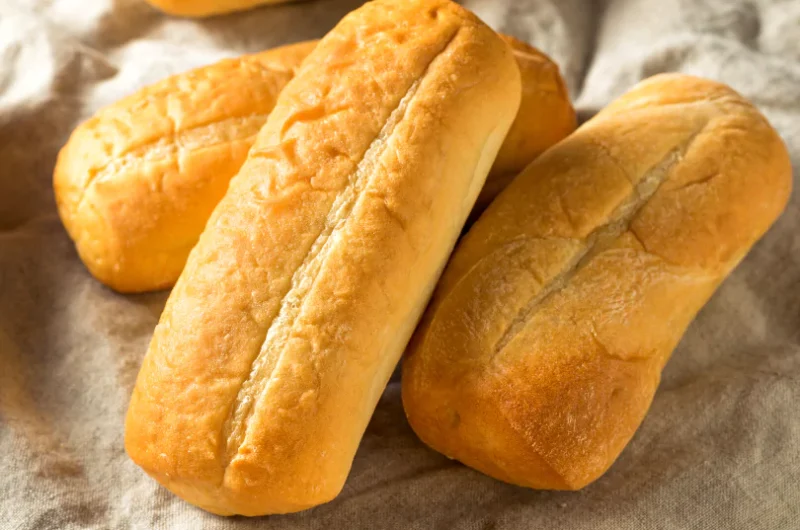
In my kitchen, this homemade Jimmy Johns bread recipe makes three small sandwich loaves with a soft crumb. Yeast lifts the dough, while oil and powdered milk give it a richer texture than a simple flour-and-water loaf.
The dough needs two rises before baking. Watch for a clear increase in size, give the shaped loaves room on the tray, and use a thermometer to check the center before taking them out.
Plan for about 3 hours 45 minutes from mixing to slicing, including the rises and cooling. Most of that is waiting time, so this is a good bread to start well before you need sandwiches.
About This Homemade Version
This is a restaurant-inspired home recipe, not a verified Jimmy John’s formula. It makes three small loaves. The number of slices or servings depends on how thickly you cut the bread and how you use it.
Ingredients
- 1 package of yeast
- 1 cup of water
- 1 tablespoon of sugar
- 1 tablespoon of powdered milk
- 1/2 teaspoon of baking soda
- 1 teaspoon of salt
- 4 tablespoons of soybean oil or vegetable oil
- Approximately 3 cups of flour
For the method below, use a standard 7 g packet of active dry yeast. Spoon the flour into the measuring cup and level it instead of packing it down. The amount is approximate: the dough should feel soft and slightly sticky after kneading, not stiff or dry.
The baking soda and powdered milk remain part of this formula. Measure the baking soda carefully with a level spoon; yeast provides the main rise. The dough contains wheat and milk, so check ingredient labels if serving someone with allergies.
Kitchen Equipment You Will Need
As an Amazon Associate I earn from qualifying purchases.
How to Make the Bread
A mixing bowl holds the dough during its first rise. Use measuring cups and spoons for the small amounts, a rimmed baking sheet for the loaves, and an instant-read thermometer to check water and bread temperatures.
Activate the Yeast
Use one standard 1/4-ounce (7 g, about 2 1/4 teaspoons) packet of active dry yeast. Warm the listed 1 cup water to 110°F to 115°F (43°C to 46°C), then stir in the yeast and the listed sugar in the mixer bowl. Let stand for 5 to 10 minutes, until foamy.
Mix the Dough
Add the powdered milk, baking soda, salt, oil, and most of the approximately 3 cups flour. Mix on low speed until a rough dough forms. Add the remaining measured flour gradually only as needed to make a soft, slightly sticky dough. Cover and rest for 5 minutes.
Knead and Rest
Fit the mixer with a dough hook. Knead on low speed for 2 minutes, let the dough rest for 7 minutes, then knead on low speed for another 3 minutes. It should become smooth and elastic. Follow your mixer’s dough-speed and capacity instructions.
Choose a Proofing Spot
Gather the dough into a ball in the mixing bowl and cover the bowl. Choose a warm, draft-free spot, ideally around 75°F to 78°F (24°C to 26°C). Do not use a heated 113°F oven for proofing.
Let the Dough Rise
Let the dough rise until roughly doubled in volume, about 60 to 90 minutes. A cool kitchen may need longer; judge the change in size rather than the timer alone.
Divide into Three Pieces
Gently press out the large air bubbles. Divide the dough into three equal pieces, shape them loosely into balls, and rest them under a clean towel for 5 minutes.
Shape the Loaves
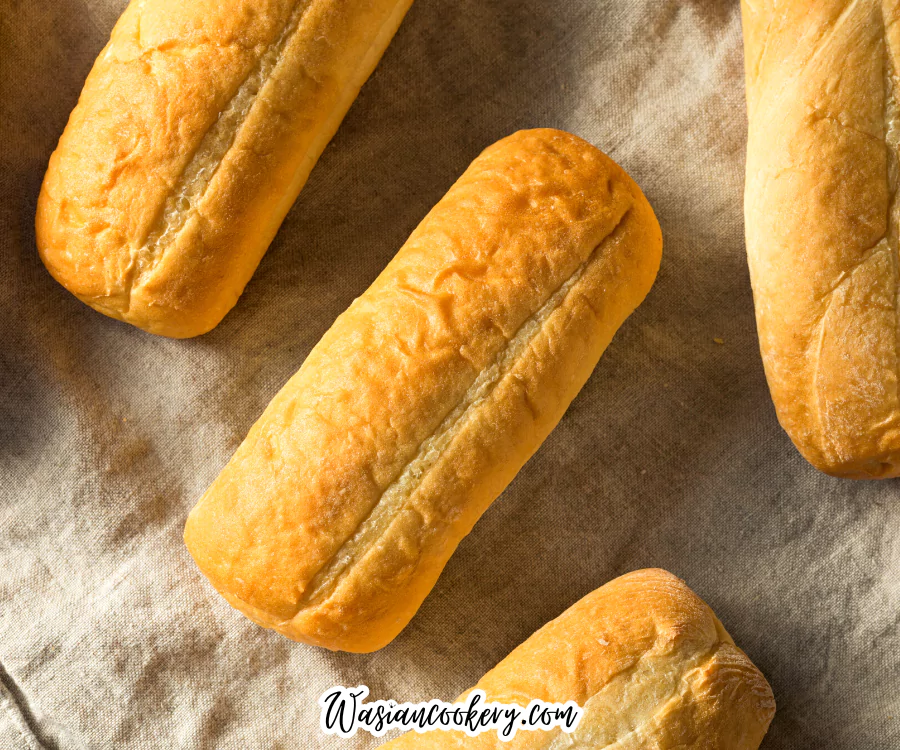
Flatten each piece into a small rectangle. Roll it up tightly from a long edge, pinch the seam closed, and gently roll into an even log about 8 inches long. Place the seam underneath.
Arrange on the Tray
Transfer the three logs to a parchment-lined baking sheet, leaving at least 3 inches between them. Cover loosely with a clean towel so they have room to expand.
Let the Loaves Rise Again
Let the shaped loaves rise in a warm, draft-free spot until noticeably puffy and nearly doubled, about 30 to 45 minutes. A light fingertip press should leave a small dent that fills back slowly.
Preheat the Oven
During the last 20 minutes of this rise, preheat the oven to 350°F (175°C) with a rack in the middle. Keep the dough outside the oven while it preheats.
Put the Loaves in the Oven
Remove the towel. Place the baking sheet on the middle rack of the fully heated oven, handling it gently so the loaves do not deflate.
Bake Until Done
Bake for about 25 to 30 minutes, until evenly golden and the center of a loaf reads about 190°F (88°C). Check from the side with an instant-read thermometer. If the tops brown before the centers are ready, cover loosely with foil and continue baking. The time is an estimate.
Cool Before Slicing
Transfer the loaves to a wire rack and cool for at least 30 minutes before slicing; let them cool completely before wrapping. Plan for about 3 hours 45 minutes total, including about 25 minutes of active preparation, 30 minutes of baking, and about 170 minutes for activation, rests, rising, and cooling. Rise times vary.
Shape Even Loaves for Sandwiches
Aim for three pieces of similar size before you begin rolling. A kitchen scale can help divide the mixed dough evenly, but you can also compare the portions side by side. Similar portions are easier to shape to the same length and are more likely to finish baking together than one thick loaf and two much smaller ones.
As you roll each rectangle into a log, keep the ends about as thick as the middle. Pinch the long seam closed with your fingertips, then place that seam against the tray. If the dough keeps springing back, let it relax briefly under the towel before trying again. Pulling hard stretches the outside unevenly and makes neat shaping more difficult.
Use only a light dusting from the measured flour if the dough clings to the work surface. A heavily floured surface can leave a dry layer inside the rolled loaf and make the seam difficult to seal. Once baked and cooled, split each loaf lengthwise with a serrated knife, using a gentle sawing motion rather than pressing down. This helps preserve the soft interior for a sandwich.
Timing and Dough Tips
Give the dough time. A warm kitchen speeds up the rise, while a cool one slows it down. Choose a gently warm environment for proofing. Turning the oven on high to hurry the dough is not a reliable shortcut.
Add flour cautiously. A little stickiness is normal. Let the dough rest and finish kneading before deciding it needs more of the measured flour. Heavy flour additions can make the bread dense.
Use two doneness checks. Look for an evenly golden crust and check the center. About 190°F is a useful benchmark for the center of this soft yeast bread. Color alone can be misleading.
Sandwich and Serving Ideas
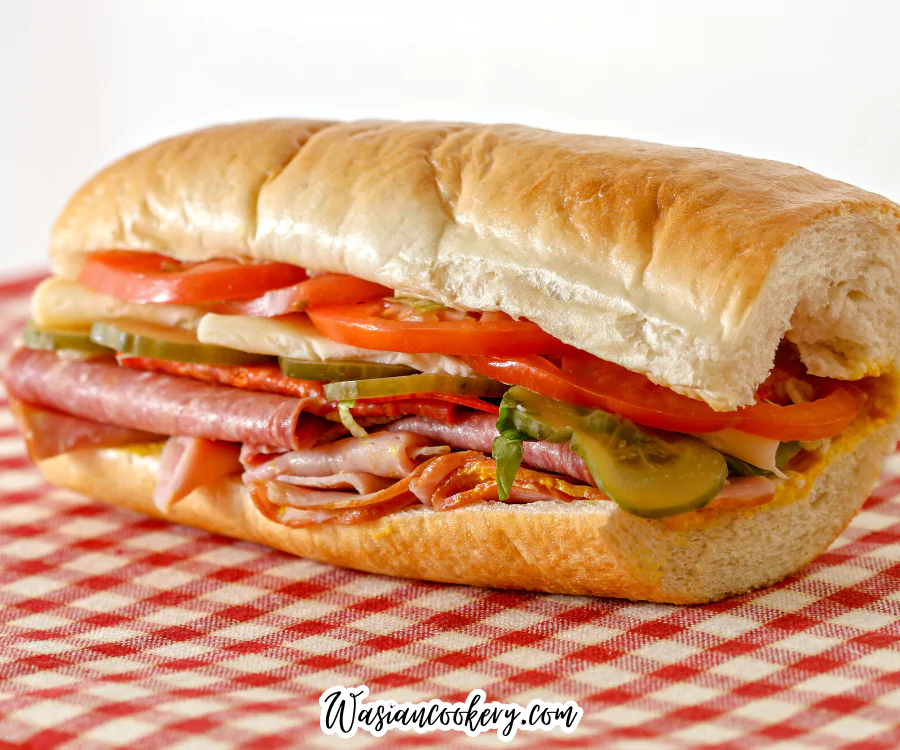
Fill the cooled loaves with 4-Ingredient Chicken Salad for a simple lunch. You can also use slices for Mayak Egg Salad Sandwiches. For a soup meal, serve bread alongside French Onion Soup.
Storage
Once completely cool, wrap the bread airtight and keep it at room temperature for 2 to 3 days. For longer storage, slice or split it, wrap well, and freeze. Thaw only what you need, then warm briefly if desired. Keep filled sandwiches refrigerated according to their filling.
FAQ
Why did my dough not rise?
The yeast may be inactive, the water may have been too hot, or the room may be cold. Check for foam during activation and allow extra rising time in a cool room. If the yeast shows no activity, check the package date and water temperature before starting again.
Why are the loaves dense?
Too much flour or too little rising time can leave a tight crumb. Measure flour lightly and let both rises reach the visual checks in the instructions. Cooling before slicing also helps prevent a gummy cut surface.
Does it taste exactly like the restaurant bread?
No exact match is promised. This is a homemade sandwich loaf using the ingredient list above, and the result will depend on the flour, mixing, proofing, and oven.
Why does the total time include cooling?
The loaf needs time to set before it slices neatly. The estimated total includes 30 minutes of initial cooling; complete cooling for storage can take longer. A slow rise also adds time.
Homemade Jimmy Johns Bread
Course: BreadCuisine: AmericanDifficulty: Easy3
loaves25
minutes30
minutes3
hours45
minutesHomemade sandwich bread inspired by Jimmy John’s, made as three small loaves. This home version is not an official restaurant formula. Allow about 3 hours 45 minutes, including rising and cooling.
Ingredients
1 package of yeast
1 cup of water
1 tablespoon of sugar
1 tablespoon of powdered milk
1/2 teaspoon of baking soda
1 teaspoon of salt
4 tablespoons of soybean oil or vegetable oil
Approximately 3 cups of flour
Directions
- Use one standard 1/4-ounce (7 g, about 2 1/4 teaspoons) packet of active dry yeast. Warm the listed 1 cup water to 110°F to 115°F (43°C to 46°C), then stir in the yeast and the listed sugar in the mixer bowl. Let stand for 5 to 10 minutes, until foamy.
- Add the powdered milk, baking soda, salt, oil, and most of the approximately 3 cups flour. Mix on low speed until a rough dough forms. Add the remaining measured flour gradually only as needed to make a soft, slightly sticky dough. Cover and rest for 5 minutes.
- Fit the mixer with a dough hook. Knead on low speed for 2 minutes, let the dough rest for 7 minutes, then knead on low speed for another 3 minutes. It should become smooth and elastic. Follow your mixer’s dough-speed and capacity instructions.
- Gather the dough into a ball in the mixing bowl and cover the bowl. Choose a warm, draft-free spot, ideally around 75°F to 78°F (24°C to 26°C). Do not use a heated 113°F oven for proofing.
- Let the dough rise until roughly doubled in volume, about 60 to 90 minutes. A cool kitchen may need longer; judge the change in size rather than the timer alone.
- Gently press out the large air bubbles. Divide the dough into three equal pieces, shape them loosely into balls, and rest them under a clean towel for 5 minutes.
- Flatten each piece into a small rectangle. Roll it up tightly from a long edge, pinch the seam closed, and gently roll into an even log about 8 inches long. Place the seam underneath.
- Transfer the three logs to a parchment-lined baking sheet, leaving at least 3 inches between them. Cover loosely with a clean towel so they have room to expand.
- Let the shaped loaves rise in a warm, draft-free spot until noticeably puffy and nearly doubled, about 30 to 45 minutes. A light fingertip press should leave a small dent that fills back slowly.
- During the last 20 minutes of this rise, preheat the oven to 350°F (175°C) with a rack in the middle. Keep the dough outside the oven while it preheats.
- Remove the towel. Place the baking sheet on the middle rack of the fully heated oven, handling it gently so the loaves do not deflate.
- Bake for about 25 to 30 minutes, until evenly golden and the center of a loaf reads about 190°F (88°C). Check from the side with an instant-read thermometer. If the tops brown before the centers are ready, cover loosely with foil and continue baking. The time is an estimate.
- Transfer the loaves to a wire rack and cool for at least 30 minutes before slicing; let them cool completely before wrapping. Plan for about 3 hours 45 minutes total, including about 25 minutes of active preparation, 30 minutes of baking, and about 170 minutes for activation, rests, rising, and cooling. Rise times vary.