Cheesy Cauliflower Bake
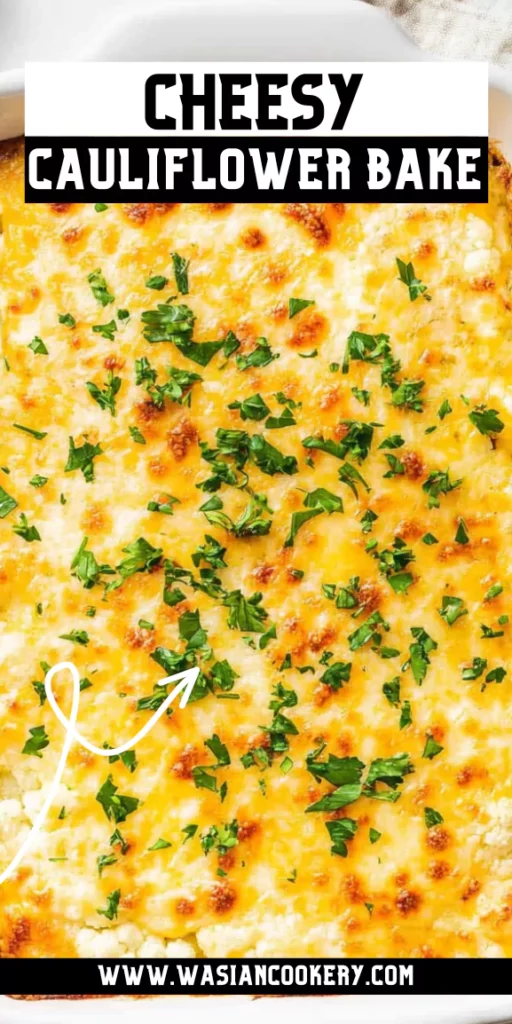
In my kitchen, Cheesy Cauliflower Bake is a comforting way to bring a simple vegetable to the dinner table. It combines cauliflower, cream, and cheese into a creamy, cheesy bake. The cauliflower becomes tender, and the cheese sauce adds a delicious, rich flavor.

It’s perfect for serving at family dinners or holiday meals. The creamy cheese sauce and the mild taste of cauliflower work together so well. You can also prepare the components ahead, then keep them chilled until you are ready to assemble and bake.
For serving, I like to add a sprinkle of fresh parsley for a little extra color and flavor. It’s a comforting dish that everyone in my family enjoys, and it pairs well with grilled chicken or roasted vegetables. The main trick is draining the cauliflower thoroughly so the sauce stays creamy.
Why This Dish Is Great
- Cauliflower has a mild flavor that goes well with both sharp cheddar and salty Parmesan.
- The sauce is mixed in a bowl, so there is no separate flour-and-butter sauce to cook.
- Briefly boiling the florets gives them a head start before the casserole goes into the oven.
- The paprika, garlic powder, and onion powder add flavor using small amounts of familiar pantry ingredients.
- A short rest after baking helps the hot cheese sauce settle around the vegetables.
- This makes four generous side servings, so it works well with a simple main dish and a fresh salad.
What Is the Best Cauliflower for This Bake?
Choose a medium head with tightly packed florets and fresh-looking leaves. The surface should be firm, without soft wet patches. Cut the florets into similar bite-size pieces, and trim thick stems so the centers cook at roughly the same rate as the tops. Very small crumbs tend to disappear into the cheese mixture.
Fresh cauliflower gives you the most control over the initial cooking. Frozen cauliflower can work, but its extra moisture needs attention. Cook it according to the package until just tender, then drain very well before assembling. Whichever you use, avoid boiling it until it falls apart; it still has time to soften in the oven.
Ingredients
- 1 medium head of cauliflower, cut into florets
- 1 tablespoon olive oil
- 1 teaspoon garlic powder
- 1/2 teaspoon onion powder
- 1/2 teaspoon paprika
- Salt and pepper to taste
- 2 cups shredded cheddar cheese
- 1/2 cup grated Parmesan cheese
- 1 cup heavy cream
- 1/2 cup sour cream
- 1 tablespoon chopped fresh parsley (optional for garnish)
Freshly shredded cheddar usually melts into the sauce more smoothly than heavily coated preshredded cheese. Grate the Parmesan finely so it spreads through the cream instead of collecting in large clumps. Taste the cheese before deciding how much salt to add, since the Parmesan already brings plenty of seasoning. The tablespoon of olive oil is used to grease the baking dish.
Kitchen Equipment You Will Need
As an Amazon Associate I earn from qualifying purchases.
- Chef’s knife
- Cutting board
- Large pot
- Colander
- Kitchen towel
- Two-quart baking dish
- Cheese grater
- Mixing bowl
- Whisk
- Measuring cups
- Measuring spoons
- Flexible spatula
- Food thermometer
- Oven mitts
- Serving spoon
- Aluminum foil
- Shallow storage containers

How To Make Cheesy Cauliflower Bake
- Preheat the oven to 375°F (190°C). Grease a shallow 2-quart baking dish with the measured 1 tablespoon olive oil. Cut the cauliflower into similar bite-size florets, trimming thick stem sections smaller so everything cooks evenly.
- Bring a large pot of water to a boil and salt it lightly if desired. Add the cauliflower and cook for 5–7 minutes, until a knife enters with slight resistance and the florets still hold their shape. Drain in a colander, let steam escape for about 5 minutes, and gently blot any remaining surface water with a clean kitchen towel.
- In a mixing bowl, whisk the heavy cream, sour cream, garlic powder, onion powder, paprika, salt, and pepper until evenly combined. Reserve 1/2 cup of the measured cheddar for the top. Stir the remaining 1 1/2 cups cheddar and all the Parmesan into the cream mixture.
- Put the well-drained cauliflower in the prepared dish. Spoon the cheese mixture evenly over and between the florets, then gently turn them with a spatula to coat. Sprinkle the reserved 1/2 cup cheddar over the top. Leave some space below the dish rim so bubbling sauce does not overflow.
- Bake uncovered on the center rack for about 25–35 minutes, until the sauce bubbles in the center as well as around the edges, the cauliflower is tender, and the middle reaches 165°F on a food thermometer. The top should have golden patches. Continue baking if the middle needs more time; loosely cover with foil if the top browns too quickly.
- Let the casserole rest for 5 minutes so the sauce settles slightly. Sprinkle with the measured optional parsley and serve with a serving spoon. The creamy sauce will remain spoonable, rather than setting into firm slices.
Allow about 70 minutes altogether: 20 minutes for preparing, draining, and assembling; roughly 45 minutes for boiling and baking; and a 5-minute rest. Heating the water and oven can happen during preparation. The cooking estimate allows for the full batch, but a very cold dish or larger florets can need longer to reach the center temperature.
Notes
- When boiling the cauliflower, be sure not to overcook it. You want it slightly tender but still firm enough to hold its shape while baking.
- Give the cooked florets time to drain and release steam. Water caught between the branches will otherwise thin the cheese sauce.
- For the creamiest texture and best flavor, use full-fat heavy cream and sour cream. Lower-fat products can separate or leave a thinner sauce.
- Reserve topping cheese from the measured 2 cups cheddar instead of adding an unmeasured extra layer. This gives the top color while keeping the recipe balanced.
- A shallow dish exposes more surface to the oven. A deep narrow dish heats more slowly and may need extra cooking time.
- Check the middle with a food thermometer. Bubbles around the outer edge alone do not show that the center has heated through.
- Let the dish rest briefly before serving, but expect a creamy sauce. There is no flour or starch in this formula to turn it into a thick, sliceable filling.
Ingredients You Can Add
These are optional finishing touches for individual servings. Keep the main bake as written first, then choose one small addition that suits the rest of the meal.
- Chopped chives add a gentle onion flavor over the finished cheese topping.
- A little extra chopped parsley gives a fresh green finish.
- A small pinch of red pepper flakes adds heat without changing the sauce.
- Fresh thyme leaves give the warm cauliflower a more herbal aroma.
- A few toasted breadcrumbs sprinkled on a serving add crunch just before eating.
- Freshly ground black pepper makes a simple finish when you prefer to keep the flavors familiar.
What To Serve With Cheesy Cauliflower Bake
Serve the bake with chicken when you want a filling dinner. Greek lemon chicken brings a bright flavor beside the rich cheese sauce. Give each plate a generous spoonful of cauliflower and let the other dish provide the main protein.
Another great option is to pair it with a fresh salad. This tomato cucumber salad adds a cool, crisp contrast to the hot casserole. Keep its dressing on the salad so the cauliflower topping stays as it is until served.
If you want bread on the table, slices of homemade sandwich bread are useful for enjoying the creamy sauce. Roasted carrots or green beans also fit alongside this bake. Since the casserole is rich, a simple vegetable or bread needs very little extra dressing.
Variations and Swaps
- Sharper cheese: Use sharp cheddar in the same 2-cup amount when you want a stronger cheese flavor.
- Milder cheese: Choose mild cheddar for a gentler version while keeping the measured amount unchanged.
- Cheese blend: Replace part of the cheddar with the same volume of shredded Gouda, keeping the total at 2 cups.
- Broccoli mixture: Replace some cauliflower with similarly sized broccoli florets and drain both well after brief cooking.
- Herb version: Add a little chopped thyme or rosemary to the sauce, keeping the original dairy amounts.
- Spicy version: Mix a small pinch of cayenne into the cream or add pepper flakes at the table.
- Mushroom version: Use a small amount of cooked, well-drained mushrooms in place of some cauliflower so their juices do not flood the sauce.
- Vegetarian cheese choice: If this needs to suit a strict vegetarian diet, choose cheddar and Parmesan-style cheese made with vegetarian rennet.
Milk and almond drink are much thinner than heavy cream, so they will not give the same sauce when simply poured into this formula. A dairy-free version also needs replacements for both cheeses and sour cream. Those changes deserve their own developed recipe rather than a promise that the original texture will stay the same.
Storage
Divide leftovers into shallow containers and refrigerate promptly, within 2 hours of cooking or within 1 hour when the room is above 90°F. Keep at 40°F or below for 3–4 days. Do not leave the full casserole on the counter until it is completely cool; smaller portions release heat more quickly in the refrigerator.
For longer storage, freeze cooled portions in freezer-safe containers for up to 2–3 months for best quality. The sauce may separate slightly and the cauliflower may soften after thawing. Thaw overnight in the refrigerator, then reheat covered in a 350°F oven until the center reaches 165°F. Stir a reheated portion gently if the sauce has separated, and allow extra time for a larger dish.
FAQ
Why is my cheese sauce watery?
The most common cause is water left in the cauliflower. Drain it thoroughly and let steam escape before assembling. This sauce also stays looser than a flour-thickened sauce, so a little cream around the florets is expected.
Can I prepare it ahead?
Prepare the cooked cauliflower and cheese mixture up to a day ahead, cool the cauliflower promptly in a shallow container, and refrigerate them separately. Assemble when ready to bake. A chilled casserole takes longer; bake until its center reaches 165°F and follow the dish maker’s temperature-change guidance.
Can I use low-fat sour cream?
It may work, but the sauce can be thinner and less smooth. The listed full-fat dairy gives the most predictable result for this unthickened sauce. Avoid replacing all the cream with milk and expecting the same consistency.
How do I get a more golden top?
Spread the reserved cheddar evenly rather than leaving thick piles. Bake uncovered and check that the center is hot before removing it. Golden patches are enough; there is no need to keep baking until every spot turns dark.
Is this a light vegetable side?
It contains cauliflower, but it also has generous amounts of cheese, heavy cream, and sour cream. Think of it as a rich, comforting side and choose a portion that suits the rest of your plate.
Can I make it without the oven?
The oven is part of this recipe: it heats the full casserole and develops the topping. A stovetop version would need a different method, so use the baking instructions here for the expected result.
Short Description
Tender cauliflower baked with cheddar, Parmesan, heavy cream, and sour cream. This rich side dish has a golden cheese topping and a spoonable sauce, with careful draining for the best texture.

Cheesy Cauliflower Bake
Course: Side DishCuisine: AmericanDifficulty: Easy4
servings20
minutes45
minutes1
hour10
minutesTender cauliflower baked with cheddar, Parmesan, heavy cream, and sour cream. This rich side dish has a golden cheese topping and a spoonable sauce, with careful draining for the best texture.
Ingredients
1 medium head of cauliflower, cut into florets
1 tablespoon olive oil
1 teaspoon garlic powder
1/2 teaspoon onion powder
1/2 teaspoon paprika
Salt and pepper to taste
2 cups shredded cheddar cheese
1/2 cup grated Parmesan cheese
1 cup heavy cream
1/2 cup sour cream
1 tablespoon chopped fresh parsley (optional for garnish)
Directions
- Preheat the oven to 375°F (190°C). Grease a shallow 2-quart baking dish with the measured 1 tablespoon olive oil. Cut the cauliflower into similar bite-size florets, trimming thick stem sections smaller so everything cooks evenly.
- Bring a large pot of water to a boil and salt it lightly if desired. Add the cauliflower and cook for 5–7 minutes, until a knife enters with slight resistance and the florets still hold their shape. Drain in a colander, let steam escape for about 5 minutes, and gently blot any remaining surface water with a clean kitchen towel.
- In a mixing bowl, whisk the heavy cream, sour cream, garlic powder, onion powder, paprika, salt, and pepper until evenly combined. Reserve 1/2 cup of the measured cheddar for the top. Stir the remaining 1 1/2 cups cheddar and all the Parmesan into the cream mixture.
- Put the well-drained cauliflower in the prepared dish. Spoon the cheese mixture evenly over and between the florets, then gently turn them with a spatula to coat. Sprinkle the reserved 1/2 cup cheddar over the top. Leave some space below the dish rim so bubbling sauce does not overflow.
- Bake uncovered on the center rack for about 25–35 minutes, until the sauce bubbles in the center as well as around the edges, the cauliflower is tender, and the middle reaches 165°F on a food thermometer. The top should have golden patches. Continue baking if the middle needs more time; loosely cover with foil if the top browns too quickly.
- Let the casserole rest for 5 minutes so the sauce settles slightly. Sprinkle with the measured optional parsley and serve with a serving spoon. The creamy sauce will remain spoonable, rather than setting into firm slices.
Notes
- Drain the parboiled cauliflower thoroughly and let it steam for about 5 minutes before assembly. Reserve 1/2 cup of the measured 2 cups cheddar for the topping.
- Bake at 375°F (190°C) for about 25–35 minutes, until the middle bubbles, the florets are tender, and the center reaches 165°F. Rest 5 minutes before serving.
- Estimated total is 70 minutes: 20 minutes preparation including draining, about 45 minutes boiling and baking, and a 5-minute rest. A chilled dish may take longer.
- Refrigerate leftovers in shallow containers within 2 hours, or 1 hour above 90°F. Keep at 40°F or below for 3–4 days. Reheat to 165°F.