13 Australian Christmas Dinner Ideas
Christmas in Australia always makes me smile, because it does not look like the snowy pictures on the cards. Our Christmas comes in the middle of summer, with blue skies, warm sunshine, and the smell of the barbecue drifting over the fence. Instead of hiding inside from the cold, we open the doors, set a long table outside, and let the day stretch out slow and happy.
That is why an Australian Christmas dinner is such a fun mix. You will find a glossy glazed ham and a roast turkey in the middle of the table, right next to a big platter of fresh prawns, baked barramundi, and salmon hot off the barbecue. There are crispy roast potatoes, sweet honey pumpkin, a creamy potato salad to pass around, and of course a pavlova piled high with cream and fruit to finish.
I love this list because there is something here for every family. Pick one big centerpiece, add a seafood dish, choose two or three sides, and you have a Christmas dinner that feels generous, fresh, and very Australian. Put the drinks on ice, put your favorite songs on, and let everyone help themselves — that is the best part of the day.
Glazed Christmas Ham
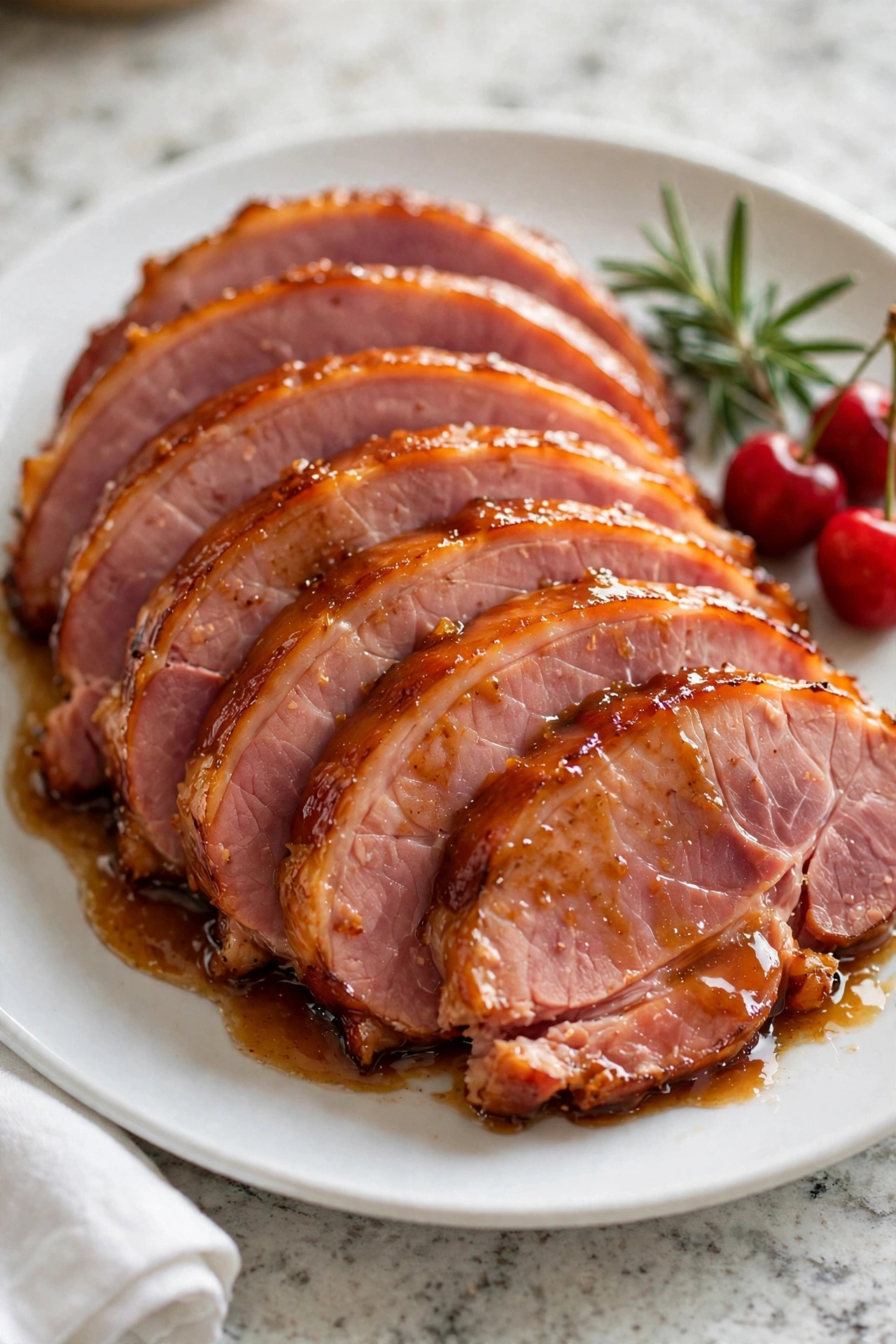
A sticky, glossy ham is the true star of so many Australian Christmas tables, and this one always gets the first big cheer when it comes out of the oven. The sweet glaze turns shiny and golden on the edges, while the meat stays juicy and salty underneath. Best of all, the leftovers are just as good the next day in sandwiches and salads.
Prep Time: 20 minutes | Cook Time: 90 minutes | Servings: 12
Ingredients
- 1 whole leg ham on the bone, about 9 to 10 pounds (4 to 4.5 kg)
- Whole cloves, for studding
- 1 cup brown sugar, firmly packed
- 1/2 cup honey
- 1/3 cup Dijon mustard
- 1/4 cup orange juice
- 2 tablespoons apple cider vinegar
- 1 tablespoon soy sauce
- 1 teaspoon ground ginger
- 1/2 teaspoon ground cinnamon
- 1 cup water, for the roasting pan
- Orange slices and fresh parsley, for serving
Instructions
- Prepare the ham by preheating the oven to 325°F (160°C). Run a small sharp knife around the bone at the narrow end of the ham, then slide your fingers under the skin and gently peel it away, leaving the white fat layer on the meat. Wrap a little foil around the bone end so it looks neat and does not burn.
- Score the fat by cutting shallow lines in a diamond pattern across the fat, about 1 inch apart, taking care not to cut into the meat. This helps the glaze soak in and gives the ham that classic Christmas look.
- Stud with cloves by pushing one whole clove into the center of each diamond. Work your way across the whole top of the ham so it is evenly covered.
- Make the glaze by placing the brown sugar, honey, Dijon mustard, orange juice, vinegar, soy sauce, ginger, and cinnamon in a small saucepan. Stir over medium heat for 3 to 4 minutes until the sugar dissolves and the glaze is smooth and slightly thick.
- Set up the pan by placing the ham on a rack in a large roasting pan lined with foil for easy cleaning. Pour the water into the bottom of the pan, then brush about one third of the warm glaze all over the ham.
- Bake and baste the ham for 1 hour and 30 minutes, brushing more glaze over it every 20 minutes. Each layer builds a deeper color and a stickier finish, and the ham is ready when it is heated through and the glaze looks dark gold and shiny.
- Rest the ham by taking it out of the oven, covering it loosely with foil, and letting it rest for at least 20 minutes. Resting keeps the juices in the meat and makes carving much easier.
- Carve and serve by slicing the ham thickly and arranging it on a warm platter with orange slices and parsley. Spoon any warm pan glaze over the top and serve, saving the bone and leftovers for Boxing Day sandwiches.
Roast Turkey with Herb Butter
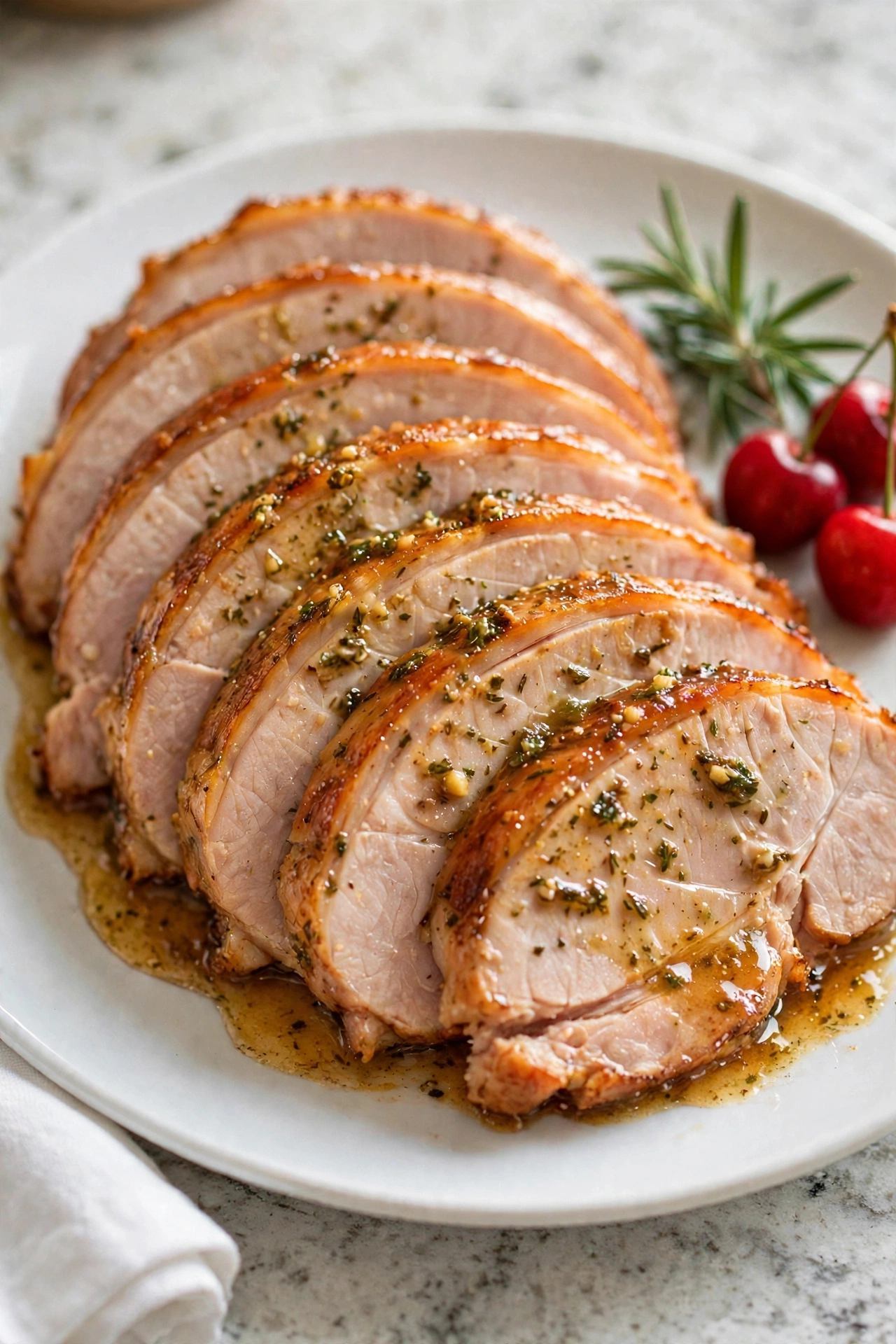
Even in the summer heat, many Australian families still love a golden roast turkey in the middle of the table, and I am one of them. Herb butter tucked under the skin keeps the breast meat moist and gives every slice a lovely savory flavor. Serve it warm or at room temperature with gravy, and your table will feel complete.
Prep Time: 25 minutes | Cook Time: 180 minutes | Servings: 10
Ingredients
- 1 whole turkey, 12 to 14 pounds, thawed, giblets and neck removed
- 1 cup unsalted butter, softened
- 4 garlic cloves, minced
- 2 tablespoons fresh rosemary, finely chopped
- 2 tablespoons fresh thyme leaves
- 1 tablespoon fresh sage, finely chopped
- 2 teaspoons salt
- 1 teaspoon black pepper
- 1 lemon, halved
- 1 onion, quartered
- 2 cups chicken stock
- 2 tablespoons olive oil
Instructions
- Prepare the turkey by taking it out of the fridge 1 hour before cooking so it loses the deep chill. Preheat the oven to 325°F (160°C), pat the turkey very dry inside and out with paper towels, and place it on a rack in a large roasting pan.
- Make the herb butter by mixing the softened butter in a bowl with the garlic, rosemary, thyme, sage, salt, and pepper until everything is evenly combined. It should smell fresh and herby and spread easily.
- Butter under the skin by gently loosening the skin over the turkey breast with your fingers, then pushing about half of the herb butter underneath and smoothing it out. Rub the rest of the butter all over the outside of the bird.
- Fill the cavity with the lemon halves and onion quarters, which add moisture and a gentle flavor as the turkey roasts. Tie the legs together with kitchen string and tuck the wing tips under the body.
- Start roasting by pouring the chicken stock into the bottom of the pan and drizzling the olive oil over the turkey. Cover the breast loosely with foil and roast for about 2 hours, basting once or twice with the pan juices.
- Finish uncovered by removing the foil for the last 45 to 60 minutes so the skin turns deep golden and crisp. The turkey is done when a meat thermometer in the thickest part of the thigh reads 165°F (74°C) and the juices run clear.
- Rest before carving by moving the turkey to a big board, covering it loosely with foil, and letting it rest for 30 minutes. This keeps the meat juicy and gives you time to make gravy from the pan juices.
- Carve and serve by slicing the breast meat thickly and arranging it on a warm platter with the legs and wings. Spoon a little warm gravy over the top and serve straight away, or let it cool a little for a relaxed summer table.
Roast Pork with Crispy Crackling
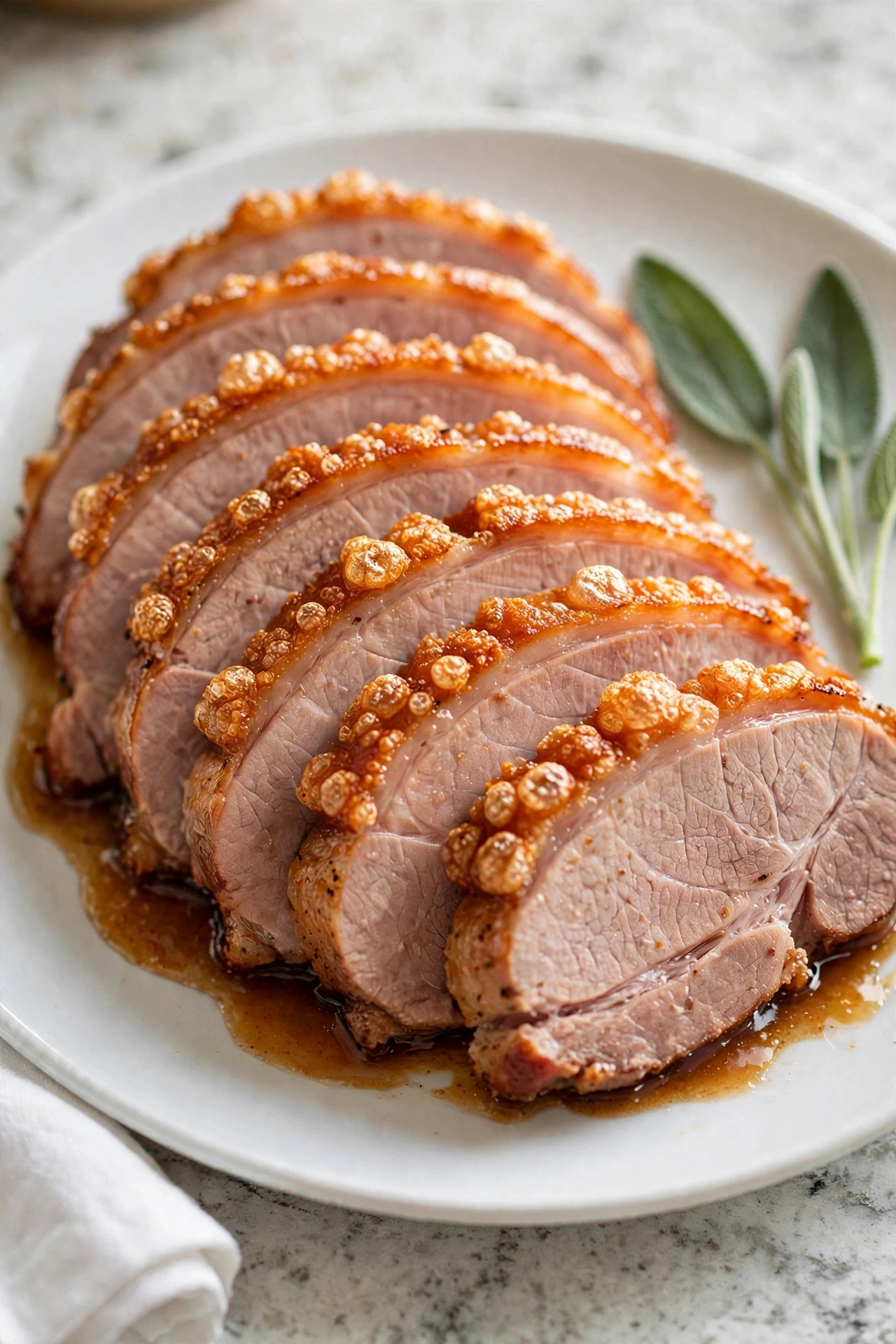
If you ask an Australian family what they fight over at Christmas, it is often the crackling on the roast pork. This pork comes out with shattering, salty, golden crackling and tender, juicy meat underneath. A hot oven at the start and dry, well-salted skin are the simple secrets.
Prep Time: 15 minutes | Cook Time: 120 minutes | Servings: 8
Ingredients
- 1 boneless pork leg or shoulder roast, about 4 to 5 pounds, skin on
- 2 tablespoons salt flakes, plus extra for serving
- 1 tablespoon olive oil
- 1 teaspoon fennel seeds, lightly crushed
- 1 teaspoon garlic powder
- 1 teaspoon black pepper
- 4 garlic cloves, sliced
- 2 onions, cut into thick wedges
- 1 cup chicken stock
- 2 apples, cut into wedges, for serving (optional)
- Fresh sage leaves, for serving
Instructions
- Dry the skin by unwrapping the pork the night before if you can, patting the skin very dry, and leaving it uncovered in the fridge overnight. Dry skin is the most important step for crisp crackling, so do not skip it.
- Score and season by using a very sharp knife to score the skin in lines about 1/2 inch apart if it is not already scored. Rub the olive oil over the skin, then rub in the salt flakes, fennel seeds, garlic powder, and pepper, pushing the salt into the cuts.
- Prepare the pan by spreading the onion wedges and garlic slices in a roasting pan and pouring in the chicken stock. Sit the pork on top, skin side up, so the meat stays moist while the skin stays dry above the liquid.
- Blast with high heat by roasting the pork in a preheated oven at 475°F (245°C) for 30 minutes. The skin should start to puff, blister, and turn golden — this first hot blast is what sets the crackling.
- Reduce and continue roasting by turning the oven down to 350°F (175°C) and cooking for another 1 hour and 20 to 30 minutes, until the meat is tender and a thermometer in the thickest part reads 145°F (63°C) or higher.
- Check the crackling near the end of cooking. If a few spots are still soft, return the pork to a hot 475°F (245°C) oven for 5 to 10 more minutes, watching closely so it crisps without burning.
- Rest the pork on a board, covered loosely with foil but with the crackling left uncovered so it stays crisp, for 15 to 20 minutes. Never wrap crackling tightly in foil, because the steam will soften it.
- Carve and serve by cutting the crackling into strips and slicing the meat thickly. Serve with the pan onions, apple wedges, and sage leaves, with a little extra salt flakes sprinkled over the crackling.
Garlic Butter Prawns
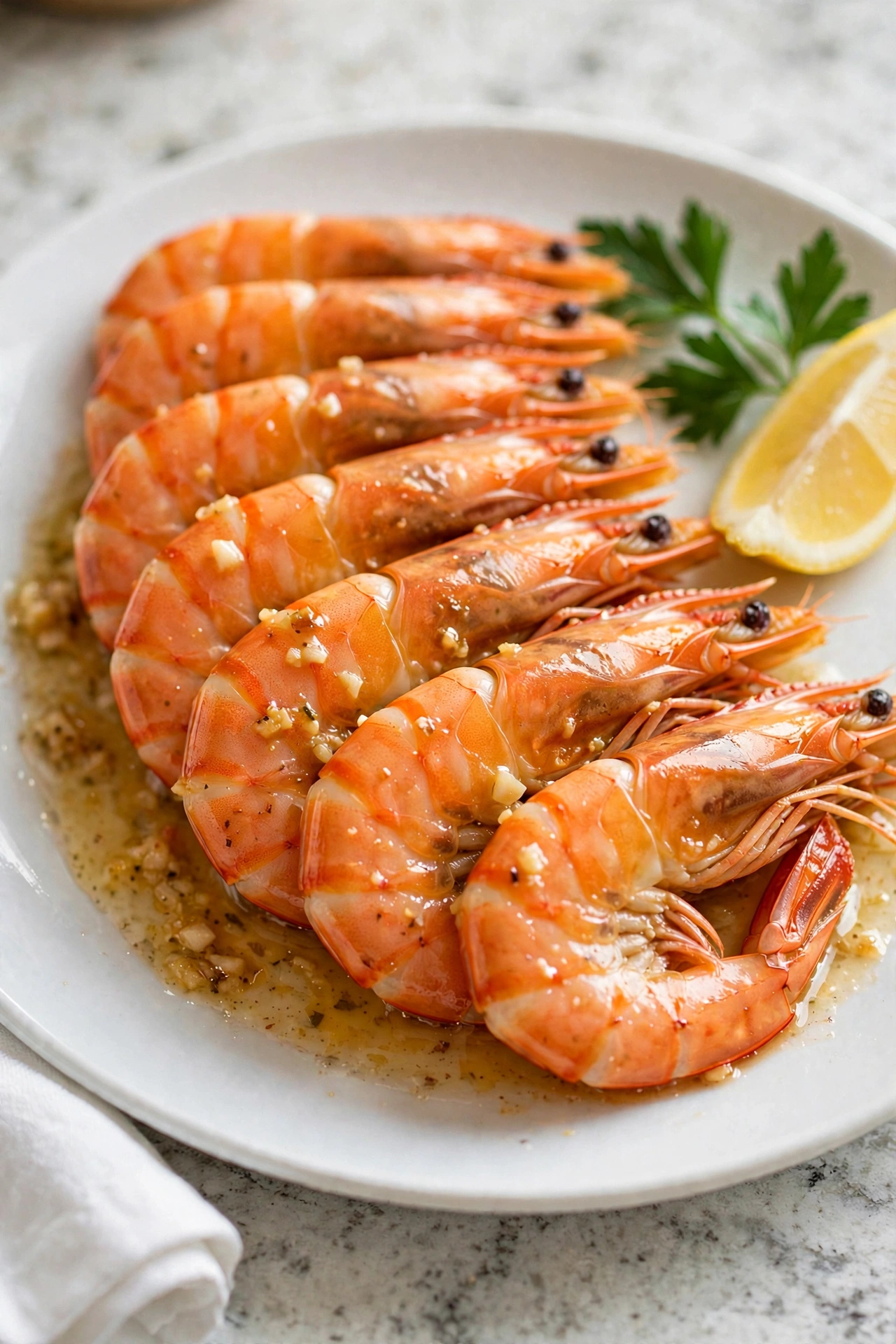
Prawns are a true Australian Christmas tradition, and these garlic butter prawns disappear faster than anything else I serve. They cook in just a few minutes on the barbecue or in a hot pan, and the buttery garlic sauce begs to be mopped up with crusty bread. Make a double batch — trust me on this one.
Prep Time: 15 minutes | Cook Time: 6 minutes | Servings: 6
Ingredients
- 2 pounds large raw prawns (shrimp), peeled and deveined, tails left on
- 4 tablespoons butter
- 3 tablespoons olive oil
- 6 garlic cloves, finely minced
- 1 teaspoon smoked paprika
- 1/2 teaspoon chili flakes (optional)
- Salt and black pepper, to taste
- Zest and juice of 1 lemon
- 2 tablespoons fresh parsley, finely chopped
- 1 tablespoon fresh chives, finely chopped
- Crusty bread, for serving
- Lemon wedges, for serving
Instructions
- Prepare the prawns by patting them very dry with paper towels so they sizzle instead of steam. Season them all over with salt, pepper, and the smoked paprika, and set them aside while the barbecue or a large skillet heats up.
- Heat the pan by placing a large skillet over high heat, or heating the barbecue flat plate to high. Add the olive oil and half of the butter, and let it get hot and foaming.
- Cook the prawns in a single layer, working in batches if needed so the pan is not crowded. Cook for about 2 minutes on the first side, until they turn pink and lightly golden at the edges.
- Flip and add garlic by turning the prawns over and adding the rest of the butter and all of the minced garlic to the pan. Cook for 1 to 2 more minutes, tossing gently, until the prawns are just cooked through and curled into a soft C shape.
- Add the chili and lemon by sprinkling in the chili flakes, lemon zest, and lemon juice. Toss everything together for 30 seconds so the bright lemon lifts the rich butter and garlic.
- Finish with herbs by taking the pan off the heat and scattering the parsley and chives over the prawns. Give the pan one last gentle toss so the herbs stick to the glossy sauce.
- Serve right away by tipping the prawns and all of their garlic butter onto a warm platter with lemon wedges and crusty bread. Eat them hot, with your fingers, and use the bread to catch every drop of sauce.
Whole Baked Barramundi with Lemon and Herbs
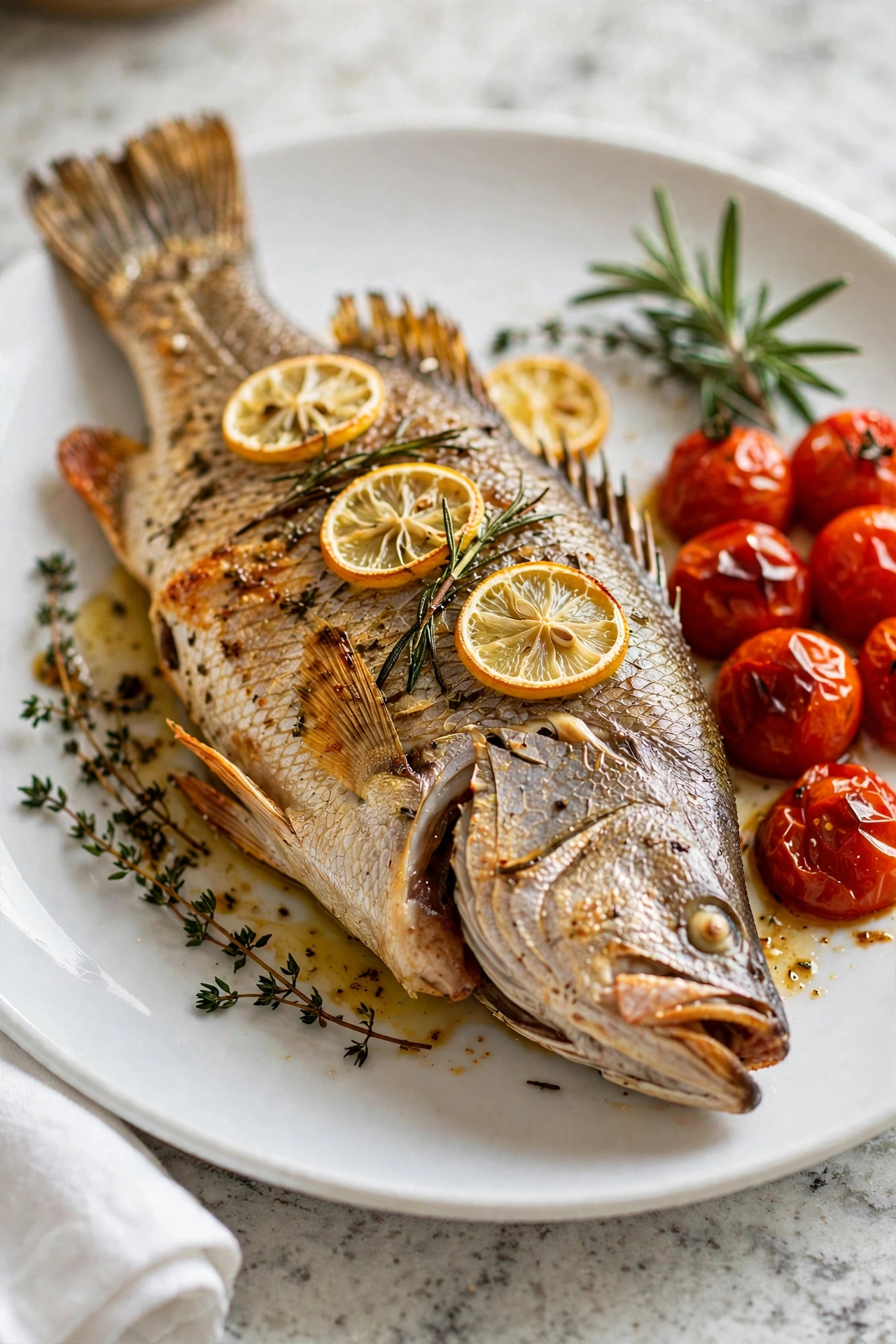
A whole baked barramundi looks so impressive on the Christmas table, yet it is one of the easiest dishes on this list to make. The flesh stays white, soft, and sweet, and the lemon and herbs keep it tasting fresh and light. It is a perfect centerpiece for a warm summer day.
Prep Time: 15 minutes | Cook Time: 30 minutes | Servings: 6
Ingredients
- 1 whole barramundi, about 3 to 4 pounds, cleaned and scaled
- 2 lemons, 1 sliced and 1 cut into wedges for serving
- 4 garlic cloves, thinly sliced
- 1 small bunch fresh parsley, roughly chopped
- 1 small bunch fresh dill, roughly chopped
- 3 tablespoons olive oil
- 1 teaspoon salt flakes
- 1/2 teaspoon black pepper
- 1/2 cup dry white wine or fish stock
- 1 tablespoon butter, cut into small pieces
- 1 teaspoon lemon zest
- Cherry tomatoes on the vine, for roasting (optional)
Instructions
- Prepare the fish by rinsing the barramundi and patting it dry inside and out with paper towels. Use a sharp knife to make 3 shallow cuts on each side of the fish so the flavors can soak into the flesh.
- Season the fish by rubbing it all over, including inside the cavity, with the olive oil, salt flakes, pepper, and lemon zest. Seasoning inside and out means every bite is tasty, not just the skin.
- Fill the cavity with the lemon slices, half of the garlic slices, and half of the parsley and dill. These aromatics gently steam inside the fish as it bakes and perfume the flesh.
- Set up the tray by lining a large baking tray with baking paper or foil and laying the fish on top. Scatter the remaining garlic and herbs over the fish, dot it with the butter, and pour the wine or stock around, not over, the fish.
- Add the tomatoes around the fish if you are using them. They will soften and burst in the oven and make a pretty, juicy garnish for the platter.
- Bake the barramundi in a preheated oven at 400°F (200°C) for 25 to 30 minutes, until the flesh is white, flakes easily with a fork, and the thickest part reads 145°F (63°C). Avoid overcooking, as barramundi dries out quickly once it is done.
- Rest and transfer the fish carefully to a large warm platter using two wide spatulas, keeping it whole for the table. Spoon some of the tray juices over the top so it stays glossy and moist.
- Serve at the table with lemon wedges and the roasted tomatoes around the fish. Let everyone help themselves to big soft flakes, and have a small bowl ready for the bones as you go.
Roast Lamb with Rosemary and Garlic
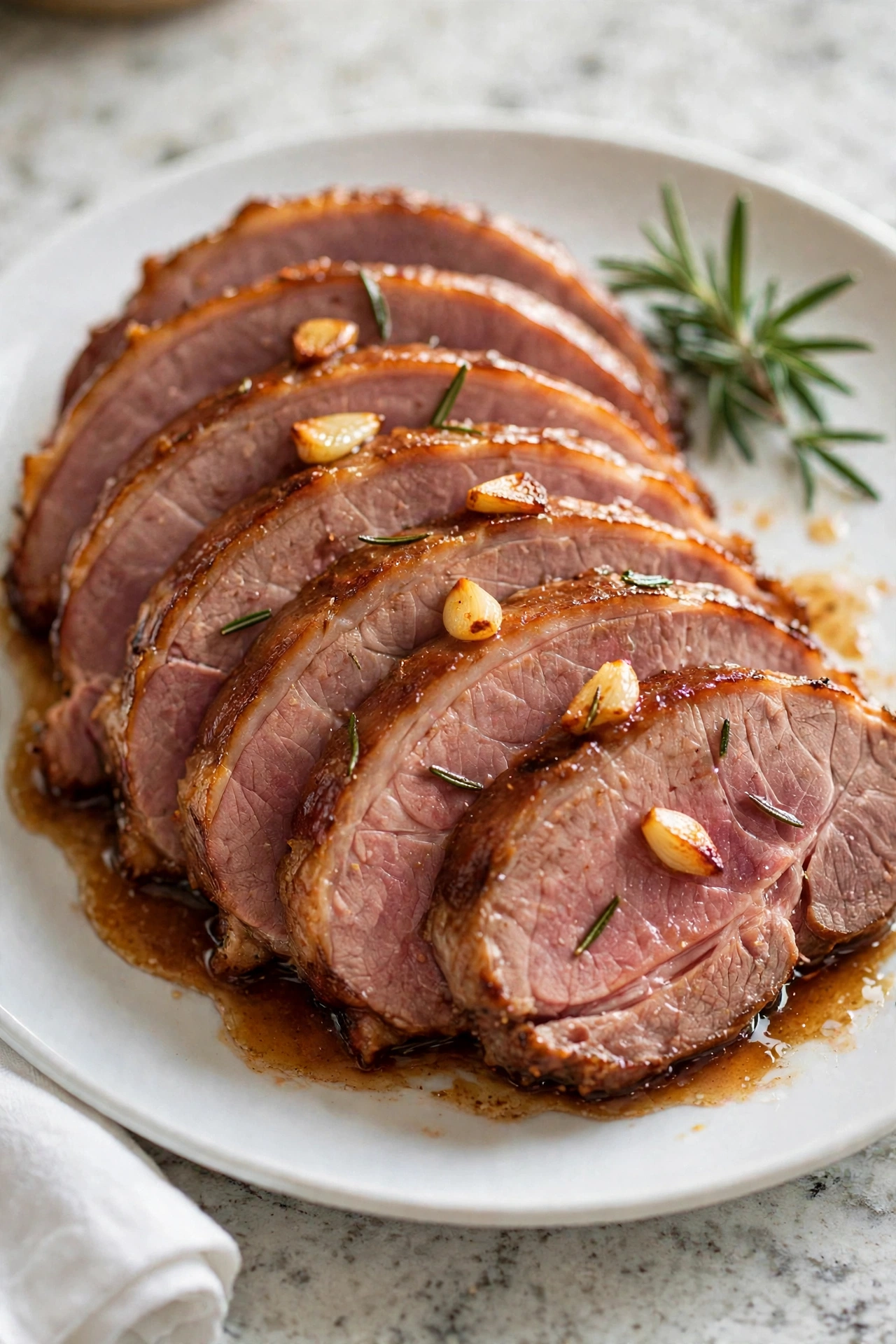
Roast lamb is a much-loved Australian favorite, and a leg roasted with rosemary and garlic makes Christmas dinner feel extra special. The outside turns deep brown and fragrant, while the inside stays tender and juicy, perfect sliced thick or thin. It is wonderful hot, and just as good cold the next day.
Prep Time: 20 minutes | Cook Time: 90 minutes | Servings: 8
Ingredients
- 1 bone-in leg of lamb, about 5 to 6 pounds
- 6 garlic cloves, cut into thin slivers
- 3 tablespoons fresh rosemary leaves, plus extra sprigs
- 2 tablespoons olive oil
- 2 teaspoons salt flakes
- 1 teaspoon black pepper
- 1 teaspoon lemon zest
- 1 tablespoon Dijon mustard
- 2 onions, cut into thick wedges
- 1 cup beef or chicken stock
- 1/2 cup red wine (optional)
- Fresh mint leaves or mint sauce, for serving
Instructions
- Prepare the lamb by taking it out of the fridge 1 hour before cooking so it roasts more evenly. Pat it dry and place it in a large roasting pan on top of the onion wedges, which lift the meat and flavor the pan juices.
- Stud with garlic and rosemary by cutting small deep slits all over the top of the lamb with a sharp knife. Push a sliver of garlic and a few rosemary leaves into each slit so the flavor melts right into the meat.
- Make the rub by mixing the olive oil, salt, pepper, lemon zest, and Dijon mustard into a paste. Rub it all over the lamb, working it into the slits and over the rosemary sprigs laid on top.
- Roast at high heat first by placing the lamb in a preheated oven at 425°F (220°C) for 20 minutes. This first blast of heat browns the outside and starts a lovely crust.
- Reduce the heat and continue by turning the oven down to 350°F (175°C), pouring the stock and wine around the lamb, and roasting for about 1 hour and 10 minutes more for medium, until a thermometer in the thickest part reads 135°F to 140°F (57°C to 60°C) before resting.
- Baste once or twice during the second part of cooking by spooning the pan juices over the lamb. This keeps the surface glossy and helps the rosemary and garlic flavors spread.
- Rest the lamb by moving it to a warm board, covering it loosely with foil, and resting it for at least 20 minutes. The temperature will rise a little and the juices will settle back into the meat.
- Carve and serve by slicing the lamb against the grain and arranging it on a warm platter with the soft roasted onions. Spoon over a little of the pan juices and serve with mint sauce or fresh mint leaves.
BBQ Salmon with Mango Salsa
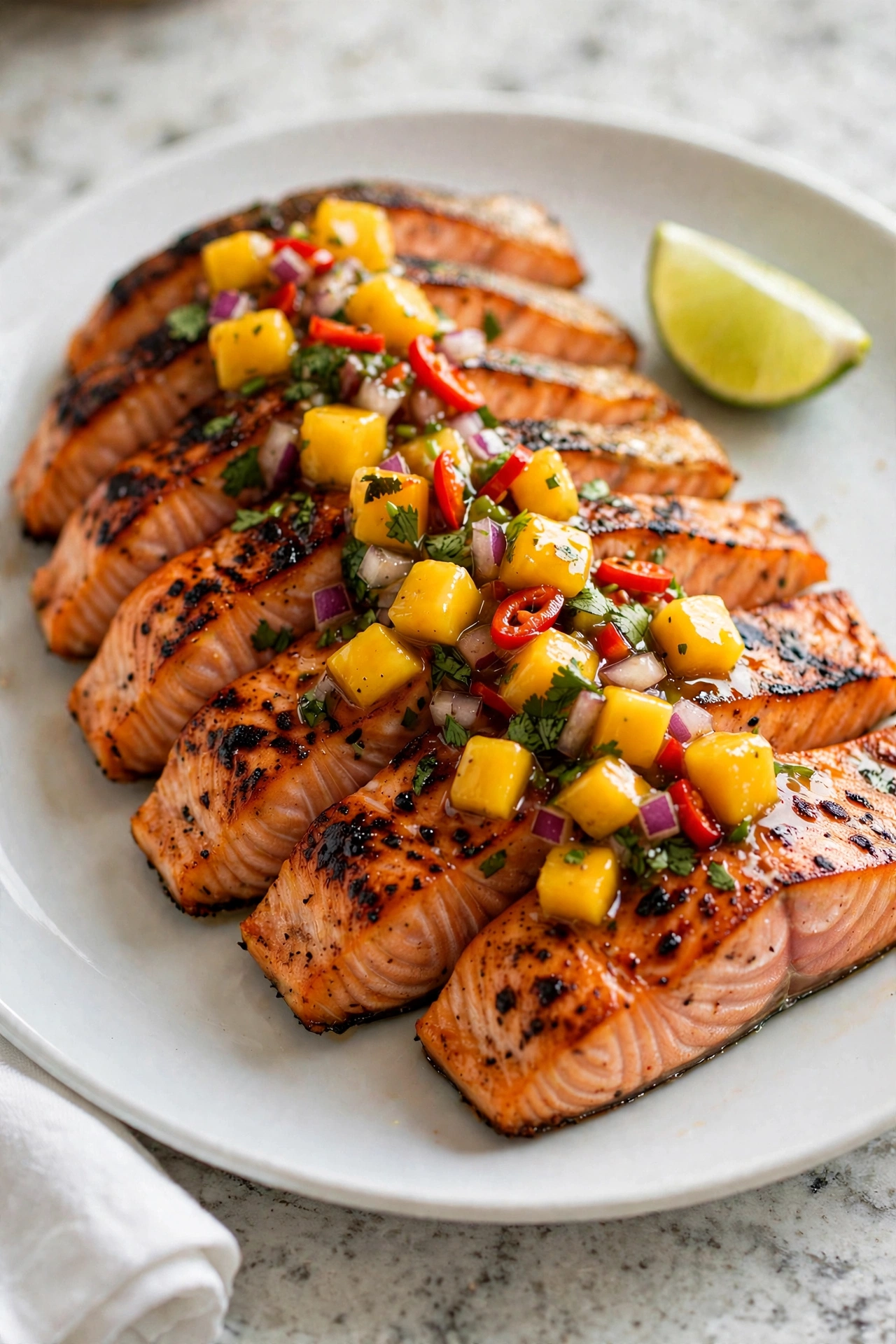
This is summer Christmas cooking at its best — rich salmon fillets kissed by the barbecue, topped with a bright, sweet mango salsa. The salsa takes five minutes, tastes like sunshine, and balances the smoky fish perfectly. It is fresh, colorful, and lighter than the big roasts, so it rounds out the table beautifully.
Prep Time: 20 minutes | Cook Time: 10 minutes | Servings: 6
Ingredients
- 6 salmon fillets, about 6 ounces each, skin on
- 2 tablespoons olive oil
- 1 teaspoon smoked paprika
- 1 teaspoon garlic powder
- Salt and black pepper, to taste
- 1 large ripe mango, peeled and finely diced
- 1/2 small red onion, finely diced
- 1 red chili, finely chopped (optional)
- Juice of 1 lime
- 2 tablespoons fresh cilantro (coriander), chopped
- 1 tablespoon fresh mint, chopped
- Lime wedges, for serving
Instructions
- Make the mango salsa first by mixing the diced mango, red onion, chili, lime juice, cilantro, and mint in a bowl with a pinch of salt. Set it aside in the fridge so the flavors blend while you cook the salmon.
- Prepare the salmon by patting the fillets very dry, especially the skin, with paper towels. Dry skin is the key to crisp skin on the barbecue.
- Season the fillets by rubbing them with the olive oil, then sprinkling the flesh side with the smoked paprika, garlic powder, salt, and pepper. Let them sit at room temperature for 10 minutes while the barbecue heats.
- Heat the barbecue to medium-high and lightly oil the grill bars or flat plate. A clean, hot, oiled grill is what stops the fish from sticking.
- Grill skin side down by placing the salmon on the barbecue skin side down and closing the lid. Cook for 5 to 6 minutes without moving the fillets, until the skin is crisp and releases easily from the grill.
- Flip briefly and cook the flesh side for 1 to 2 minutes only, just until the salmon is cooked to your liking and still a little pink and juicy in the center. Take it off the heat right away, as it keeps cooking on the plate.
- Rest for a few minutes on a warm platter, skin side up so the skin stays crisp. A short rest keeps the fillets moist and makes them easier to serve whole.
- Serve with the salsa spooned generously over the top of each fillet, with lime wedges on the side. The cold, sweet salsa over the warm, smoky salmon is the bite everyone remembers.
Classic Seafood Platter
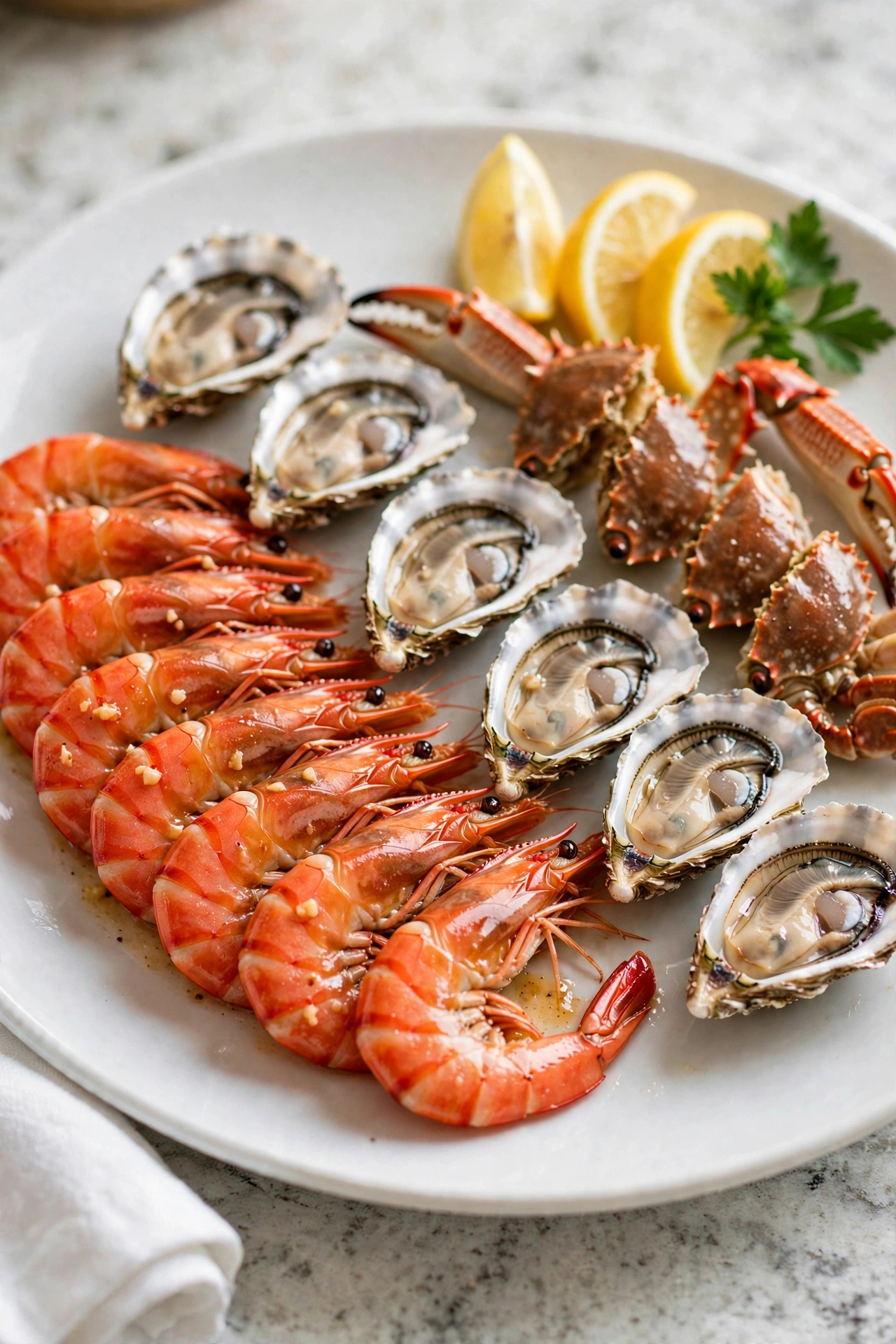
No Australian Christmas feels complete without a big, icy seafood platter in the center of the table. Sweet prawns, fresh oysters, and tender crab, all served cold with lemon and a creamy seafood sauce, are made for long, lazy summer afternoons. The best part is there is almost no cooking — just good shopping and a pretty platter.
Prep Time: 30 minutes | Cook Time: 0 minutes | Servings: 8
Ingredients
- 2 pounds cooked prawns (shrimp), peeled, tails left on
- 12 fresh oysters, on the half shell
- 1 cooked mud crab or 2 cooked blue swimmer crabs, cleaned and cut into pieces
- 8 ounces smoked salmon slices
- 1 cup whole-egg mayonnaise
- 2 tablespoons tomato sauce (ketchup)
- 1 tablespoon lemon juice, plus 2 lemons cut into wedges
- 1 teaspoon Worcestershire sauce
- A few drops of hot sauce (optional)
- Crushed ice, for serving
- Fresh parsley and dill sprigs, for garnish
- Sourdough or crusty bread, for serving
Instructions
- Make the seafood sauce by whisking the mayonnaise, tomato sauce, lemon juice, Worcestershire sauce, and hot sauce in a small bowl until smooth and pale pink. Chill it in the fridge so it is nice and cold for serving.
- Prepare a big platter by covering your largest serving platter or tray with a thick layer of crushed ice. The ice keeps everything safely cold on a warm day and makes the seafood look fresh and sparkling.
- Arrange the prawns in a neat pile or a ring on one side of the platter, with the tails showing. Prawns are usually the first thing to go, so give them plenty of room.
- Arrange the oysters in their shells on the ice on the other side of the platter, keeping them level so their natural juices do not spill. Check each one smells fresh and clean, like the sea.
- Add the crab pieces in the center of the platter, cracking the claws lightly with a nutcracker so they are easy for guests to open. Put a small bowl nearby for the empty shells.
- Fold the smoked salmon into soft ribbons and tuck them between the other seafood in little piles. The pink salmon adds color and a gentle smoky flavor that suits the fresh items.
- Garnish and finish by tucking parsley and dill sprigs around the seafood and adding lemon wedges all over the platter. Put the bowl of seafood sauce in the middle or right beside the platter.
- Serve immediately and keep the platter in the shade, returning any leftovers to the fridge within 2 hours on a hot day. Serve with crusty bread so guests can make little seafood bites with sauce and lemon.
Roast Chicken with Lemon and Thyme
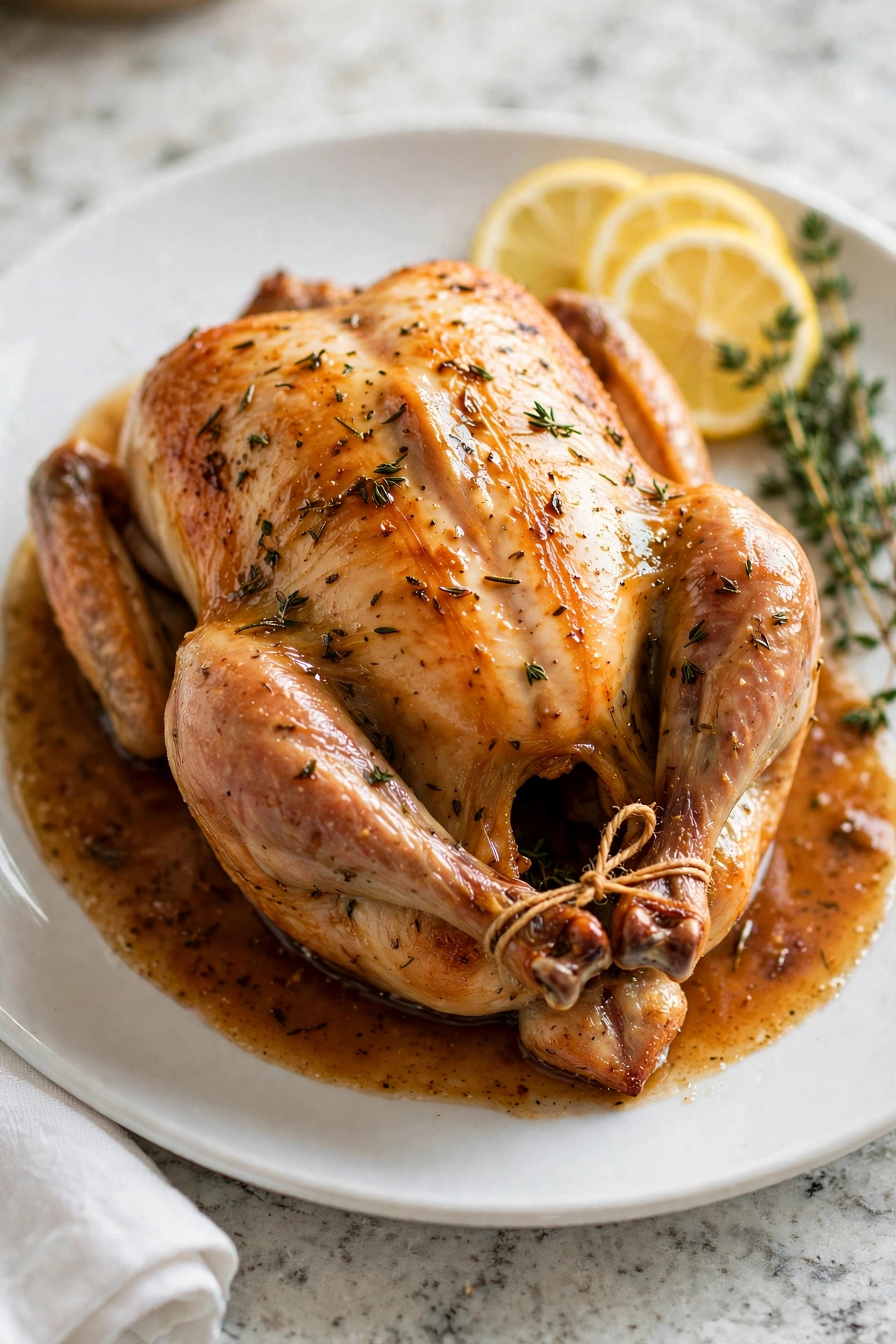
A simple roast chicken with lemon and thyme is the friendly, reliable dish every Christmas table needs. The skin turns golden and crisp, the meat stays juicy, and the lemon keeps the whole bird tasting bright and fresh. It is also a lovely smaller option if you are not cooking for a big crowd.
Prep Time: 15 minutes | Cook Time: 75 minutes | Servings: 6
Ingredients
- 1 whole chicken, about 4 pounds
- 3 tablespoons butter, softened
- 2 lemons, 1 halved and 1 sliced
- 4 garlic cloves, minced, plus 1 whole head halved
- 2 tablespoons fresh thyme leaves, plus extra sprigs
- 1 teaspoon salt
- 1/2 teaspoon black pepper
- 1 tablespoon olive oil
- 1 onion, cut into wedges
- 1/2 cup chicken stock
- Kitchen string, for tying
- Fresh thyme sprigs, for serving
Instructions
- Prepare the chicken by taking it out of the fridge 30 minutes before cooking and patting it completely dry with paper towels. Place it in a roasting pan on top of the onion wedges.
- Make the lemon thyme butter by mixing the softened butter with the minced garlic, thyme leaves, salt, pepper, and the zest from the halved lemon. It should be soft, fragrant, and easy to spread.
- Butter the chicken by gently loosening the skin over the breast and pushing half of the butter underneath, then rubbing the rest all over the outside. This keeps the breast meat moist and flavors the skin.
- Fill the cavity with the lemon halves, the halved head of garlic, and a few thyme sprigs. Tie the legs together with kitchen string so the chicken holds a neat shape and cooks evenly.
- Add liquid and oil by pouring the chicken stock into the pan and drizzling the olive oil and a squeeze of lemon juice over the chicken. Lay the lemon slices on and around the bird for extra flavor and color.
- Roast the chicken in a preheated oven at 400°F (200°C) for 1 hour and 10 to 15 minutes, basting once halfway with the pan juices. It is ready when the skin is deep golden and a thermometer in the thickest part of the thigh reads 165°F (74°C).
- Rest before carving by covering the chicken loosely with foil and letting it rest for 15 minutes. Resting keeps the meat juicy and makes the pan juices perfect for spooning over the top.
- Carve and serve the chicken on a warm platter with the roasted onion and lemon, fresh thyme sprigs, and the warm pan juices poured over. Serve hot or warm — it fits happily beside the ham and seafood.
Crispy Roast Potatoes
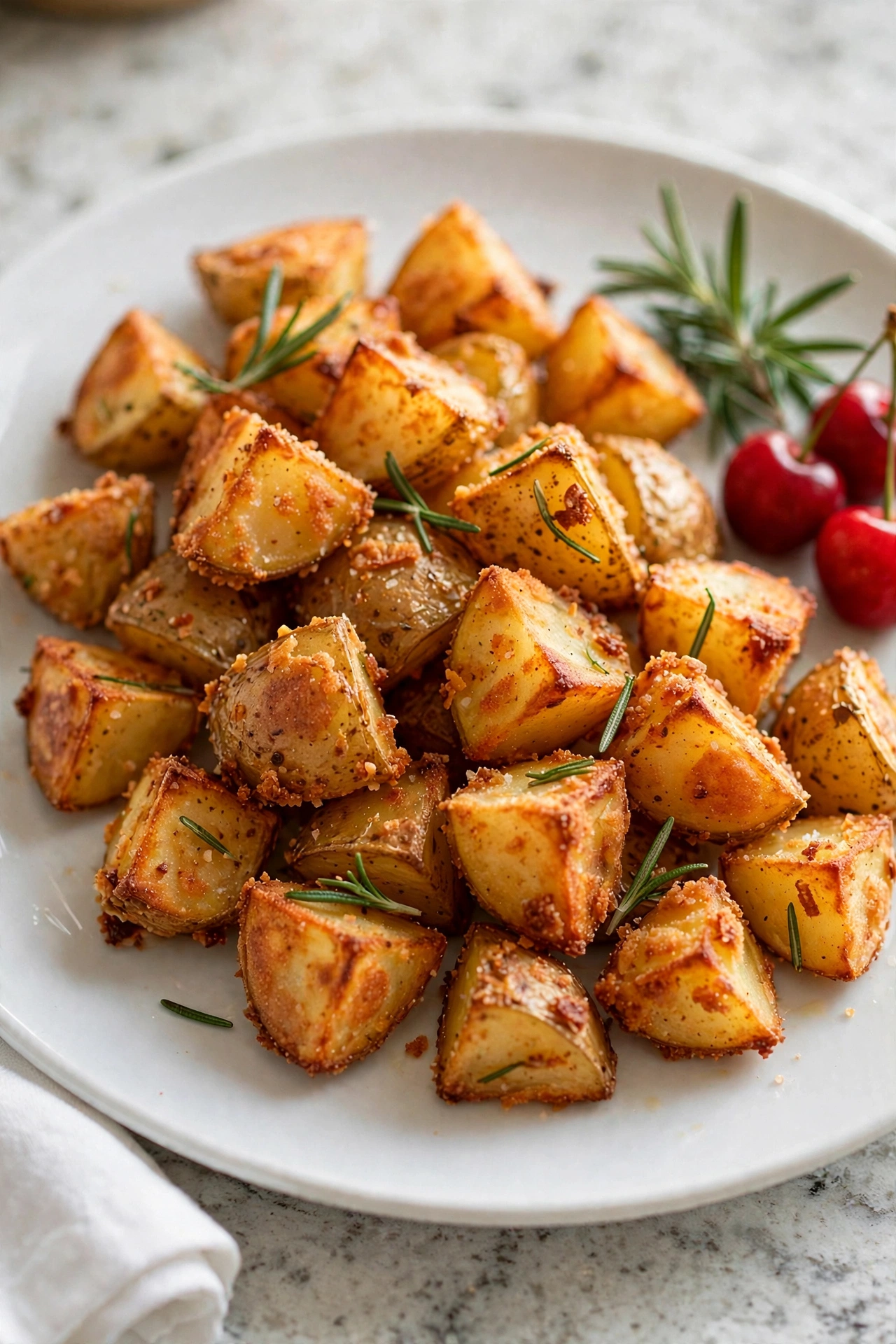
Golden, crunchy roast potatoes are the side dish nobody skips, no matter how full the table is. The trick is parboiling first and roughing up the edges, so they come out fluffy inside with lots of crisp, craggy bits outside. Make more than you think you need — they always run out.
Prep Time: 15 minutes | Cook Time: 60 minutes | Servings: 8
Ingredients
- 4 pounds floury potatoes, such as russet or sebago, peeled
- 1/3 cup duck fat, goose fat, or olive oil
- 1 tablespoon salt, plus extra flakes for serving
- 1 teaspoon garlic powder
- 1 teaspoon smoked paprika (optional)
- 4 garlic cloves, lightly crushed, skin on
- 4 sprigs fresh rosemary
- 2 tablespoons semolina or fine polenta (optional, for extra crunch)
- Black pepper, to taste
- Fresh parsley, finely chopped, for serving
Instructions
- Cut the potatoes into large, even chunks, about the size of a small egg, and rinse them in cold water to wash off the extra starch. Even sizes mean they all finish cooking at the same time.
- Parboil the potatoes by covering them with cold salted water in a large pot, bringing them to a boil, and cooking for 8 to 10 minutes until the edges are just starting to soften. They should still hold their shape in the middle.
- Rough up the edges by draining the potatoes in a colander and shaking them firmly until the edges look fluffy and rough. Sprinkle over the semolina if using and toss again — these rough edges are what turn super crispy.
- Heat the fat by placing the duck fat or oil in a large roasting pan and putting the pan in a preheated oven at 425°F (220°C) for 5 minutes. The fat must be very hot before the potatoes go in, or they will not crisp properly.
- Add the potatoes carefully to the hot fat in a single layer, turning each piece so it is coated. Season with the salt, garlic powder, paprika, and pepper, and tuck in the garlic cloves and rosemary sprigs.
- Roast and turn the potatoes for 50 to 60 minutes, turning them every 20 minutes so all sides turn deep golden and crisp. Keep them in one layer with a little space between pieces so they roast instead of steam.
- Test for doneness by pushing a knife into the biggest potato — it should slide in easily with a soft, fluffy center. If any pieces need more color, give them 5 to 10 more minutes at the hottest setting.
- Serve straight away in a warm bowl with the rosemary, a pinch of extra salt flakes, and the chopped parsley over the top. Roast potatoes wait for nobody, so get them to the table while they are at their crunchiest.
Honey Roasted Pumpkin and Sweet Potato
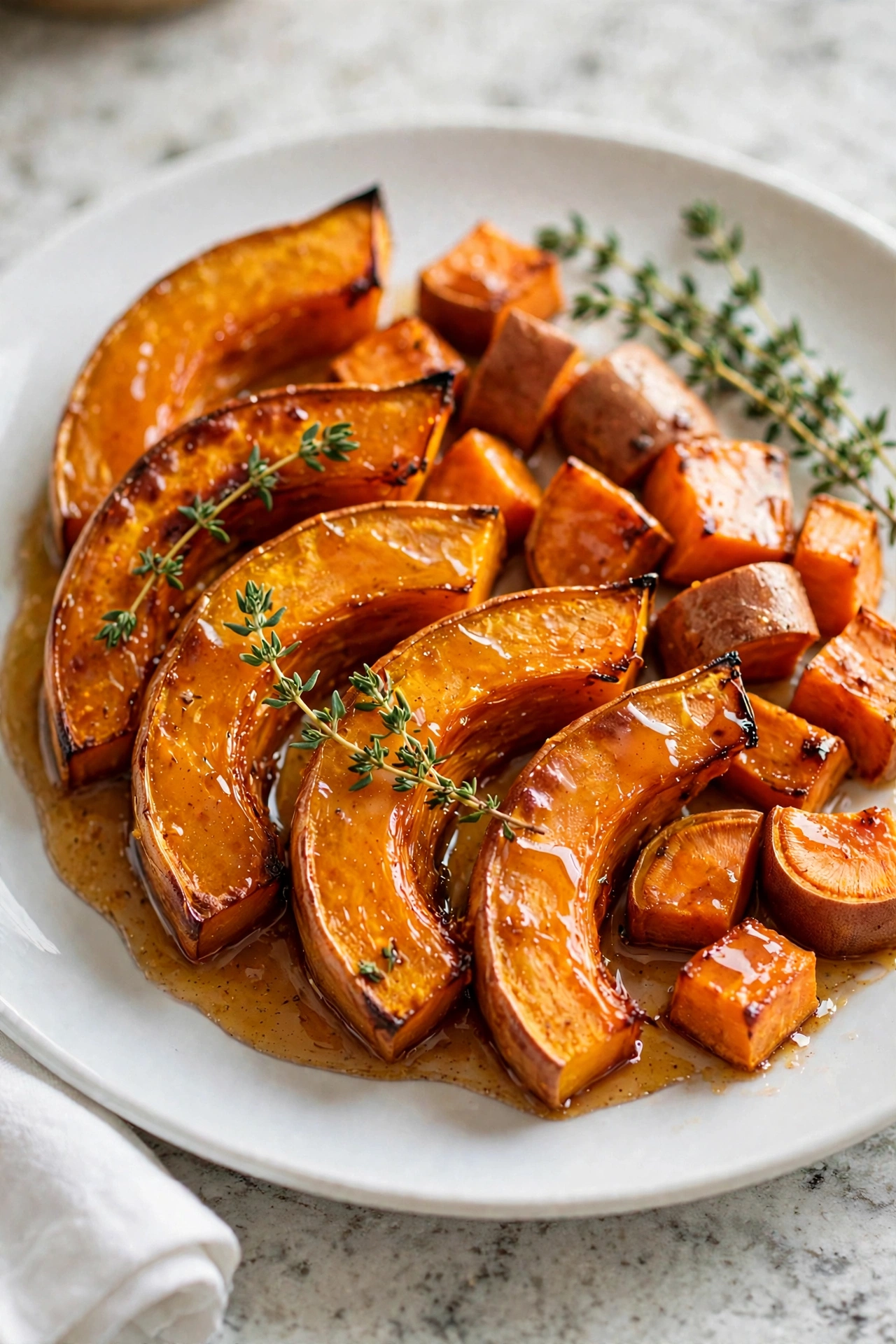
Sweet, sticky, and beautifully caramelized, this pumpkin and sweet potato dish brings the warm colors of Christmas to the plate. The honey helps the edges turn dark gold, and a little cinnamon makes the whole tray smell wonderful. It pairs with everything — ham, turkey, pork, or lamb.
Prep Time: 15 minutes | Cook Time: 40 minutes | Servings: 8
Ingredients
- 2 pounds pumpkin (such as Kent or butternut), peeled and cut into wedges
- 2 large sweet potatoes, peeled and cut into thick chunks
- 3 tablespoons olive oil
- 3 tablespoons honey, plus extra for drizzling
- 1 teaspoon ground cinnamon
- 1/2 teaspoon ground nutmeg
- 1 teaspoon salt flakes
- 1/2 teaspoon black pepper
- 2 tablespoons butter, melted
- 2 tablespoons pepitas (pumpkin seeds) or chopped pecans
- Fresh thyme leaves, for serving
Instructions
- Prepare the vegetables by cutting the pumpkin and sweet potato into similar-sized wedges and chunks, about 1 inch thick. Even pieces cook at the same speed and caramelize evenly.
- Make the honey coating by whisking the olive oil, honey, melted butter, cinnamon, nutmeg, salt, and pepper in a large bowl. It will be glossy and smell warm and sweet.
- Toss everything together by adding the pumpkin and sweet potato to the bowl and mixing with your hands until every piece is well coated. Take a moment to coat the cut sides especially well, as those are the parts that caramelize.
- Arrange on trays by spreading the vegetables in a single layer on two large lined baking trays, with space between the pieces. Crowding the tray makes them steam and go soft instead of roasting.
- Roast until golden in a preheated oven at 400°F (200°C) for 35 to 40 minutes, turning the pieces once halfway through. They are ready when tender all the way through with dark golden, sticky edges.
- Toast the seeds or nuts by scattering the pepitas or pecans over the trays for the last 5 minutes of cooking. They will turn golden and add a lovely little crunch.
- Rest and glaze by letting the vegetables sit on the tray for 5 minutes, then drizzling a tiny bit of extra honey over the top while they are still hot. The heat melts the honey into a shiny glaze.
- Serve warm piled onto a platter with the thyme leaves scattered over. These are best eaten the day they are made, while the edges are still crisp and sticky.
Creamy Australian Potato Salad
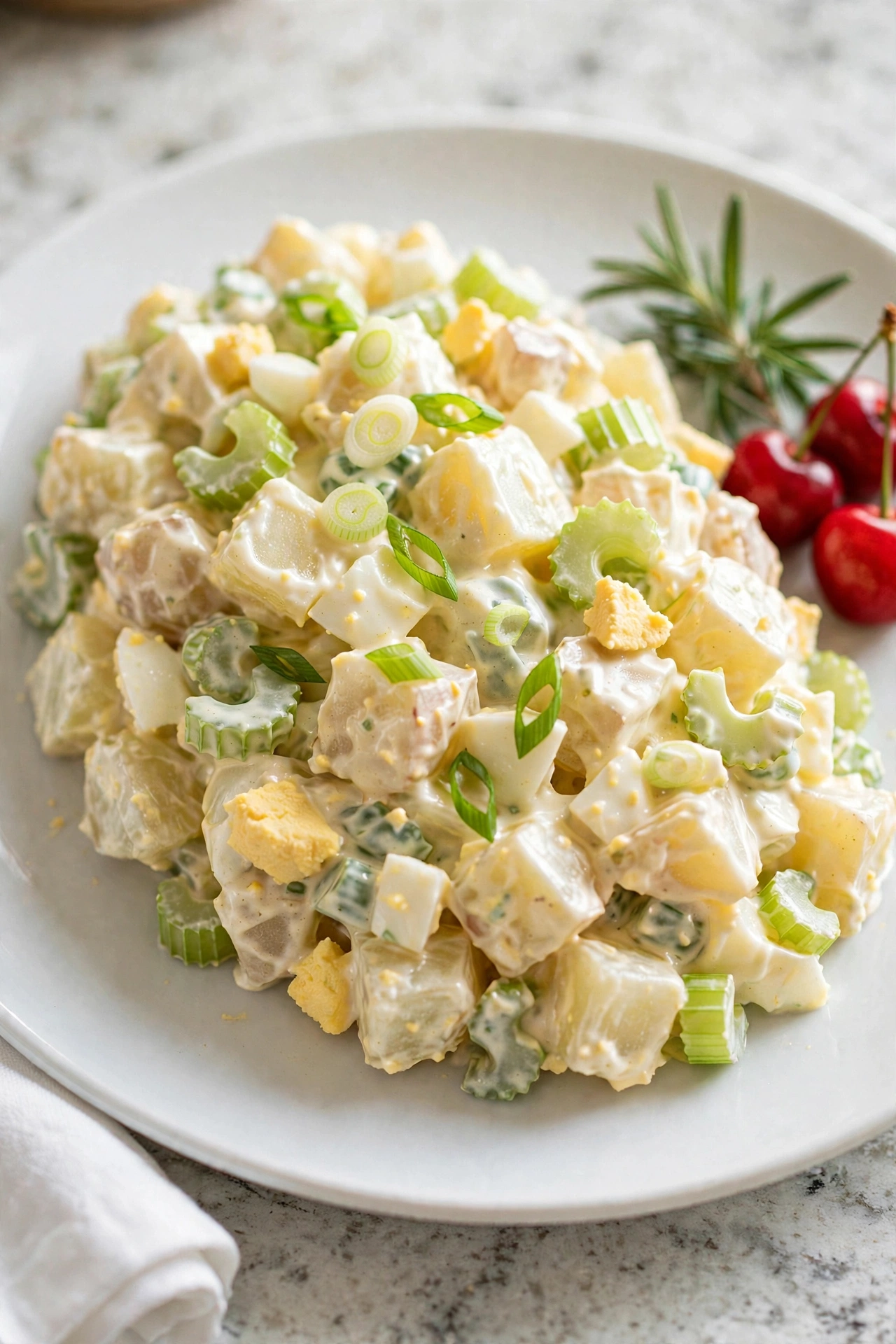
Every Australian barbecue and Christmas table seems to have a big bowl of creamy potato salad, and this is the version my family always asks for. Tender potatoes, crunchy celery, and a tangy, creamy dressing with a hint of mustard make it cool and comforting next to hot roasts and seafood. Make it ahead — it tastes even better the next day.
Prep Time: 20 minutes | Cook Time: 15 minutes | Servings: 8
Ingredients
- 3 pounds waxy potatoes, such as kipfler or red potatoes, scrubbed
- 1 cup whole-egg mayonnaise
- 1/3 cup sour cream
- 1 tablespoon Dijon mustard
- 1 tablespoon apple cider vinegar
- 1 teaspoon sugar
- Salt and black pepper, to taste
- 3 celery stalks, finely sliced
- 4 green onions (spring onions), finely sliced
- 3 hard-boiled eggs, chopped
- 2 tablespoons fresh parsley, chopped, plus extra for serving
- 1 teaspoon sweet paprika, for serving (optional)
Instructions
- Cook the potatoes by cutting any large ones in half so they are all about the same size, then covering them with cold salted water in a large pot. Bring to a gentle boil and cook for 12 to 15 minutes until just tender when pierced with a knife, but not falling apart.
- Drain and steam dry by tipping the potatoes into a colander and letting them stand for 5 minutes so the extra water steams away. This keeps the dressing creamy instead of watery.
- Cut the potatoes into bite-sized chunks once they are cool enough to handle, keeping the skins on if you like the color and texture. Place them in a large serving bowl.
- Make the dressing by whisking the mayonnaise, sour cream, Dijon mustard, vinegar, sugar, salt, and pepper in a separate bowl until smooth and well blended. Taste it — it should be creamy, tangy, and a little bit sweet.
- Dress the warm potatoes by pouring about two thirds of the dressing over the potatoes while they are still slightly warm and folding it through gently. Warm potatoes drink in the dressing and taste much better than cold ones dressed at the end.
- Add the crunchy parts by folding in the celery, green onions, chopped eggs, and parsley, plus the rest of the dressing. Fold gently with a big spoon so the potatoes keep their shape.
- Chill the salad in the fridge for at least 1 hour, or overnight, so the flavors blend and the salad is served properly cold. This is a great make-ahead dish for a busy Christmas morning.
- Serve cold with extra parsley and a light dusting of paprika over the top. Keep the bowl in the shade at the table and return leftovers to the fridge promptly on a hot day.
Classic Pavlova with Passionfruit and Berries
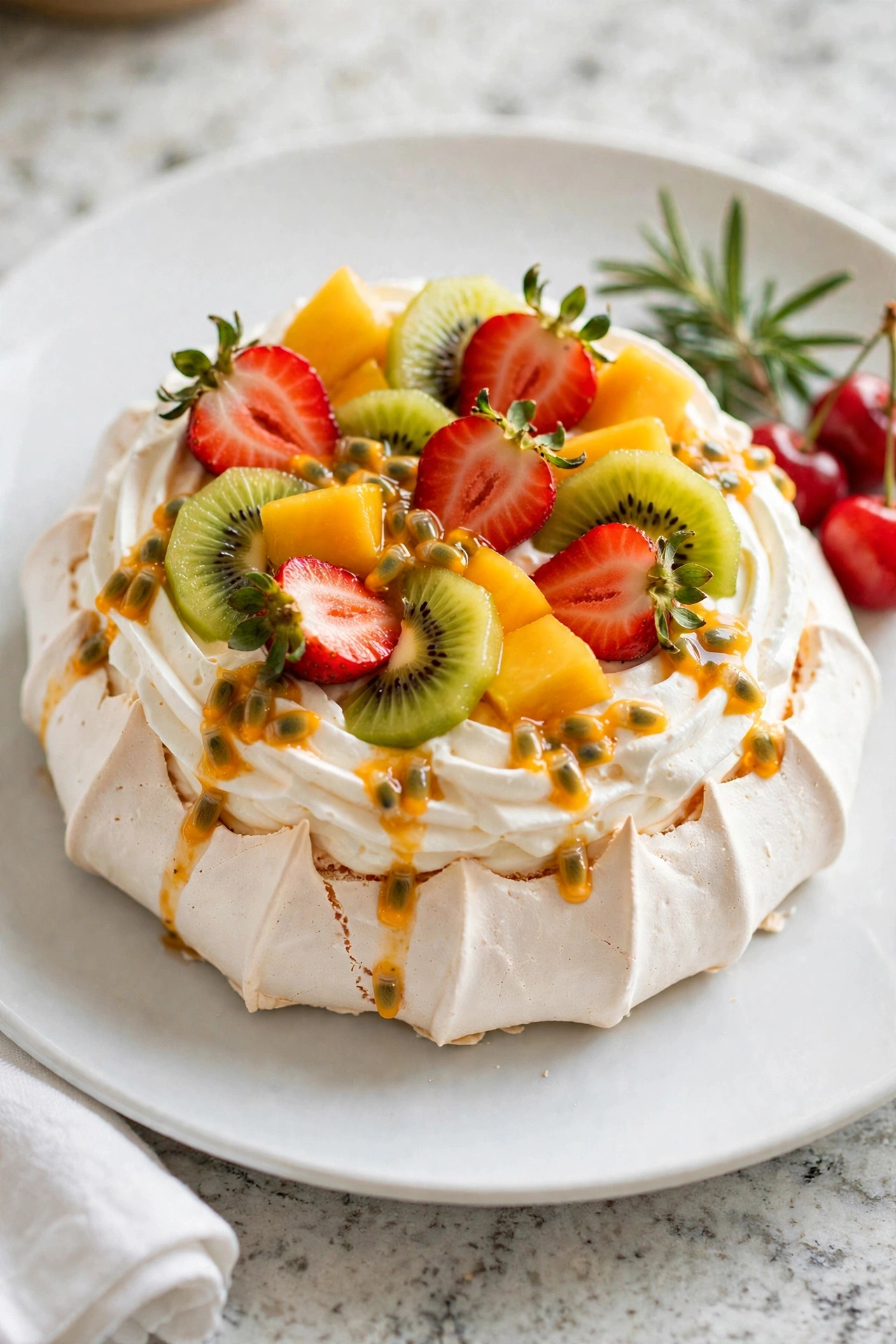
A pavlova is the sweet ending every Australian Christmas deserves — crisp and marshmallowy inside, covered with soft cream and a tumble of summer fruit. Passionfruit gives it that bright, tangy flavor we all love, and the berries make it look like a celebration all by itself. Take your time with the meringue and it will reward you.
Prep Time: 25 minutes | Cook Time: 90 minutes | Servings: 8
Ingredients
- 6 large egg whites, at room temperature
- 1 1/2 cups superfine (caster) sugar
- 2 teaspoons cornstarch (cornflour)
- 1 teaspoon white vinegar
- 1 teaspoon vanilla extract
- 2 cups thickened cream (heavy cream), well chilled
- 2 tablespoons powdered (icing) sugar
- Pulp of 4 passionfruit
- 1 cup strawberries, hulled and sliced
- 1 cup blueberries or raspberries
- 1 kiwi fruit, peeled and sliced (optional)
- Fresh mint leaves, for serving
Instructions
- Prepare the oven and tray by preheating the oven to 300°F (150°C) and drawing a 9-inch (23 cm) circle on a sheet of baking paper as a guide. Place the paper on a large baking tray, drawn side down.
- Whisk the egg whites in a very clean, dry bowl with an electric mixer until stiff peaks form. The bowl must be free of any grease, or the whites will not whip properly.
- Add the sugar slowly by adding it one spoonful at a time while whisking, letting each addition dissolve before adding more. Keep whisking for about 10 minutes in total, until the meringue is thick, glossy, and feels smooth — not grainy — when rubbed between your fingers.
- Fold in the secret ingredients by whisking in the cornstarch, vinegar, and vanilla just until combined. These give the pavlova its famous soft, marshmallowy center under the crisp shell.
- Shape the meringue by spooning it onto the circle on the paper and building it into a round cake shape with slightly higher edges and a shallow dip in the middle. Smooth the sides with a spatula, making little swirls if you like.
- Bake low and slow by putting the pavlova in the oven and immediately turning the heat down to 250°F (120°C). Bake for 1 hour and 30 minutes, then turn the oven off and let the pavlova cool completely inside with the door closed — do not open it, or the shell may crack badly.
- Whip the cream once the shell is cold by beating the chilled cream with the powdered sugar until soft peaks form. Do this close to serving time so the cream stays light and fresh.
- Top and serve by filling the dip in the pavlova with the whipped cream, spooning the passionfruit pulp all over, and piling on the strawberries, berries, and kiwi. Finish with mint leaves and serve right away, cutting it with a sharp knife dipped in hot water for clean slices.