Garlic Butter Brazilian Steak Recipe
I love the combination of browned steak and garlic butter in this homemade Garlic Butter Brazilian Steak. My original inspiration was a memorable steak dinner during a visit to Rio de Janeiro, with a rich sauce that made a simple plate feel special.
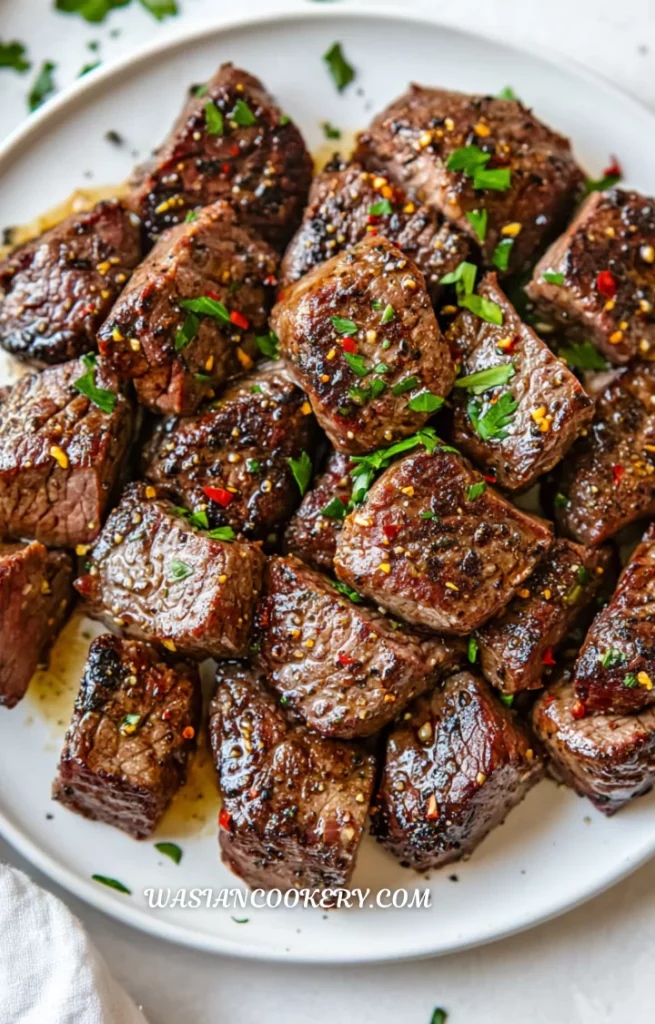
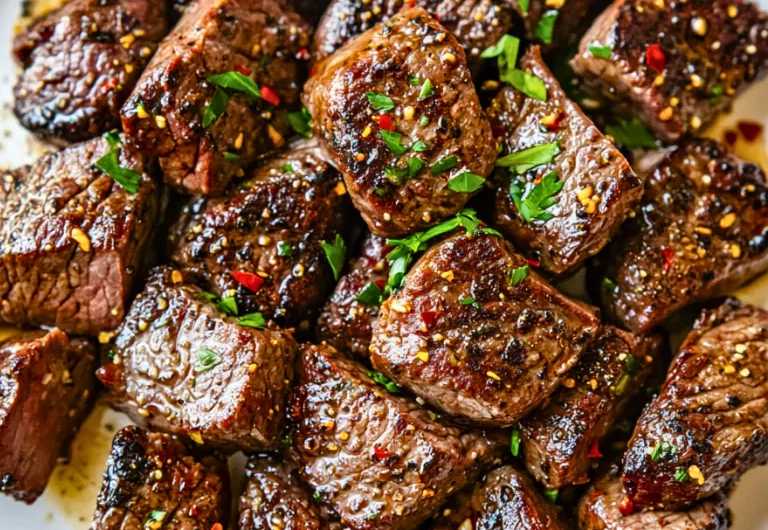
This home version uses sirloin cut into thick strips or cubes, followed by a quick garlic butter sauce in the same skillet. Lemon juice and parsley brighten the buttery finish, and chili flakes are an optional addition when you want a little heat.
The practical details matter: dry the meat, leave space in the pan, and lower the heat before adding the garlic. Cook the steak in batches so it browns well, then check its temperature and give it a proper rest. Rice or potatoes make a lovely place for the extra sauce.
Why This Dish Is Great
- A short main ingredient list: Steak, garlic, butter, lemon, and parsley carry most of the flavor, with straightforward seasoning around them.
- One main skillet: The browned bits left after searing help flavor the sauce, so there is no separate complicated gravy to prepare.
- Useful batch cooking: Two smaller batches leave room around the meat. This helps the outside brown instead of sitting in a crowded pool of liquid.
- A quick finishing sauce: Butter melts around the garlic, and the lemon goes in near the end. Have everything measured before you start.
- Easy meal choices: Serve the steak with a creamy side, something crisp and fresh, or simple rice, depending on what else is on the table.
Choosing The Best Steak
Sirloin works well when trimmed and cut into fairly even pieces. Look for a fresh, well-trimmed steak with a little marbling. Cut across the grain into thick strips or roughly one-inch cubes; evenly sized pieces are easier to turn and check than a mixture of thin scraps and large chunks.
The listed 1½ pounds, about 700 grams, serves four alongside other dishes. Keep the beef refrigerated until preparation, then pat its surface dry. You do not need to leave it out until it reaches room temperature. A dry surface and properly heated pan are more useful for browning.
Ingredients
- 1½ lbs (about 700g) sirloin steak, cut into thick strips or cubes
- Salt and black pepper, to taste
- 1 tbsp olive oil
- 4 tbsp unsalted butter
- 5 cloves garlic, minced
- 1 tbsp fresh lemon juice
- 2 tbsp chopped parsley
- Optional: chili flakes for heat
The 1 tablespoon olive oil is the total for both steak batches. All 4 tablespoons butter go into the sauce after searing, along with all 5 garlic cloves, the 1 tablespoon lemon juice, and the 2 tablespoons parsley. Keep the optional chili flakes separate until you decide whether to use them.
Kitchen Equipment You Will Need
As an Amazon Associate I earn from qualifying purchases.
- Large cast-iron skillet
- Chef knife
- Cutting board
- Kitchen tongs
- Measuring spoons
- Small prep bowls
- Instant-read thermometer
- Wooden spoon
- Serving platter
- Grill pan
- Small saucepan
- Shallow storage containers
- Fine grater
How To Make Garlic Butter Brazilian Steak
Plan for about 45 minutes: 15 minutes preparation, about 25 minutes for skillet heating, two searing batches, and sauce-making, then a 5-minute final rest. This assumes a large skillet and evenly cut steak. More batches, larger pieces, or optional vegetables add time.
Step 1:
Cut the 1½ pounds sirloin into similar thick strips or roughly one-inch cubes, working across the grain. Pat the pieces dry and season with salt and black pepper. Mince the 5 garlic cloves, measure the 4 tablespoons butter and 1 tablespoon lemon juice, and chop then measure the 2 tablespoons parsley before heating the pan. Keep raw-meat utensils separate from the clean serving platter.
Step 2:
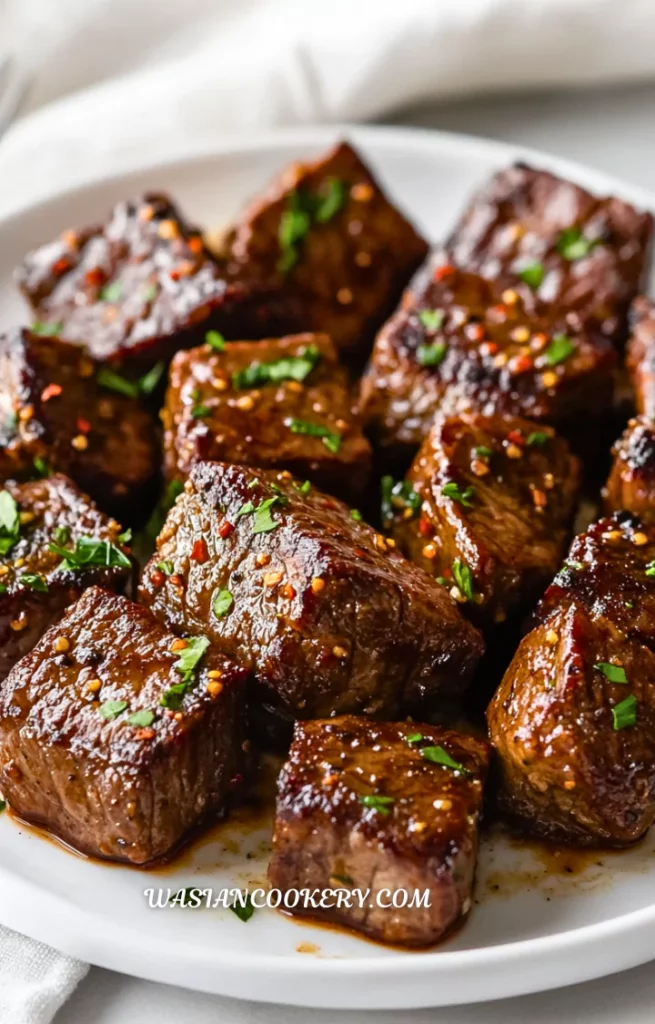
Heat a large heavy skillet over medium-high heat for about 3 minutes, following the pan manufacturer's guidance. Divide the 1 tablespoon olive oil between two batches. Add the first portion of oil and half the steak in a single layer. Sear about 2–3 minutes on the first broad side, turn, and brown the remaining surfaces, allowing roughly 6–8 minutes per batch. Use a thermometer from the side to check the center of the thickest pieces; each piece must reach at least 145°F before leaving the pan. Transfer to a clean plate. Repeat with the remaining oil and steak, adjusting heat if the browned bits begin to burn.
Step 3:
Reduce the heat to medium-low and let the empty skillet cool slightly for about 2 minutes. Add all 4 tablespoons butter. Once melted, stir in all 5 minced garlic cloves and cook for about 30 seconds, stirring until fragrant but not dark brown. If the pan is still too hot, lift it briefly off the burner. Allow about 2 minutes for melting and cooking the garlic.
Step 4:
Stir in the 1 tablespoon lemon juice and 2 tablespoons chopped parsley, plus the optional chili flakes if using. Return both batches of cooked steak and their collected juices to the skillet. Toss gently for about 1 minute to coat in the garlic butter, then remove from the heat. Do not keep simmering the steak in the sauce.
Step 5:
Transfer the coated steak and sauce to a clean serving platter and rest for 5 minutes before eating or further slicing. This includes the required minimum 3-minute rest after reaching 145°F. Serve with rice, potatoes, or vegetables, spooning the garlic butter over each portion.
Notes
- Dry before seasoning: Blot excess surface moisture with paper towels. Wet pieces release steam immediately and take longer to develop browned edges.
- Keep sizes similar: Thin pieces can finish before thick cubes. Check different-sized pieces separately and remove those that have reached temperature.
- Watch the pan: Brown cooking residue can flavor the sauce, but blackened residue tastes bitter. Reduce the heat if the pan starts to smoke heavily.
- Wait before turning: Give the first side time to brown. Constant stirring moves the meat away from the hot surface and makes even coloring harder.
- Lower the heat for butter: Garlic cooks much faster than steak. Let the pan cool slightly before adding the butter, and keep stirring once the garlic goes in.
- Measure the finish early: Lemon and parsley are added quickly, so have them within reach. This prevents the garlic from sitting unattended while you chop.
- Rest before serving: The planned 5-minute rest gives you time to finish the plates and keeps the required safe rest in the actual cooking schedule.
Ingredients You Can Add
- Chili flakes: The optional flakes go into the butter with the lemon and parsley. Add lightly so their heat does not overwhelm the garlic.
- Paprika: A little sweet or smoked paprika can join the steak seasoning. Watch the pan because powdered spices can darken quickly.
- White wine: The optional splash can loosen browned bits after searing. Add it with the pan off the burner, then simmer briefly before the butter; allow extra cooking time.
- Shallots: Finely chopped shallots can soften in the butter before the garlic goes in. They need longer than the garlic, so do not add both at once.
- Parmesan: A light scattering over individual servings adds a salty finish. Taste the steak first before adding more salt to the sauce.
- Mushrooms: Cook them separately until browned, then fold them into the finished steak. Their released moisture should not interfere with searing the beef.
What To Serve
For a soft side that catches the garlic butter, try Texas Roadhouse mashed potatoes. Start them before the steak, then finish the skillet while the potatoes are ready to serve.
A bowl of tomato cucumber salad adds crisp vegetables and a tangy contrast. Keep the salad cold and use a separate spoon so the warm butter stays on the steak plate.
For browned edges alongside the beef, serve air fryer potato wedges. Their soaking and batch cooking need a head start. Plain rice or steamed vegetables also work when you want the skillet sauce to be the strongest flavor.
Recipe Variations And Swaps
- Another steak cut: Ribeye, picanha, or flank are other choices. Trim as needed and cut flank across the grain; cooking time varies with shape and thickness.
- Ghee: Clarified butter gives a different buttery finish. It is still dairy-derived, so it is not an appropriate general substitute for someone avoiding milk.
- Dairy-free version: Choose a suitable dairy-free butter alternative and check its label. Its salt level and melting behavior may differ from unsalted butter.
- Herb change: Cilantro can replace the parsley. Basil, thyme, or oregano are other options, but stronger herbs need a lighter hand.
- Lime finish: Lime juice can take the place of the lemon. White wine vinegar or apple cider vinegar are other tart alternatives with a different flavor.
- Garlic paste: Plain garlic paste can save chopping. Check for added salt and cook gently because a very fine paste can brown faster than minced cloves.
- Grill pan method: Sear the steak in an uncrowded grill pan to 145°F. Make the butter sauce separately in a small saucepan, combine, and rest for 5 minutes; allow pan heating and batches.
- Onion variation: Cook sliced onion separately until softened before combining with the finished dish. This adds preparation and cooking time beyond the main skillet schedule.
How To Store
Refrigerate leftovers promptly in shallow containers at 40°F or below, within 2 hours of cooking or within 1 hour when the temperature is above 90°F. Keep the sauce with the steak and use within 3–4 days. Do not leave the serving platter out until it feels completely cold.
Freeze tightly wrapped portions for up to 2 months for best quality. Thaw in the refrigerator, then reheat gently in a covered skillet with a small splash of water until the steak reaches 165°F. It will cook further during reheating, so expect a firmer texture than the freshly prepared dish.
FAQ
Is this a traditional restaurant recipe?
This is my homemade version of the garlic-butter steak I enjoyed in Rio de Janeiro. The method here uses sirloin pieces and a skillet with garlic butter.
What temperature should the steak reach?
Cook it to at least 145°F before removing it from the heat and rest at least 3 minutes before eating. The method here includes a 5-minute final rest.
Why is there liquid around the steak?
The pan may be crowded, the surface may be wet, or the heat may be too low. Pat the meat dry and use smaller batches so moisture can evaporate.
How do I keep garlic from burning?
Remove the seared steak, lower the heat, and let the skillet cool slightly. Add butter first, then stir the garlic briefly, moving the pan off the burner if needed.
Can I cook all the steak in one batch?
Only if your pan leaves space around every piece. A crowded skillet usually needs two batches for this amount; the published total already allows for them.
Can I cut the steak after cooking?
The main method starts with strips or cubes. If using whole steaks instead, cook to 145°F, rest at least 3 minutes, and slice across the grain; thickness changes the cooking schedule.
Short Description
Garlic Butter Brazilian Steak brings browned sirloin pieces together with fresh garlic, butter, lemon juice, and parsley for an easy skillet dinner.
Garlic Butter Brazilian Steak
Course: MainCuisine: BrazilianDifficulty: Easy4
servings15
minutes25
minutes45
minutesGarlic Butter Brazilian Steak brings browned sirloin pieces together with fresh garlic, butter, lemon juice, and parsley for an easy skillet dinner.
Ingredients
1½ lbs (about 700g) sirloin steak, cut into thick strips or cubes
Salt and black pepper, to taste
1 tbsp olive oil
4 tbsp unsalted butter
5 cloves garlic, minced
1 tbsp fresh lemon juice
2 tbsp chopped parsley
Optional: chili flakes for heat
Directions
- Cut the 1½ pounds sirloin into similar thick strips or roughly one-inch cubes, working across the grain. Pat the pieces dry and season with salt and black pepper. Mince the 5 garlic cloves, measure the 4 tablespoons butter and 1 tablespoon lemon juice, and chop then measure the 2 tablespoons parsley before heating the pan. Keep raw-meat utensils separate from the clean serving platter.
- Heat a large heavy skillet over medium-high heat for about 3 minutes, following the pan manufacturer’s guidance. Divide the 1 tablespoon olive oil between two batches. Add the first portion of oil and half the steak in a single layer. Sear about 2–3 minutes on the first broad side, turn, and brown the remaining surfaces, allowing roughly 6–8 minutes per batch. Use a thermometer from the side to check the center of the thickest pieces; each piece must reach at least 145°F before leaving the pan. Transfer to a clean plate. Repeat with the remaining oil and steak, adjusting heat if the browned bits begin to burn.
- Reduce the heat to medium-low and let the empty skillet cool slightly for about 2 minutes. Add all 4 tablespoons butter. Once melted, stir in all 5 minced garlic cloves and cook for about 30 seconds, stirring until fragrant but not dark brown. If the pan is still too hot, lift it briefly off the burner. Allow about 2 minutes for melting and cooking the garlic.
- Stir in the 1 tablespoon lemon juice and 2 tablespoons chopped parsley, plus the optional chili flakes if using. Return both batches of cooked steak and their collected juices to the skillet. Toss gently for about 1 minute to coat in the garlic butter, then remove from the heat. Do not keep simmering the steak in the sauce.
- Transfer the coated steak and sauce to a clean serving platter and rest for 5 minutes before eating or further slicing. This includes the required minimum 3-minute rest after reaching 145°F. Serve with rice, potatoes, or vegetables, spooning the garlic butter over each portion.
Notes
- Four servings. About 45 minutes includes 15 minutes prep, 25 minutes skillet heating/two searing batches/sauce, and a 5-minute final rest. Additional batches or larger pieces take longer.
- Cook steak to at least 145°F before removing it from the heat, then rest at least 3 minutes. This method gives a 5-minute final rest. A browned outside alone does not establish doneness.
- Use the 1 tablespoon oil across both batches; add all 4 tablespoons butter only after searing. Lower the heat before the garlic to avoid burning it.
- Refrigerate leftovers in shallow containers at 40°F or below within 2 hours, or 1 hour above 90°F. Use within 3–4 days and reheat to 165°F.