Frontier Scallops Recipe
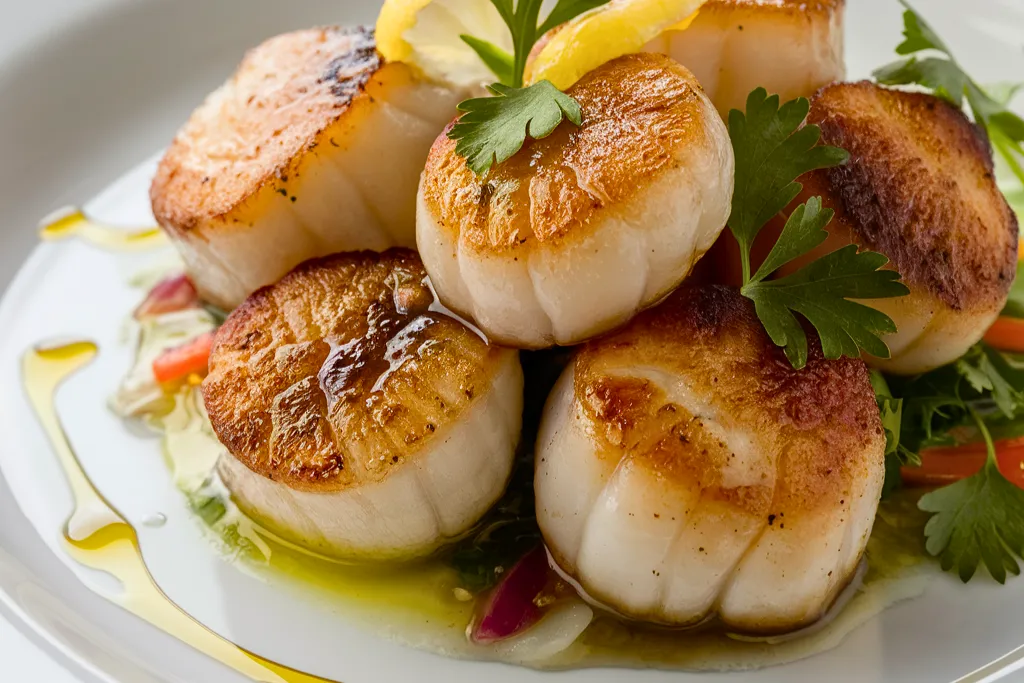
In my kitchen, Frontier Scallops means simply seasoned sea scallops with a golden crust, garlic, lemon, and parsley. I like making this dish at home with my husband, who also enjoys seared scallops. Smoked paprika and thyme give the seafood a warm, savory flavor without turning it into a heavy meal.
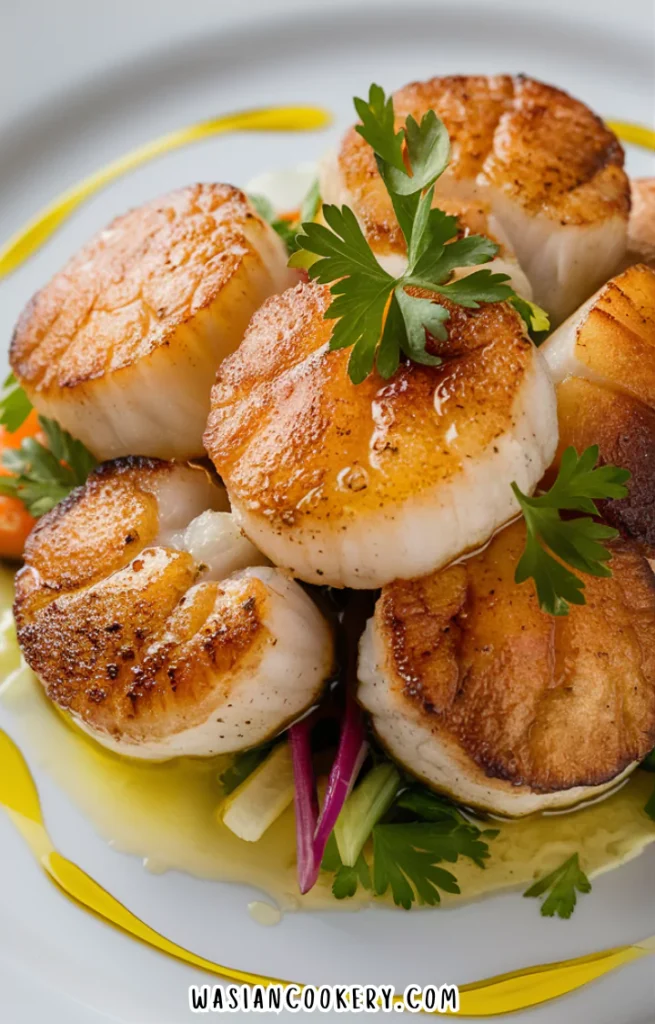
The method is short, but a few details make a big difference. Start with dry scallops, give them room in a hot skillet, and add the garlic near the end so it stays fragrant. A good crust is lovely, and the middle should be cooked until firm, pearly, and opaque throughout.
I enjoy these scallops with roasted asparagus or lemony orzo and sautéed spinach. The recipe makes four modest portions from one pound of seafood, so sides help complete the meal. Have those ready before cooking the scallops, because they are best served as soon as the lemon and parsley go on.
Why This Dish Is Great
- The scallops stay at the center of the dish, with a small group of seasonings that supports their naturally sweet flavor.
- Smoked paprika gives color and a gentle smoky note without needing a grill.
- Garlic goes into the pan late, which helps it flavor the oil without burning during the first sear.
- Lemon juice loosens the rich pan juices after the heat is off and gives the finished plate a bright taste.
- A single skillet handles the cooking, and the short method works well when your side dishes are already prepared.
- The finished portions feel special enough for a dinner with company while using straightforward ingredients and simple steps.
What Are the Best Scallops to Use?
Choose large sea scallops rather than tiny bay scallops for this searing method. Look for similar sizes so one piece does not overcook while another is still underdone. Dry-packed scallops, without added water or a soaking solution, tend to brown more readily. If the label is unclear, ask the seafood counter what has been added.
Fresh scallops should smell mild and clean, not sour or strongly fishy. Keep raw scallops refrigerated at 40°F or below and cook within 1–2 days, or freeze them. Thaw frozen scallops in the refrigerator according to the package directions. Drain and pat them thoroughly dry before seasoning; this recipe’s timing does not apply to scallops that are still frozen inside.
Ingredients
- 1 pound sea scallops
- 2 tablespoons olive oil
- 2 cloves garlic, minced
- 1 teaspoon smoked paprika
- 1/2 teaspoon dried thyme
- Salt and black pepper to taste
- 1 tablespoon fresh lemon juice
- 2 tablespoons chopped fresh parsley (for garnish)
Use smoked paprika for the flavor described here, and keep the dried thyme measured so it does not overwhelm the seafood. Mince the garlic finely enough to cook quickly in its brief time in the pan. The parsley is a fresh garnish, so chop it before cooking and add it at the end rather than letting it darken in hot oil.
Kitchen Equipment You Will Need
As an Amazon Associate I earn from qualifying purchases.
- Large heavy skillet
- Small mixing bowl
- Measuring spoons
- Mixing spoon
- Chef’s knife
- Cutting board
- Kitchen tongs
- Instant-read thermometer
- Paper towels
- Serving plates
- Microwave-safe dish
- Shallow storage containers
How To Make Frontier Scallops
Step 1
Use fully thawed sea scallops. Remove the small, tough side muscle from any scallop that still has one attached, then pat all sides dry with paper towels. Keep the scallops refrigerated until you are ready to cook. Mince the garlic and chop the parsley before heating the skillet.
Step 2
In a small bowl, combine the smoked paprika, dried thyme, salt, and black pepper. Sprinkle the mixture evenly over the scallops just before cooking. If cooking in batches, season only the batch that is about to go into the pan.
Step 3
Heat the olive oil in a large, heavy skillet over medium-high heat until shimmering but not smoking. Use a skillet large enough to leave space around the scallops. If you need two batches, divide the measured oil and garlic between them rather than adding extra oil for each batch.
Step 4
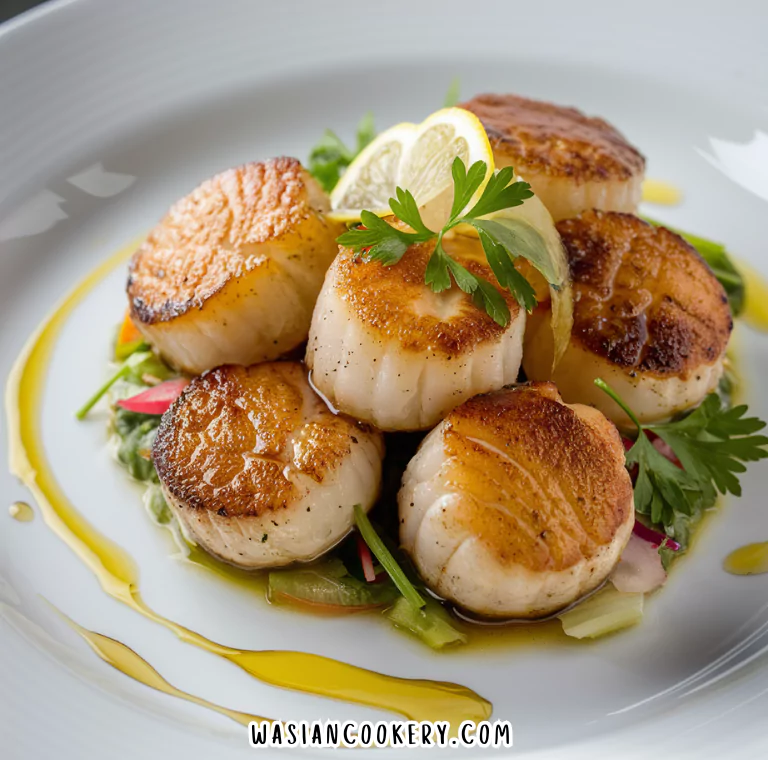
Add the scallops to the skillet in a single layer, leaving gaps between them. Sear for about 2–3 minutes on the first side without moving them, then turn with tongs and cook about 2–3 minutes on the second side. They should be golden outside and firm, pearly, and opaque all the way through, with no translucent center. If a thermometer can reach the center of a large scallop, check for 145°F (63°C). Size and pan heat affect the timing; continue cooking as needed to reach these doneness cues.
Step 5
During the last minute on the second side, lower the heat to medium and add the minced garlic to the oil between the scallops. Stir the garlic gently until fragrant without scraping away the scallops’ crust. Lower the heat further if the garlic or paprika darkens too quickly. If cooking in batches, use only that batch’s share of garlic and transfer finished scallops to a clean plate.
Step 6
Remove the skillet from the heat and drizzle the cooked scallops with the fresh lemon juice. For multiple batches, divide the measured lemon juice among the cooked portions. Spoon the garlicky pan juices over the scallops, avoiding any scorched bits.
Step 7
Sprinkle the chopped parsley over the scallops and serve immediately. Divide the pound of scallops into four modest servings with sides. The approximate 18-minute schedule allows 10 minutes of preparation and 8 minutes for heating the pan and cooking one batch; allow extra time for additional batches or unusually large scallops.
Notes
- Dry every surface before seasoning. Visible moisture causes steaming and makes a golden crust harder to develop, especially with previously frozen seafood.
- Season immediately before cooking. Leaving salted scallops sitting for a long time can draw more moisture to the surface.
- Heat the oil until it shimmers, but do not let it smoke heavily. Excessive heat can burn the paprika before the center has time to cook.
- Leave the scallops alone during the first sear. When a crust develops, they usually release more easily; pulling too soon can tear the surface.
- Work in batches if the scallops would touch. Keep the remaining raw scallops chilled and divide the original oil and garlic between batches.
- If the surface is dark but the middle is still translucent, lower the heat and continue cooking. Brown color alone is not a doneness test.
- Wash hands, utensils, and preparation surfaces after raw seafood contact. Move cooked scallops to a clean plate, never back to an unwashed raw-seafood plate.
Ingredients You Can Add
These are optional finishing touches for individual servings. Start lightly so the scallops’ flavor remains clear and the measured main recipe stays easy to follow.
- Chopped chives add a gentle onion note after cooking.
- A little chopped dill brings a fresh herbal flavor beside the parsley.
- Crushed red pepper gives the finished plate a touch of heat.
- Drained capers add a tangy bite; taste before adding more salt.
- Diced fresh tomato adds a cool, juicy contrast on the side.
- A small spoonful of plain yogurt makes a cool accompaniment beside the warm scallops.
What To Serve With Frontier Scallops
Lemon garlic orzo and sautéed spinach are favorite partners for these scallops. If you want a side that can be prepared first, lemon orzo salad with feta brings a bright flavor and leaves you free to watch the skillet.
For a creamier plate, spoon the scallops and their juices beside Texas Roadhouse mashed potatoes. Roasted asparagus or grilled zucchini adds a vegetable without competing with the garlic and lemon.
For something cool and crunchy, try Bonefish Grill coleslaw. Serve it alongside rather than underneath the scallops so the dressing does not soften the crust. A tomato basil salad is another simple choice when you want a lighter plate.
Variations and Swaps
- Use fresh scallops when available, keeping them properly chilled until the pan is ready.
- Use frozen sea scallops after a full refrigerator thaw; dry the surface again if moisture gathers while preparing the seasonings.
- Choose slightly smaller sea scallops for more pieces per serving, but begin checking sooner because they cook faster.
- Use regular paprika instead of smoked paprika for a milder version, keeping the same measured amount.
- For a stronger herbal finish, add one of the optional fresh herbs after cooking rather than increasing the dried thyme.
- Serve the scallops over plain cooked rice to catch the lemon and garlic juices.
- Pair them with a prepared green salad when you want a quick meal without a second hot side.
- Divide the finished batch among smaller appetizer plates when serving it before another course; the four-serving card describes the main-dish portions with sides.
Storage
Scallops are best just cooked, but leftovers can be refrigerated safely. Put them in shallow, covered containers within 2 hours, or within 1 hour if the surrounding temperature is above 90°F. Keep the refrigerator at 40°F or below and use within 3 days. Do not leave them on the counter until completely cool, and store cold side dishes separately.
For longer keeping, freeze cooled, promptly refrigerated portions in airtight containers and use within a month for best texture. Thaw in the refrigerator. Reheat covered in a microwave-safe dish in short intervals, turning the scallops for even heating, until the center reaches 165°F. They may become firmer when reheated, so freshly cooked scallops give the most tender result.
FAQ
How do I know when scallops are cooked?
The flesh should be firm, pearly, and opaque throughout. A translucent center needs more cooking. For a large scallop that can hold a thermometer probe, check the center for 145°F as well as looking at the texture.
Why did my scallops steam instead of sear?
They may have been wet, crowded, or placed in oil that was not hot enough. Pat them dry and cook fewer at a time. Do not keep cooking already-done scallops just to chase a darker crust.
Can I prepare anything in advance?
Yes. Measure the seasonings, mince the garlic, chop the parsley, and prepare the side dishes. Keep the scallops chilled and wait to season and sear them until shortly before serving.
Can I use bay scallops?
They are much smaller and need a different cooking approach and shorter timing. Large sea scallops are the intended choice here, so do not apply the full searing window to tiny bay scallops.
Why does the garlic taste bitter?
It probably browned too far in the hot pan. Add it only during the last minute, reduce the heat, and stir it in the oil between the scallops. Skip any scorched bits when spooning over the juices.
Is this a restaurant copycat recipe?
This is the site’s home-style Frontier Scallops recipe, built around smoked paprika, thyme, garlic, and lemon. It is not presented as an official restaurant formula, and the seasoning amounts listed here define this version.
Short Description
Frontier Scallops are sea scallops seared with smoked paprika and thyme, then finished with garlic, fresh lemon juice, and parsley. Cook until firm, pearly, and opaque throughout. One pound makes four modest servings with sides in about 18 minutes for one batch.
Frontier Scallops Recipe
Course: MainCuisine: AmericanDifficulty: Easy4
servings10
minutes8
minutes18
minutesFrontier Scallops are sea scallops seared with smoked paprika and thyme, then finished with garlic, fresh lemon juice, and parsley. Cook until firm, pearly, and opaque throughout. One pound makes four modest servings with sides in about 18 minutes for one batch.
Ingredients
1 pound sea scallops
2 tablespoons olive oil
2 cloves garlic, minced
1 teaspoon smoked paprika
1/2 teaspoon dried thyme
Salt and black pepper to taste
1 tablespoon fresh lemon juice
2 tablespoons chopped fresh parsley (for garnish)
Directions
- Use fully thawed sea scallops. Remove the small, tough side muscle from any scallop that still has one attached, then pat all sides dry with paper towels. Keep the scallops refrigerated until you are ready to cook. Mince the garlic and chop the parsley before heating the skillet.
- In a small bowl, combine the smoked paprika, dried thyme, salt, and black pepper. Sprinkle the mixture evenly over the scallops just before cooking. If cooking in batches, season only the batch that is about to go into the pan.
- Heat the olive oil in a large, heavy skillet over medium-high heat until shimmering but not smoking. Use a skillet large enough to leave space around the scallops. If you need two batches, divide the measured oil and garlic between them rather than adding extra oil for each batch.
- Add the scallops to the skillet in a single layer, leaving gaps between them. Sear for about 2–3 minutes on the first side without moving them, then turn with tongs and cook about 2–3 minutes on the second side. They should be golden outside and firm, pearly, and opaque all the way through, with no translucent center. If a thermometer can reach the center of a large scallop, check for 145°F (63°C). Size and pan heat affect the timing; continue cooking as needed to reach these doneness cues.
- During the last minute on the second side, lower the heat to medium and add the minced garlic to the oil between the scallops. Stir the garlic gently until fragrant without scraping away the scallops’ crust. Lower the heat further if the garlic or paprika darkens too quickly. If cooking in batches, use only that batch’s share of garlic and transfer finished scallops to a clean plate.
- Remove the skillet from the heat and drizzle the cooked scallops with the fresh lemon juice. For multiple batches, divide the measured lemon juice among the cooked portions. Spoon the garlicky pan juices over the scallops, avoiding any scorched bits.
- Sprinkle the chopped parsley over the scallops and serve immediately. Divide the pound of scallops into four modest servings with sides. The approximate 18-minute schedule allows 10 minutes of preparation and 8 minutes for heating the pan and cooking one batch; allow extra time for additional batches or unusually large scallops.
Notes
- Cook scallops until firm, pearly, and opaque throughout; do not leave a translucent center. Check 145°F (63°C) in a large scallop when a thermometer fits.
- The 18-minute estimate covers one batch, including pan heating. Allow extra time if the skillet is too small for all the scallops.