Faidley’s Crab Cakes Recipe
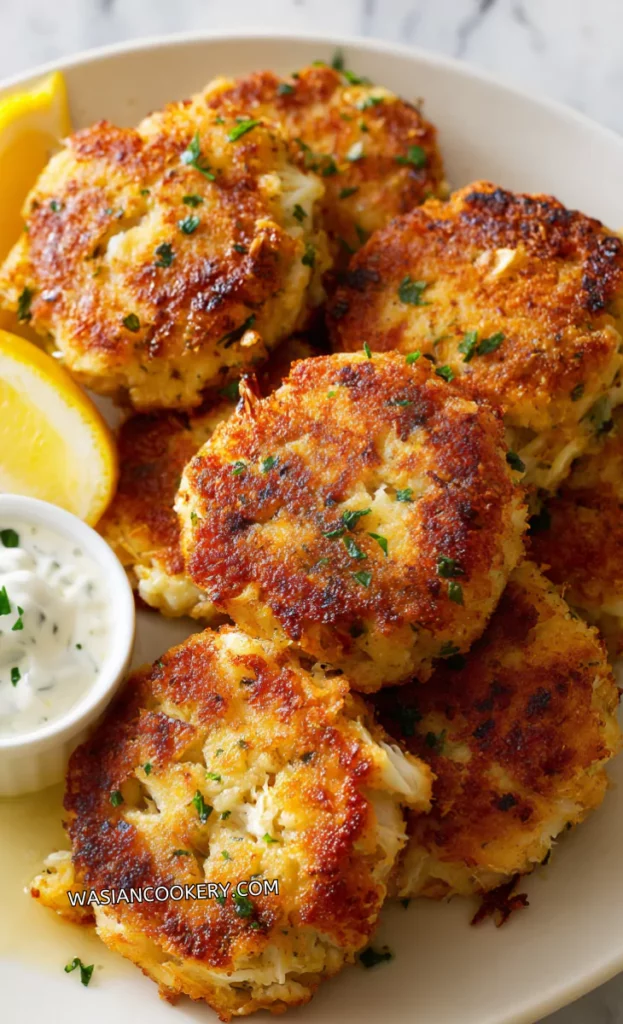
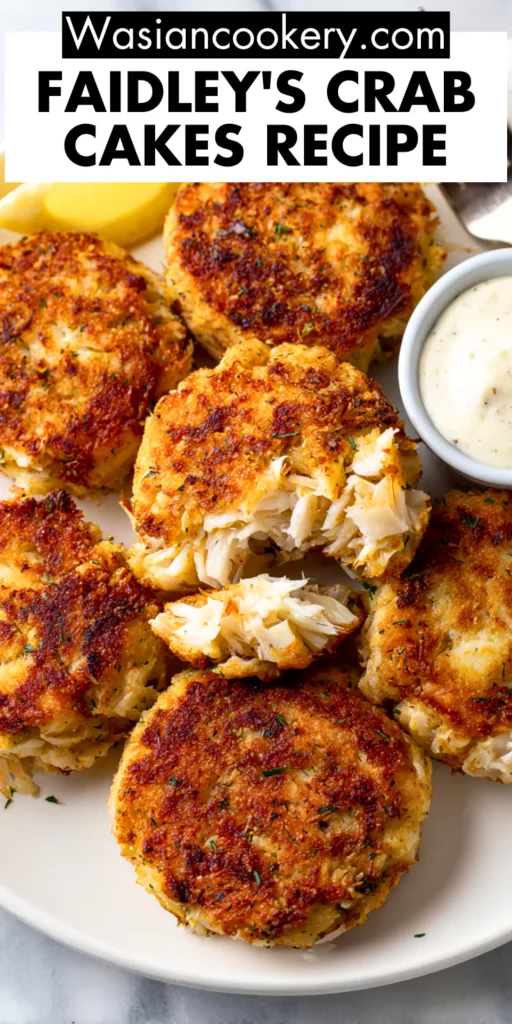
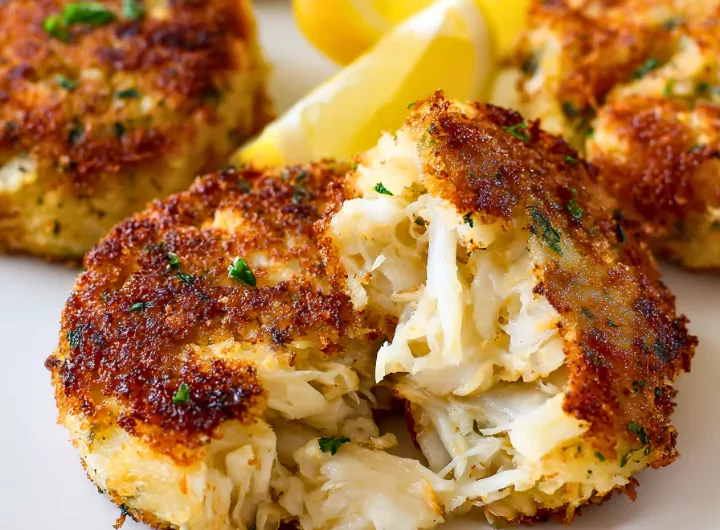
I love crab cakes with a crisp outside and tender pieces of crab inside. This homemade, Faidley’s-inspired version uses jumbo lump crab, crushed saltines, mayonnaise, mustard, and a little Worcestershire sauce for a savory Maryland-style bite.
I have eaten crab cakes at the original Faidley’s counter in Baltimore, where the busy market atmosphere is part of the experience. That memory inspired this home version. It is not an official restaurant recipe or a claim to reproduce their exact formula.
The mixture makes six crab cakes. Allow about 80 minutes, including 20 minutes of preparation, a necessary 30-minute refrigerator chill, and approximately 30 minutes to heat the pan and cook in two batches. Gentle handling matters more than perfectly round edges.
Why This Dish Is Great
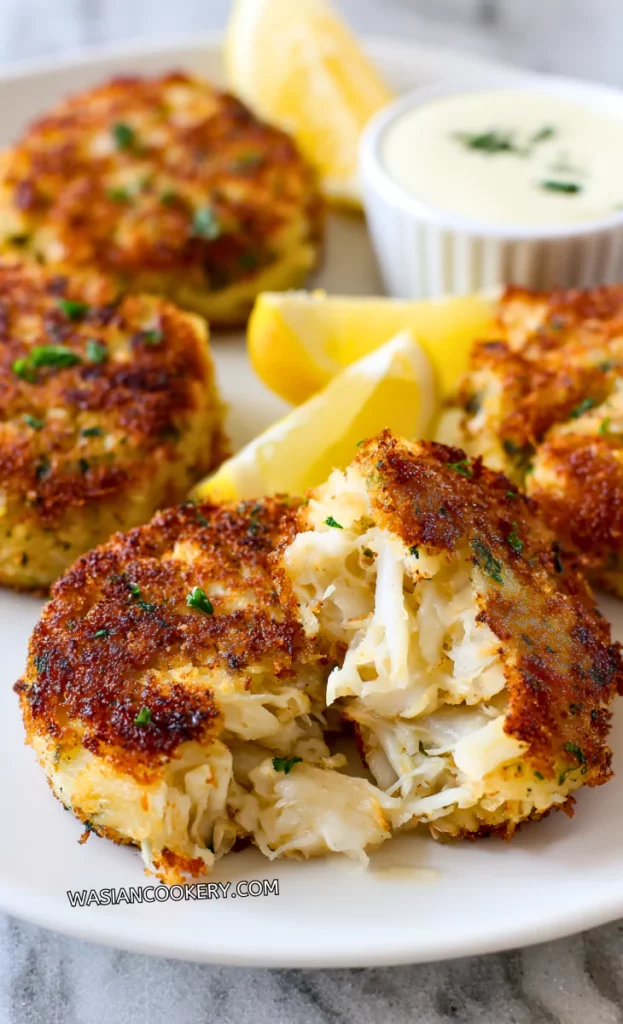
- Jumbo lump crab gives the cakes distinct, tender pieces, making the main ingredient easy to taste in each bite.
- Saltines, egg, and mayonnaise help hold the mixture together without turning it into a smooth paste.
- The seasoning list stays short, and the optional hot sauce lets you choose a gentle amount of heat.
- Shaping before chilling makes the cakes easier to lift into the pan when it is time to cook.
- Six equal portions work as a main dish with sides or as part of a larger seafood meal.
Choosing The Best Crab Meat
Use cooked jumbo lump crab meat, either fresh from a reliable seafood counter or refrigerated pasteurized crab. Keep it cold and check the package storage instructions. Drain excess liquid gently, then pick through the meat for shell and cartilage without squeezing apart the large pieces.
Lump crab is also usable, although the finished texture will be finer. Claw meat is stronger in flavor and darker in color; it is not automatically poor quality. Shelf-stable canned crab gives a different result and should be well drained, without any promise of matching jumbo lump.
Ingredients
- 1 lb jumbo lump crab meat, carefully picked over
- 1 cup crushed Saltine crackers
- ½ cup mayonnaise
- 1 large egg, beaten
- 1 tablespoon Dijon mustard
- 1 tablespoon Worcestershire sauce
- A dash of Tabasco sauce (optional, for a gentle kick)
- Vegetable oil for frying, or clarified butter/olive oil for sautéing
Measure the saltines after crushing them. Use the full cup of crushed crackers, then let the shaped cakes chill so the crumbs can absorb the wet binder before cooking. Lemon and sauces are optional serving accompaniments.
Kitchen Equipment You Will Need
As an Amazon Associate I earn from qualifying purchases.
- Large mixing bowl
- Medium mixing bowl
- Whisk
- Rubber spatula
- Rolling pin
- Resealable food bags
- Measuring cups
- Measuring spoons
- Large skillet
- Wide slotted spatula
- Food thermometer
- Shallow tray
- Paper towels
- Rimmed baking sheet
How To Make Faidley’s-Inspired Crab Cakes
The 80-minute estimate includes the 30-minute chill and two pan batches. Larger cakes, a small skillet, or a slow-heating stove may need longer; check the center temperature instead of relying on browning.
Step 1
Pick through the 1 lb cooked jumbo lump crab with clean fingers, removing shell or cartilage while keeping the lumps intact. Gently drain any excess liquid and put the crab in a large bowl.
Step 2
In a separate bowl, whisk all the mayonnaise, beaten egg, Dijon mustard, and Worcestershire sauce until evenly combined. Add the optional dash of Tabasco if desired. Keep the mixture chilled if you need to pause.
Step 3
Pour the wet mixture over the crab. Sprinkle the full 1 cup crushed saltines over the top so the crumbs are distributed rather than sitting in one dense pile.
Step 4
Fold with a rubber spatula until the binder reaches all the crab. Use broad, gentle turns and stop once combined; do not mash the meat or force the mixture into a paste.
Step 5
Divide into 6 equal portions and gently shape patties about 3 inches wide and 1 inch thick. Portions are approximate, so divide the whole mixture evenly instead of forcing an exact scoop volume. Place on a shallow tray.
Step 6
Cover the shaped cakes and refrigerate for at least 30 minutes. Keep them chilled until the pan is ready. This rest lets the cracker crumbs absorb moisture and helps the cakes hold together.
Step 7
For shallow frying, heat about ¼ inch vegetable oil in a large skillet over medium heat, aiming for approximately 350°F. For sautéing, use a thin, even coating of the listed clarified butter or olive oil over moderate heat.
Step 8
Cook in two batches without crowding. Allow about 4–6 minutes on the first side, then turn gently and cook 4–6 minutes on the second. Insert a food thermometer from the side into the center: the egg-containing mixture must reach at least 160°F. Lower the heat and continue if browned before the center is ready.
Step 9
Transfer cooked cakes to a paper towel-lined plate briefly to drain. Let the pan return to cooking temperature before adding the second batch. Use the wide spatula to support each cake rather than squeezing it with tongs.
Step 10
Serve while hot, with optional lemon wedges, tartar sauce, or remoulade. Coleslaw, French fries, or a simple salad can sit alongside. The crust is at its crispest soon after cooking.
Notes
- Pick over the crab even when the container says it has been checked; small shell fragments can remain between the lumps.
- Crush saltines in a sealed bag with a rolling pin. Aim for small crumbs, then measure the required cup.
- Drain watery crab before mixing. Extra moisture can make the cakes spread and break during the first turn.
- Do not skip chilling or add extra crackers automatically. Give the measured crumbs time to absorb the wet binder first.
- Lower each cake into the pan away from you to reduce splashing. Keep water and wet utensils away from hot oil.
- Wait for the first crust to set before turning. Slide the spatula fully underneath and support the cake as you lift.
- Check temperature in more than one cake, especially if their thickness varies. A golden surface does not prove the egg mixture is cooked.
Ingredients You Can Add
- Old Bay seasoning adds a familiar seafood flavor. Add lightly because the crackers and Worcestershire already contribute salt.
- Finely chopped fresh parsley adds color without needing a large handful that changes the mixture’s balance.
- Lemon zest gives a bright citrus note. Use the colored outer peel and avoid the bitter white layer.
- Finely diced bell pepper adds a little crunch. Keep pieces small so they do not split the cakes.
- Dry sherry is an optional alternative flavor to Worcestershire. It changes the seasoning and is not an alcohol-free swap.
- A light panko coating can add an extra crisp exterior. Press it on gently rather than kneading it into the crab.
What To Serve
Cool, crunchy Dinosaur Barbeque-inspired coleslaw makes a useful contrast to the warm cakes. Prepare its chilling time ahead, then keep it cold until the meal is ready.
A spoonful of homemade tartar sauce or a lemon wedge complements the crab. Serve sauce on the side so the crisp crust stays dry until each person takes a bite.
For a lighter plate, add tomato cucumber salad, simple greens, or sliced summer tomatoes. Corn on the cob, rice pilaf, or biscuits are other options when you want a more filling dinner.
Recipe Variations And Swaps
- Gluten-free crackers: use crushed gluten-free crackers in place of saltines and check every condiment label. Texture varies by brand; almond flour is not an equal-function substitute here.
- Baked cakes: brush lightly with the listed oil and bake on a greased tray at 375°F. Begin checking around 15 minutes, allowing roughly 20–25 minutes or longer to reach 160°F; browning differs from frying.
- Mini appetizers: divide into 12 smaller cakes. Start checking after about 3 minutes per side, but continue until their centers reach 160°F rather than treating that time as a guarantee.
- Spicy Cajun-style cakes: add modest amounts of cayenne, paprika, and finely chopped jalapeño. Keep wet hot sauce additions small to avoid loosening the binder.
- Crab and fish cakes: this budget option replaces up to half the crab with mild white fish. Use cooked, cooled, flaked cod, check for bones, and cook the mixed cakes to 160°F.
- Lump-crab version: choose regular lump instead of jumbo lump if needed. Fold just as gently; the cakes will contain smaller pieces.
- Sautéed version: use the listed clarified butter or olive oil as a thin pan coating. Moderate heat helps the center cook before the surface becomes too dark.
- Sandwich serving: place a cooked cake in a soft bun with lettuce and sauce. Add the sauce at the table to keep the bread from becoming soggy.
How To Store
Keep uncooked shaped cakes covered in the refrigerator at 40°F or below and cook within 24 hours, or sooner if the crab’s package instructions require it. Refrigerate cooked leftovers in shallow containers within two hours, or within one hour above 90°F, and use within two days for this recipe.
Freeze shaped uncooked cakes on a tray, then transfer to a freezer container for up to three months for quality. Thaw overnight in the refrigerator before cooking to 160°F; do not rely on a small extra frying time from frozen. Reheat cooked leftovers to 165°F. Freezing cooked cakes is possible, but their texture can become softer.
FAQ
Is this Faidley’s official recipe?
No. This is a homemade, restaurant-inspired version. It brings together jumbo lump crab and a saltine binder for a Maryland-style crab cake; it is not the restaurant’s official formula.
Why do the cakes fall apart?
Common causes include excess moisture, rough mixing, too little chilling, or turning before a crust forms. Handle them gently and support their full width with a spatula.
Is the crab raw when I buy it?
This recipe uses cooked picked crab meat. Read the label or ask the seafood counter. Raw crab requires separate preparation and is not a direct substitute in these instructions.
Can I leave out the egg?
The egg is part of the binding formula. Leaving it out changes how the cakes hold together, so use a recipe developed for an egg-free binder if that is needed.
Can I chill the cakes longer?
Yes, up to 24 hours within the crab’s storage limit. Keep them covered and refrigerated. Very cold cakes may take longer in the pan, so check the center.
Why is the crust dark but the center cool?
The pan is too hot for the cake’s thickness. Reduce the heat and continue gently until the center reaches 160°F. Keep the patties evenly shaped next time.
Short Description
These homemade Faidley’s-inspired crab cakes combine cooked jumbo lump crab, saltines, mayonnaise, egg, and savory seasonings, then chill before gentle pan-frying.
Faidley’s Crab Cakes Recipe
Course: AppetizersCuisine: AmericanDifficulty: Easy6
crab cakes20
minutes30
minutes1
hour20
minutesThese homemade Faidley’s-inspired crab cakes combine cooked jumbo lump crab, saltines, mayonnaise, egg, and savory seasonings, then chill before gentle pan-frying.
Ingredients
1 lb jumbo lump crab meat, carefully picked over
1 cup crushed Saltine crackers
½ cup mayonnaise
1 large egg, beaten
1 tablespoon Dijon mustard
1 tablespoon Worcestershire sauce
A dash of Tabasco sauce (optional, for a gentle kick)
Vegetable oil for frying, or clarified butter/olive oil for sautéing
Directions
- Pick through the 1 lb cooked jumbo lump crab with clean fingers, removing shell or cartilage while keeping the lumps intact. Gently drain any excess liquid and put the crab in a large bowl.
- In a separate bowl, whisk all the mayonnaise, beaten egg, Dijon mustard, and Worcestershire sauce until evenly combined. Add the optional dash of Tabasco if desired. Keep the mixture chilled if you need to pause.
- Pour the wet mixture over the crab. Sprinkle the full 1 cup crushed saltines over the top so the crumbs are distributed rather than sitting in one dense pile.
- Fold with a rubber spatula until the binder reaches all the crab. Use broad, gentle turns and stop once combined; do not mash the meat or force the mixture into a paste.
- Divide into 6 equal portions and gently shape patties about 3 inches wide and 1 inch thick. Portions are approximate, so divide the whole mixture evenly instead of forcing an exact scoop volume. Place on a shallow tray.
- Cover the shaped cakes and refrigerate for at least 30 minutes. Keep them chilled until the pan is ready. This rest lets the cracker crumbs absorb moisture and helps the cakes hold together.
- For shallow frying, heat about ¼ inch vegetable oil in a large skillet over medium heat, aiming for approximately 350°F. For sautéing, use a thin, even coating of the listed clarified butter or olive oil over moderate heat.
- Cook in two batches without crowding. Allow about 4–6 minutes on the first side, then turn gently and cook 4–6 minutes on the second. Insert a food thermometer from the side into the center: the egg-containing mixture must reach at least 160°F. Lower the heat and continue if browned before the center is ready.
- Transfer cooked cakes to a paper towel-lined plate briefly to drain. Let the pan return to cooking temperature before adding the second batch. Use the wide spatula to support each cake rather than squeezing it with tongs.
- Serve while hot, with optional lemon wedges, tartar sauce, or remoulade. Coleslaw, French fries, or a simple salad can sit alongside. The crust is at its crispest soon after cooking.
Notes
- Homemade Faidley's-inspired version, not an official restaurant recipe. Chill the shaped cakes so the saltines have time to absorb the binder.
- Total 80 minutes includes 20 minutes preparation, at least 30 minutes chilling, and approximately 30 minutes heating and two-batch cooking; allow longer if needed.
- Use cooked picked crab. Because the mixture contains raw egg, cook each cake to at least 160°F in the center; reheat cooked leftovers to 165°F.
- Thaw frozen uncooked cakes overnight in the refrigerator before cooking. Serve sauces and lemon as optional accompaniments.