On the Border Salsa Recipe
I love the bright, zesty flavor of this homemade On the Border salsa. Tomatoes and lime bring tang, onion and garlic add savory flavor, and cilantro keeps everything fresh. This restaurant-inspired version is easy to make with a food processor and a few simple ingredients.
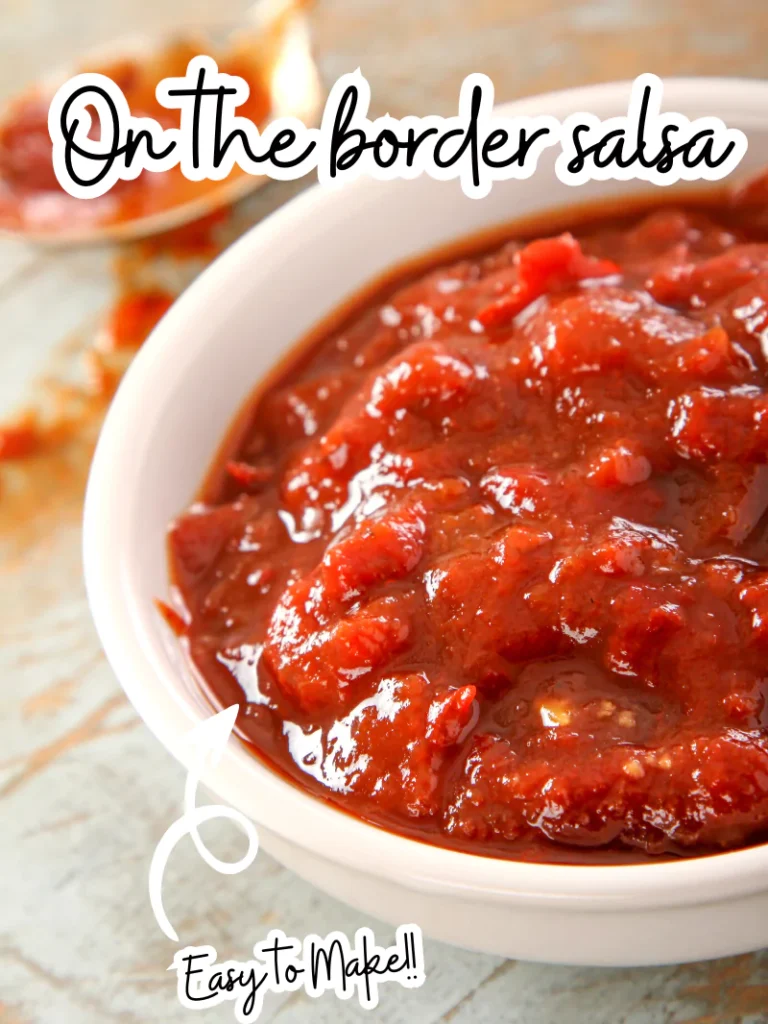
Since I shared the Uncle Julio’s salsa recipe, another tomato salsa felt like a lovely addition to the table. This one combines canned tomatoes with a fresh Roma tomato, plus jalapeno, cumin, and a little cayenne for a warm, lively finish.
You can enjoy it as a dip with tortilla chips or use it as a topping for tacos, nachos, quesadillas, and grilled meats. Allow about 10 minutes to prepare it and at least 30 minutes to chill. That short rest gives the flavors time to come together.
Why This Dish Is Great
- No stove needed: Everything comes together in the food processor, which makes this a convenient side when the rest of dinner is already cooking.
- A balanced tomato base: Canned tomatoes provide a dependable foundation, while the fresh Roma tomato adds a lighter, fresh flavor.
- Easy texture control: Short pulses let you choose a chunky dip or a finer salsa without changing the ingredients.
- Useful beyond chips: A spoonful adds brightness to rice bowls, scrambled eggs, grilled vegetables, and cheesy dishes.
- A small batch: The recipe makes about 2 cups, with the exact volume depending on the tomato and how thoroughly you drain the can.
- Simple advance preparation: Make it earlier in the day and keep it covered in the refrigerator until you are ready to serve.
What Is the Best Tomato for This Salsa?
Use the canned diced tomatoes and fresh Roma tomato together for the intended flavor and texture. Choose plain canned tomatoes so Italian herbs or other added seasonings do not compete with the cumin and cilantro. Drain the liquid before blending; there is no need to rinse the tomatoes.
Look for a ripe Roma tomato that feels firm with a little give, with no mold or damaged patches. Roma tomatoes are useful here because their flesh gives the salsa body. A very soft, watery tomato can make the finished dip thin. Rinse the tomato before cutting it, remove the stem core, and cut it into chunks so it processes evenly.
Ingredients
- 1 can (14 ounce) diced tomatoes
- 1 large Roma tomato
- 1 medium garlic clove
- 1/4 white onion
- 1 jalapeno pepper
- 1/4 teaspoon cayenne
- 1/2 teaspoon ground cumin
- 2 teaspoons jalapeno juice
- 1/2 teaspoon sugar
- 1/4 cup fresh cilantro
- 1 tablespoon fresh lime juice
- 1/2 teaspoon salt
For the jalapeno juice, use the liquid from a jar of pickled jalapenos. It contributes a little tang and heat without replacing the fresh pepper. Measure the cilantro after discarding any wilted leaves and tough stems. The sugar rounds out the tomato flavor; this small amount should not turn the salsa into a sweet dip.
Kitchen Equipment You Will Need
As an Amazon Associate I earn from qualifying purchases.
- Food processor
- Cutting board
- Chef’s knife
- Can opener
- Fine mesh strainer
- Measuring cups
- Measuring spoons
- Silicone spatula
- Food-safe gloves
- Airtight container
- Serving bowl
- Serving spoon
How To Make On the Border Salsa
Step 1: Wash and Prepare
Wash your hands and start with a clean board, knife, and food processor. Rinse the Roma tomato, jalapeno, cilantro, and lime under running water, then dry them. Peel the garlic and onion. Cut the tomato and the measured quarter of onion into manageable pieces; do not accidentally add a whole onion.
Step 2: Prepare the Jalapeno
Wear food-safe gloves when cutting the pepper, and avoid touching your face. Remove the stem. For a gentler salsa, remove the pale inner ribs and seeds; leave more of the ribs for a hotter result. Chop the pepper into a few pieces. Keep in mind that individual peppers vary in heat, and the cayenne adds warmth too.
Step 3: Drain and Combine
Drain the canned diced tomatoes in a fine mesh strainer and transfer them to the processor. Add the Roma tomato, garlic, onion, and prepared jalapeno. Sprinkle in the cayenne, cumin, sugar, and salt, then add the jalapeno juice, cilantro, and measured fresh lime juice.
Step 4: Pulse the Salsa
Secure the lid and use short pulses, checking between them. Stop when the onion and pepper are finely chopped and the tomatoes form a spoonable salsa. For a chunkier version, stop sooner; for a smoother consistency, pulse a little more. Switch the processor off before opening it or scraping down the bowl, and keep the spatula away from the blade.
Step 5: Check the Texture
Spoon a little into a clean dish to taste. The salsa should taste tangy and savory, with small vegetable pieces rather than large chunks of raw garlic or onion. If you find any large pieces, pulse briefly again. Avoid running the processor continuously, which can make the mixture foamy and thinner than you intended.
Step 6: Chill
Transfer the salsa to an airtight container, cover, and refrigerate for at least 30 minutes. The recipe needs no cooking. The 40-minute total includes 10 minutes of preparation and this minimum chilling time; a longer refrigerator rest simply means a later serving time.
Step 7: Stir and Serve
Stir the chilled salsa before transferring a small portion to a serving bowl. A little liquid separation is normal. Taste it with the tortilla chips or food you plan to serve, since salty chips change how the seasoning comes across. Keep the remaining salsa covered and cold until needed.
Step 8: Put Leftovers Away
Use a clean serving spoon, and promptly return the remaining salsa to the refrigerator. Do not pour salsa from a shared dipping bowl back into the untouched batch. Label the container with the preparation date so it is easy to use while fresh.
Notes
- Drain the canned tomatoes well before blending. Starting with less loose liquid gives you better control than trying to thicken a watery salsa afterward.
- Cut the onion and garlic into smaller pieces before processing if your machine tends to leave large pieces against the sides.
- Dry the washed cilantro. Water clinging to the leaves can thin the salsa, especially when combined with a juicy tomato.
- Use pulses instead of a long blending cycle. Stop as soon as the vegetables are evenly chopped to preserve some texture.
- Give the salsa its full chilling time before deciding how the flavors fit together. Raw onion and garlic can seem especially strong immediately after processing.
- For a party, bring out a small serving bowl and refill it with chilled salsa as needed. This keeps most of the batch cold.
- Keep additions separate from the main batch at first. You can try a different flavor in one portion without changing all of the salsa.
Ingredients You Can Add
These are optional serving ideas for a small portion after you have made the original recipe. They are not required ingredients, and the plain tomato salsa is delicious on its own.
- Diced avocado: Fold it in just before serving for a creamy contrast, handling it gently so it stays in pieces.
- Cooked corn: Stir in cooled, drained kernels for little pops of sweetness and a chunkier dip.
- Black beans: Add rinsed, well-drained cooked beans to turn a portion into a more substantial topping.
- Diced cucumber: Remove the watery seed center first, then add small pieces for fresh crunch.
- Chopped mango: Use ripe, firm pieces for a fruity version, keeping this separate from the traditional tomato batch.
- Green onion: Thinly sliced green tops make a gentle onion garnish when you want a little extra color.
What To Serve With On the Border Salsa
Classic tortilla chips are an easy place to start. I also like the contrast between tangy salsa and creamy cheese quesadillas. Serve CookOut quesadilla sauce in a separate bowl when you want another dipping option alongside the salsa.
For a heartier meal, spoon the salsa onto tacos or set it beside burritos and rice bowls. It is also fantastic over nachos, where the tomato and lime brighten the melted cheese. Add it just before eating so the chips underneath keep their crunch.
For grilled chicken, steak, or vegetables, offer the salsa as a cool condiment on the side. Pair it with grilled corn salad for a colorful cookout spread. Keeping the salsa separate lets everyone choose how much heat and tang to add to their plate.
Variations and Swaps
- Chunkier texture: Use fewer pulses, checking that the garlic and onion are still chopped finely enough to eat comfortably.
- Smoother texture: Add a few more short pulses rather than leaving the processor running for a long stretch.
- Gentler pepper flavor: Remove the jalapeno ribs and seeds while keeping the one-pepper amount. The cayenne will still contribute heat.
- More jalapeno heat: Leave the inner ribs in the measured pepper. This changes the heat without requiring an additional pepper.
- Smoky tomato flavor: Try plain fire-roasted canned diced tomatoes in the same measured amount and drain them as directed.
- Softer onion flavor: Replace the measured white onion portion with an equal amount of yellow onion for a slightly different flavor.
- No food processor: Finely mince the drained tomatoes, garlic, onion, jalapeno, and cilantro by hand, then stir everything together. Preparation will take longer.
- A blender option: Follow your machine’s loading guidance and pulse briefly. Stop frequently to check, since some blenders turn salsa smooth very quickly.
Storage
Keep the salsa in a clean, airtight container in the refrigerator at 40°F or below, and use it within 3–4 days. Stir before serving, since liquid can settle around the chopped vegetables. Use a clean spoon each time. Discard salsa left at room temperature for more than 2 hours, or more than 1 hour when the temperature is above 90°F.
This is a fresh refrigerator salsa, not a tested canning recipe. The lime juice and jalapeno brine do not make it safe to store in the pantry. If freezing a portion, use a freezer-safe container with expansion space and thaw it in the refrigerator. Expect a softer, more watery texture afterward; the thawed salsa may suit a topping better than a chip dip.
FAQ
Does this taste exactly like the restaurant salsa?
This is a homemade version inspired by that style of salsa, not the restaurant’s official formula. Tomato brands, pepper heat, and processing texture all affect the flavor. Expect a bright tomato salsa with lime, cilantro, cumin, and noticeable warmth.
Is this salsa spicy?
It can be, because it contains fresh jalapeno, cayenne, and jalapeno juice. Removing the pepper’s inner ribs makes it gentler, but does not guarantee a mild batch. Serve a small amount first if you are unsure about someone’s heat preference.
Why is my salsa watery?
The canned tomatoes may not have drained fully, or the fresh tomato may have been especially juicy. Stir first if the liquid has simply separated. If necessary, let a little excess liquid drain through a fine mesh strainer without pressing the vegetables dry.
Can I make it the day before?
Yes. Prepare it with clean equipment, cover it, and refrigerate it promptly. Stir before serving the next day, and count storage time from the day you made it. Keep it cold during transport if you are taking it to a gathering.
Is this homemade salsa gluten-free?
The basic vegetables, herbs, and seasonings are naturally gluten-free, but check the labels on canned tomatoes, spices, and pickled jalapenos if this matters for your household. Also check the chips and avoid shared utensils that have touched gluten-containing food.
Can I can this salsa?
No. These ingredient proportions and this uncooked method have not been validated for canning. Keep this batch refrigerated or freeze it. For pantry storage, start with a separate, properly tested canning recipe and follow its ingredient ratios and processing directions exactly.
Short Description
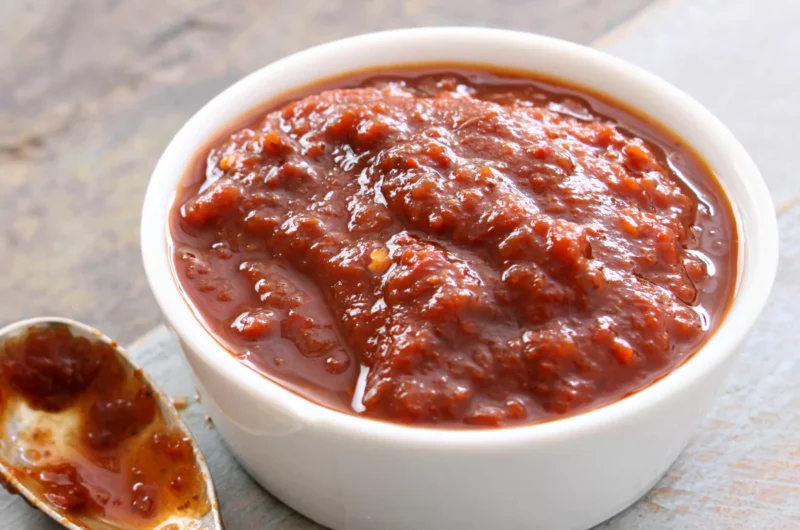
This homemade On the Border salsa combines canned tomatoes, a fresh Roma tomato, jalapeno, lime, cilantro, and warm spices. Pulse everything together, chill for at least 30 minutes, and serve the fresh salsa with tortilla chips or your favorite Mexican-style dishes.
On the Border Salsa Recipe
Course: Appetizers, CondimentCuisine: MexicanDifficulty: Easy2
cups10
minutes40
minutesHomemade On the Border-style salsa with canned and fresh tomatoes, jalapeno, cilantro, lime, and spices. Prepare in about 10 minutes, then refrigerate for at least 30 minutes before serving.
Ingredients
1 can (14 ounce) diced tomatoes
1 large Roma tomato
1 medium garlic clove
1/4 white onion
1 jalapeno pepper
1/4 teaspoon cayenne
1/2 teaspoon ground cumin
2 teaspoons jalapeno juice
1/2 teaspoon sugar
1/4 cup fresh cilantro
1 tablespoon fresh lime juice
1/2 teaspoon salt
Directions
- Wash your hands and clean the work surface and equipment. Rinse the Roma tomato, jalapeno, cilantro, and lime under running water and dry. Peel the garlic and onion. Core and chunk the Roma tomato, and cut the measured 1/4 onion into pieces.
- Wear food-safe gloves when preparing the jalapeno and avoid touching your face. Remove the stem; remove the inner ribs and seeds for less heat, or leave more ribs for a hotter salsa. Chop the pepper into pieces.
- Drain the canned diced tomatoes in a fine mesh strainer. Transfer to a food processor with the fresh tomato, garlic, onion, and prepared jalapeno. Add the measured cayenne, cumin, jalapeno juice, sugar, cilantro, lime juice, and salt. Jalapeno juice means the liquid from a jar of pickled jalapenos.
- Secure the lid and pulse briefly until the onion and pepper are finely chopped and the salsa reaches your preferred texture. Switch the processor off before opening or scraping the bowl, and keep the spatula away from the blade. Avoid a long continuous blending cycle.
- Taste a small portion with a clean spoon and check for large garlic or onion pieces. If needed, pulse briefly again until the vegetables are evenly chopped.
- Transfer to an airtight container, cover, and refrigerate for at least 30 minutes. No cooking is required. The 40-minute total includes 10 minutes of preparation and 30 minutes of chilling.
- Stir before serving. Spoon a small portion into a serving bowl and serve with tortilla chips or as a topping for tacos, quesadillas, nachos, or grilled foods. Keep the rest covered and refrigerated.
- Refrigerate leftovers promptly at 40°F or below and use within 3–4 days. Discard after more than 2 hours at room temperature, or 1 hour above 90°F. Do not return salsa from a shared dipping bowl to the untouched batch. This recipe is not suitable for canning or pantry storage.
Notes
- Drain the canned tomatoes well and use short pulses to control the texture. A little liquid separation after chilling is normal; stir before serving.
- The jalapeno juice is the brine from pickled jalapenos. Preserve the listed amount; do not treat it or the lime juice as a canning safety measure.
- Chill for at least 30 minutes. Keep refrigerated at 40°F or below and use within 3–4 days. This is a fresh salsa, not a tested canning recipe.
- The original yield is about 2 cups; the exact volume depends on tomato size and drainage.