Chicken Breast Marinade Recipe
I love a chicken breast marinade that brings several flavors together without a long shopping list. This one combines lemon, balsamic vinegar, soy sauce, garlic, and a little brown sugar. Olive oil carries the seasoning over the chicken, while Worcestershire sauce adds a deeper savory note.
The marinade takes about 10 minutes to mix and use. It is the same batch for 2–4 boneless, skinless chicken breasts, with roughly four portions depending on the size of the breasts. The amount is meant for coating chicken in a snug container; it does not need to fill a large bowl to the top.
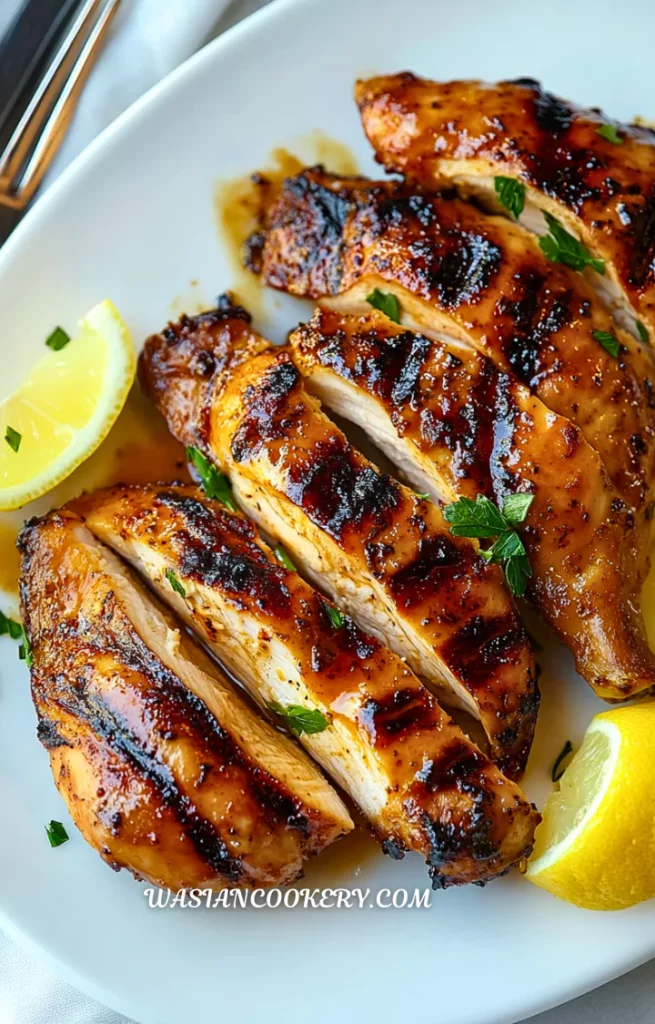
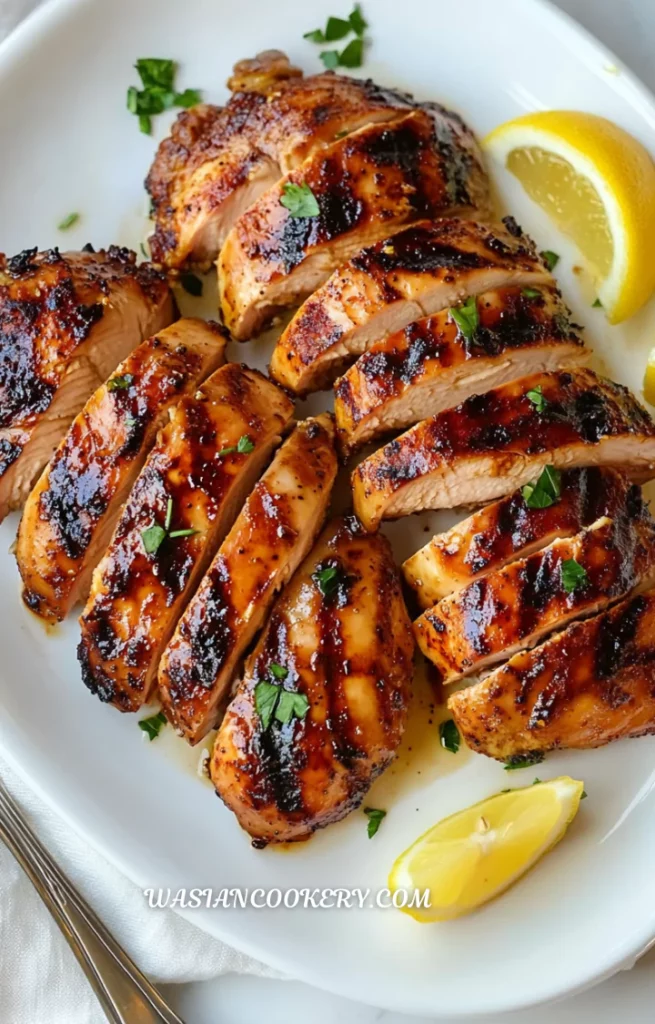
Allow about 60 minutes from starting the marinade to serving grilled chicken, including the shortest 30-minute refrigerator soak and a 5-minute rest. For a longer soak, the 4–5-hour window works well for planning ahead. The chicken is lovely sliced over salad, tucked into a sandwich, or served with vegetables.
Why This Marinade Is Great
- A single bowl is enough for mixing, and the ingredients are easy to measure before you handle the raw chicken.
- Lemon and balsamic vinegar give different kinds of tang, balanced by the small amount of brown sugar.
- Soy sauce and Worcestershire sauce provide a savory base that works with simple rice, potatoes, or green vegetables.
- The batch coats 2–4 breasts. A snug container helps the seasoning reach both smaller and larger pieces.
- Grilling, baking, and skillet cooking are all useful options, provided you check the chicken with a thermometer.
- The refrigerator does most of the waiting work. You can prepare your sides while the chicken marinates safely.
The Best Chicken Breasts To Use
Choose boneless, skinless breasts that are similar in thickness so they cook at a similar rate. Very thick ends can stay undercooked while thin ends become dry. Gently flatten uneven breasts between food-safe wrapping before marinating. There is no need to wash the chicken or pierce it repeatedly with a fork; an even thickness is more helpful for predictable cooking.
Ingredients
- ¼ cup olive oil
- 2 tbsp lemon juice
- 3 tbsp soy sauce
- 1 tbsp balsamic vinegar
- 1 tbsp brown sugar
- 1 tbsp Worcestershire sauce
- 2 garlic cloves, minced
- ½ tsp salt
- ½ tsp black pepper
- 2–4 boneless, skinless chicken breasts
All of the measured olive oil goes into the marinade. If your grill or skillet needs a light coating of cooking oil, that is separate surface preparation. Use fresh lemon juice when convenient and mince the garlic finely so it spreads through the mixture. The soy sauce and Worcestershire sauce bring salt as well as flavor, so keep the measured seasoning consistent.
Kitchen Equipment You Will Need
As an Amazon Associate I earn from qualifying purchases.
- Mixing bowl
- Whisk
- Measuring cups
- Measuring spoons
- Chef’s knife
- Cutting board
- Meat mallet
- Lidded food container
- Outdoor grill
- Skillet
- Baking dish
- Tongs
- Basting brush
- Food thermometer
- Serving platter
How To Make Chicken Breast Marinade
Step 1: Whisk The Marinade
Whisk the olive oil, lemon juice, soy sauce, balsamic vinegar, brown sugar, Worcestershire sauce, minced garlic, salt, and black pepper together in a bowl. Stir until the sugar is mostly dissolved. If you want a finishing sauce, set aside a little of this mixture in a separate covered container before any raw chicken touches it; refrigerate that clean portion.
Step 2: Even Out The Chicken
Prepare the 2–4 chicken breasts. If their thickness is uneven, gently flatten the thick ends between food-safe wrapping to about ¾ inch thick. Do not rinse the chicken. Keep raw-chicken utensils away from the clean marinade portion and food that is ready to eat.
Step 3: Refrigerate To Marinate
Put the chicken in a snug food-safe bag or lidded container, add the marinade, and turn to coat. Seal or cover and refrigerate for at least 30 minutes; 4–5 hours is the longer suggested window. Turn the bag or pieces once if convenient. Keep the chicken cold throughout marinating.
Step 4: Preheat The Grill
During the final 15 minutes of marinating, preheat the grill to medium, about 375–400°F, keeping a cooler area available. Clean the grates and lightly oil them if needed. Lift the chicken from the marinade and let excess drip off. Discard the marinade that touched raw chicken.
Step 5: Cook To 165°F
Grill the breasts for about 5–6 minutes per side, allowing up to 15 minutes or longer for thicker pieces, until each breast reaches 165°F in its thickest part. Check with a food thermometer rather than color. Move chicken to the cooler area if the coating darkens too quickly. Cook in batches if necessary, keeping waiting raw chicken refrigerated and allowing another 10–15 minutes or more per batch.
Step 6: Rest And Slice
Transfer the cooked chicken to a clean platter and rest for 5 minutes before slicing. If using a clean reserved portion of marinade, brush it over the cooked chicken with a clean brush. Plan on 10 minutes preparation, 30 minutes minimum marinating, up to 15 minutes grilling, and 5 minutes resting: about 60 minutes total for one batch, with grill preheating overlapping the marinade time.
Notes
- Choose a container that holds the chicken snugly. A wide bowl spreads the marinade thinly and makes even coating harder.
- Whisk before pouring because oil separates from the other liquids as the mixture sits. That separation is normal.
- Taste only a clean portion before adding chicken if you want to understand the flavor. Never taste raw-chicken marinade.
- For finishing sauce, reserve some before raw contact. A brush used on undercooked chicken must not go back into that clean portion.
- Use the 4–5-hour marinade when your schedule allows. With preparation, cooking, and resting, that version takes about 4½–5½ hours overall.
- Watch the grill closely because brown sugar and balsamic vinegar darken readily. Move the chicken before the coating becomes bitter or black.
- Check each breast separately and rest cooked pieces on a clean platter. Different thicknesses can finish at different times, even on the same grill.
Ingredients You Can Add
- Honey can replace the brown sugar for a different sweetness. Keep it an optional swap rather than adding both by default.
- Dijon mustard adds a sharper tang and helps the oil mix with the other liquids when whisked.
- Fresh grated ginger adds a warm flavor that works with the garlic and soy sauce.
- Red pepper flakes bring gentle heat. Stir them into the marinade before chicken is added.
- Orange juice can replace the lemon juice for a sweeter citrus flavor. The result will taste less sharp.
- Smoked paprika adds a smoky note for indoor cooking. A little fresh rosemary or thyme is another optional way to change the aroma.
What To Serve With Marinated Chicken
Slice the rested chicken over a green salad or serve it beside tomato cucumber salad. The fresh vegetables are a pleasant match for the savory marinade. Add the cooked chicken just before serving so the salad stays crisp.
For a more filling plate, pair the chicken with garlic mashed potatoes and roasted vegetables. Zucchini, asparagus, or bell peppers work well. Start the potatoes during marinating, then finish the vegetables while the chicken rests.
For a little heat and crunch, serve spicy Korean cucumber salad alongside rice and sliced chicken. Leftover cooked chicken can also go into a wrap with lettuce and tomato. Use a clean dressing or separately reserved sauce to finish the sandwich.
Recipe Variations And Swaps
- Soy sauce swap: tamari or coconut aminos changes the saltiness and sweetness. For a gluten-free version, check every sauce label, including Worcestershire, rather than relying on the swap alone.
- Worcestershire swap: a splash of steak sauce or a dash of fish sauce can give another savory note. They differ in salt and ingredients, so expect a different flavor.
- Sweeter: honey or extra brown sugar gives a sweeter coating, but it can also burn faster. Keep the heat moderate and watch the edges.
- Citrus swap: lime juice or apple cider vinegar can replace lemon for a different tang. Avoid extending the marinating time to compensate for the flavor change.
- More heat: hot sauce, chili powder, or cayenne can join the mixture before raw chicken is added. Let individual preferences guide this optional change.
- Vinegar swap: rice vinegar or white wine vinegar can replace balsamic. The marinade becomes lighter in color and loses some of balsamic’s sweetness.
- Indoor cooking: preheat the oven to 400°F during marinating and bake in a baking dish for about 20–25 minutes to 165°F, then rest 5 minutes; allow about 70 minutes overall. Or preheat a lightly oiled skillet during marinating and cook over medium heat for about 5–7 minutes per side to 165°F, then rest 5 minutes; allow about 60 minutes, plus batches.
- Other chicken cuts: boneless thighs can use the same marinade. Bone-in thighs or drumsticks need longer cooking and their own temperature checks; the breast timing does not apply. All chicken must reach at least 165°F.
How To Store
Refrigerate freshly mixed marinade and use it promptly. Keep marinating chicken covered at 40°F or below, within its normal 1–2-day refrigerator life; marinating does not restart that clock. For this acidic mixture, 4–5 hours is the suggested longer soak, and an overnight soak should stay within 12 hours for texture. Discard all marinade that has held raw chicken.
Freeze chicken in the marinade promptly for up to 2 months for best quality, then thaw it in the refrigerator before cooking. Refrigerate cooked chicken in shallow containers within 2 hours, or 1 hour above 90°F, without waiting for it to cool completely on the counter. Use cooked leftovers within 3–4 days and reheat to 165°F. Store any untouched reserved marinade separately and use promptly.
FAQ
How much chicken does this marinade cover?
The measured batch is intended for 2–4 boneless, skinless breasts. Breast size varies, so the four servings are approximate portions rather than a promise that each breast serves one person.
Is 30 minutes enough marinating time?
It is the minimum used here. The longer 4–5-hour window gives you more planning flexibility, but keep the chicken refrigerated throughout. Include that additional waiting time in your meal schedule.
Can I leave the chicken overnight?
Keep an overnight soak within 12 hours for this acidic marinade, and stay within the chicken’s safe refrigerator storage period. Longer soaking can make the surface texture less pleasant.
Should I rinse the marinade off?
No. Lift out the chicken and let excess drip away. Rinsing raw chicken can splash juices around the sink, and the surface coating is part of the recipe’s flavor.
Can I serve the used marinade as sauce?
Discard the marinade that touched raw chicken. If you want sauce, reserve a clean portion before marinating and use a clean brush or spoon on the fully cooked chicken.
How do I know when the chicken is ready?
Insert a thermometer into the thickest part without touching the grill or pan. Each breast must reach 165°F. Grill marks, pale meat, or clear juices are not reliable substitutes for measuring the temperature.
Short Description
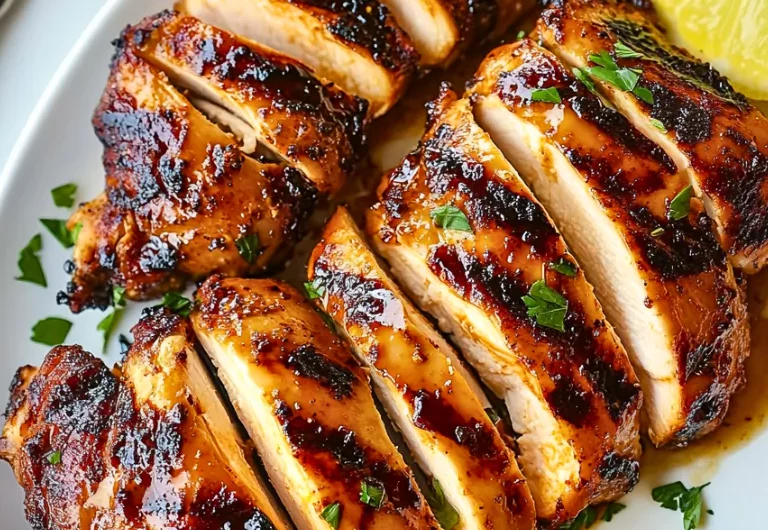
Chicken Breast Marinade combines olive oil, lemon, soy sauce, balsamic vinegar, brown sugar, Worcestershire sauce, and garlic to coat 2–4 chicken breasts before cooking.
Chicken Breast Marinade
Course: MainCuisine: AmericanDifficulty: Easy4
servings10
minutes15
minutes1
hourChicken Breast Marinade combines olive oil, lemon, soy sauce, balsamic vinegar, brown sugar, Worcestershire sauce, and garlic to coat 2–4 chicken breasts before cooking.
Ingredients
¼ cup olive oil
2 tbsp lemon juice
3 tbsp soy sauce
1 tbsp balsamic vinegar
1 tbsp brown sugar
1 tbsp Worcestershire sauce
2 garlic cloves, minced
½ tsp salt
½ tsp black pepper
2–4 boneless, skinless chicken breasts
Directions
- Whisk the olive oil, lemon juice, soy sauce, balsamic vinegar, brown sugar, Worcestershire sauce, minced garlic, salt, and black pepper together in a bowl. Stir until the sugar is mostly dissolved. If you want a finishing sauce, set aside a little of this mixture in a separate covered container before any raw chicken touches it; refrigerate that clean portion.
- Prepare the 2–4 chicken breasts. If their thickness is uneven, gently flatten the thick ends between food-safe wrapping to about ¾ inch thick. Do not rinse the chicken. Keep raw-chicken utensils away from the clean marinade portion and food that is ready to eat.
- Put the chicken in a snug food-safe bag or lidded container, add the marinade, and turn to coat. Seal or cover and refrigerate for at least 30 minutes; 4–5 hours is the longer suggested window. Turn the bag or pieces once if convenient. Keep the chicken cold throughout marinating.
- During the final 15 minutes of marinating, preheat the grill to medium, about 375–400°F, keeping a cooler area available. Clean the grates and lightly oil them if needed. Lift the chicken from the marinade and let excess drip off. Discard the marinade that touched raw chicken.
- Grill the breasts for about 5–6 minutes per side, allowing up to 15 minutes or longer for thicker pieces, until each breast reaches 165°F in its thickest part. Check with a food thermometer rather than color. Move chicken to the cooler area if the coating darkens too quickly. Cook in batches if necessary, keeping waiting raw chicken refrigerated and allowing another 10–15 minutes or more per batch.
- Transfer the cooked chicken to a clean platter and rest for 5 minutes before slicing. If using a clean reserved portion of marinade, brush it over the cooked chicken with a clean brush. Plan on 10 minutes preparation, 30 minutes minimum marinating, up to 15 minutes grilling, and 5 minutes resting: about 60 minutes total for one batch, with grill preheating overlapping the marinade time.
Notes
- This measured batch coats 2–4 boneless, skinless chicken breasts, with about four portions depending on breast size.
- The marinade takes about 10 minutes to prepare. The 60-minute grilled-chicken total includes at least 30 minutes marinating and a 5-minute rest; preheat the grill during marinating. A 4–5-hour marinade gives about 4½–5½ hours overall. Extra batches or thick pieces need more time.
- Reserve any finishing sauce before raw chicken touches the marinade. Discard raw-contact marinade and use clean utensils on cooked chicken.
- Cook every breast to 165°F and rest for 5 minutes. Oven option: preheat to 400°F during marinating, bake about 20–25 minutes to 165°F, and rest 5 minutes; allow about 70 minutes overall. Skillet option: preheat during marinating and cook about 5–7 minutes per side to 165°F, then rest 5 minutes; allow about 60 minutes plus batches.
- Keep raw chicken refrigerated within its normal 1–2-day storage life. Refrigerate cooked chicken promptly, use within 3–4 days, and reheat to 165°F.