Easy Bread Pudding Recipe
My husband loves bread pudding, and that is what first inspired me to make a homemade version. The soft, custardy bread with just the right amount of sweetness is such a comforting dessert. It also gives a leftover loaf a lovely second use.
My bread pudding recipe is easy to make and perfect for using up leftover bread. You can add fun extras like chocolate chips or fruit, or keep it simple for a classic, comforting dessert. Milk, cream, eggs, and cinnamon turn the bread into something much softer and richer.
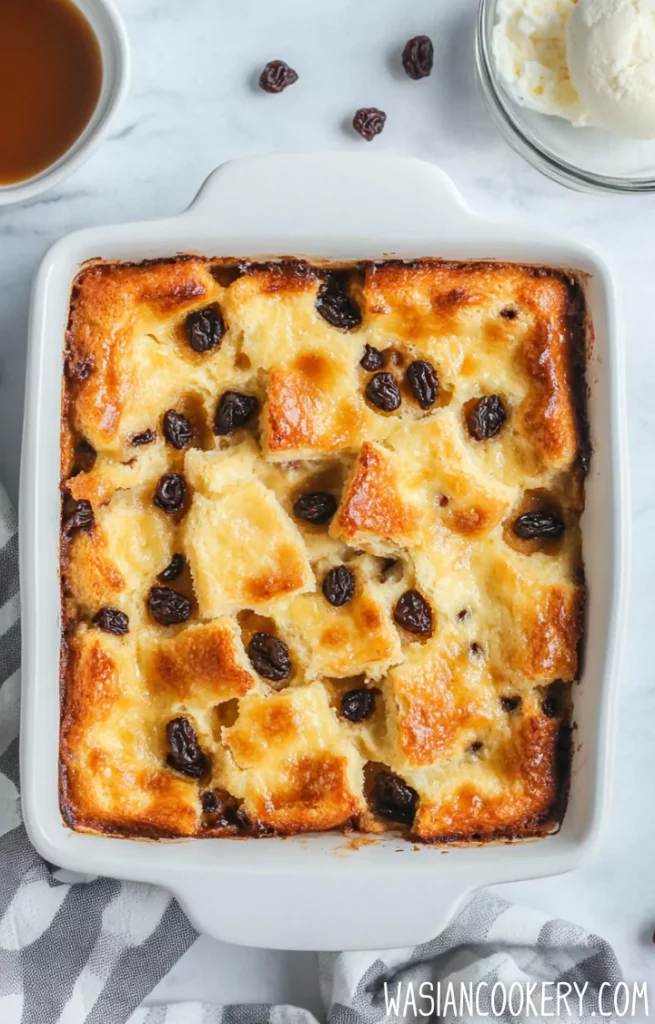
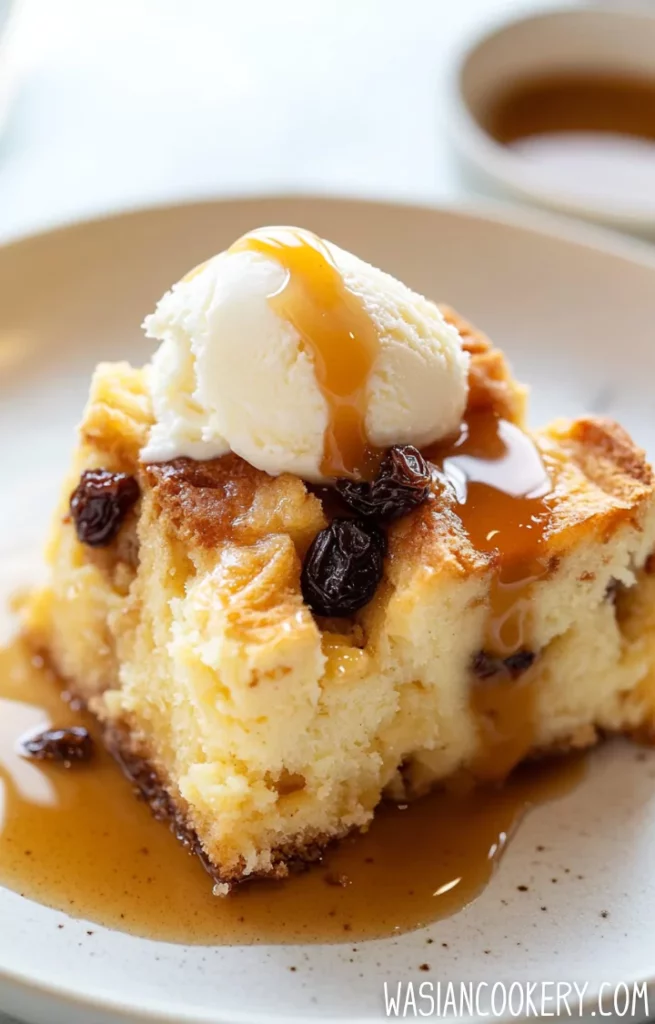
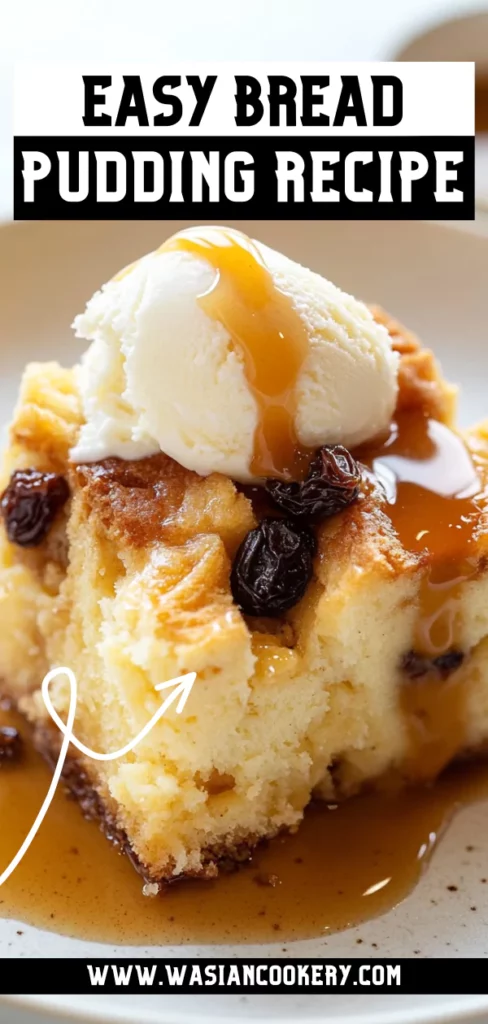
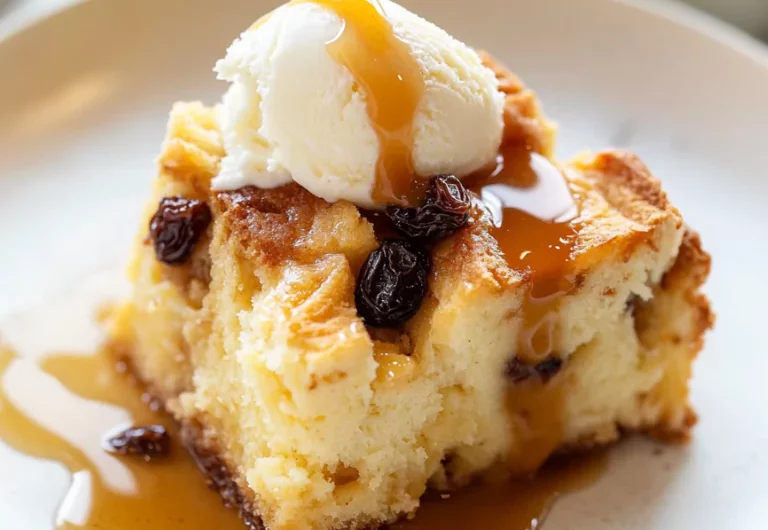
I really recommend serving it warm with a scoop of ice cream or a drizzle of sauce. Give the bread time to soak before baking, then let the pudding rest briefly so each spoonful holds together. Those quiet waiting minutes are part of the recipe, too.
Why This Dish Is Great
- Leftover bread becomes the center of dessert, so a slightly dry loaf can still have a delicious purpose.
- The custard uses familiar ingredients, with cream for richness and milk to keep the texture pleasantly soft.
- Cinnamon and vanilla give the pudding a warm flavor without needing a separate sauce or fancy topping.
- The optional raisins add chewiness, while chocolate chips create little pockets of melted chocolate throughout the bread.
- A single baking dish keeps serving simple, whether you scoop generous helpings or divide smaller portions after dinner.
- Refrigerated leftovers reheat well, making it easy to enjoy a little dessert without baking another whole dish.
What Is the Best Bread for Bread Pudding?
Opt for artisan or enriched breads like challah, brioche, or French bread. Their different textures and flavors change the character of the pudding. Brioche makes a tender, buttery dessert, while French bread leaves more distinct pieces. Sourdough works when you enjoy a gentle tang with the sweet custard.
Use bread that is dry but still good to eat. Stale means firm or slightly dry, never moldy. Cut away very hard crusts if they would be unpleasant to chew. Measure the cubes loosely in the cup rather than crushing them down; tightly packed bread can absorb too much custard and leave the pudding dry.
Ingredients
- 6 cups stale bread, cubed (such as French bread or brioche)
- 2 cups milk
- 1 cup heavy cream
- 3/4 cup sugar
- 4 large eggs
- 1 teaspoon vanilla extract
- 1 teaspoon ground cinnamon
- 1/2 teaspoon salt
- 1/2 cup raisins or chocolate chips (optional)
- Butter, for greasing the baking dish
Whole milk gives a richer result than reduced-fat milk, although the heavy cream supplies much of the richness here. Use large eggs and whisk them thoroughly into the dairy. Keep the optional mix-ins to the listed amount so the bread and custard remain the main parts of the pudding.
Kitchen Equipment You Will Need
As an Amazon Associate I earn from qualifying purchases.
- 2½- to 3-quart baking dish
- Mixing bowls
- Measuring cups
- Measuring spoons
- Bread knife
- Cutting board
- Whisk
- Silicone spatula
- Baking sheet
- Instant-read thermometer
- Aluminum foil
- Trivet
- Serving spoon
- Shallow storage containers
- Paring knife
- Dessert bowls
How To Make Bread Pudding
Allow about 90 minutes: 15 minutes of preparation, 15 minutes of soaking, up to 50 minutes of baking, and 10 minutes of resting. Drying fresh bread adds about 15 minutes. The original yield is four generous servings; smaller dessert portions are easy to spoon out without changing the recipe.
Step 1
Preheat the oven to 350°F (175°C). Butter a 2½- to 3-quart baking dish and place an oven rack in the middle position.
Step 2
Put the 6 cups of stale bread cubes in a large bowl. Aim for roughly 1-inch pieces. If using fresh bread, first spread the cubes on a baking sheet and dry them at 300°F (150°C) for about 10 minutes without browning; cool for about 5 minutes, then bring the oven to 350°F. This optional step adds about 15 minutes.
Step 3
In another bowl, whisk together the milk, heavy cream, sugar, eggs, vanilla extract, cinnamon, and salt until smooth, with no separate streaks of egg white.
Step 4
Pour the custard over the bread and gently fold to moisten every piece. Fold in the optional ½ cup raisins or chocolate chips. Let the mixture soak for 15 minutes, gently pressing any dry pieces into the custard halfway through.
Step 5
Transfer the soaked bread and all the custard to the prepared dish. Spread evenly without packing it down. Bake for 40–50 minutes, checking at 40 minutes. The top should be golden, the center set rather than liquid, and a thin knife inserted near the middle should show no runny custard. Check that the center reaches at least 160°F (71°C) with an instant-read thermometer. Continue baking as needed; loosely cover with foil if the top browns before the center sets.
Step 6
Rest the dish on a heatproof surface for 10 minutes before spooning into bowls. Serve warm, with ice cream or sauce if desired. Refrigerate leftovers promptly in shallow covered containers within 2 hours, or within 1 hour if the room is above 90°F (32°C).
Notes
- Choose one bread or a mix with similar firmness. Very dense pieces and soft sandwich bread absorb the custard at different speeds.
- Keep the cubes fairly even. A few crisp tips are lovely, but oversized pieces can stay dry in their centers.
- Whisk the custard before pouring it over the bread. Stirring eggs directly into soaked bread makes it harder to blend them evenly.
- Press the bread gently during soaking. It should feel moistened throughout, while keeping enough shape to give the pudding texture.
- Do not discard the liquid left in the bowl. It belongs in the baking dish and sets around the bread in the oven.
- Check the center as well as the edges. A browned top alone does not tell you whether the egg custard underneath is cooked.
- Rest before serving, then refrigerate leftovers promptly. The short rest helps the custard settle without leaving a perishable dessert out for hours.
Ingredients You Can Add
These are optional finishing touches, separate from the base recipe. Add a little to an individual serving first, especially when using something very sweet or strongly flavored.
- A spoonful of caramel sauce makes a warm serving feel especially rich.
- Whipped cream brings a light, fluffy contrast to the dense custard.
- Fresh berries add a juicy, tart bite beside the sweet bread.
- A few chopped pecans on top add crunch just before serving.
- A small pinch of nutmeg adds another warm spice alongside the cinnamon.
- A spoonful of fruit compote gives a plain serving a bright, fruity finish.
What To Serve With Bread Pudding
One great way to serve bread pudding is warm with a drizzle of your favorite sauce, like caramel or chocolate. This adds sweetness, so start with a little. For a fruitier scoop alongside it, strawberry shortcake ice cream turns the pudding into a more generous dessert.
Another tasty option is a dollop of whipped cream with fresh fruit. If you are putting together a small dessert spread, apple cookies offer a hand-held choice beside the soft pudding. Keep the pudding warm for serving and set out small portions at a time.
A hot cup of tea or coffee is lovely with the cinnamon custard. For a chilled drink, peach tea gives the table a fruity option. The pudding is already rich enough to enjoy on its own, so extra toppings can stay on the side.
Variations and Swaps
- Chocolate chip: choose the listed chocolate chips instead of raisins, and fold them through the soaked bread so they are spread evenly.
- Cinnamon raisin bread: use it for some or all of the measured bread. Remember that it already contributes fruit and sweetness.
- Brioche: keep the same measured bread volume for a soft, buttery pudding. Avoid pressing the cubes tightly into the measuring cup.
- Challah: use the same loose volume for a tender pudding with pieces that still show clearly after baking.
- Sourdough: choose a loaf with a flavor you enjoy. Its tang balances sweet toppings, but very thick crusts may need trimming.
- Fruit topping: keep the baked custard plain and spoon cooked apples or berries over individual portions instead of adding extra liquid before baking.
- No mix-ins: leave out the optional raisins or chocolate chips for a simple cinnamon and vanilla pudding. No replacement is needed.
- Smaller servings: scoop more modest portions from the same dish. Changing the serving size does not change the baking temperature or doneness checks.
Storage
Transfer leftovers to shallow containers and refrigerate promptly at 40°F (4°C) or below. Do not wait for the whole dish to reach room temperature. Refrigerate within 2 hours of baking, or 1 hour above 90°F (32°C), and use within 3–4 days. Cover for storage once portioned; a large deep dish takes longer to cool than smaller portions.
For longer storage, freeze cooled portions in freezer-safe containers for about 2–3 months for best quality. Thaw overnight in the refrigerator. Reheat in an oven-safe dish, loosely covered, at 325°F (165°C) until the center reaches 165°F (74°C). Start checking small portions after about 15 minutes; size and starting temperature change the reheating time.
FAQ
Can I use fresh bread?
Yes. Dry the cubes gently using the optional method above, then cool them before adding custard. This adds about 15 minutes beyond the main timing. Avoid turning them into deeply browned croutons.
Why is the middle still wet?
It may need more baking, especially in a deeper dish. Check for liquid custard between the bread pieces. Cover a browned top loosely and keep baking until the center is set and at least 160°F.
Why did my pudding turn out dry?
Bread packed into the measuring cups, an overly wide dish, or extra baking can all make it drier. Measure loosely, include every drop of custard, and begin checking at the earlier end of the baking range.
Can I prepare it ahead?
Yes. Cover the assembled pudding and refrigerate overnight, then bake the next day. Use a dish suitable for the temperature change and expect a cold pudding to take longer. Overnight chilling is additional time.
Can I make this without eggs?
The eggs set this particular custard. A simple egg swap may leave it loose or change the texture, so use a recipe designed for egg-free bread pudding rather than leaving them out here.
Should bread pudding be firm like cake?
No. It should be soft and moist with a set custard around the bread. The top may be crisp, but the center should remain tender after its 10-minute rest, with no loose raw custard.
Short Description
Soft bread cubes bake in a cinnamon and vanilla custard for a comforting dessert, with optional raisins or chocolate chips.
Bread Pudding Recipe
Course: DessertCuisine: AmericanDifficulty: Easy4
servings15
minutes50
minutes1
hour30
minutesSoft bread cubes bake in a cinnamon and vanilla custard for a comforting dessert, with optional raisins or chocolate chips.
Ingredients
6 cups stale bread, cubed (such as French bread or brioche)
2 cups milk
1 cup heavy cream
3/4 cup sugar
4 large eggs
1 teaspoon vanilla extract
1 teaspoon ground cinnamon
1/2 teaspoon salt
1/2 cup raisins or chocolate chips (optional)
Butter, for greasing the baking dish
Directions
- Preheat the oven to 350°F (175°C). Butter a 2½- to 3-quart baking dish and place an oven rack in the middle position.
- Put the 6 cups of stale bread cubes in a large bowl. Aim for roughly 1-inch pieces. If using fresh bread, first spread the cubes on a baking sheet and dry them at 300°F (150°C) for about 10 minutes without browning; cool for about 5 minutes, then bring the oven to 350°F. This optional step adds about 15 minutes.
- In another bowl, whisk together the milk, heavy cream, sugar, eggs, vanilla extract, cinnamon, and salt until smooth, with no separate streaks of egg white.
- Pour the custard over the bread and gently fold to moisten every piece. Fold in the optional ½ cup raisins or chocolate chips. Let the mixture soak for 15 minutes, gently pressing any dry pieces into the custard halfway through.
- Transfer the soaked bread and all the custard to the prepared dish. Spread evenly without packing it down. Bake for 40–50 minutes, checking at 40 minutes. The top should be golden, the center set rather than liquid, and a thin knife inserted near the middle should show no runny custard. Check that the center reaches at least 160°F (71°C) with an instant-read thermometer. Continue baking as needed; loosely cover with foil if the top browns before the center sets.
- Rest the dish on a heatproof surface for 10 minutes before spooning into bowls. Serve warm, with ice cream or sauce if desired. Refrigerate leftovers promptly in shallow covered containers within 2 hours, or within 1 hour if the room is above 90°F (32°C).
Notes
- Timing includes 15 minutes of soaking and a 10-minute rest; drying fresh bread adds about 15 minutes.
- Bake until the center is set and reaches at least 160°F.
- Refrigerate promptly in shallow containers within 2 hours, or 1 hour above 90°F; use within 3–4 days. Reheat leftovers to 165°F.