Stocks Bakery Pound Cake Recipe
I love to enjoy a slice of this Stocks Bakery-inspired pound cake with a hot cup of tea in the morning. It has a rich, buttery flavor, a tender crumb, and a simple white vanilla glaze. My kids like a dollop of freshly whipped cream and a few fresh berries alongside.
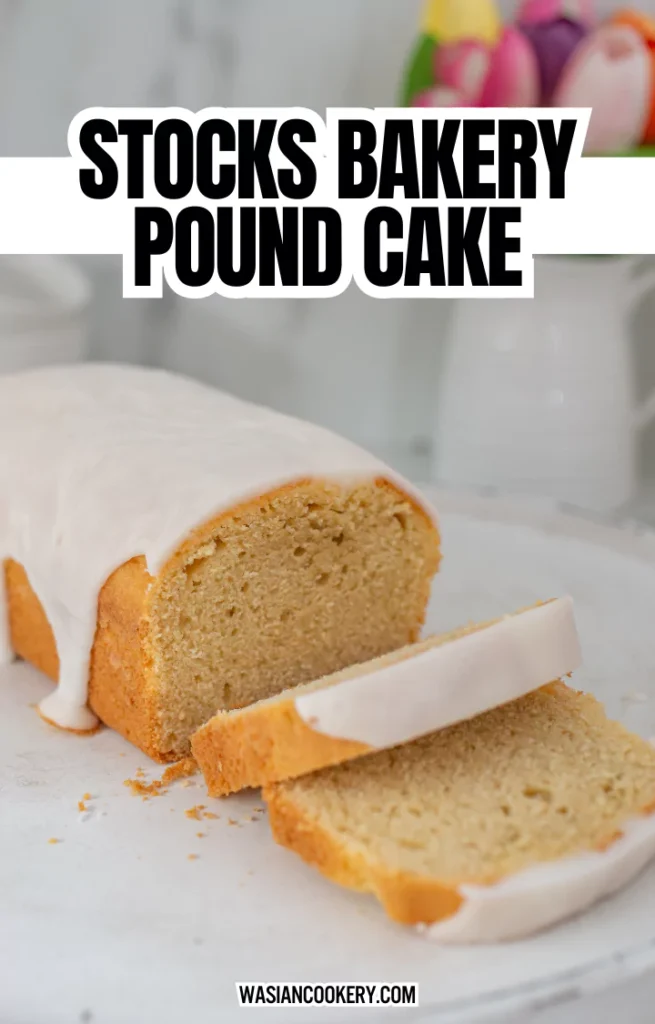
This homemade version uses butter, sugar, eggs, flour, baking powder, milk, and vanilla. It is inspired by the idea of a bakery pound cake, rather than presented as Stock’s private recipe. The white glaze is an easy finish that lets the cake’s vanilla flavor come through.
The full batter belongs in two standard loaf pans, with room left for rising. Plan ahead for softening the ingredients and cooling the cakes completely before glazing. The recipe card’s one batch means both loaves together; it is not a single slice or a one-person serving.
Why This Dish Is Great
- Butter gives the cake its main flavor, so it tastes comforting even with a very simple finish.
- The tender, close crumb slices neatly once the cake has cooled completely.
- Two loaves make it easy to serve one and freeze the other before glazing.
- The ingredient list is familiar and does not require a special cake mix or unusual flavoring.
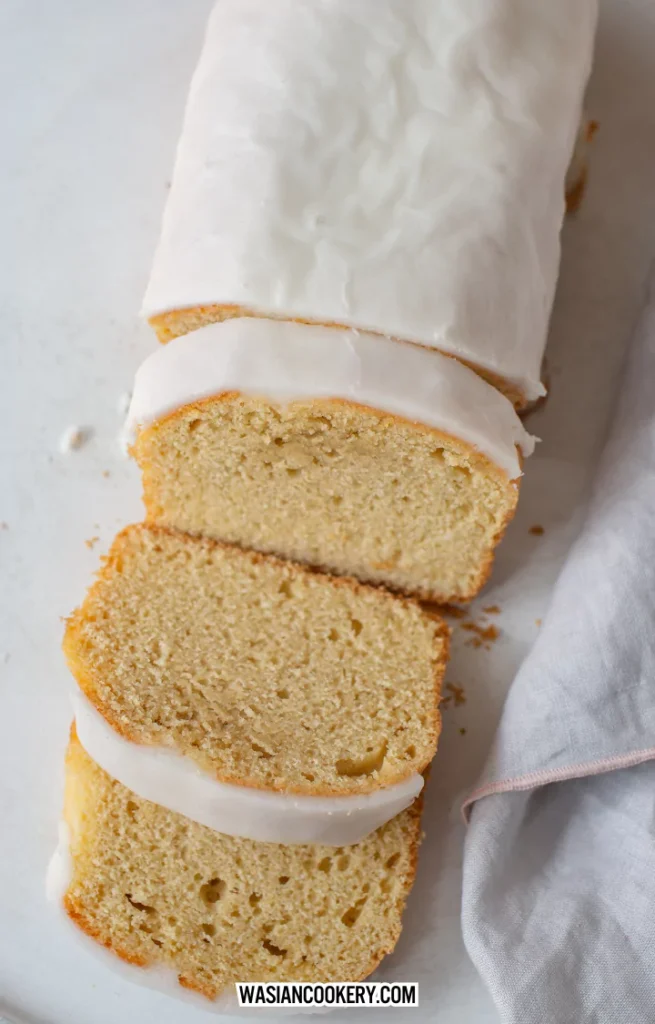
- A thin vanilla glaze adds sweetness without covering the cake with a thick layer of frosting.
- The plain cake is a useful base for berries, fruit compote, whipped cream, or a scoop of ice cream.
What Is the Best Butter for Pound Cake?
Use unsalted butter, as written, so the measured salt remains the seasoning for the batter. The butter should dent easily when pressed but still hold its shape. Very cold butter does not cream smoothly, while melted butter cannot hold the same tiny air pockets. Let it soften in small pieces if your kitchen is cool, keeping eggs and milk out only as long as needed.
Whole milk brings moisture and richness. Large eggs match the original formula; very small eggs can leave the batter short of liquid. Use all-purpose flour and measure it lightly. This cake has only a small amount of baking powder, so creaming the butter and sugar carefully matters for a tender result.
Ingredients
- 1 cup (2 sticks) unsalted butter, softened
- 2 cups granulated sugar
- 4 large eggs
- 3 cups all-purpose flour
- 1 teaspoon baking powder
- 1/2 teaspoon salt
- 1 cup whole milk
- 1 teaspoon vanilla extract
Iced White Glaze
- 1 cup powdered sugar
- 2 tablespoons milk
- 1/2 teaspoon vanilla extract
Kitchen Equipment You Will Need
As an Amazon Associate I earn from qualifying purchases.
- Two 9-by-5-inch loaf pans
- Electric mixer
- Mixing bowls
- Measuring cups and spoons
- Whisk
- Flexible spatula
- Parchment paper
- Long cake tester
- Aluminum foil
- Wire cooling rack
- Oven mitts
- Glazing spoon
- Serrated knife
- Airtight cake container
How To Make Stocks Bakery-Inspired Pound Cake
- Let the butter, eggs, and milk lose their refrigerator chill; allow about 30 minutes, with longer if the butter is still hard. Preheat the oven to 350°F (175°C). Grease and flour two 9-by-5-inch loaf pans. Line their bases with parchment if desired. Place a rack in the middle of the oven.
- In a large mixing bowl, cream the softened butter and granulated sugar with an electric mixer until lighter in color and fluffy, about 3–5 minutes. Scrape the bowl and beaters as needed. The butter should be pliable, not melted or oily.
- Beat in the eggs one at a time, ensuring each egg is incorporated before adding the next. Scrape the bowl after the additions so the mixture blends evenly. A slightly uneven appearance can smooth out when the flour is added; do not keep beating indefinitely.
- In a separate bowl, whisk together the all-purpose flour, baking powder, and salt. Spoon the flour lightly into the measuring cups and level it rather than packing it down.
- On low speed, add the flour mixture in three additions, alternating with the whole milk in two additions. Begin and end with flour. Mix just until each addition disappears, then scrape the bottom of the bowl to catch any dry pockets.
- Stir in the 1 teaspoon vanilla extract until evenly distributed. The batter should be thick and spreadable. Divide it evenly between the two prepared loaf pans, keeping each no more than two-thirds full, and smooth the tops.
- Bake the pans side by side with space for air to circulate. Begin checking at 45 minutes; expect about 50–60 minutes, with additional time if needed. Each loaf is ready when its center springs back gently and a long cake tester comes out clean or with a few moist crumbs, without wet batter. Check both loaves separately. Tent loosely with foil if browning too quickly.
- Cool the cakes in their pans for 10 minutes, then loosen the edges and transfer carefully to a wire rack. Let them cool completely before glazing, allowing about 90 more minutes. The centers and bottoms should no longer feel warm.
- For the glaze, stir together the powdered sugar, 2 tablespoons milk, and 1/2 teaspoon vanilla in a small bowl until smooth. Break up sugar lumps before judging the consistency. The glaze should fall from the spoon in a ribbon; use the stated quantities first.
- Drizzle the glaze over the completely cooled cakes and allow about 15 minutes for it to settle before slicing. The planned total is about 230 minutes: 30 minutes softening, 25 minutes active preparation including glaze, 60 minutes baking, 10 minutes cooling in pans, 90 minutes cooling on the rack, and 15 minutes after glazing. Longer softening, baking, or cooling extends the total.
Notes
- Take your time to cream the butter and sugar until light and fluffy. The original 3–5-minute guide is useful, but look for the change in texture as well as watching the clock.
- When combining the wet and dry ingredients, mix just until incorporated. Prolonged beating after adding flour can make the cake tougher.
- Use two pans of the same size and material. Similar pans help the two halves of the batter bake at a similar pace.
- Do not put the whole batch into one ordinary loaf pan. Leaving room for expansion protects against overflow and an overbaked edge around a wet middle.
- Begin checking before the full hour is up. Differences in ovens, pan color, and batter depth can change the finishing time.
- A crack along the top is normal for a loaf cake. Test through the thick central part, not only the already-firm edge.
- Make sure the cakes are completely cooled before applying the glaze. Warm cake melts the glaze and can turn a neat drizzle into a puddle.
Ingredients You Can Add
Keep the base recipe unchanged for the first batch. If you want a small flavor change later, start with one of these finishing touches rather than several additions at once.
- Finely grated lemon zest adds a fresh citrus note to the vanilla batter.
- Orange zest offers another fragrant option without adding extra liquid.
- A little ground cinnamon gives the glaze a warm, familiar flavor.
- Finely chopped toasted pecans can be scattered over the wet glaze.
- A light dusting of cocoa over a plated slice adds a gentle chocolate note.
- Fresh berries served beside the cake bring a bright contrast to its buttery crumb.
What To Serve With Pound Cake
I love this cake with hot coffee or tea. The warm drink suits the buttery crumb, and a plain slice needs very little else. Russian Tea Mix is a cozy choice when you want a little citrus and spice alongside the vanilla.
Fresh strawberries, blueberries, or raspberries make a lovely topping. Add whipped cream just before serving, or offer peach jam in a small bowl so everyone can choose their own amount. Keep extra dairy toppings refrigerated until they are needed.
For a more indulgent dessert, serve a slice with vanilla ice cream and a little chocolate or caramel sauce. A glass of Cracker Barrel Peach Tea works well for an afternoon plate with fruit. Small slices are easy to portion, and people can come back for another if they wish.
Variations and Swaps
- Plain version: leave the cakes unglazed and serve with fruit. Their buttery flavor still stands on its own.
- Glaze one loaf: divide the prepared glaze as you like, and keep the second loaf plain for freezing.
- Citrus finish: add a little finely grated zest to the finished glaze rather than pouring extra juice into the batter.
- Softer presentation: serve thin slices with whipped cream spooned alongside just before eating.
- Ice-cream dessert: cut a cooled slice into small cubes and add it to a dessert bowl with ice cream.
- Fruit-layered plate: alternate cake slices with fresh berries on individual plates, rather than soaking an entire loaf in fruit juice.
- Different pan material: metal loaf pans are the simplest choice for the stated timing. Glass or ceramic can change browning and baking time.
- Smaller cakes: use suitable smaller pans only with room for rising, and start checking much earlier. Their timing must be judged by doneness, not a fixed mini-cake estimate.
Storage
Once completely cool, wrap unglazed cake tightly and keep it at cool room temperature for up to 2–3 days. Because the finished glaze contains milk and has not been assessed for room-temperature shelf stability, refrigerate glazed cake in a covered container at 40°F (4°C) or colder and use within 3–4 days. Refrigerate any cake served with whipped cream promptly, within 2 hours or within 1 hour above 90°F (32°C). Keep the extra toppings separate when possible.
For longer storage, wrap an unglazed loaf or individual slices well and freeze for up to a month for good quality. Thaw still wrapped in the refrigerator, then add freshly prepared glaze if desired. Let refrigerated slices sit briefly before eating so the butter softens slightly. Avoid leaving the entire glazed loaf on the counter for hours; take out just what you expect to serve.
FAQ
Is this Stock’s Bakery’s official recipe?
No. This is a homemade pound-cake-style recipe inspired by a bakery favorite. Its butter cake and simple milk glaze should be enjoyed as their own version, without expecting an exact match to the bakery product.
Why are two loaf pans needed?
The full formula contains 3 cups flour, 2 cups sugar, 4 eggs, butter, and milk. Dividing that batter between two 9-by-5-inch pans leaves space for rising and avoids forcing a large batch into one loaf pan.
Why did the cake sink in the middle?
An underbaked center, excess air from overbeating, or inaccurate measurements can all contribute. Check each loaf in the center and keep the oven door closed until the first checking point unless the top is clearly overbrowning.
How can I tell the cake is done?
Look for a set top that springs back gently and a long tester with no wet batter on it. A few moist crumbs are fine. Test both loaves separately because one side of an oven may run hotter.
Can I glaze the cake while it is warm?
Wait until the cakes are fully cool. The glaze will thin and run off a warm loaf. The cooling time in the total is a planning allowance; a warm kitchen or a thicker loaf can require longer.
How many slices does one batch make?
That depends on how thickly you slice the two loaves. The card preserves one batch as the yield, rather than inventing a fixed serving count or an unverified calorie amount for each slice.
Short Description
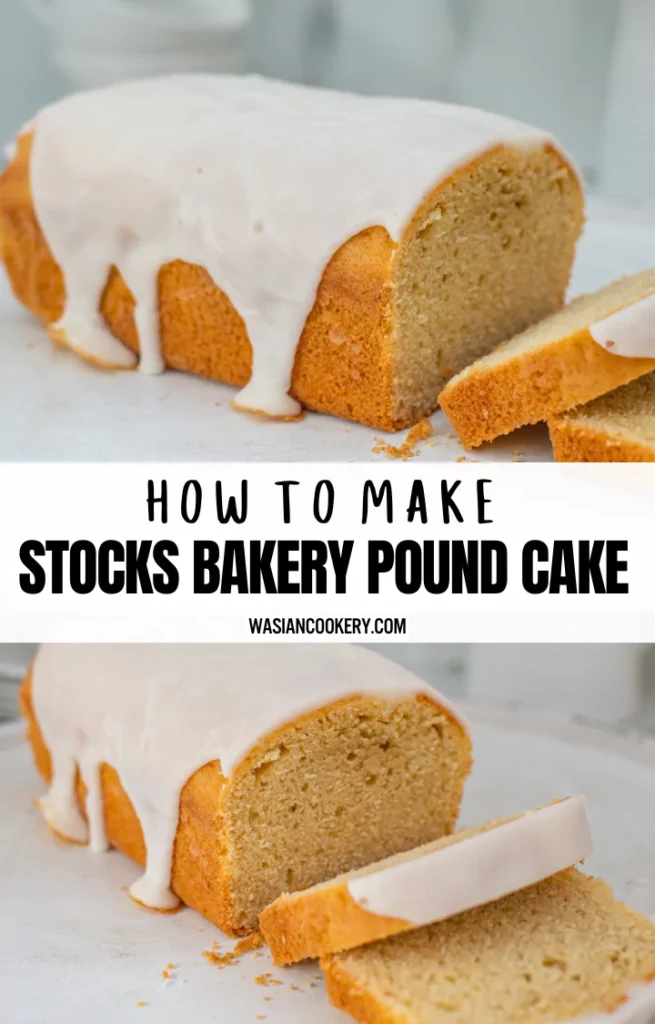
A homemade bakery-inspired vanilla pound cake baked as two loaves, with a buttery crumb and a simple white glaze. Cool completely for neat slices and a tidy finish.
Stocks Bakery Pound Cake Recipe
Course: DessertCuisine: AmericanDifficulty: Easy1
batch25
minutes1
hour3
hours50
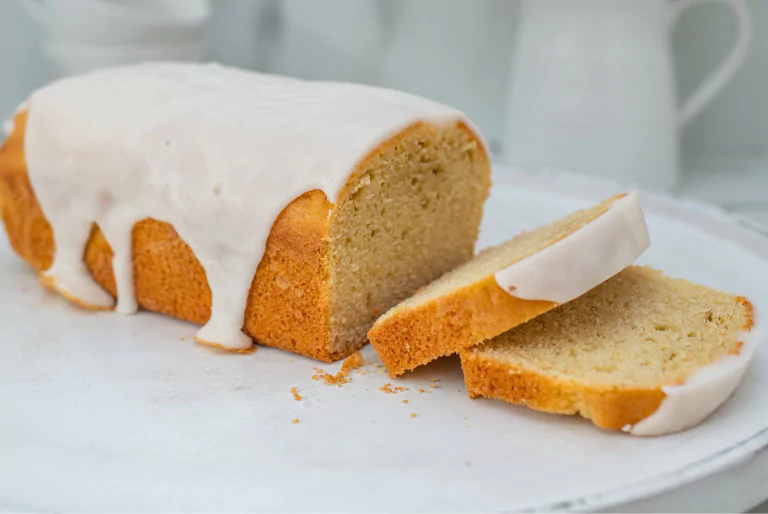
minutesA homemade Stocks Bakery-inspired vanilla pound cake with a buttery crumb and white glaze. One batch is divided between two 9-by-5-inch loaf pans.
Ingredients
1 cup (2 sticks) unsalted butter, softened
2 cups granulated sugar
4 large eggs
3 cups all-purpose flour
1 teaspoon baking powder
1/2 teaspoon salt
1 cup whole milk
1 teaspoon vanilla extract
- Iced White Glaze:
1 cup powdered sugar
2 tablespoons milk
1/2 teaspoon vanilla extract
Directions
- Let the butter, eggs, and milk lose their refrigerator chill; allow about 30 minutes, with longer if the butter is still hard. Preheat the oven to 350°F (175°C). Grease and flour two 9-by-5-inch loaf pans. Line their bases with parchment if desired. Place a rack in the middle of the oven.
- In a large mixing bowl, cream the softened butter and granulated sugar with an electric mixer until lighter in color and fluffy, about 3–5 minutes. Scrape the bowl and beaters as needed. The butter should be pliable, not melted or oily.
- Beat in the eggs one at a time, ensuring each egg is incorporated before adding the next. Scrape the bowl after the additions so the mixture blends evenly. A slightly uneven appearance can smooth out when the flour is added; do not keep beating indefinitely.
- In a separate bowl, whisk together the all-purpose flour, baking powder, and salt. Spoon the flour lightly into the measuring cups and level it rather than packing it down.
- On low speed, add the flour mixture in three additions, alternating with the whole milk in two additions. Begin and end with flour. Mix just until each addition disappears, then scrape the bottom of the bowl to catch any dry pockets.
- Stir in the 1 teaspoon vanilla extract until evenly distributed. The batter should be thick and spreadable. Divide it evenly between the two prepared loaf pans, keeping each no more than two-thirds full, and smooth the tops.
- Bake the pans side by side with space for air to circulate. Begin checking at 45 minutes; expect about 50–60 minutes, with additional time if needed. Each loaf is ready when its center springs back gently and a long cake tester comes out clean or with a few moist crumbs, without wet batter. Check both loaves separately. Tent loosely with foil if browning too quickly.
- Cool the cakes in their pans for 10 minutes, then loosen the edges and transfer carefully to a wire rack. Let them cool completely before glazing, allowing about 90 more minutes. The centers and bottoms should no longer feel warm.
- For the glaze, stir together the powdered sugar, 2 tablespoons milk, and 1/2 teaspoon vanilla in a small bowl until smooth. Break up sugar lumps before judging the consistency. The glaze should fall from the spoon in a ribbon; use the stated quantities first.
- Drizzle the glaze over the completely cooled cakes and allow about 15 minutes for it to settle before slicing. The planned total is about 230 minutes: 30 minutes softening, 25 minutes active preparation including glaze, 60 minutes baking, 10 minutes cooling in pans, 90 minutes cooling on the rack, and 15 minutes after glazing. Longer softening, baking, or cooling extends the total.
Notes
- One batch means two loaves, not one slice. Divide the unchanged batter evenly between two 9-by-5-inch pans, no more than two-thirds full.
- Begin checking at 45 minutes; expect about 50–60 minutes, and use the center spring-back and cake-tester cues. Check both loaves separately.
- The 230-minute total includes 30 minutes softening, 25 preparation, 60 baking, 10 cooling in pans, 90 cooling on a rack, and 15 after glazing. Actual cooling may take longer.
- This is a homemade bakery-inspired version, not the bakery’s official formula. Refrigerate glazed leftovers and freeze unglazed cake for longer storage.