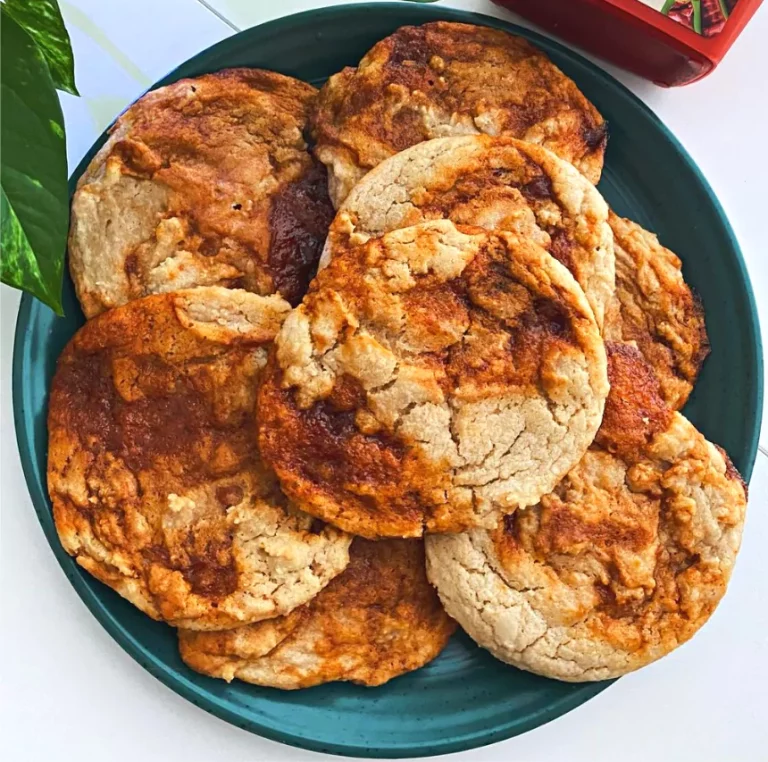
Pinon ice cream recipe
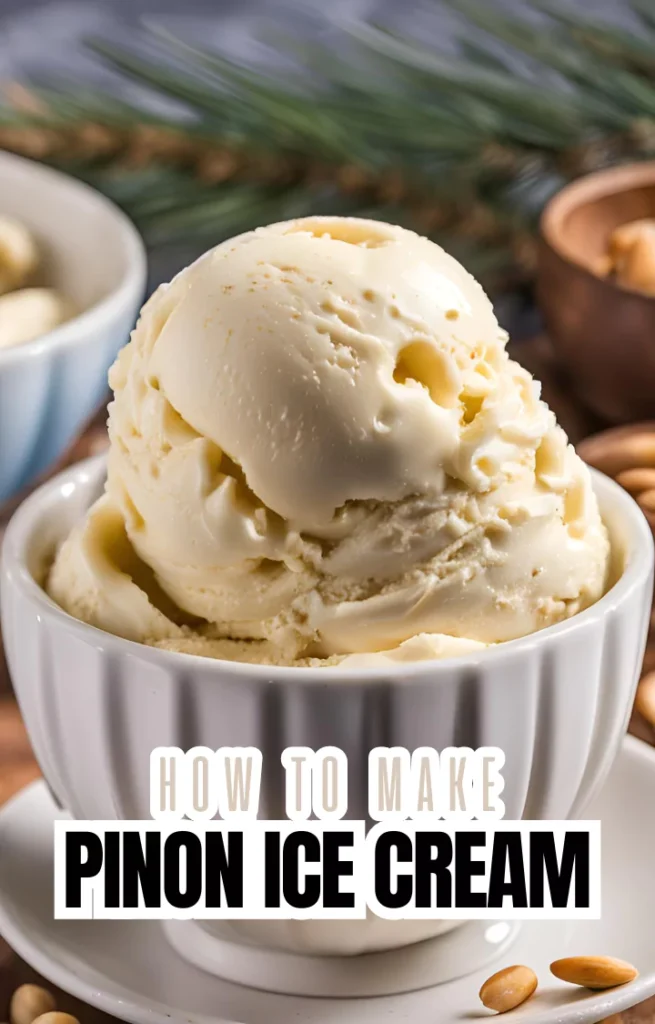
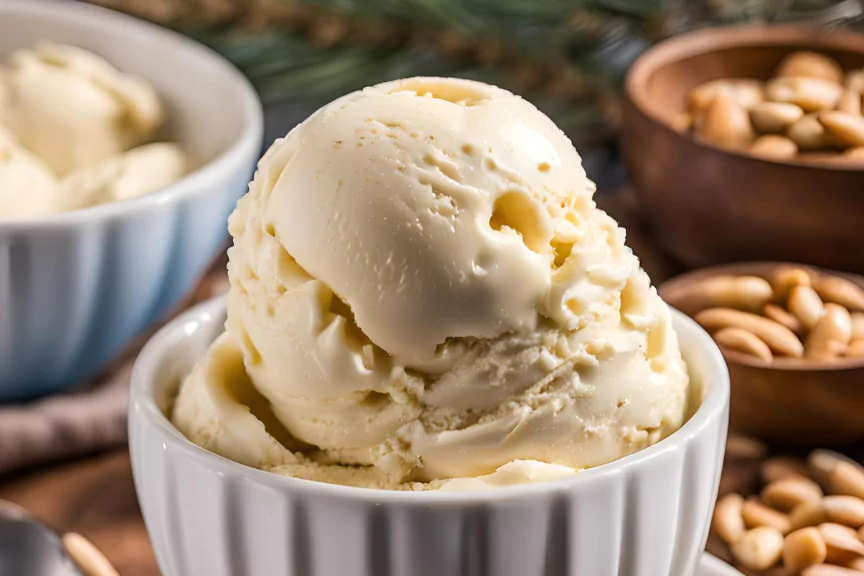
My favorite part of piñon ice cream is the contrast between a smooth, creamy scoop and little toasted pieces of pine nut. The nuts have a buttery flavor that works beautifully with a gently sweet vanilla custard.
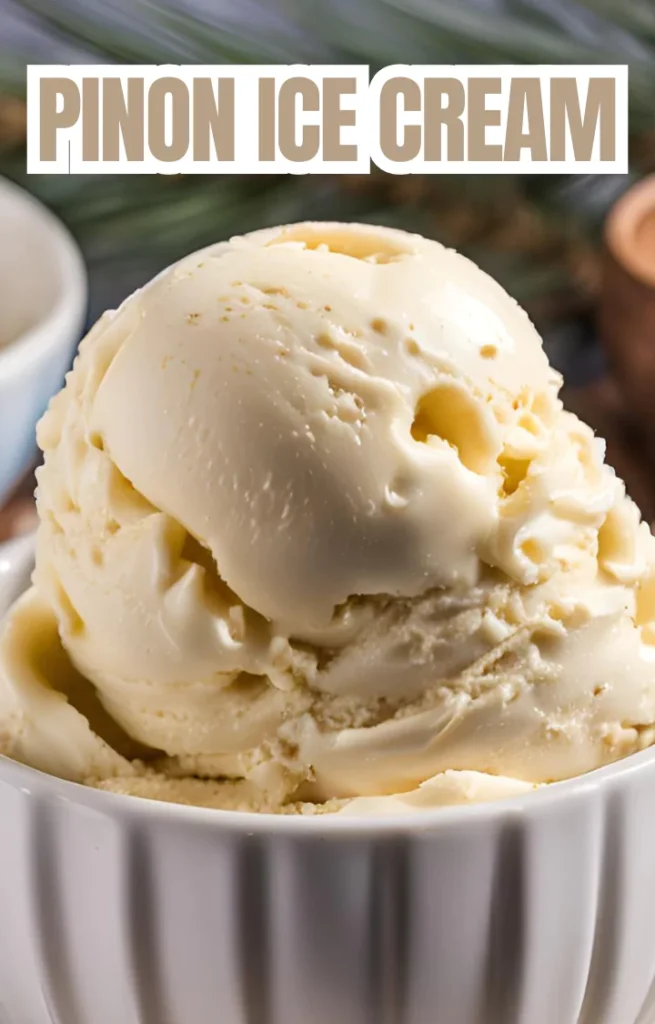
Ice cream always reminds me of summer and a homemade treat on a sunny day. After sharing my Mamey Ice Cream, this pine nut version brings another flavor to the freezer, with a rich egg-yolk base and plenty of nutty texture.
This recipe uses cooked custard and an ice cream maker. Most of the time is spent chilling and freezing, so start well before you want dessert. Once the base is properly cold, the machine does the churning and the freezer finishes the scoops.
Why This Dish Is Great
- A gentle nutty flavor: Toasted pine nuts bring a buttery taste without overwhelming the cream and vanilla.
- A creamy base: Egg yolks, heavy cream, and whole milk make a smooth custard with a rich finish.
- A short ingredient list: Six ingredients keep the focus on the nuts and the homemade ice cream texture.
- A make-ahead dessert: The custard can chill overnight, leaving churning and firming for the next day.
- Simple serving: A small bowl or cone is enough, though fruit, cookies, or a sauce can turn it into a fuller dessert.
What Are the Best Pine Nuts for Ice Cream?
Choose fresh, shelled pine nuts from a sealed package. Piñon nuts give the dessert its name, and the ingredient list also allows pine nuts more generally. Their flavor should be mild and buttery. Nuts with a stale, sharp, or unpleasant smell will not improve when mixed into custard.
Toasting the pine nuts before adding them enhances their flavor. Watch them closely because small nuts brown quickly and can turn bitter when burned. Transfer them out of the skillet as soon as they are lightly golden; leaving them in a hot pan keeps cooking them. Cool fully before chopping and adding to the ice cream.
Ingredients
- 2 cups heavy cream
- 1 cup whole milk
- 3/4 cup granulated sugar
- 4 large egg yolks
- 1/2 teaspoon vanilla extract
- 1/2 cup pine nuts (piñon nuts), toasted and chopped
Use pasteurized cream and milk. Separate the eggs carefully and keep the yolks chilled until preparation. The 3/4 cup sugar is the total for the whole recipe, divided equally between the dairy and yolks. Keep that amount for the first batch, since sugar affects the frozen texture as well as sweetness.
Kitchen Equipment You Will Need
As an Amazon Associate I earn from qualifying purchases.
- Ice cream maker
- Medium saucepan
- Small skillet
- Heatproof mixing bowls
- Whisk
- Silicone spatula
- Instant-read food thermometer
- Fine-mesh strainer
- Measuring cups
- Measuring spoons
- Cutting board
- Chef knife
- Freezer-safe lidded container
- Ice cream scoop
- Heatproof spoon
- Heat-safe cooling plate
How To Make Piñon Ice Cream
Allow about 20 minutes of hands-on preparation and 20 minutes of stovetop cooking. The roughly 9-hour-40-minute total also includes a 20-minute ice-water cooling allowance, at least 4 hours in the refrigerator, up to 40 minutes of churning, and 4 hours to firm in the freezer. Overnight chilling takes longer. If your machine needs a pre-frozen bowl, prepare it according to its manual before starting; that additional equipment-freezing time is not included.
Step 1: Toast the nuts and warm the dairy
If the pine nuts are not already toasted, place them in a dry skillet over medium-low heat. Stir frequently for about 2–5 minutes, until lightly golden and fragrant; immediately transfer to a plate to cool, then chop. In a saucepan, combine the heavy cream, whole milk, and half of the 3/4 cup sugar. Warm over medium heat until steaming with small bubbles at the edges, then remove from the heat.
Step 2: Whisk the yolks
Whisk the 4 egg yolks and the remaining half of the sugar in a heatproof bowl until combined and slightly thickened. Half of the total sugar is 6 tablespoons, so use 6 tablespoons in the dairy and 6 tablespoons with the yolks.
Step 3: Temper slowly
While whisking the yolks continuously, pour in a small amount of the hot cream mixture in a thin stream. Gradually whisk in the remaining hot cream mixture. This raises the yolks’ temperature gently and helps prevent lumps.
Step 4: Cook the custard safely
Return the mixture to the saucepan over medium-low heat. Stir constantly, sweeping the bottom and corners, until the custard coats the back of a spoon and reaches at least 160°F on a food thermometer, often about 5–7 minutes. A line drawn through the coating should stay clear. Do not let the custard boil; use both the temperature and texture cues rather than the clock alone.
Step 5: Strain and cool promptly
Immediately strain the cooked custard through a fine-mesh sieve into a clean heatproof bowl and stir in the vanilla. Set the bowl in a larger bowl of ice water, keeping water out of the custard. Stir frequently to cool it quickly, allowing roughly 20 minutes, then move it promptly to the refrigerator; do not leave it on the counter to cool completely.
Step 6: Chill thoroughly
Cover the custard, pressing food-safe wrap against its surface if desired. Refrigerate at 40°F or below for at least 4 hours or overnight, until cold all the way through. Refrigerate within 2 hours of cooking, or 1 hour above 90°F. Have the ice cream maker ready according to its instructions, including any required advance freezing of its bowl.
Step 7: Churn the cold base
Stir the cold custard, then churn in the ice cream maker according to its instructions until thick and soft like soft-serve. Follow the machine’s fill limit and work in batches if needed. Allow roughly 20–40 minutes for churning; the exact time depends on the machine.
Step 8: Add the cooled pine nuts
Add all the toasted, cooled, chopped pine nuts during the last few minutes of churning, while the ice cream is still soft enough to mix them through. If your machine does not allow additions while running, fold them in after churning with a clean spatula.
Step 9: Freeze until scoopable
Transfer the ice cream to a freezer-safe lidded container, smooth the surface, and freeze at 0°F or below for 2–4 hours, or longer until firm enough to scoop. A shallow container firms more evenly than a deep one. The total-time estimate allows 4 hours for this final freezing.
Step 10: Scoop and serve
Scoop into bowls or cones. If the ice cream is very firm, let it soften briefly before scooping, then return the container to the freezer promptly. Allow about 9 hours 40 minutes overall with a ready-to-use machine, including preparation, cooking, rapid cooling, 4 hours of chilling, up to 40 minutes of churning, and 4 hours of freezing.
Notes
- Keep the heat gentle after adding the yolks. A low, steady heat gives you time to stir and check the custard before it overcooks.
- Use a thermometer for the egg mixture. A spoon coating helps judge texture, but it does not replace reaching the safe cooking temperature.
- Strain the custard while it is still fluid. This removes small cooked egg bits and makes it easier to notice a badly curdled base.
- Chill the base thoroughly before churning. A warm mixture can stay soupy even when the machine has been running for its usual cycle.
- Add the nuts near the end. This keeps the pieces distributed through the soft ice cream without making them an obstacle during the main churn.
- Respect the machine’s fill line. Ice cream expands as it churns, and an overfilled bowl can prevent the paddle from moving properly.
- Seal the finished container well. A shallow container with little empty space above the ice cream helps protect the surface during storage.
Ingredients You Can Add
- Chocolate shavings: Scatter a few on the finished scoops for a chocolate-and-nut pairing.
- Caramel sauce: Spoon a little cooled sauce over the serving rather than pouring hot sauce into the frozen batch.
- Fresh berries: Serve washed, well-drained berries alongside the ice cream for a bright contrast.
- Cinnamon: A light dusting over the bowl adds a warm flavor without changing the custard.
- Cookie crumbs: Sprinkle them over the ice cream at the table to keep their crunch.
- Toasted coconut: Use a little cooled coconut as a topping if you enjoy that combination.
What To Serve with Piñon Ice Cream
A crisp cone or a plain butter cookie is a lovely match for the soft ice cream. Keep the other flavors simple if you want the toasted pine nuts to stand out. Warm drinks can be served separately for a cozy contrast.
For a dessert plate, add a small scoop beside Bread Pudding. Let the pudding cool to a comfortable serving temperature first, since very hot pudding melts a scoop quickly.
If you like offering two ice cream flavors, serve this alongside Strawberry Shortcake Ice Cream. Small scoops make it easier to enjoy both, and everyone can choose a fruity or nutty spoonful.
Variations and Swaps
- Finer nut pieces: Chop the pine nuts a little more finely for a softer, more even texture in each bite.
- Coarser nut pieces: Leave slightly larger pieces if you prefer a noticeable crunch, while keeping them small enough to scoop easily.
- Soft-serve style: Enjoy a portion right after churning and freeze the rest until firm.
- Overnight custard: Make the base the evening before, chill it safely, and churn the following day.
- Individual containers: Divide the churned ice cream into small freezer-safe containers for easy portions.
- Bowls instead of cones: This is a simple serving choice when you want to avoid a cone or keep toppings contained.
- Chocolate pairing: Add chocolate at serving time while keeping the original custard formula unchanged.
- Fruit pairing: Use fruit beside the scoop rather than blending watery fruit into this particular ice cream base.
Storage
Keep the finished ice cream tightly covered at 0°F or below. For its best homemade texture, aim to enjoy it within about 2 weeks; this is a quality suggestion, not a guarantee based on smell or appearance. Scoop with a clean utensil and return the container to the freezer as soon as you have served it.
Keep cooked custard at 40°F or below and plan to churn it the next day if chilling overnight. Do not rely on freezing to make undercooked eggs safe. Discard perishable dairy mixtures left out longer than 2 hours, or 1 hour above 90°F. Ice cream that has melted substantially should not be repeatedly softened and refrozen, since its texture deteriorates and safe handling becomes harder to judge.
FAQ
Is piñon ice cream sweet or savory?
It is a sweet dessert with a mild buttery, nutty flavor. The pine nuts add depth rather than turning it into a savory dish. Vanilla stays in the background so the nuts can be noticed.
Can I make this without an ice cream maker?
These instructions are designed for a churned custard. Simply freezing the liquid base produces a different, harder texture. Use an ice cream maker for this method instead of assuming it behaves like a whipped no-churn recipe.
Why did my custard become grainy?
The heat may have been too high or the mixture may have boiled. Small cooked bits can be caught by the strainer. If it is heavily scrambled or scorched, start again rather than expecting churning to fix the flavor or texture.
Why is the ice cream still soft?
It normally leaves the machine at a soft-serve consistency. Transfer it to the freezer to firm up. If it remains liquid during churning, check whether the base and machine bowl were cold enough and whether the batch exceeded the fill limit.
Can I reduce the sugar or use lighter milk?
Those changes alter the freezing behavior and richness. Less sugar can make ice cream harder, and lower-fat dairy changes the texture. The original cream, whole milk, and sugar amounts are the best starting point for this recipe.
Is this recipe vegan or free from allergens?
This version contains dairy, egg yolks, and pine nuts, so it is not vegan. Check every ingredient and topping for anyone with allergies or dietary restrictions. Replacing one ingredient does not make the whole recipe suitable.
Short Description
Piñon ice cream combines a cooked vanilla custard with toasted, chopped pine nuts. Thorough chilling, churning, and a final freeze give it a creamy texture and small buttery pieces in every scoop.
Pinon ice cream recipe
Course: DessertCuisine: AmericanDifficulty: Easy4
servings20
minutes20
minutes9
hours40
minutesA churned, cooked-custard ice cream with heavy cream, whole milk, vanilla, and toasted pine nuts. Allow time for thorough chilling and freezing.
Ingredients
2 cups heavy cream
1 cup whole milk
3/4 cup granulated sugar
4 large egg yolks
1/2 teaspoon vanilla extract
1/2 cup pine nuts (piñon nuts), toasted and chopped
Directions
- If the pine nuts are not already toasted, place them in a dry skillet over medium-low heat. Stir frequently for about 2–5 minutes, until lightly golden and fragrant; immediately transfer to a plate to cool, then chop. In a saucepan, combine the heavy cream, whole milk, and half of the 3/4 cup sugar. Warm over medium heat until steaming with small bubbles at the edges, then remove from the heat.
- Whisk the 4 egg yolks and the remaining half of the sugar in a heatproof bowl until combined and slightly thickened. Half of the total sugar is 6 tablespoons, so use 6 tablespoons in the dairy and 6 tablespoons with the yolks.
- While whisking the yolks continuously, pour in a small amount of the hot cream mixture in a thin stream. Gradually whisk in the remaining hot cream mixture. This raises the yolks’ temperature gently and helps prevent lumps.
- Return the mixture to the saucepan over medium-low heat. Stir constantly, sweeping the bottom and corners, until the custard coats the back of a spoon and reaches at least 160°F on a food thermometer, often about 5–7 minutes. A line drawn through the coating should stay clear. Do not let the custard boil; use both the temperature and texture cues rather than the clock alone.
- Immediately strain the cooked custard through a fine-mesh sieve into a clean heatproof bowl and stir in the vanilla. Set the bowl in a larger bowl of ice water, keeping water out of the custard. Stir frequently to cool it quickly, allowing roughly 20 minutes, then move it promptly to the refrigerator; do not leave it on the counter to cool completely.
- Cover the custard, pressing food-safe wrap against its surface if desired. Refrigerate at 40°F or below for at least 4 hours or overnight, until cold all the way through. Refrigerate within 2 hours of cooking, or 1 hour above 90°F. Have the ice cream maker ready according to its instructions, including any required advance freezing of its bowl.
- Stir the cold custard, then churn in the ice cream maker according to its instructions until thick and soft like soft-serve. Follow the machine’s fill limit and work in batches if needed. Allow roughly 20–40 minutes for churning; the exact time depends on the machine.
- Add all the toasted, cooled, chopped pine nuts during the last few minutes of churning, while the ice cream is still soft enough to mix them through. If your machine does not allow additions while running, fold them in after churning with a clean spatula.
- Transfer the ice cream to a freezer-safe lidded container, smooth the surface, and freeze at 0°F or below for 2–4 hours, or longer until firm enough to scoop. A shallow container firms more evenly than a deep one. The total-time estimate allows 4 hours for this final freezing.
- Scoop into bowls or cones. If the ice cream is very firm, let it soften briefly before scooping, then return the container to the freezer promptly. Allow about 9 hours 40 minutes overall with a ready-to-use machine, including preparation, cooking, rapid cooling, 4 hours of chilling, up to 40 minutes of churning, and 4 hours of freezing.
Notes
- Cook the egg custard to at least 160°F and until it coats a spoon; do not boil.
- Cool promptly in an ice-water bath and refrigerate at 40°F or below for at least 4 hours or overnight.
- Total time allows 20 minutes prep, 20 minutes cooking, 20 minutes rapid cooling, 4 hours chilling, 40 minutes churning, and 4 hours freezing. Prepare a freezer-bowl machine in advance according to its instructions; any extra bowl-freezing time is additional.