Costco Raspberry Chipotle Sauce Recipe
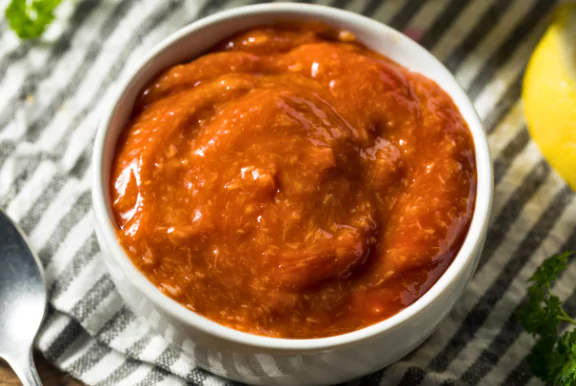
I love making Costco Raspberry Chipotle Sauce at home because it’s so versatile and adds a burst of flavor to my favorite dishes. This homemade version lets me work with fresh berries and choose a comfortable level of smoky heat.
The combination of sweet raspberries and smoky chipotle peppers creates a tangy sauce for dipping appetizers, glazing vegetables, or serving beside grilled meat. Brown sugar rounds out the vinegar, while garlic gives the fruit a savory side.
This is a homemade sauce inspired by that sweet-and-smoky style, rather than a verified store formula. A gentle simmer turns seven simple ingredients into a spoonable sauce, with enough texture to keep the raspberries at the center of every bite.
Why This Sauce Is Great
- Fresh raspberries bring both sweetness and tartness, so the finished sauce has a bright fruit flavor instead of tasting only of sugar.
- Chipotle peppers add smoky warmth. The amount in the original recipe makes a useful starting point, though individual peppers differ in heat.
- A short ingredient list keeps preparation simple. Measure everything before heating the pan so the garlic cannot scorch while you search for vinegar.
- You can keep the softened fruit and seeds for a rustic sauce or strain a portion for a smoother finish.
- One small batch works in several meals, from a dip for fries to a glaze brushed onto vegetables near the end of cooking.
What Are the Best Raspberries to Use?
Choose ripe, fragrant berries that look plump and have no mold. Very soft but sound berries work well because they will break down anyway. Rinse gently just before cooking and drain well; a long soak bruises delicate berries and introduces extra water.
For the chipotle peppers, use soft canned chipotles in adobo, finely chopped before measuring. The recipe calls for the pepper itself, not a tablespoon of dry chipotle powder. Canned peppers bring some clinging sauce with them, and their heat can vary between cans.
Ingredients
- 2 cups fresh raspberries
- 1 tablespoon chipotle peppers (adjust according to spice preference)
- 1 teaspoon granulated garlic
- 1/4 cup apple cider vinegar
- 1/4 cup brown sugar
- 1/2 teaspoon salt
- 1 tablespoon olive oil
Keep the listed amounts together for the first batch. Brown sugar contributes a gentle molasses flavor, apple cider vinegar supplies the tang, and olive oil carries the garlic and pepper through the sauce. Granulated garlic needs only brief heating; it should smell fragrant without becoming brown.
Kitchen Equipment You Will Need
As an Amazon Associate I earn from qualifying purchases.
- Measuring cups and spoons
- Fine mesh strainer
- Cutting board
- Chef knife
- Small heavy saucepan
- Silicone spatula
- Serving spoons
- Shallow food storage containers
How to Make Costco Raspberry Chipotle Sauce
- Rinse and drain the raspberries, discarding any spoiled fruit or stems. Finely chop the soft canned chipotle peppers and measure 1 tablespoon. Measure the remaining ingredients before turning on the heat.
- Heat the olive oil in a small saucepan over medium-low heat. Add the chipotle peppers and granulated garlic; stir for about 30-60 seconds, just until fragrant, without letting the garlic brown.
- Add the raspberries, apple cider vinegar, brown sugar, and salt. Stir well and gently press some berries with the spatula to release their juice. Bring to a gentle simmer.
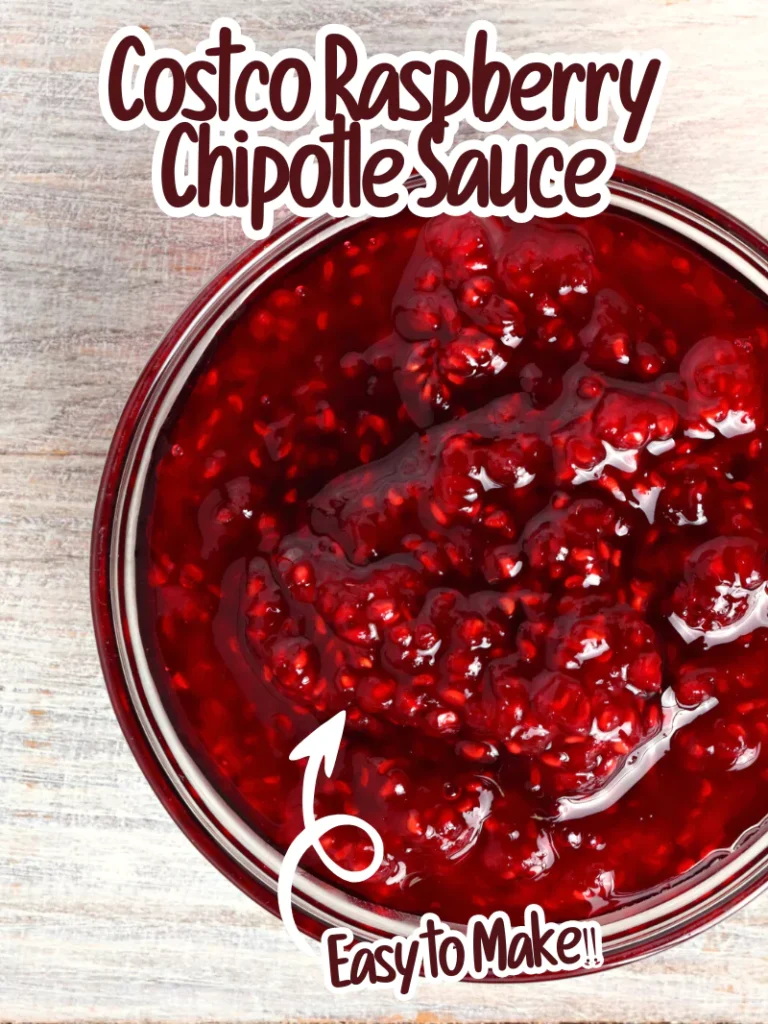
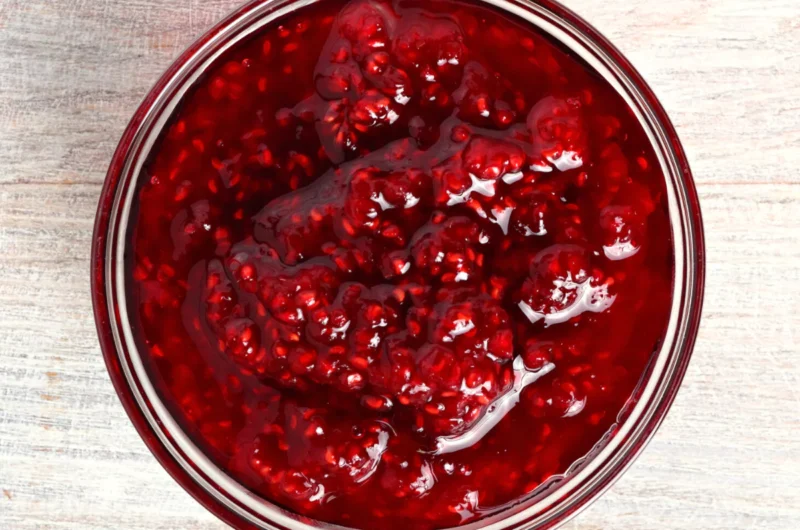
- Lower the heat and simmer uncovered for 20-30 minutes, stirring regularly and more often as it thickens. The berries should collapse and the sauce should lightly coat a spoon while remaining pourable. Allow about 35 minutes of cooking overall, including heating the mixture.
- Remove from the heat and let stand for about 10 minutes before tasting. Keep the rustic texture, or carefully press the warm sauce through a fine mesh strainer for fewer seeds. Do not scrape the strainer so hard that seeds pass through.
- Taste a cooled spoonful. Serve warm as a dip or glaze. If the sauce is thicker than you like, stir in a small splash of water off the heat. Keep a clean serving portion separate from any sauce used on raw meat.
- For storage, divide into shallow containers and refrigerate promptly at 40°F or below, within 2 hours of cooking or 1 hour above 90°F. Do not wait for the whole batch to cool completely on the counter. Use within 3-4 days or freeze. This is not a canning recipe.
Plan on about 55 minutes: 10 minutes of preparation, roughly 35 minutes at the stove, and a 10-minute cooling pause before serving warm. A wider pan or less juicy berries can shorten the simmer, so use the spoon-coating cue. Fully chilling the sauce for cold service takes additional refrigerator time.
Notes
- Stir along the bottom and into the corners of the pan. Sugary fruit can catch there before the surface looks too thick.
- Keep the simmer quiet. Hard boiling throws sticky droplets from the pan and makes the sauce harder to judge.
- Take the pan off the heat while the sauce still flows. It becomes thicker as it cools, so a stiff hot sauce will be too dense later.
- Taste only a cooled spoonful. Hot sauce can burn your mouth and makes sweetness and heat harder to judge accurately.
- For a milder batch, use less chipotle as allowed in the ingredient list. Add it gradually before cooking, rather than trying to remove the heat afterward.
- Reserve a clean portion before marinating meat. Discard sauce that has touched raw meat instead of using it as a dip or a finishing drizzle.
- The original yield is about 1 cup. Reduction and optional straining affect the amount, so use consistency as the endpoint rather than forcing an exact volume.
Ingredients You Can Add
- A little lime zest adds a fresh citrus aroma without making a large change to the liquid balance.
- A small pinch of smoked paprika deepens the smoky flavor; start lightly because the peppers already supply smoke.
- Finely grated fresh ginger gives a warmer, sharper finish and suits a sauce served with chicken.
- Freshly ground black pepper adds a different kind of warmth without making the sauce taste more sugary.
- Chopped cilantro can be stirred into a portion just before serving, especially alongside grilled vegetables.
- A little orange zest adds a sweeter citrus note. Use the colored peel and avoid the bitter white pith beneath it.
What to Serve with Raspberry Chipotle Sauce
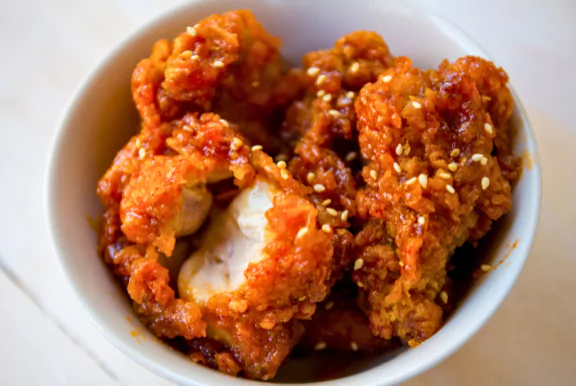
I like this sauce with chicken, pork, or beef, and it also makes a tangy dip for chicken tenders or sweet potato fries. Try a small bowl beside Texas Roadhouse steak fries so everyone can choose how much smoky heat to add.
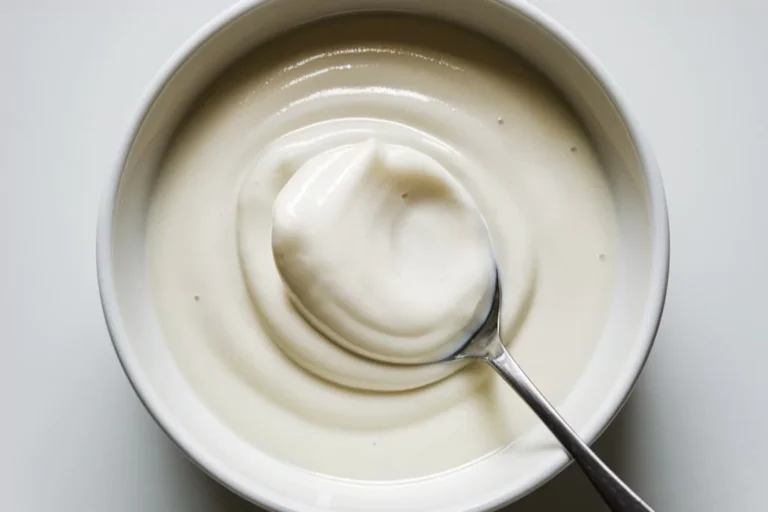
The sauce works as a glaze for grilled vegetables, tofu, or seafood. Brush it on near the end of cooking because the sugar can darken quickly. A clean spoonful mixed into mayonnaise or Greek yogurt also makes a zesty spread for sandwiches or burgers.
For a little sauce tasting plate, pair it with homemade Arby’s Bronco Berry Sauce and Wingstop Hawaiian Sauce. Their different fruity flavors are useful beside plain cooked chicken, with separate serving spoons for each bowl.
Variations and Swaps
- For a rustic finish, press the berries with the spatula and leave all of the softened fruit in the pan.
- For a smoother dip, strain the cooked sauce after its cooling pause; expect a smaller yield when seeds and pulp are removed.
- For a gentler sauce, start with less of the optional adjustable chipotle amount and keep the other ingredients the same.
- For a stronger smoky finish, use the full tablespoon of chipotle and taste the completed batch before making any further change.
- Unsweetened frozen raspberries can be used when fresh ones are unavailable. Include their juices and allow more time if the sauce is watery.
- Light brown sugar keeps the fruit brighter, while dark brown sugar gives a stronger molasses flavor at the same measured amount.
- A thinner glaze needs only a small splash of water stirred into the finished sauce; loosen it a little at a time.
- For a creamy sandwich sauce, mix a small serving with mayonnaise or yogurt. Keep that mixed portion refrigerated and use it promptly.
Storage
Refrigerate the sauce promptly in shallow, covered containers at 40°F or below and use within 3-4 days. Put it away within 2 hours, or within 1 hour if the room or outdoor temperature is above 90°F. Use a clean spoon each time. Sugar and vinegar in this recipe do not make it suitable for pantry storage.
Freeze small portions in freezer-safe containers, leaving room for expansion, for up to 3 months for best quality. Thaw in the refrigerator and stir well. If reheating, bring the sauce to a rolling boil while stirring carefully, then remove from the heat. Never rely on a jar lid sealing as proof that this homemade sauce is shelf-stable.
FAQ
Does this taste exactly like the Costco sauce?
It is a homemade interpretation of a raspberry-and-chipotle flavor combination. The berries, pepper brand, and reduction all affect the result, so an exact match to a particular bottled product is not promised.
Why is my sauce thin?
The berries may have released more juice, or the pan may be narrow. Continue a gentle uncovered simmer and stir often. Let a spoonful cool before deciding whether it needs more reduction.
Why did the sauce become too thick?
It may have reduced too far or simply thickened while cooling. Take it off the heat and stir in a little water gradually until it flows as you prefer.
Do I have to remove the seeds?
No. They are part of the natural berry texture. Straining is optional and reduces both the seed content and the final amount of sauce.
Can I use it as a marinade?
Yes. Chill the sauce before adding it to raw meat and marinate in the refrigerator. Keep a separate clean portion for serving and discard the used marinade.
Can I can jars of this sauce?
No canning process has been established for this formula. Store it in the refrigerator for the short period given here or freeze it; do not keep it at room temperature.
Short Description
A homemade raspberry chipotle sauce with fresh berries, brown sugar, apple cider vinegar, garlic, and smoky peppers. Simmer until spoonable and serve as a dip or glaze.
Costco Raspberry Chipotle Sauce
Course: Condiment, SauceCuisine: AmericanDifficulty: Easy1
cup10
minutes35
minutes55
minutesA homemade raspberry chipotle sauce with fresh berries, brown sugar, apple cider vinegar, garlic, and smoky peppers. Simmer until spoonable and serve as a dip or glaze.
Ingredients
2 cups fresh raspberries
1 tablespoon chipotle peppers (adjust according to spice preference)
1 teaspoon granulated garlic
1/4 cup apple cider vinegar
1/4 cup brown sugar
1/2 teaspoon salt
1 tablespoon olive oil
Directions
- Rinse and drain the raspberries, discarding any spoiled fruit or stems. Finely chop the soft canned chipotle peppers and measure 1 tablespoon. Measure the remaining ingredients before turning on the heat.
- Heat the olive oil in a small saucepan over medium-low heat. Add the chipotle peppers and granulated garlic; stir for about 30-60 seconds, just until fragrant, without letting the garlic brown.
- Add the raspberries, apple cider vinegar, brown sugar, and salt. Stir well and gently press some berries with the spatula to release their juice. Bring to a gentle simmer.
- Lower the heat and simmer uncovered for 20-30 minutes, stirring regularly and more often as it thickens. The berries should collapse and the sauce should lightly coat a spoon while remaining pourable. Allow about 35 minutes of cooking overall, including heating the mixture.
- Remove from the heat and let stand for about 10 minutes before tasting. Keep the rustic texture, or carefully press the warm sauce through a fine mesh strainer for fewer seeds. Do not scrape the strainer so hard that seeds pass through.
- Taste a cooled spoonful. Serve warm as a dip or glaze. If the sauce is thicker than you like, stir in a small splash of water off the heat. Keep a clean serving portion separate from any sauce used on raw meat.
- For storage, divide into shallow containers and refrigerate promptly at 40°F or below, within 2 hours of cooking or 1 hour above 90°F. Do not wait for the whole batch to cool completely on the counter. Use within 3-4 days or freeze. This is not a canning recipe.
Notes
- Yield is approximately 1 cup and varies with reduction or straining. Total includes a 10-minute cooling pause for warm service; full refrigerator chilling takes longer. Refrigerate promptly and use within 3-4 days; this recipe is not suitable for canning.