Lee’s Famous Recipe Chicken Recipe
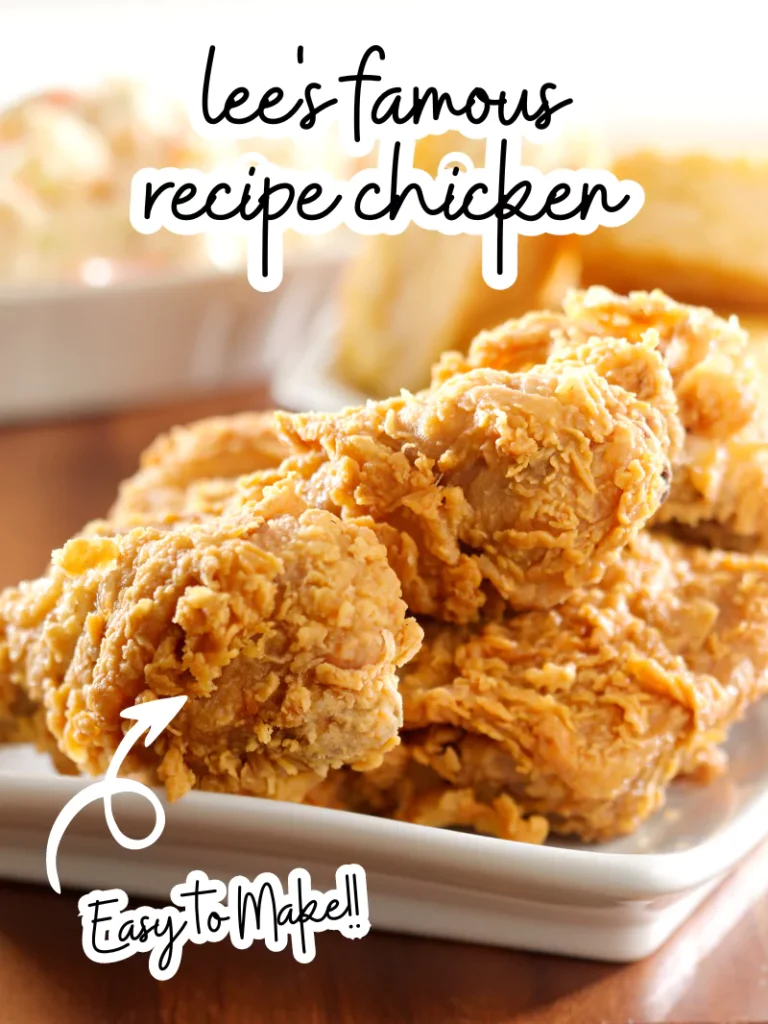
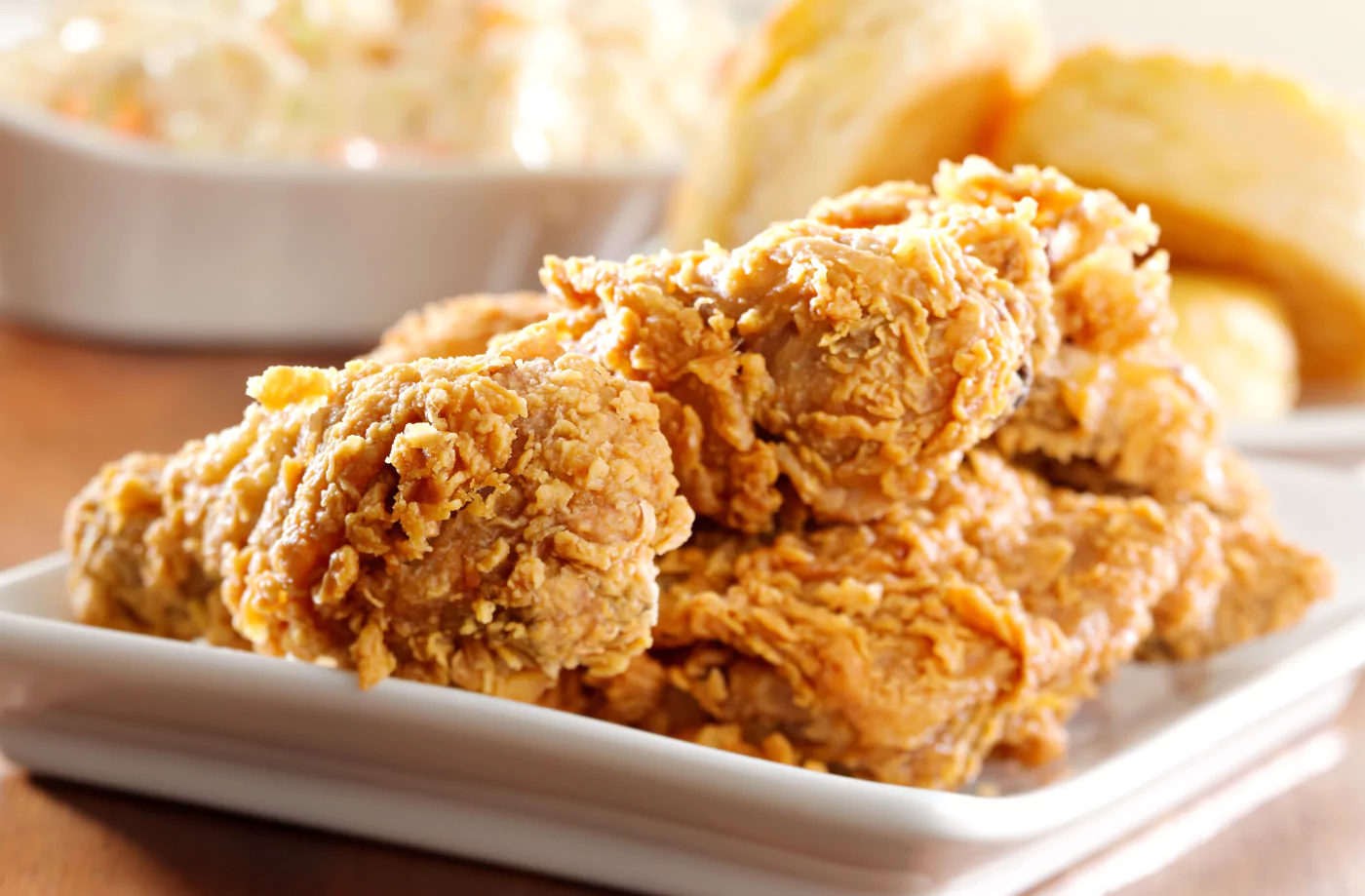
My favorite part of fried chicken is the contrast between a crisp, seasoned coating and juicy meat underneath. This Lee’s-inspired chicken uses a simple flour coating with paprika, pepper, garlic, and dried herbs.
I have to admit, I’m crazy about fried chicken from Lee’s Famous Recipe. This homemade version keeps the seasoning in the flour, with no egg wash or overnight marinade needed for the basic method.
This is a homemade take on a familiar fried-chicken favorite. Plan enough time for several batches, and check every piece with a thermometer before serving.
Why This Dish Is Great
- The flour coating uses familiar seasonings that are easy to measure and mix.
- A whole chicken gives a choice of light and dark meat at the table.
- Paprika adds color while thyme and oregano bring a gentle herby flavor.
- The basic recipe needs no lengthy marinade, making the preparation straightforward.
- Classic sides, fresh salads, and dipping sauces all work well with the savory chicken.
What Is the Best Chicken
Choose a fully thawed, bone-in chicken cut into manageable pieces. A smaller frying chicken is easier to cook evenly than a very large roasting bird. Ask the butcher to cut it up if you prefer. Breasts are often much thicker than wings or drumsticks, so cook similar-size pieces together and check them individually.
Keep the raw chicken refrigerated until you are ready to prepare it. Do not wash or rinse it. Blot away visible surface moisture with disposable paper towels, discard the towels, and wash your hands before touching seasonings or clean utensils. The surface can remain slightly tacky for the flour, but it should not be dripping.
Ingredients
- 1 whole chicken, cut into pieces
- 2 cups all-purpose flour
- 1 tablespoon salt
- 1 tablespoon black pepper
- 1 tablespoon paprika
- 1 teaspoon garlic powder
- 1 teaspoon onion powder
- 1 teaspoon dried thyme
- 1 teaspoon dried oregano
- Vegetable oil, for frying
Ingredient Notes
All-purpose flour gives this version its simple, light coating. Whisk the salt, pepper, paprika, garlic powder, onion powder, thyme, and oregano through it thoroughly so no piece lands in a pocket of concentrated seasoning. The listed salt seasons the full flour mixture; some coating will remain in the bowl.
Use fresh vegetable oil suitable for frying. The amount depends on the pot, so measure its depth and leave generous space above it. Do not try to use every bit of seasoned flour on the chicken. A thin, even layer cooks more pleasantly than thick, loose clumps.
Kitchen Equipment You Will Need
As an Amazon Associate I earn from qualifying purchases.
- Deep heavy stainless-steel pot
- Deep-fry thermometer
- Instant-read food thermometer
- Large mixing bowl
- Whisk
- Measuring cups
- Measuring spoons
- Long metal tongs
- Raw-chicken tray
- Rimmed baking sheet
- Oven-safe wire rack
- Paper towels
- Oven mitts
How To Make Lee’s-Inspired Fried Chicken
Allow about 25 minutes to prepare, coat, and briefly rest the chicken while the oil heats. Budget about 70 minutes for three small frying batches and oil-temperature recovery, then 5 minutes for the last batch to drain. The card’s 1 hour 40 minutes is a planning estimate; large pieces or a small pot take longer.
- Prepare: Set an oven-safe rack over a clean rimmed baking sheet. Keep a separate tray for raw chicken. Blot the fully thawed pieces without washing them. Mix the flour and all the listed seasonings in a large bowl.
- Coat: Press each piece into the seasoned flour, coating both sides and any folds of skin. Shake off loose flour. Place on the raw-chicken tray and refrigerate for about 10 minutes while you finish heating the oil.
- Heat the oil: Put about 2–3 inches of vegetable oil in a deep, heavy pot, never more than half full and always with at least 2 inches of headroom. Keep the pot and utensils dry. Heat to 350°F (175°C), monitoring with a deep-fry thermometer. If using an electric fryer instead, follow its fill marks and operating instructions.
- Fry in batches: Lower two or three pieces carefully into the oil with dry metal tongs, moving away from your body. Give them space rather than filling the pot. Keep the oil around 325–350°F while frying, adjusting the heat as needed. Turn carefully once the coating is set.
- Check doneness: Begin checking small pieces after about 15 minutes; many pieces take 20–25 minutes, and large breasts may take longer. Lift each piece out and check the thickest part away from the bone. Every piece must reach 165°F. Color alone is not a safe doneness test.
- Drain and repeat: Transfer cooked pieces to the clean rack. Bring the oil back to 350°F before the next batch. Keep finished pieces in a 200°F oven while you finish, with the chicken staying at least 140°F. Keep utensils that touched raw chicken separate from cooked food.
- Serve: Let the final batch drain for about 5 minutes and serve while crisp. Discard flour that touched raw chicken. Turn off the heat and let the oil cool fully before handling or disposing of it.
Notes
- Pat away visible moisture before dredging. Water droplets and wet utensils can make hot oil spit.
- Use the thermometer throughout frying, including between batches, rather than judging heat from bubbles.
- Lower pieces gently. Dropping chicken into the pot can splash hot oil over the sides.
- Keep the first few minutes of cooking undisturbed so the coating has time to attach.
- Check several places in an unusually thick piece, keeping the thermometer tip away from bone.
- If the crust darkens too quickly, reduce the heat and continue until the meat reaches 165°F.
- Drain in a single layer on a rack. Stacking hot pieces traps steam and softens the coating.
Ingredients You Can Add
These optional extras work best at the table, where everyone can choose their own flavor without changing the basic coating.
- Lemon wedges give the savory crust a bright, sharp finish.
- Hot sauce adds heat when drizzled over an individual portion.
- A little honey brings sweetness alongside the peppery coating.
- Chopped fresh parsley adds color just before serving.
- Dill pickle slices provide a crunchy, tangy bite on the side.
- Honey mustard makes an easy dip for pieces of chicken pulled from the bone.
What To Serve With Lee’s-Inspired Chicken
Creamy mashed potatoes, buttery cornbread, and a cool slaw make a comfortable meal. Dinosaur Barbeque Coleslaw brings a crisp, tangy contrast to the chicken.
For a brighter plate, serve Grilled Corn Salad with fresh vegetables. Prepare cold sides before handling the raw chicken so they stay separate from the coating station.
Offer Bill Miller BBQ Sauce in a small bowl, along with any other favorite dips. Serving sauce separately helps the chicken stay crisp until someone is ready to eat.
Variations and Swaps
- Use sweet paprika for the original mild flavor or smoked paprika for a smoky note.
- Choose freshly ground black pepper if you enjoy a more noticeable pepper aroma.
- Rub the dried thyme and oregano between your fingers before mixing for smaller herb pieces.
- Use a plain high-heat canola or sunflower oil in place of a vegetable-oil blend.
- For the optional buttermilk variation, soak the raw pieces covered in the refrigerator for 1–4 hours. Drain thoroughly and blot excess liquid before coating; add the soaking time to your schedule.
- Cook a selection of similar-size bone-in pieces when you want more even batch timing, while still checking each piece reaches 165°F.
- Use an electric deep fryer if preferred, following its capacity limits instead of treating the entire chicken as one batch.
- Pull cooked meat from the bones for sandwiches with lettuce, tomato, and a favorite sauce. Keep the bones out of any wrap or sandwich.
Storage
Refrigerate leftover chicken within 2 hours of cooking, or within 1 hour above 90°F. Put it in shallow containers in a refrigerator at 40°F or below; do not leave it on the counter until completely cold. Enjoy within 3–4 days. Keep cooked chicken away from the raw-chicken tray, flour, and utensils.
For longer storage, freeze cooled, promptly refrigerated pieces in a sealed freezer container for up to 3 months for best quality. Thaw in the refrigerator. Reheat on a rack in a 350°F oven until every piece reaches 165°F, allowing more time for thick pieces. The crust may be less crisp after freezing, but reheating uncovered helps.
FAQ
Is this the restaurant’s official recipe?
This is a homemade Lee’s-inspired version with the listed flour, herbs, and spices. It does not claim to reproduce a proprietary seasoning blend or restaurant pressure-frying process. Use ordinary home frying equipment as directed here.
Why is the coating falling off?
Loose flour, very wet chicken, or moving the pieces too soon can loosen it. Press the coating on gently, shake off excess, and give the coated pieces their short refrigerated rest before frying.
Why is my chicken greasy?
The oil may have cooled too far when the chicken was added. Use smaller batches and bring the oil back to the starting temperature between them. Drain on a rack instead of leaving the pieces sitting in oil.
Can I tell it is cooked from the color?
No. A golden crust can surround undercooked meat, especially on a large breast. Lift the chicken out of the oil and check the thickest area away from bone for at least 165°F.
Can I bake this exact coating instead?
Dry flour behaves differently in an oven and may leave pale, powdery areas. This recipe is written for frying; an oven-fried recipe with its own coating and oil method is a better starting point for baking.
Is the recipe gluten-free?
No. The all-purpose flour contains wheat. A specialty flour changes the coating, and shared oil or utensils can also introduce gluten. Choose ingredients and preparation methods that match the needs of the person eating it.
Short Description
A homemade Lee’s-inspired fried chicken with a seasoned flour crust, paprika, garlic, thyme, and oregano. Fry in small batches, monitor the oil, and cook every piece to 165°F before serving.
Lee’s Famous Recipe Chicken
Course: MainCuisine: AmericanDifficulty: Easy4
servings25
minutes1
hour10
minutes1
hour40
minutesHomemade Lee’s-inspired fried chicken with a seasoned flour coating. Fry in small batches and cook each piece to 165°F. Total time includes three batches, oil recovery, coating rest, and final draining.
Ingredients
1 whole chicken, cut into pieces
2 cups all-purpose flour
1 tablespoon salt
1 tablespoon black pepper
1 tablespoon paprika
1 teaspoon garlic powder
1 teaspoon onion powder
1 teaspoon dried thyme
1 teaspoon dried oregano
Vegetable oil, for frying
Directions
- Keep fully thawed chicken refrigerated until preparation. Do not wash it. Blot visible moisture with paper towels. Set a clean oven-safe rack over a rimmed baking sheet and keep a separate tray for raw chicken. Whisk the flour, salt, pepper, paprika, garlic powder, onion powder, thyme, and oregano together.
- In a dry deep, heavy pot, heat about 2–3 inches vegetable oil to 350°F (175°C). Fill the pot no more than halfway and leave at least 2 inches headroom. Keep utensils dry and monitor with a deep-fry thermometer. For an electric fryer, follow its fill marks and operating instructions.
- Press each chicken piece into the seasoned flour, then shake off loose flour. Refrigerate the coated chicken on its separate tray for about 10 minutes while the oil finishes heating. Preparation, coating rest, and oil heating take about 25 minutes.
- Using dry metal tongs, gently lower two or three pieces into the oil, away from your body. Leave space between pieces and maintain oil around 325–350°F. Turn carefully once the coating has set. Never add water to hot oil.
- Begin checking small pieces at about 15 minutes; many pieces take 20–25 minutes, and large breasts may need longer. Lift each piece from the oil and check the thickest part away from bone with a clean food thermometer. Every piece must reach 165°F, regardless of crust color.
- Move cooked chicken to the clean rack and bring oil back to 350°F between batches. Keep finished pieces in a 200°F oven, maintaining chicken at least 140°F, while completing the remaining batches. Allow about 70 minutes for three small batches and oil recovery; more time may be needed for large pieces or additional batches.
- Let the last batch drain for about 5 minutes, then serve. Discard flour that touched raw chicken. Turn off the heat and allow oil to cool fully before handling. Refrigerate leftovers promptly within 2 hours (1 hour above 90°F), use within 3–4 days, and reheat to 165°F.