Chimichurri Flank Steak Recipe
I love the bright green sauce in this Chimichurri Flank Steak. Parsley, oregano, garlic, vinegar, and lemon give the beef a lively finish, while thin slices make the steak easy to share around the table.
I made this recipe for a weekend lunch with my family, and everyone asked for seconds. Grilled vegetables and crusty bread made a lovely meal beside the sliced steak, with a little of the fresh sauce spooned over each plate.
This version uses part of the chimichurri as a refrigerated marinade and keeps the serving portion completely separate. Give yourself time for the sauce to rest, the steak to marinate, and the cooked beef to rest before slicing. The actual grilling is a small part of the schedule.
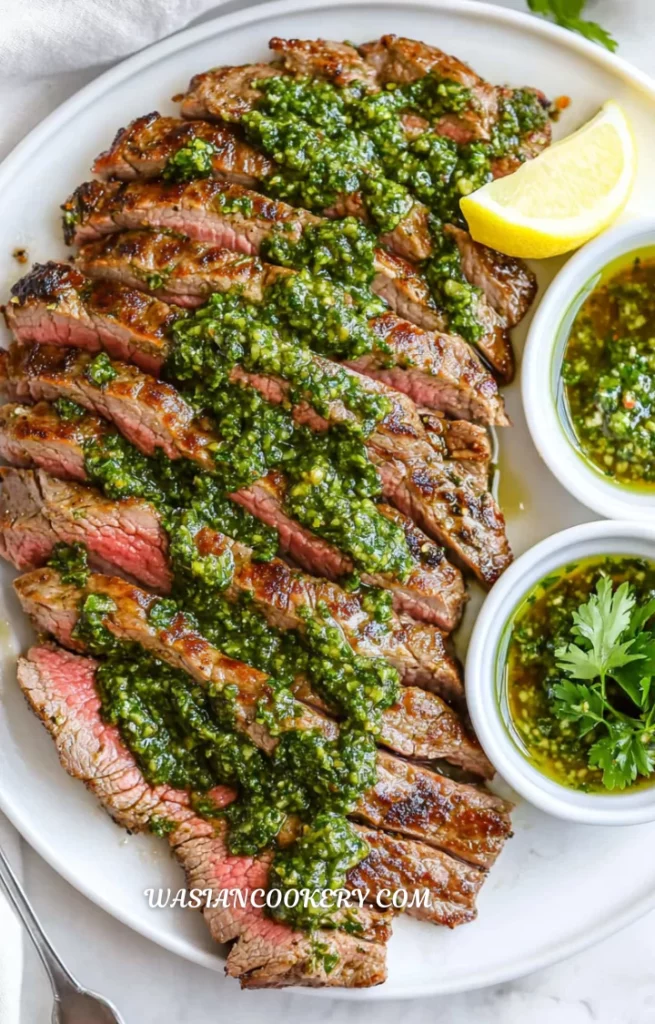
Why This Dish Is Great
- A bright finishing sauce: Fresh herbs and two kinds of acidity balance the beef without a cooked gravy or a long list of extra ingredients.
- Simple preparation: A knife and bowl are enough for the sauce. Finely chopped herbs keep their texture instead of turning into a smooth green paste.
- A useful marinade: Half the sauce coats the steak before cooking, while the untouched half stays fresh and ready for the table.
- Easy sharing: Thin slices divide neatly among four plates. Potatoes, rice, or vegetables make it easy to build the rest of the meal.
- Several cooking choices: A grill gives a smoky edge, while a heavy skillet works indoors. Either method needs a thermometer and enough space around the steak.
Choosing The Best Flank Steak
Choose a flank steak with fairly even thickness and clearly visible muscle fibers. The listed 1½ pounds, approximately 700 grams, makes four servings with sides. A very thick center and thin ends may finish at different times, so check more than one spot as it cooks.
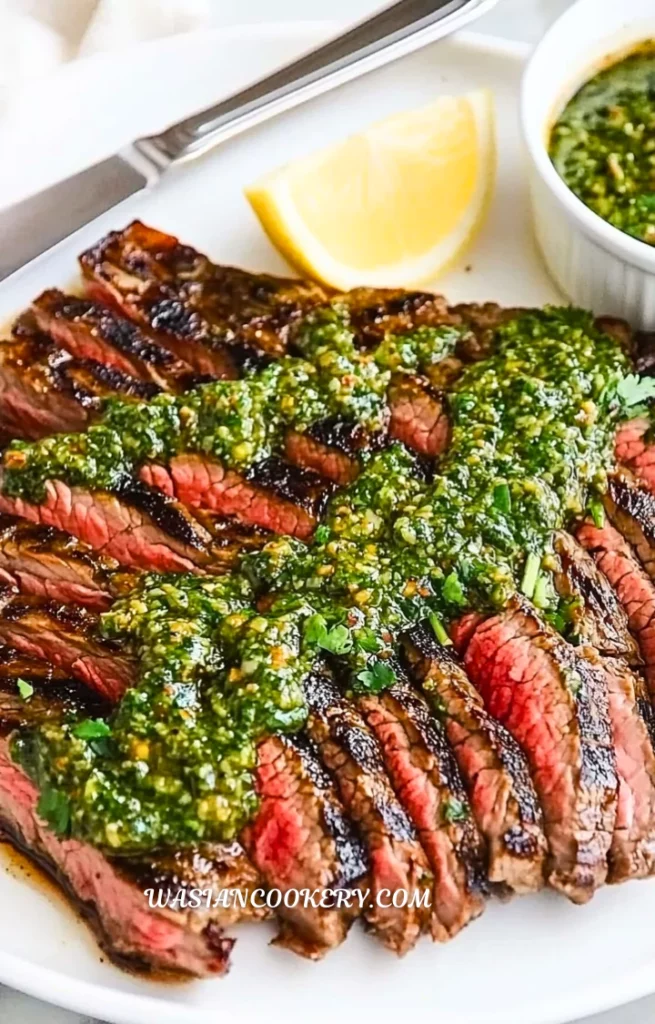
Notice which way the long muscle lines run before marinating. After cooking, cut across those lines into thin slices. This shortens the fibers in each bite. Marinating adds flavor, but it does not remove the need for careful slicing or make an overcooked steak soft again.
Ingredients
- For the steak:
- 1½ lbs (about 700g) flank steak
- Salt and pepper, to taste
- 1 tbsp olive oil
- For the chimichurri sauce:
- ½ cup fresh parsley, finely chopped
- 2 tbsp fresh oregano (or 1 tbsp dried)
- 4 garlic cloves, minced
- ½ tsp chili flakes (optional for heat)
- ½ cup olive oil
- 2 tbsp red wine vinegar
- Juice of ½ lemon
- Salt and black pepper, to taste
Keep the oil amounts separate: 1 tablespoon coats the steak, and ½ cup belongs in the sauce. Use either 2 tablespoons fresh oregano or the original 1 tablespoon dried oregano option. The ½ teaspoon chili flakes is optional. Divide the finished sauce before any portion touches raw beef.
Kitchen Equipment You Will Need
As an Amazon Associate I earn from qualifying purchases.
- Grill
- Cast-iron skillet
- Broiler pan
- Chef knife
- Cutting board
- Mixing bowls
- Measuring cups
- Measuring spoons
- Kitchen tongs
- Instant-read thermometer
- Serving platter
- Storage containers
How To Make Chimichurri Flank Steak
Allow about 85 minutes: 15 minutes preparation, 15 minutes sauce resting, 30 minutes refrigerated marinating, about 15 minutes cooking, and 10 minutes steak resting. Preheat the grill during the final 15 minutes of marinating. Longer marinating, thick steak, or extra batches add time.
Step 1:
Combine the ½ cup finely chopped parsley, 2 tablespoons fresh oregano or 1 tablespoon dried oregano, 4 minced garlic cloves, ½ cup olive oil, 2 tablespoons red wine vinegar, and juice of ½ lemon in a bowl. Add the optional ½ teaspoon chili flakes and salt and black pepper to taste. Stir well. Divide evenly between two clean containers before handling the beef: one for marinating and one for serving. Cover and refrigerate both for 15 minutes to let the flavors blend.
Step 2:
Pat the 1½-pound flank steak dry. Season both sides with salt and pepper and brush with the separate 1 tablespoon olive oil. Place in a shallow dish with the marinade portion of chimichurri, turning to coat. Cover and refrigerate for at least 30 minutes or up to 8 hours. Keep the serving sauce covered in a separate container, away from the raw steak and its utensils.
Step 3:
During the final 15 minutes of marinating, preheat a clean grill to medium-high, with a cooler area available. Lift the steak from the marinade and let excess sauce drip away; discard all used marinade. Grill about 5–7 minutes per side, checking early and continuing as needed until the thickest part reaches at least 145°F before removal. Check the center from the side with a thermometer. Move the steak to the cooler area if herbs or edges darken too quickly. For a skillet, heat a large heavy pan over medium-high for about 5 minutes and cook without crowding; extra batches take longer.
Step 4:
Transfer the cooked steak to a clean platter with clean tongs. Cover loosely with foil and rest for 10 minutes before slicing or eating; this includes the required minimum 3-minute rest after reaching 145°F. Slice thinly across the grain using a clean knife and board.
Step 5:
Stir the untouched serving chimichurri with a clean spoon. Divide the sliced steak among four servings and spoon this clean sauce over the meat, or pass it separately at the table. Never use the discarded marinade as a finishing sauce.
Notes
- Dry the herbs: Rinse parsley and fresh oregano, then dry before chopping. Water clinging to the leaves dilutes the sauce and makes the oil look watery.
- Chop by hand: Small, even pieces distribute the garlic and herbs. A few tender parsley stems are fine, but remove tough woody oregano stems.
- Label the sauce: Keep the serving container away from the marinating dish. Use different spoons so the clean half stays suitable for uncooked serving.
- Limit excess marinade: Let drips fall back into the raw-meat dish before grilling. A heavy layer of herbs can scorch before the center is cooked.
- Watch flare-ups: Oil can drip onto the heat. Move the steak to a cooler section if flames rise rather than leaving it in direct flames.
- Check the middle: Insert the thermometer from the side into the thickest section. A browned exterior or a particular cooking time cannot confirm doneness.
- Slice at the end: Rest the whole steak first, then cut it for serving. Thin slices cool quickly, so have your sides and plates ready.
Ingredients You Can Add
- Cilantro: Mix chopped cilantro with the parsley for a different herbal flavor. Keep the parsley base if you want the original balance.
- Mint: A little chopped mint brings a cool note to the sauce. Add lightly so it does not cover the oregano and garlic.
- Shallot: Finely minced shallot gives the sauce extra crunch and a gentle onion flavor. Stir it into the clean sauce before dividing.
- Paprika: A light dusting on the steak adds another savory note. Watch carefully over direct heat because powdered spices can darken quickly.
- Feta: Crumble a little over individual servings for a salty finish. Taste the sauce before adding more salt if using cheese.
- Fresh chili: Chopped chili can add heat alongside or instead of the optional flakes. Start lightly and keep it out of portions meant to stay mild.
What To Serve
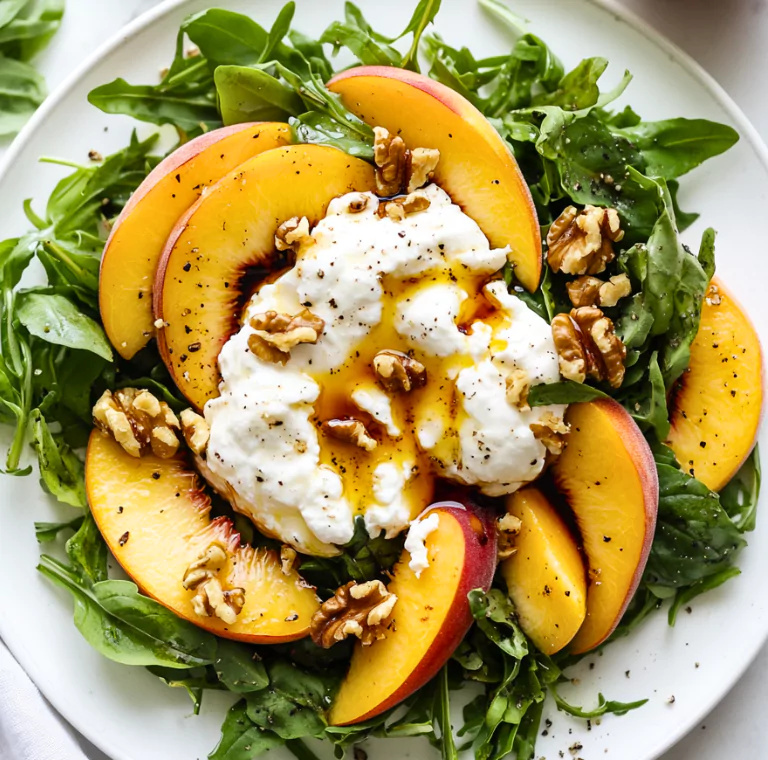
Creamy Texas Roadhouse mashed potatoes make a soft side for the thin steak slices. Prepare them while the beef marinates, and spoon chimichurri over the meat just before bringing everything to the table.
A bowl of tomato cucumber salad adds crisp vegetables beside the warm beef. Keep it chilled until serving. Grilled zucchini or corn also fit when you already have the grill ready.
Slices of homemade Jimmy Johns bread are useful for the extra sauce. Bake the bread earlier because its rises and cooling take time. Plain rice or couscous is another easy choice for a fuller plate.
Recipe Variations And Swaps
- Skirt steak: This original alternative is thinner and may cook faster. Check temperature early and slice carefully across its noticeable grain.
- Flat iron or sirloin: These cuts also work with the sauce. Keep the same safe temperature and rest while adjusting cooking time to thickness.
- Dried oregano: Retain the original 1 tablespoon dried option in place of 2 tablespoons fresh. The sauce resting time helps the dried leaves soften.
- Different acidity: Apple cider vinegar or white vinegar can replace the red wine vinegar. Expect a different flavor and taste the clean sauce before marinating.
- Herb blend: Basil can join or replace some parsley. Chop it close to mixing time and keep the sauce refrigerated until needed.
- Rice bowl: Serve sliced steak over freshly cooked rice or quinoa with vegetables. Keep the clean chimichurri separate until the bowl is assembled.
- Vegetable version: Roasted cauliflower or thick mushrooms can take the place of beef. Use clean sauce throughout and allow their own cooking schedule.
- Creamy sauce: Stir a little plain Greek yogurt or mashed avocado into the serving portion only. This changes the texture; prepare it close to the meal.
How To Store
Refrigerate steak and unused serving sauce separately at 40°F or below within 2 hours, or within 1 hour above 90°F. Use shallow containers for the steak and eat it within 3–4 days. Keep the fresh garlic-herb sauce refrigerated and use within 4 days; it is not a shelf-stable preserve.
Stir refrigerated chimichurri before using because the oil may separate or thicken. Freeze small portions of clean sauce for longer storage and thaw in the refrigerator. Reheat steak in a covered skillet with a splash of water until it reaches 165°F, recognizing that reheated slices will be firmer than freshly cooked beef.
FAQ
How long should I marinate the steak?
Use the original range of 30 minutes to 8 hours in the refrigerator. The stated total uses the minimum; add any extra marinating time to your plan.
Can I skip the chili flakes?
Yes. The listed ½ teaspoon is optional, so leave it out for a milder sauce. Garlic, oregano, lemon, and vinegar still give plenty of flavor.
How do I find the grain?
Look for the long parallel lines in the steak. Cut across them, rather than along them, after the full resting time for shorter fibers in each slice.
Can I use the marinade on cooked steak?
Use only the half reserved before touching raw beef. Discard the used marinade and wash its container and utensils before using them for cooked food.
Can I broil it instead?
Yes. Use a broiler-safe pan without parchment, follow your oven instructions for rack placement, and watch closely. Turn as needed, cook to 145°F, and rest 10 minutes; allow preheating time.
Why does the sauce look separated?
Oil and vinegar naturally separate while standing. Stir with a clean spoon before serving so each portion gets herbs, oil, and the tangy liquid together.
Short Description
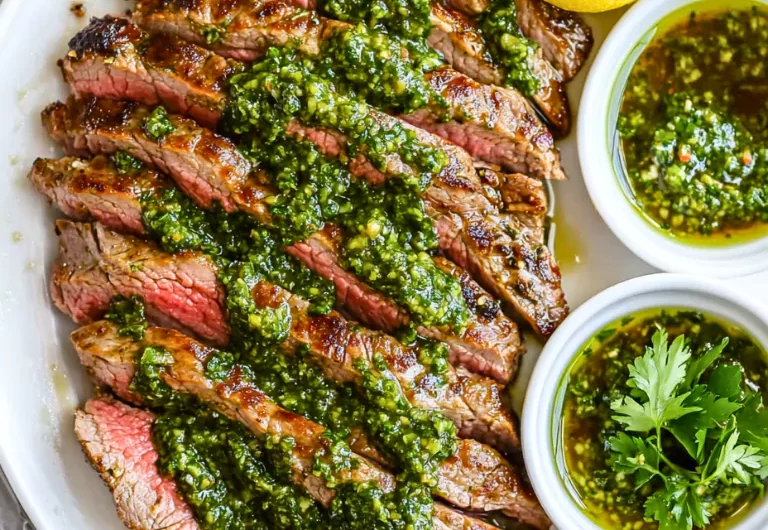
Chimichurri Flank Steak pairs thin slices of grilled beef with a fresh parsley, oregano, garlic, and olive oil sauce brightened by vinegar and lemon.
Chimichurri Flank Steak Recipe
Course: MainCuisine: ArgentineDifficulty: Easy4
servings15
minutes15
minutes1
hour25
minutesChimichurri Flank Steak pairs thin slices of grilled beef with a fresh parsley, oregano, garlic, and olive oil sauce brightened by vinegar and lemon.
Ingredients
- For the steak:
1½ lbs (about 700g) flank steak
Salt and pepper, to taste
1 tbsp olive oil
- For the chimichurri sauce:
½ cup fresh parsley, finely chopped
2 tbsp fresh oregano (or 1 tbsp dried)
4 garlic cloves, minced
½ tsp chili flakes (optional for heat)
½ cup olive oil
2 tbsp red wine vinegar
Juice of ½ lemon
Salt and black pepper, to taste
Directions
- Combine the ½ cup finely chopped parsley, 2 tablespoons fresh oregano or 1 tablespoon dried oregano, 4 minced garlic cloves, ½ cup olive oil, 2 tablespoons red wine vinegar, and juice of ½ lemon in a bowl. Add the optional ½ teaspoon chili flakes and salt and black pepper to taste. Stir well. Divide evenly between two clean containers before handling the beef: one for marinating and one for serving. Cover and refrigerate both for 15 minutes to let the flavors blend.
- Pat the 1½-pound flank steak dry. Season both sides with salt and pepper and brush with the separate 1 tablespoon olive oil. Place in a shallow dish with the marinade portion of chimichurri, turning to coat. Cover and refrigerate for at least 30 minutes or up to 8 hours. Keep the serving sauce covered in a separate container, away from the raw steak and its utensils.
- During the final 15 minutes of marinating, preheat a clean grill to medium-high, with a cooler area available. Lift the steak from the marinade and let excess sauce drip away; discard all used marinade. Grill about 5–7 minutes per side, checking early and continuing as needed until the thickest part reaches at least 145°F before removal. Check the center from the side with a thermometer. Move the steak to the cooler area if herbs or edges darken too quickly. For a skillet, heat a large heavy pan over medium-high for about 5 minutes and cook without crowding; extra batches take longer.
- Transfer the cooked steak to a clean platter with clean tongs. Cover loosely with foil and rest for 10 minutes before slicing or eating; this includes the required minimum 3-minute rest after reaching 145°F. Slice thinly across the grain using a clean knife and board.
- Stir the untouched serving chimichurri with a clean spoon. Divide the sliced steak among four servings and spoon this clean sauce over the meat, or pass it separately at the table. Never use the discarded marinade as a finishing sauce.
Notes
- Four servings. About 85 minutes includes 15 minutes prep, 15 minutes sauce resting, 30 minutes marinating, 15 minutes cooking, and 10 minutes steak resting. Grill preheating overlaps the last 15 minutes of marinating.
- Marinate only in the refrigerator for 30 minutes to 8 hours. Longer marinating than the minimum adds directly to the total; thick steaks and extra batches also take longer.
- Divide chimichurri before raw-meat contact. Keep the serving half separate and discard all used marinade. The 1 tablespoon steak oil is separate from the ½ cup sauce oil.
- Cook beef to at least 145°F before removing from heat, then rest at least 3 minutes; the method allows 10 minutes. Refrigerate leftovers promptly at 40°F or below, within 2 hours or 1 hour above 90°F.